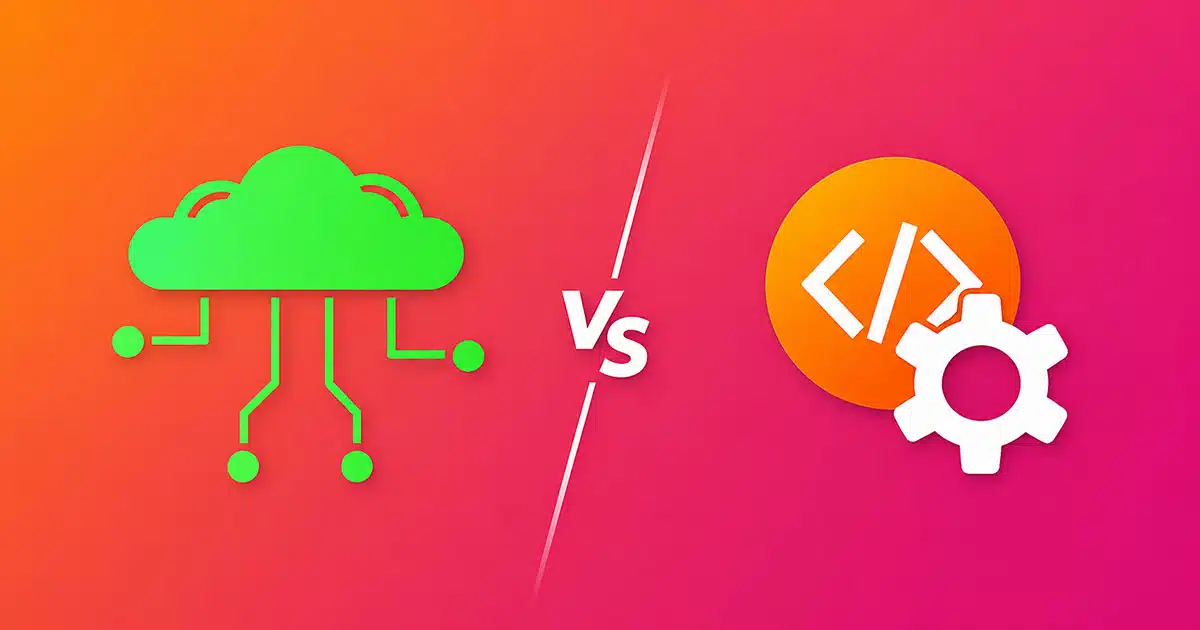
Custom software vs SaaS remains a defining decision for modern businesses align with clear business objectives. Each software solution supports business operations in different ways, from custom software development built around unique processes to software as a service platforms designed for multiple customers. SaaS solutions such as Google Workspace and common customer relationship management tools offer rapid deployment, low upfront costs, and predictable subscription fees. Custom software, on the other hand, provides a custom solution shape around internal processes, existing systems, and long-term business growth.
SaaS adoption often suits initial stages where rapid deployment, cost savings, and off-the-shelf SaaS tools matter most. A SaaS provider manages security patches, ongoing maintenance, and the provider’s security protocols, though vendor lock-in, data formats, and data ownership remain key considerations.
Custom development demands a significant upfront investment and higher initial investment, yet custom software lets teams gain full ownership, direct control, seamless integration, custom features, strict compliance, and a competitive edge as the business evolves.
What Is Custom Software?
Custom software refers to a software solution built specifically to match a company’s business requirements, internal processes, and long-term strategic objectives. Unlike off-the-shelf SaaS applications, custom software development focuses on creating a custom platform that aligns with unique workflows, existing systems, and specific data formats. A custom software solution supports complete control, full ownership, and direct control over features, security protocols, and data ownership, which many businesses value for sensitive customer data and strict compliance needs.
Custom software lets organizations design custom features that seamlessly integrate with analytics systems, project management tools, and customer relationship management platforms already in use. While custom development involves higher upfront costs, initial investment, and ongoing maintenance responsibility, it delivers more control, stronger security measures, and a sustainable competitive advantage as the business evolves and scales.
What Is SaaS Software?
SaaS software, also known as software as a service, delivers a software solution through the internet rather than traditional installation. SaaS platforms operate on a subscription-based business model, where a SaaS provider hosts the application, manages the development process, and supports multiple customers from a shared infrastructure. Popular SaaS tools like Google Workspace, analytics systems, and customer relationship management platforms enable rapid deployment, low upfront costs, and quick SaaS adoption for businesses at different growth stages.
SaaS solutions reduce maintenance costs by handling security patches, ongoing maintenance, and the provider’s security protocols. Teams only need a stable internet connection to access SaaS applications from existing tools and devices. While SaaS subscriptions offer cost savings and advanced features, businesses may face vendor lock-in, recurring subscription fees, limited custom features, and less direct control over customer data, security measures, and long-term costs.
Custom Software Vs SaaS: Side-By-Side Comparison
Custom software vs SaaS comparisons help businesses evaluate key considerations across cost, control, security, and scalability. The table below highlights how custom software development and SaaS solutions differ across business requirements, ownership, and long term value.
| Aspect | Custom Software | SaaS Software |
|---|---|---|
| Development Approach | Custom development tailored to unique processes | Off-the-shelf SaaS applications for multiple customers |
| Upfront Costs | Higher initial investment and high upfront costs | Low upfront costs with recurring subscription fees |
| Ownership | Full ownership and complete control | No ownership under SaaS subscriptions |
| Customization | Custom features built for internal processes | Limited customization within the SaaS platform |
| Integration | Seamless integration with existing systems | Works with existing tools, but has limited flexibility |
| Security | Direct control over security protocols and data ownership | Depends on the SaaS provider and the provider’s security protocols |
| Maintenance | Ongoing maintenance responsibility stays internal | Ongoing maintenance handled by SaaS vendor |
| Scalability | Scales as business evolves | Scales within SaaS provider limits |
| Vendor Lock In | No vendor lock-in | Risk of vendor lock-in and data silos |
| Long Term Costs | Higher upfront costs but predictable long-term costs | Lower initial costs but rising subscription fees over time |
Key Differences Between Custom Software And SaaS
Custom software vs SaaS presents clear trade-offs across control, cost, flexibility, and long-term value. Each model supports business operations differently, depending on business objectives, internal processes, and growth strategy. The sections below break down the most important differences that influence software decisions.
Ownership And Control
Custom software delivers full ownership and direct control over the entire software solution. Businesses decide how features work, how data formats remain structured, and how security protocols apply across systems. A custom software solution also removes dependency on external vendors, which reduces vendor lock-in and protects long-term strategic objectives.
SaaS platforms operate under a shared ownership model where the SaaS provider controls infrastructure, updates, and core functionality. Businesses access the SaaS platform through subscriptions, which limit control over customization, release cycles, and product direction. While SaaS adoption simplifies early operations, it reduces authority over customer data, feature priorities, and future scalability.
Cost Structure And Investment
Custom software development requires a significant upfront investment that covers design, software development, testing, and deployment. These upfront costs may feel high during initial stages, yet they often lead to lower long-term costs due to full ownership, no recurring subscription fees, and reduced hidden costs.
SaaS solutions attract businesses with low upfront costs and predictable subscription fees. SaaS subscriptions spread expenses over time, which supports faster adoption. However, recurring subscription fees, user-based pricing, and premium features often increase long-term costs, especially as business growth accelerates and usage expands across teams.
Customization And Flexibility
Custom development supports custom features that align with unique processes, internal workflows, and specific business requirements. A custom platform adapts as business evolves, allowing teams to modify logic, interfaces, and integrations without external restrictions. This flexibility supports competitive advantage and operational efficiency.
SaaS tools rely on standardized features built for multiple customers. Customization remains limited to configuration options defined by the SaaS vendor. While existing SaaS tools serve common use cases well, they struggle to support niche workflows, advanced customization, or highly specific operational demands.
Integration With Existing Systems
Custom software supports seamless integration across existing systems, analytics systems, project management tools, and customer relationship management platforms. Teams control how data flows between systems, which reduces data silos and improves visibility across business operations.
SaaS applications integrate through APIs and third-party connectors, often within the SaaS provider ecosystem. While this works for common tools like Google Workspace or popular analytics systems, integration limits may appear when workflows require deep customization or cross-platform automation beyond standard SaaS capabilities.
Security And Data Ownership
Custom software provides more control over security measures, data ownership, and compliance standards. Businesses define security protocols, access controls, encryption methods, and storage policies to meet strict compliance or industry regulations. Full ownership ensures customer data stays within company-controlled environments.
SaaS providers manage security patches, infrastructure protection, and the provider’s security protocols. While many SaaS vendors maintain strong security standards, businesses must trust third-party systems with sensitive customer data. Shared environments, vendor lock, and limited visibility into internal controls raise concerns for compliance-driven organizations.
Maintenance And Responsibility
Custom software places ongoing maintenance responsibility on internal teams or dedicated development partners. This includes updates, performance optimization, security patches, and feature expansion. While maintenance costs exist, teams gain predictable control over priorities and release schedules.
SaaS solutions shift ongoing maintenance to the SaaS provider. Updates roll out automatically, which reduces internal workload. However, forced updates, feature changes, or removed functionality may disrupt internal processes without advance control or customization options.
Scalability And Long-Term Value
Custom software scales alongside business growth without usage-based penalties. Teams expand features, users, and capabilities without raising subscription fees. This model supports long-term value, full ownership, and sustained competitive edge as operations mature.
SaaS platforms scale quickly during early growth phases, yet costs increase with user count, storage, and advanced features. Subscription-based pricing often limits long-term scalability and flexibility, especially for businesses with complex workflows or aggressive expansion plans.
Pros & Cons Of Custom Software
Pros Of Custom Software
Full Ownership And Control: Custom software provides full ownership, direct control, and complete authority over the software solution. Teams define features, data formats, and security protocols without SaaS vendor restrictions. This control protects customer data, reduces vendor lock-in, and aligns technology with long-term business objectives.
Deep Customization For Unique Processes: Custom software development supports custom features built around unique processes and internal workflows. A custom solution adapts precisely to business requirements rather than forcing teams to adjust operations around off-the-shelf SaaS tools, which improves efficiency and supports competitive advantage.
Seamless Integration Across Systems: Custom software allows seamless integration with existing systems such as analytics systems, project management tools, and customer relationship management platforms. Businesses control how data flows across tools, which reduces data silos and improves visibility across business operations.
Stronger Security And Data Ownership: Custom software enables stricter security measures, direct control over security protocols, and clear data ownership. Organizations manage access rules, encryption standards, and compliance needs internally, which suits regulated industries and businesses handling sensitive customer data.
Long-Term Cost Efficiency: Although custom development requires higher upfront costs and initial investment, it often reduces long-term costs. Full ownership removes recurring subscription fees, limits hidden costs, and allows predictable analysis costs as the business evolves and scales.
Cons Of Custom Software
High Initial Investment: Custom software demands a significant upfront investment for design, software development, testing, and deployment. These upfront costs may challenge businesses in early stages, especially when budgets remain limited and faster returns matter more than long-term control.
Longer Development Timeline: Custom development follows a structured development process that includes planning, building, testing, and refinement. This timeline delays rapid deployment compared to SaaS solutions, which may slow time-to-value for teams that need immediate operational support.
Ongoing Maintenance Responsibility: Custom software places ongoing maintenance responsibility on internal teams or external developers. Security patches, updates, and performance optimization require planning and budget allocation, which increases operational responsibility compared to SaaS adoption.
Higher Resource Requirements: Custom software development requires skilled developers, technical oversight, and project management resources. Businesses without in-house expertise may rely heavily on external partners, which adds coordination effort and long-term dependency risks.
Scalability Depends On Planning Quality: Custom software scales effectively only with proper architecture and planning. Poor early decisions may increase maintenance costs, limit flexibility, or require costly rework later, which affects long-term value and overall business growth.
Pros & Cons Of SaaS Software
Pros Of SaaS Software
Low Upfront Costs And Fast Adoption: SaaS solutions attract businesses with low upfront costs and minimal initial investment. Teams access the software through subscription fees, which support rapid deployment during early stages. This model suits companies that want quick value without heavy software development expenses.
Rapid Deployment And Easy Access: SaaS applications enable rapid deployment without complex setup or installation. Users access the SaaS platform through a stable internet connection from any device. This flexibility supports remote teams, distributed operations, and fast SaaS adoption across departments.
Built-In Maintenance And Updates: A SaaS provider handles ongoing maintenance, security patches, and feature updates. Businesses avoid internal maintenance responsibility and reduce operational workload. Automatic updates ensure access to advanced features, performance improvements, and compliance updates without additional effort. Also, AI in SaaS is important.
Scalable Subscription Model: SaaS subscriptions scale easily as teams grow. Businesses add users, storage, or features when needed, which supports flexible business growth. This scalability works well for evolving requirements without major infrastructure planning or long-term technical commitments.
Access To Mature Ecosystems: Many SaaS tools integrate well with existing tools such as Google Workspace, analytics systems, and customer relationship management platforms. These ecosystems reduce setup time, improve productivity, and support common business operations with proven, off-the-shelf limitations.
Cons Of SaaS Software
Limited Control And Customization: SaaS platforms offer limited custom features since products serve multiple customers. Businesses must adapt SaaS design system processes to the software rather than shaping the software around unique processes. This limitation affects differentiation and long-term flexibility.
Vendor Lock-In Risks: SaaS adoption introduces vendor lock-in through data formats, proprietary workflows, and platform dependencies. Switching SaaS providers often involves migration challenges, data silos, and operational disruption, which reduces strategic freedom over time.
Recurring Subscription And Hidden Costs: Low upfront costs often hide rising long-term costs. Subscription fees increase with users, advanced features, and storage needs. Over time, SaaS subscriptions may exceed the cost of a custom software solution, especially for growing organizations.
Data Ownership And Security Concerns: Customer data remains hosted on the SaaS provider infrastructure. Businesses rely on providers’ security protocols, which limit direct control over data ownership and saas security measures. This model raises concerns for strict compliance and sensitive data handling.
Dependence On Internet And Provider Stability: SaaS applications require a stable internet connection for access. Service outages, performance issues, or provider business changes directly affect operations. This dependency creates risk for critical business processes that demand high availability and control.
When Growing Teams Should Choose Custom Software
Custom software becomes the right choice when growing teams outgrow off-the-shelf SaaS tools and need more control, flexibility, and alignment with business objectives. The situations below highlight where custom software development delivers stronger long-term value and a clear competitive edge.
Unique Business Processes
Custom software suits teams that operate with unique processes that standard SaaS applications fail to support. Custom development allows internal processes to shape the software solution instead of forcing workflow changes. This alignment improves efficiency, reduces manual work, and supports business operations built around distinct service models.
A custom software solution adapts to specialized approval flows, complex data formats, and role-based access needs. As business evolves, teams refine workflows without SaaS platform limits, which protects operational consistency and long-term SaaS scalability strategies.
Need For Full Control
Custom software delivers complete control over features, infrastructure, and system behavior. Growing teams often require direct control to prioritize features, manage release cycles, and adjust functionality based on strategic objectives rather than SaaS vendor roadmaps.
Full ownership also removes vendor lock-in and dependency risks. Teams decide how the software development roadmap evolves, which supports stability, predictability, and confidence as the organization scales.
Strict Security And Compliance
Industries with strict compliance requirements benefit from custom software due to stronger security measures and direct oversight. Teams define security protocols, encryption standards, and access policies to meet regulatory demands and protect sensitive customer data.
Custom software development ensures data ownership remains internal. This level of control supports audits, governance standards, and compliance frameworks that SaaS providers may not fully accommodate.
Complex System Integration
Custom software fits teams that rely on deep integration across existing systems, analytics systems, and customer relationship management platforms. Seamless integration reduces data silos and creates a unified view of business operations.
Unlike SaaS tools that limit integration depth, a custom platform controls how data flows across internal and external tools. This flexibility supports automation, reporting accuracy, and operational clarity.
Long-Term Cost Efficiency
Custom software suits teams that evaluate long-term costs beyond initial investment. While upfront costs remain higher, custom development removes recurring subscription fees and hidden SaaS expenses that rise with growth.
Over time, predictable maintenance costs and full ownership reduce financial uncertainty. This cost structure aligns well with businesses' planning for sustained growth and stable operational scale.
Product Differentiation Goals
Custom software enables product differentiation by supporting custom features that competitors cannot easily replicate. Teams build capabilities around their unique value proposition instead of relying on common SaaS features shared across multiple customers.
This differentiation strengthens competitive advantage, supports innovation, and aligns technology with brand identity and market positioning.
Scalable Growth Strategy
Custom software supports growth strategies that demand flexibility and performance without SaaS limitations. Teams scale users, data, and functionality without subscription-based penalties or vendor constraints.
A custom software solution evolves alongside business growth, ensuring the platform remains aligned with changing market conditions, internal priorities, and long-term strategic objectives.
When Growing Teams Should Choose SaaS
SaaS solutions fit growing teams that prioritize speed, flexibility, and cost efficiency over deep customization and full control. For many organizations, SaaS adoption supports rapid execution, predictable expenses, and operational stability during early and mid-stage growth.
Fast Time To Market
SaaS platforms support rapid deployment without complex software development cycles. Teams access ready-to-use SaaS applications immediately, which allows business operations to start without delays tied to custom development or technical setup.
This speed helps teams validate ideas, launch products, and support customers quickly. For growth-focused businesses, fast execution often matters more than full ownership during early expansion stages.
Lower Initial Investment
SaaS software attracts teams that want low upfront costs and minimal initial investment. Subscription fees replace large capital expenses, which preserves cash flow and supports financial flexibility during growth phases.
This cost structure allows teams to allocate resources toward sales, marketing, or product development rather than heavy software development spending. SaaS subscriptions also simplify budgeting with predictable monthly or annual costs.
Limited Technical Resources
SaaS suits teams without dedicated software development or IT staff. A SaaS provider manages infrastructure, updates, security patches, and performance, which removes technical overhead from internal teams.
This setup allows non-technical teams to focus on core business objectives rather than software maintenance. SaaS adoption reduces operational complexity while maintaining access to advanced features and stable performance.
Standardized Business Processes
SaaS applications work best for standardized workflows that align with common industry practices. Customer relationship management, analytics systems, and project management tools often follow well-established patterns that SaaS tools support effectively.
For teams with minimal need for customization, existing SaaS tools provide reliable functionality without forcing operational changes. This standardization improves consistency and simplifies onboarding across departments. The strategic decision: SaaS vs. Custom Software. There's no one-size-fits-all answer.
Flexible Scaling Needs
SaaS platforms allow teams to scale users, storage, and features on demand. This flexibility supports fluctuating team sizes and seasonal growth without long-term infrastructure commitments.
Subscription-based scaling helps businesses respond quickly to market changes. Teams adjust plans as business evolves without rebuilding systems or investing in new development cycles.
Managed Security And Maintenance
SaaS providers handle security measures, the provider’s security protocols, and ongoing maintenance. Teams benefit from regular updates, compliance improvements, and performance optimization without internal responsibility.
This managed approach reduces risk for teams that lack security expertise. While direct control remains limited, SaaS vendors often maintain strong security standards suitable for most growing businesses.
Short-Term Growth Focus
SaaS fits teams with short to mid-term growth goals where speed and adaptability matter more than long-term platform ownership. Many businesses use SaaS tools during the initial stages before reassessing technology needs.
This approach supports experimentation, cost savings, and operational momentum. As complexity increases, teams later evaluate custom software based on evolving strategic objectives and scale.
How GainHQ Supports Product Teams Evaluating Custom Software Vs SaaS
GainHQ helps product teams make informed decisions when comparing custom software vs SaaS by centralizing insights, requirements, and trade-offs in one workspace. Teams map business objectives, technical constraints, and growth priorities while tracking how each software model impacts roadmap clarity and delivery speed.
GainHQ brings product discovery, feedback analysis, and roadmap planning together, which allows teams to evaluate custom development and SaaS tools against real user needs. Product leaders compare flexibility, ownership, scalability, and risk without scattered documents or disconnected tools.
By aligning strategy, execution, and stakeholder input, GainHQ supports clearer decisions around long-term platform choices. Teams reduce uncertainty, avoid costly misalignment, and choose the software approach that best supports sustainable business growth and competitive advantage.
FAQs
Can A Business Use Both Custom Software And SaaS Together?
Yes. Many teams follow a hybrid approach where custom software handles core business processes while SaaS tools support functions like customer relationship management or analytics systems. This balance offers flexibility, cost savings, and better alignment with business objectives.
Does Custom Software Always Cost More Than SaaS In The Long Term?
No. While custom software requires higher upfront costs, long-term costs may remain lower due to full ownership, no recurring subscription fees, and fewer hidden costs. SaaS subscriptions often increase as usage, users, and advanced features expand.
Is SaaS A Risk For Businesses With Sensitive Customer Data?
Yes. SaaS platforms rely on the SaaS provider’s security protocols, which limit direct control over customer data. For strict compliance or data ownership needs, custom software offers stronger control over security measures and internal governance.
Can Teams Switch From SaaS To Custom Software Later?
Yes. Many businesses start with SaaS adoption during initial stages, then move to custom development as complexity grows. Migration requires planning around data formats, existing tools, and business operations to avoid data silos and disruption.
How Does Vendor Lock-In Impact Long-Term Strategy?
Vendor lock-in affects flexibility, pricing control, and future scalability. SaaS vendor dependency may restrict data portability and customization, while custom software avoids vendor lock-in through full ownership and direct control over the software solution.
Does SaaS Require A Constant Internet Connection To Work?
Yes. SaaS applications depend on a stable internet connection for access. Internet outages or provider downtime directly affect business operations, which creates risk for teams that rely on uninterrupted system availability.
Which Option Supports Faster ROI For Growing Teams?
SaaS tools usually deliver faster ROI due to rapid deployment and low upfront costs. Custom software delivers ROI over time through competitive advantage, seamless integration, and alignment with long-term business growth and strategic objectives.