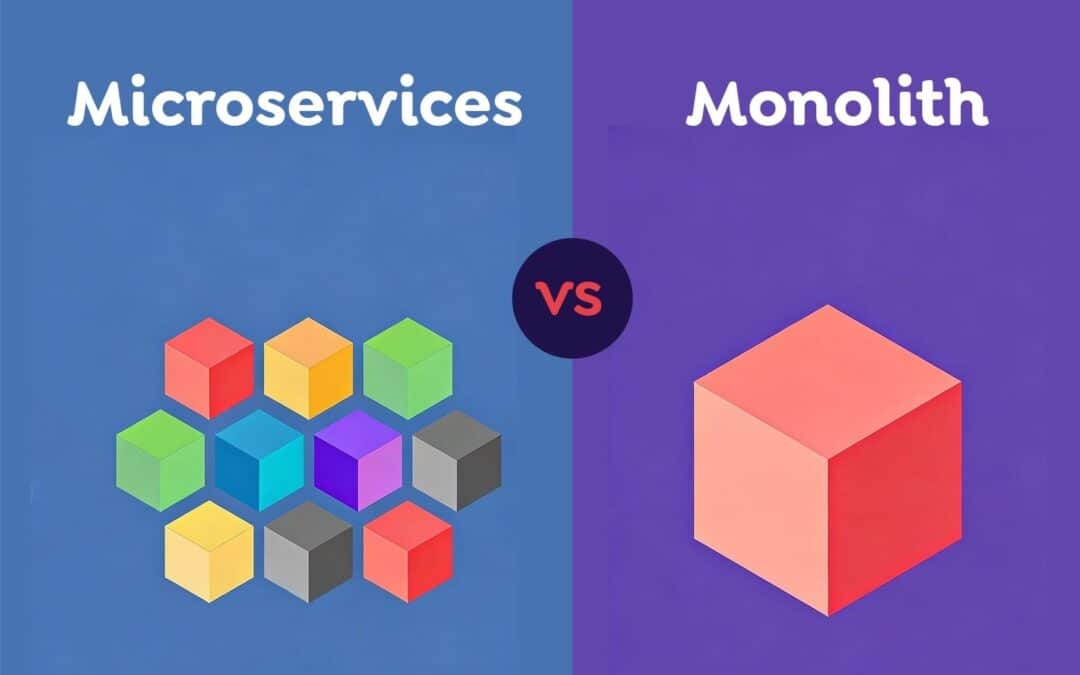
Choosing the right foundation often defines how far a SaaS product can grow. The debate around microservices vs monolith architecture continues to shape modern product decisions, especially for teams planning long-term scale. Each model represents a distinct approach to software architecture, influencing how teams build, deploy, and evolve applications over time.
Early-stage products often prioritize speed and simplicity, while growing platforms demand flexibility and resilience. These needs directly affect software development workflows, infrastructure choices, and team collaboration. From a software engineering perspective, architectural decisions also impact maintenance effort, release velocity, and system reliability. Understanding how these two approaches differ helps SaaS teams align technical choices with business goals, growth plans, and operational realities before complexity becomes difficult to reverse.
What Is Microservices Architecture?
Microservices architecture is a software design approach where applications are built as a collection of independent services rather than a single unit. Each service focuses on a specific function, which supports faster microservices development and easier updates. In microservices applications, multiple microservices operate together while remaining isolated from one another.
These independent services run as independently deployable services, allowing teams to release changes without affecting the entire system. A cloud-based microservices architecture commonly supports this model by enabling scalable infrastructure. Built on distributed systems and distributed architectures, microservices rely on loose coupling to improve resilience, flexibility, and long term scalability for growing SaaS products.
What Is Monolith Architecture?
Monolith architecture is a software design approach where the entire application is built and deployed as a single unit. In monolithic architecture, all components such as user interface, business logic, and data access, remain closely connected. Monolithic architecture software follows a traditional software development model that emphasizes simplicity and centralized control.
Monolithic applications run as one cohesive codebase, which makes development and deployment straightforward during early stages. These monolithic systems are tightly coupled, meaning changes in one area often affect the whole system. While monolith applications simplify initial setup, scaling or modifying a single unit becomes challenging as complexity increases.
Comparison Table: Monolithic vs Microservices Architecture
Dimension
Monolithic Architecture
Microservices Architecture
Architectural Style
Single application built and deployed as one unit
Application composed of multiple independent services
Code Structure
One shared codebase for all features
Separate codebases for individual services
Deployment
Entire system deployed together
Each service deployed independently
Scalability
Scales the entire application at once
Scales individual services based on demand
Development Model
Centralized development approach
Decentralized, team-based development
Release Frequency
Slower releases as system grows
Faster and frequent releases
Fault Isolation
Failures affect the whole system
Failures isolated to specific services
Technology Choice
Limited technology flexibility
Different technologies per service
Data Management
Shared database across the system
Service-specific data ownership
Maintenance Effort
Easier initially, harder over time
More complex initially, easier at scale
Testing
Simpler test setup
Requires advanced testing strategies
Monitoring
Basic monitoring sufficient
Requires distributed monitoring tools
Best Use Case
Small or early-stage applications
Large, complex, and scalable systems
Key Differences
Simplicity and speed early on
Flexibility and resilience long term
Key Differences Between Microservices And Monolith
Architectural decisions influence scalability, speed, and resilience in SaaS products. Comparing microservices and monolith models reveals how structure, deployment, and ownership affect growth, maintenance, and long-term business outcomes.
Structure Of The System
Monolith architecture organizes the entire application as a single unit. All modules operate together inside the entire monolith, sharing resources and dependencies. Changes in one area often ripple across the whole system, increasing coordination effort.
Microservices divide functionality into smaller units. Instead of one entire system, teams manage independent components that work together. Clear separation allows evolution without forcing changes across all the services at once.
Deployment And Release Impact
Deployments in a monolith require redeploying the entire application. Even small updates demand full testing and release cycles, which slows delivery and raises operational risk.
Microservices support independent deployments. Teams release updates without touching unrelated services, enabling faster iteration and safer rollouts. Release scope stays limited to what actually changes.
Failure Scope And Stability
Failures inside monolith environments affect the whole system. A defect in one module can disrupt unrelated features, causing widespread downtime and customer impact.
Microservices isolate failures. When one service encounters issues, others remain operational. Fault containment improves reliability and protects user experience during partial outages.
Business Logic Organization
Monolithic systems centralize business logic in shared layers. Over time, dependencies increase and changes become risky because logic intertwines across features.
Microservices allow each service to maintain its own business logic. Ownership stays clear, boundaries remain explicit, and teams update logic without unintended side effects elsewhere.
Scalability And Resource Use
Scaling monoliths requires duplicating the entire system, even when only one feature needs more capacity. Resource usage often becomes inefficient as traffic patterns vary.
Microservices scale by service. Teams allocate resources precisely to high-demand components, supporting new business capabilities without inflating infrastructure costs across the whole system.
Development Ownership And Speed
Monolithic development relies on shared codebases. Coordination overhead increases as teams grow, slowing development speed and complicating collaboration.
Microservices enable independent development. Teams work in parallel on individual services, accelerating delivery and reducing bottlenecks. Faster experimentation becomes achievable without cross-team dependency.
Evolution And Long-Term Fit
Monolith architecture suits early products with limited scope and simple requirements. Over time, adapting the entire application to new demands becomes increasingly complex.
Microservices align with evolving products. Distributed designs support changing requirements, growing teams, and expanding domains while preserving flexibility and operational control.
Understanding these differences helps SaaS teams choose an approach that matches current needs and future scale without unnecessary tradeoffs.
Pros & Cons Of Microservices Architecture
Microservices architecture offers flexibility and scalability, but it also introduces operational challenges. Understanding both sides helps SaaS teams decide whether this approach fits their product stage and organizational maturity.
Pros Of Microservices Architecture
Independent Scalability: Each service scales on demand without scaling the entire system. This approach improves performance efficiency and cost control for growing products.
Faster And Safer Deployments: Teams deploy services independently, which reduces release risk. Updates ship faster without waiting for full system coordination.
Clear Service Ownership: Well-defined service boundaries support team autonomy. Teams manage their own services, roadmaps, and priorities with minimal dependency.
Better Fault Isolation: Failures stay contained within a service. Issues do not automatically impact the entire platform, which improves reliability and uptime.
Technology Flexibility: Different services can use different tools or languages. Teams choose the best technology for specific problems without system-wide constraints.
Cons Of Microservices Architecture
Higher Operational Complexity: Managing multiple services increases infrastructure, monitoring, and deployment complexity. Tooling and expertise become mandatory rather than optional.
Challenging Debugging And Testing: Distributed systems make tracing issues harder. Testing across services requires advanced strategies and environments.
Increased Infrastructure Cost: Running many services often costs more than a single application. Resource overhead grows with scale and traffic.
Steeper Learning Curve: Teams need experience with distributed systems, deployment automation, and observability. Without maturity, complexity overwhelms productivity.
Data Consistency Challenges: Each service owns its data, which complicates transactions and reporting. Poor design leads to synchronization issues.
Microservices architecture excels for large, evolving SaaS platforms with strong engineering discipline. For smaller or early-stage teams, the added complexity may outweigh the benefits until scale truly demands it.
Pros & Cons Of Monolith Architecture
Monolith architecture remains a popular choice for many SaaS products, especially during early stages. It offers simplicity and speed but also introduces limitations as systems grow and requirements become more complex.
Pros Of Monolith Architecture
Simple Development And Deployment: Monolith architecture packages the entire application into a single deployable unit. This simplicity makes development straightforward and reduces setup complexity. Teams build, test, and deploy one codebase, which speeds up early delivery.
Faster Initial Development: Centralized code allows teams to move quickly. Fewer moving parts mean fewer integration concerns, making monoliths ideal for MVPs and early-stage products.
Easier Testing And Debugging: Testing remains simpler because everything runs in one environment. Debugging issues requires less tooling compared to distributed systems, helping teams resolve problems faster.
Lower Operational Overhead: Infrastructure needs remain minimal. Teams avoid managing service communication, orchestration, and distributed monitoring during early growth phases.
Cons Of Monolith Architecture
Limited Scalability: Scaling requires replicating the entire application. This approach wastes resources when only one component needs additional capacity.
Tight Coupling And Complexity Growth: As features increase, the codebase becomes harder to manage. Changes in one area affect others, increasing regression risk.
Slower Releases Over Time: Release cycles slow as coordination increases. Small changes require full testing and deployment, reducing agility.
Risk Of Large Failures: A single issue can bring down the entire application. Fault isolation remains weak compared to distributed designs.
Monolith architecture works well for small teams and early products, but long-term scalability often demands architectural evolution.
When SaaS Teams Should Choose Monolith Architecture
Early architectural decisions shape delivery speed and operational clarity. For many SaaS teams, a monolithic approach offers practical advantages during initial stages, especially when simplicity and execution matter more than scale.
Early Stage Product Development
A monolithic approach works well during early product development when requirements remain limited. Building one service with a clear single function allows teams to focus on core value instead of infrastructure concerns. The primary advantage lies in reduced complexity, which keeps progress steady and predictable.
Monolithic architecture pros become clear at this stage. Teams work with fewer components, fewer dependencies, and a shared understanding of the entire system. This setup reduces coordination overhead and allows rapid iteration on product ideas.
Small Engineering Teams
Small teams benefit from a shared code base where everyone understands the system. Collaboration remains easier because developers do not manage multiple services or communication layers. Knowledge stays centralized, which reduces onboarding friction.
With one service powering the server-side application, debugging and testing remain straightforward. Teams avoid distributed tooling and focus on feature delivery instead of system orchestration or service coordination.
Need For Faster Development Cycles
Speed often determines success for early SaaS products. Monolithic systems support faster development cycles by simplifying builds, tests, and deployments. Teams release updates quickly without managing service dependencies.
Higher development speed comes from fewer integration points and less operational overhead. Changes apply to the whole system at once, which works well when feature scope remains manageable and controlled.
Limited System Complexity
When products offer focused functionality, monoliths provide a clean and effective solution. A single code base reduces architectural decisions and keeps technical debt visible and manageable.
For SaaS products with clear boundaries and stable requirements, a monolithic design supports clarity and efficiency. The simplicity of one service allows teams to deliver value quickly while postponing complexity until scale truly demands change.
When Microservices Become The Right Choice For SaaS
As SaaS products mature, architectural needs change. Microservices excel when scale, speed, and flexibility become essential for continued growth and innovation.
Rapid Product Growth And Scaling Needs
Microservices excel when a product grows beyond a single team or workload pattern. Different features demand different levels of scale, and independent deployments allow teams to release changes without coordinating across the entire system. This separation prevents bottlenecks and supports steady expansion.
As traffic increases, teams adjust resources at the service level. Scaling happens where demand exists, rather than across the whole platform.
Continuous Delivery And Deployment Requirements
Modern SaaS products rely on continuous integration to keep development moving smoothly. Microservices support continuous deployment and continuous delivery by isolating changes to specific services. Teams release improvements frequently without waiting for system-wide approval.
This approach reduces risk and shortens feedback loops. Faster releases help teams respond to market changes and customer needs quickly.
Need For Clear Ownership And Boundaries
Growing organizations require defined service boundaries. Microservices assign responsibility to teams based on function, reducing overlap and confusion. Ownership becomes clear, and accountability improves.
Clear boundaries also improve code quality. Teams focus on their domain without affecting unrelated areas, which increases long-term maintainability.
Expanding Business Capabilities
As products introduce new business capabilities, flexibility becomes critical. Microservices allow teams to add features without disrupting existing functionality. Technology flexibility supports experimentation and future growth.
This model fits SaaS platforms evolving into complex ecosystems. Microservices provide the foundation needed to innovate while maintaining operational stability.
How Gain HQ Support Product Teams Managing Microservices And Monolith Architecture
Product teams face coordination challenges as systems grow. Gain HQ helps teams maintain clarity, visibility, and control while supporting modern and traditional architectures across planning, execution, and delivery workflows.
Centralized Visibility Across Services And Systems
Gain HQ supports teams managing multiple services by providing a unified view of work across architectures. Whether teams handle individual services or a single unit, product visibility stays consistent. This approach helps teams understand how individual components and each software component contribute to delivery goals.
Clear oversight allows teams to coordinate specific services without losing sight of other services or dependencies tied to the entire system. This clarity reduces confusion during planning and execution.
Better Monitoring And Operational Awareness
As systems evolve, observability becomes essential. Gain HQ complements monitoring tools by helping teams track ownership, progress, and outcomes tied to architectural work. A central logging system supports awareness when issues span across teams and workflows.
Clear visibility improves fault isolation by helping teams identify where problems originate and how they affect delivery priorities, timelines, and customer impact.
Structured Support For Architecture Evolution
Transitioning from legacy systems requires careful planning. Gain HQ supports the migration process by aligning product work with technical milestones. Teams define a clear migration strategy while maintaining delivery momentum.
This structure helps teams manage risk when separating a single unit into scalable services. Product leaders maintain alignment as systems evolve without disrupting ongoing development.
Flexible Collaboration For Growing And Small Teams
Gain HQ adapts to both small teams and larger organizations. Teams track work tied to new features, coordinate data exchange needs, and manage dependencies without architectural bias.
Whether teams support monolith or microservices, Gain HQ provides structure that scales with growth. Product teams maintain alignment, reduce friction, and deliver value consistently as systems and organizations evolve.
FAQs
How Monolithic And Microservices Architecture Affect The Development Process
Monolithic and microservices architectures shape the development process in different ways. Monoliths follow a centralized workflow where changes move through one pipeline, while microservices allow parallel development across teams with independent release cycles.
Which Architecture Better Supports Core Functionality
Core functionality often develops faster in a monolithic setup because everything lives in one place. Microservices separate core features into services, which improves flexibility but requires stronger coordination to maintain consistency.
Does Programming Language Choice Matter In Architecture Decisions
Yes. Monolithic systems usually rely on a single programming language across the application. Microservices allow teams to select different languages per service, which supports flexibility but increases operational complexity.
How Technology Stack Differs Between Monolith And Microservices
A monolith typically uses one shared technology stack for the entire application. Microservices introduce multiple stacks, enabling optimization per service but requiring expertise across tools, frameworks, and infrastructure.
Which Architecture Handles Complex Applications Better
Complex applications often benefit from microservices because functionality splits into manageable services. Monoliths handle complexity early on, but as features grow, tightly connected components become harder to maintain and scale.
Modern SaaS projects require stable architecture, scalable systems, and development habits that keep teams aligned as products grow. As systems expand, software engineering becomes more complex and demands clearer communication across teams. Software development evolves quickly, too, with new programming languages and shifting expectations influencing how products are built.
Teams need methods that reduce confusion and make coding practices easier to follow across contributors. This is where coding best practices start to matter, helping developers apply the following techniques that keep code understandable and prevent unnecessary work. These practices form an essential part of facilitating collaboration and building SaaS products that remain reliable as they scale.
What Is Coding In Development?
Coding in development refers to the process of writing code that defines how software behaves, how features work, and how users interact with a system. A software developer writes instructions using specific data types and logical patterns to shape the overall code structure. This initial code becomes the foundation for program execution, guiding how the application handles decisions, calculations, and user inputs. Coding also determines the code’s functionality across different aspects of the product, ensuring everything responds correctly for end users. When done well, it creates clear logic that supports stable and predictable behavior as the software grows.
Why Coding Is A Must For SaaS Projects?
Good coding practices shape every SaaS product’s success. Strong software engineering improves software quality, maintainable code, reduces errors, faster development, better stability, increases security, and promotes long-term scalability across modern platforms.
Strong Product Reliability
Reliable SaaS products depend on solid software engineering that keeps the foundation clean and consistent. Maintainable code improves software quality by making each module clear, predictable, and easier to refine. When the structure is stable, reducing errors becomes simpler because developers avoid hidden logic and unclear patterns. Strong reliability grows when teams follow proper standards, document decisions effectively, and ensure every function behaves as expected. This gives users a dependable product that performs consistently as features evolve.
Faster Feature Delivery
Fast feature development becomes possible when teams commit to clean coding practices. Organized code structures allow developers to add new features quickly without harming the existing system. Following techniques like modular coding, proper documentation, and simple logic reduces delays and unnecessary revisions. Software development flows faster because developers spend less time untangling old code and more time building improvements. These habits help teams respond to customer demands quickly and push updates at a steady pace.
Better System Stability
System stability improves when engineers focus on error handling and defensive coding. Strong and proper error handling prevents crashes, unintended behavior, and user-facing problems. Clear logic helps identify issues early, allowing the system to recover smoothly instead of failing unexpectedly. When teams prioritize predictable flow control and proactive debugging, the platform stays stable even under heavy usage. A stable codebase keeps performance consistent and reduces disruption for users.
Higher Security Standards
High security comes from secure coding habits that protect sensitive data and remove security vulnerabilities. Developers who integrate security and privacy considerations into their workflow build stronger defenses across the stack. Validating inputs, sanitizing data, and limiting access reduce the chances of attacks. Secure coding prevents leaks and ensures users can trust the platform. This approach safeguards critical information and keeps the SaaS environment compliant with modern standards.
Smooth Long-Term Scaling
Smooth scaling depends on scalable code written to handle future growth. SaaS products evolve and must support diverse coding styles, different aspects of integration, and heavy program execution. Clean architecture allows the system to expand without slowing down. When developers plan the structure carefully, adding new modules or increasing load becomes straightforward. Scalable code ensures the platform stays flexible, efficient, and ready for long-term expansion as user demand increases.
10 Coding Best Practices For Scalable SaaS Projects
Good coding habits make SaaS platforms scalable, maintainable, and predictable. Strong structure, clarity, and thoughtful engineering choices reduce errors, improve collaboration, and keep performance smooth as the product grows over time.
1. Write Clean And Consistent Code
Clean and consistent code creates a strong foundation for any scalable SaaS project. Developers should follow uniform formatting rules so every file feels familiar and predictable. Using clear indentation, proper line breaks, and consistent capital letters improves readability immediately. When the whole team writes code in a similar style, collaboration becomes easier because no one wastes time deciphering confusing patterns. Clean code also reduces bugs by making logical flows simple to follow.
It lowers cognitive load for new developers joining the project, helping them understand structures quickly. A consistent style ensures debugging, refactoring, and extending features remain smooth. Over time, this disciplined approach increases software reliability and helps the entire system scale without becoming messy or unstable.
2. Keep Functions Simple And Purposeful
Functions work best when they follow the single responsibility principle. Each function should perform one clear task instead of combining multiple unrelated operations. Keeping functions simple makes the code’s purpose easier to understand and reduces the risk of accidental side effects. Meaningful names help developers grasp intent instantly, improving readability across the entire codebase. When functions stay small and focused, modifying logic becomes safer because fewer dependencies exist.
This structure also strengthens testing, as isolated behaviors are easier to validate. A collection of simple, well-defined functions creates a predictable and maintainable system. As your SaaS platform grows, these focused components prevent complexity from spreading and allow the development team to scale efficiently without losing clarity.
3. Use Modular And Reusable Components
Modular and reusable components form the backbone of scalable SaaS architecture. Breaking the system into small, independent modules keeps the code structure organized and adaptable. Reusable code reduces duplication and strengthens consistency across similar features. Well-designed components work together seamlessly through clear interfaces, making updates and enhancements easier to implement.
Strong data structures and modular patterns ensure new features can integrate smoothly without rewriting foundational logic. This approach accelerates development because teams can reuse proven solutions instead of building everything from scratch. Modular design also supports long-term maintainability by reducing technical debt and keeping the architecture flexible. As the product grows, this structure allows for reliable expansion and supports ongoing performance demands.
4. Follow Clear Naming Conventions
Clear naming conventions help developers understand code faster and keep the entire system predictable as it expands. Using descriptive names for variables, functions, and modules reduces confusion across teams. Variable names should clearly represent their purpose so future developers do not waste time guessing their meaning.
Different naming conventions like camelCase, PascalCase, or snake_case must be used consistently throughout the project. When everyone follows the same rules, code reviews move faster, onboarding becomes smoother, and debugging becomes less stressful. Strong naming habits also prevent accidental misuse of variables because the intent is always visible. In a growing SaaS codebase, clarity is essential for long-term maintainability, and consistent naming plays a major role in achieving it.
5. Apply Strong Version Control Discipline
Strong version control discipline is essential for managing large and evolving SaaS projects. Version control systems track every change, allowing developers to understand the history behind each decision and restore previous versions when necessary. This reduces risk during experimentation or refactoring because nothing gets lost.
Proper branching strategies help teams collaborate efficiently by keeping new work isolated from the production-ready code. Detailed commit messages explain the purpose of each update, making it easier to review progress and identify potential issues. When developers follow consistent practices, code changes become easier to manage, conflicts become simpler to resolve, and release cycles remain stable. Disciplined version control ensures smooth teamwork and long-term maintainability.
6. Test Code Early And Frequently
Testing code early and frequently helps prevent bugs before they reach production. Tests written at the right time validate both normal flow and edge cases, ensuring the system behaves correctly in real-world situations. Early testing catches issues when they are easier and cheaper to fix. Frequent testing provides continuous feedback as features evolve, reducing the risk of unexpected failures.
Writing tests that cover critical logic ensures long-term stability and makes refactoring safer because developers know instantly if something breaks. Regular testing also improves confidence during deployments and supports faster, more reliable release cycles. A consistent testing culture strengthens product quality, keeps development predictable, and protects the SaaS platform from disruptive errors.
7. Prioritize Security From Day One
Security must be built into the SaaS development process from the very beginning. Developers should sanitize user inputs carefully and enforce strict input validation to prevent harmful data from entering the system. Secure coding habits reduce vulnerabilities that attackers often exploit. When teams treat every piece of user input as untrusted, they automatically create safer logic and stronger boundaries.
Early attention to security removes costly risks later and protects both user data and platform integrity. Consistent validation, access control checks, and cautious handling of sensitive operations help maintain trust. Prioritizing security from the start keeps the system resilient as it grows and ensures every new feature aligns with strong, reliable protection standards.
8. Optimize Code For Performance
Optimizing code for performance keeps the platform responsive and scalable as usage increases. Efficient code ensures faster execution and reduces unnecessary strain on servers, which helps maintain predictable performance during peak activity. When developers follow techniques that make code easier to manage and avoid patterns that make code harder to debug or scale, the entire system benefits.
Performance optimization also helps reduce the total price associated with infrastructure because resources are used more effectively. Clean logic, minimized repetition, lightweight operations, and smart data handling all contribute to a smoother user experience. Thinking about performance early ensures the product can grow without slowing down or becoming unstable.
9. Document Logic And Decisions Clearly
Clear documentation helps every developer understand the system quickly, reducing confusion and mistakes. Proper documentation explains why decisions were made, not just what the code does. Readme files outline project structure, setup instructions, and key concepts, while well-placed comments guide developers through important logic steps. Documenting workflows, APIs, and architectural choices ensures other developers can continue work smoothly without guessing intentions.
Good documentation also speeds up onboarding and reduces dependency on specific team members. When logic is clearly written down, future updates become easier, safer, and more predictable. Strong documentation supports long-term maintainability and keeps the SaaS platform organized as it grows.
10. Review Code Collaboratively And Regularly
Collaborative code review strengthens product quality and encourages continuous knowledge sharing. Regular reviews help teams catch issues early, refine ideas, and follow consistent standards across the entire codebase. Many open source projects succeed because they embrace collective oversight, setting a strong example for SaaS teams.
Reviews facilitate collaboration by allowing developers to suggest improvements, point out risks, and learn from each other’s approaches. This process prevents technical debt, enforces best practices, and keeps the system aligned with long-term goals. When code is reviewed regularly, reliability increases and development becomes smoother, faster, and more predictable for everyone involved.
Common Coding Challenges For Scalable SaaS Projects
SaaS platforms grow quickly, and developers face challenges that impact scalability, performance, and long-term stability. Clear structure, strong coding practices, and smart engineering choices help teams stay organized while keeping products reliable for end users.
Handling Rapid Feature Growth
As SaaS products expand, writing code that supports rapid feature growth becomes a major challenge. Developers must follow best practices that keep the structure clean, predictable, and adaptable. Programming languages offer flexibility, but without strict coding guidelines, the codebase becomes messy and difficult to extend. Clear patterns, reusable logic, and consistent formatting help the platform evolve without breaking existing features. When teams write features with scalability in mind, future updates become easier. Strong planning ensures rapid growth does not introduce unnecessary complexity or slow down development velocity.
Managing Complex Integrations
Complex integrations introduce challenges for maintaining clear code functionality and stable code structure. Different naming conventions across external systems can confuse if not standardized internally. Developers must ensure modules communicate smoothly while staying readable. Proper interfaces, predictable logic flows, and consistent formatting make integrations less fragile. When the structure is clean, adding new services or APIs becomes easier and safer. Clear abstractions prevent the platform from becoming dependent on unpredictable external patterns, helping the SaaS system stay stable and scalable.
Maintaining Code Quality Over Time
Long-term projects struggle when the same code becomes cluttered after years of updates. Maintaining a consistent coding style ensures everyone follows the same coding conventions, keeping maintainable code at the center of the development process. Regular refactoring, detailed reviews, and proper documentation help stop quality from degrading. As the product grows, small inconsistencies add up, so developers must review frequently and enforce standards. High-quality code reduces bugs, simplifies onboarding, and supports smoother scalability. Strong habits preserve clarity even as the system becomes more complex.
Scaling Architecture Efficiently
Efficient architecture scaling requires careful planning around data types, workflow logic, and how each module performs its single task. Developers must keep the code’s purpose clear while ensuring components remain lightweight and extendable. When architecture grows chaotically, performance drops and updates become risky. By choosing the right patterns, storing data efficiently, and keeping modules independent, the system scales smoothly. This approach helps maintain predictable normal flow under heavy traffic while supporting future features without major rework.
Keeping Security Risks Low
Security becomes harder to manage as the system grows. Developers must handle errors responsibly using structured exception handling so failures never expose sensitive information. Using a finally block to clean up operations helps prevent lingering errors that attackers may exploit. Strong input validation, safe logic, and predictable data handling reduce vulnerabilities. Secure habits must remain consistent in every update to ensure the platform stays protected. Early detection and strict validation help keep risks low while maintaining performance and reliability.
Onboarding Developers Smoothly
As teams grow, onboarding each software developer becomes more challenging. Most programming languages offer flexibility, but without strong standards, new contributors struggle to understand the system. Clear structure, consistent practices, and good documentation help developers learn quickly. When the environment is predictable, new team members contribute efficiently without risking errors. Strong onboarding also improves collaboration and helps teams deliver better experiences for end users. A well-organized codebase ensures smooth transitions and long-term development success.
How GainHQ Helps Businesses By Applying Coding Best Practices
GainHQ supports modern businesses by strengthening the foundation of their software through clear, scalable, and reliable coding practices. This approach improves performance, reduces long-term risk, and ensures every product grows smoothly with customer demand.
Strong Technical Foundation For Growth
GainHQ builds software with clean and consistent coding habits that keep products stable over time. By following structured formatting, logical organization, and maintainable patterns, the platform ensures every feature behaves predictably. This reduces bugs, enhances performance, and makes future development easier. A strong technical foundation keeps systems flexible, allowing businesses to evolve without worrying about hidden issues or unstable components. This disciplined structure gives teams confidence as their workloads increase.
Faster Development And Feature Delivery
GainHQ uses modular, reusable, and purposeful code to keep development efficient. Clear boundaries between components allow teams to build new features quickly without disrupting existing functionality. Meaningful names, simple functions, and organized code structures make collaboration smoother across developers. This reduces delays, prevents confusion, and accelerates release cycles. Faster development means businesses can respond to customer needs rapidly while maintaining stable operations.
Higher Security And Reliability
Security is integrated from the first line of code. GainHQ applies strong input validation, careful handling of user interactions, and defensive coding to reduce vulnerabilities. Proper error handling ensures the platform recovers gracefully from unexpected situations and prevents system crashes. This proactive mindset protects sensitive data and keeps the environment stable for every user. Reliable engineering strengthens trust and keeps business operations smooth and uninterrupted.
Smooth Long-Term Scalability
GainHQ designs architecture with scalability in mind, ensuring the system handles higher traffic, more modules, and complex workflows without performance issues. Components are structured to support future expansion, and data flows are optimized for efficiency. This forward-thinking approach helps businesses grow continuously without rewriting core logic. Scalable code supports new integrations, evolving features, and increasing user demands, making long-term success easier to achieve.
FAQs
Why Do Coding Best Practices Matter For SaaS Projects?
Coding best practices keep SaaS platforms stable, predictable, and easy to maintain. They reduce bugs, prevent hidden issues, and make future updates smoother. Clean structure, consistent formatting, and clear logic help teams move faster without creating technical debt. Over time, these habits protect performance and support long-term product growth.
How Do Good Coding Habits Improve Development Speed?
Clean code, simple functions, and reusable components help developers understand the system quickly. When the structure is predictable, teams can build new features without breaking existing ones. Strong habits reduce rework, shorten release cycles, and make development more efficient. This leads to faster updates and more responsive product improvements.
What Security Advantages Come From Following Proper Coding Standards?
Secure coding reduces vulnerabilities by validating inputs, avoiding unsafe patterns, and handling errors properly. These habits protect sensitive data and prevent common attack vectors. Strong coding discipline lowers the risk of breaches, strengthens trust, and keeps the platform safe for all users. Early security awareness avoids costly issues later.
How Do Coding Guidelines Support Long-Term Scalability?
Clear patterns, maintainable code, and well-structured modules allow the system to grow naturally. When the architecture is organized, new features or increased traffic do not disrupt performance. Scalable coding habits prevent bottlenecks, improve flexibility, and keep complex workflows manageable. This ensures the platform evolves smoothly as demand increases.
How Do Coding Standards Help Onboard New Developers Faster?
When the codebase follows consistent conventions, new developers understand it more quickly. Clear naming, organized folders, and meaningful comments reduce confusion and speed up learning. This helps new team members contribute sooner, make fewer mistakes, and collaborate effectively. Strong standards create a predictable environment that supports productive onboarding.
Digital transformation strategy has become the lifeblood of business development in today’s faster-changing world. Organizations worldwide are embracing digital transformation – about 90 percent of them are going through some form of it. The failure rate of corporate organizational change projects remains between 60% to 70%. This contrast emphasizes why businesses need a well-laid-out framework to succeed.
C-suite executives now oversee 90% of digital transformation initiatives. This leadership involvement shows how crucial these efforts have become. Businesses continue to pour money into digital transformation. Global spending will likely hit $3.9 trillion in 2027. Companies need a proven framework that lines up technology investments with business objectives to create an effective digital transformation strategy roadmap.
We will explore the key steps and elements of a digital transformation strategy framework in this article. Our focus stays on driving real business value rather than implementing technology without purpose.
What Is Digital Transformation
Digital transformation reshapes business operations, value creation, and customer experience in the digital age. A digital transformation strategy aligns business strategy with digital technologies to meet evolving customer demands and deliver measurable business outcomes. Successful digital transformation depends on a compelling vision, clear digital transformation goals, and a strategic framework that guides technology implementation, cultural shift, and business model innovation across value chains.
A successful digital transformation strategy treats change as an ongoing process, not a one-time upgrade. Business leaders prioritize transformation initiatives, leverage technology such as cloud computing, artificial intelligence, and machine learning, and use data-driven insights and key performance indicators to track digital transformation success. Strong communication strategy, cross-functional collaboration, agile mindset, and continuous improvement help organizations seeking competitive advantage achieve operational efficiency, cost savings, and higher customer satisfaction throughout the digital transformation journey.
Why Digital Transformation Strategy Is Important In 2026
Digital transformation strategy plays a decisive role in how organizations respond to disruption, scale efficiently, and deliver lasting business value in 2026. As technology, customer expectations, and industry trends evolve rapidly, a strategic digital transformation approach helps businesses stay resilient, competitive, and future-ready.
Market Disruption And Competitive Pressure
Market disruption continues to redefine the global business landscape in 2026. New technologies, fintech models, platform economies, and digital-first competitors place constant pressure on existing business models. Organizations without a clear digital transformation strategy struggle to respond to shifting customer demands and rapid technological innovation. Strategic digital transformation allows business leaders to reassess existing processes, adopt digital tools, and realign business priorities around value creation and customer experience.
A successful digital transformation strategy enables companies to disrupt their own operating model before competitors do. By focusing resources on high-impact transformation initiatives, organizations gain a competitive advantage, protect market share, and position themselves for sustainable growth in volatile environments.
Agility And Business Resilience
Agility has become a core requirement for business survival. Digital transformation efforts help organizations respond quickly to uncertainty, economic shifts, and operational risks. Cloud computing, automation, and data-driven insights allow faster decision-making and stronger risk management across business operations. A well-defined transformation strategy creates flexibility without sacrificing control or security measures.
Organizations with mature digital transformation initiatives recover faster from disruptions and maintain continuity during crises. Cross-functional collaboration, agile mindset, and iterative development strengthen resilience over time. In 2026, agility supported by digital solutions separates stable organizations from those struggling to adapt.
Long-Term Business Value Creation
Digital transformation strategy directly influences long-term business value. Research revealed that digitally mature organizations achieve stronger financial performance, operational efficiency, and customer satisfaction. Digital technologies support business model innovation, improve value chains, and unlock new revenue streams across industries.
Strategic digital transformation focuses on measurable business outcomes rather than isolated technology implementation. Business leaders track key performance indicators to align digital transformation goals with growth, cost savings, and customer loyalty. This approach ensures transformation efforts support sustainable value creation instead of short-term optimization.
Customer Expectations And Experience
Customer expectations continue to rise in the digital age. Customers demand seamless experiences, personalized interactions, and consistent service across every touchpoint. Digital transformation initiatives allow organizations to redesign the customer journey using data-driven insights, artificial intelligence, and emerging technologies.
A successful digital transformation strategy places customer experience at the center of business strategy. Digital tools enable faster feedback loops, improved communication strategies, and better alignment between products and customer demands. Organizations that prioritize customer satisfaction through digital solutions strengthen trust, loyalty, and long-term business value.
Strategic Alignment And Future Readiness
A digital transformation strategy provides a strategic framework for aligning technology, people, and business priorities. It supports better resource allocation, clearer development process, and stronger buy-in from a diverse group across human resources and leadership teams. Without alignment, transformation initiatives often fail to scale.
In 2026, future readiness depends on continuous improvement and ongoing process refinement. Strategic digital transformation equips organizations seeking growth with new capabilities, scalable operating models, and innovative solutions. This alignment ensures technological advancements translate into real business transformation and lasting competitive strength.
Role Of Leadership In Digital Transformation Strategy Success
Leadership determines whether the digital transformation strategy delivers real business outcomes or stalls at execution. In 2026, successful digital transformation depends on visible leadership commitment, clear direction, and the ability to align people, technology, and business priorities around a shared vision.
Executive Ownership And Accountability
Executive ownership ensures the digital transformation strategy remains tied to the business strategy and value creation. CEOs and C-suite leaders set priorities, define digital transformation goals, and maintain focus on measurable business outcomes. When leadership treats digital transformation as a core responsibility, organizations gain clarity and momentum.
Shared accountability across executive roles strengthens alignment between technology investment, financial discipline, and strategic intent. Leadership involvement signals importance across the organization and builds buy-in. Digital transformation success increases when executives actively guide decisions rather than delegating responsibility.
Strategic Direction And Vision
Strategic direction provides stability during business transformation. Leaders articulate a compelling vision that explains why digital transformation matters and how it supports long-term business value. Clear vision helps teams understand priorities and reduces resistance during change.
Vision connects transformation initiatives to customer experience, operational efficiency, and competitive advantage. Business leaders use strategic frameworks and key performance indicators to translate vision into action. Strong direction keeps digital transformation efforts aligned despite evolving technologies and market shifts.
Culture And Innovation Mindset
Culture shapes the pace and success of digital transformation. Leadership fosters an environment that values experimentation, learning, and continuous improvement. Innovation culture supports agility and resilience across business operations.
Organizations with a strong innovation mindset encourage risk awareness rather than risk avoidance. Leadership recognition of progress builds confidence and participation. Cultural alignment ensures digital tools and emerging technologies support people and processes instead of creating friction during transformation efforts.
Empowered Teams And Capability Growth
Empowered teams drive sustainable digital transformation. Leaders provide autonomy, resources, and skill development opportunities to support new capabilities. A clear communication strategy helps teams understand how transformation affects roles and workflows.
Capability growth supports the adoption of digital solutions and technological advancements. Leadership investment in learning builds confidence and readiness across human resources. Organizations that empower teams achieve stronger engagement, faster execution, and higher digital transformation success rates.
Change Champions And Alignment
Change champions extend leadership influence across the organization. Leaders identify advocates who guide transformation initiatives at multiple levels. These champions reinforce alignment between business priorities and daily execution.
Alignment improves when leaders explain the transformation impact clearly and consistently. Ongoing communication and feedback strengthen trust and reduce uncertainty. Organizations that build strong change networks maintain momentum and achieve lasting digital transformation success across the business landscape.
Core Elements Of A Successful Digital Transformation Strategy
A successful digital transformation strategy brings structure, clarity, and focus to complex change efforts. In 2026, organizations need a balanced mix of strategic intent, technology alignment, and cultural readiness to turn digital transformation initiatives into measurable business value.
Clear Business Objectives
Clear business objectives form the foundation of any successful digital transformation strategy. Organizations must define outcomes that support business strategy, value creation, and competitive advantage. Without precise goals, digital transformation efforts often drift toward disconnected technology stacks that fail to impact core business operations or customer experience.
Well-defined objectives align the transformation strategy with business priorities such as operational efficiency, business model innovation, and improved customer satisfaction. Business leaders rely on key performance indicators to measure progress and guide resource allocation. Clear objectives ensure every digital solution contributes directly to business outcomes and long-term digital transformation success.
Cross-Functional Collaboration
Cross-functional collaboration ensures digital transformation initiatives move beyond isolated departments. Digital transformation affects human resources, operations, technology teams, and customer-facing units. A shared understanding across a diverse group strengthens alignment between business processes and technology implementation.
Organizations that promote collaboration build stronger buy-in and accelerate decision-making. Business leaders encourage communication strategy, shared ownership, and joint accountability across teams. This approach supports continuous improvement and helps digital transformation efforts scale effectively across the operating model without creating new silos.
Technology And Data Alignment
Technology and data alignment connect digital tools with real business needs. Strategic digital transformation requires seamless integration of cloud computing, artificial intelligence, machine learning, and emerging technologies across existing processes. Poor alignment often limits business value and delays transformation goals.
Organizations that unify data sources gain data-driven insights that guide business transformation and risk management. A strong alignment between digital technologies and business priorities supports technological innovation while protecting security measures. This clarity allows organizations seeking growth to focus resources on high-impact transformation initiatives.
Customer Focus And Experience
Customer focus defines digital transformation success in the digital age. Customer expectations demand personalized, consistent, and frictionless experiences across every touchpoint. Digital transformation initiatives redesign the customer journey by leveraging technology and customer feedback.
A successful digital transformation strategy embeds customer experience into business operations and business model design. Digital solutions improve communication, strengthen relationships, and increase customer satisfaction. Organizations that prioritize customer demands achieve stronger loyalty, higher retention, and measurable business outcomes tied to long-term value creation.
Scalable Digital Infrastructure
Scalable digital infrastructure supports growth, resilience, and future initiatives. Cloud computing, modular systems, and flexible architectures allow organizations to adapt without disrupting existing operations. A scalable foundation ensures digital transformation efforts remain sustainable as the business landscape evolves.
Infrastructure decisions must align with transformation goals, resource allocation, and security requirements. Business leaders focus on greater efficiency, cost savings, and new capabilities rather than short-term fixes. This approach prepares organizations for continuous transformation and long-term competitive strength.
How Digital Transformation Strategy Aligns Technology With Business Goals
A digital transformation strategy creates a clear link between technology investment and business priorities. In 2026, organizations must align digital initiatives with measurable outcomes to ensure technology implementation delivers business value, competitive advantage, and long-term growth.
Business Goals First
Business goals guide every successful digital transformation strategy. Technology decisions must support core objectives such as revenue growth, operational efficiency, customer satisfaction, or market expansion. When business strategy drives digital transformation efforts, organizations avoid fragmented initiatives that fail to influence real business outcomes.
Clear alignment helps business leaders prioritize initiatives based on impact rather than trend adoption. A strong transformation strategy connects digital tools to business processes, value creation, and customer experience. This approach ensures technology serves the broader business model instead of becoming an isolated investment.
Strategic Roadmaps And Priorities
Strategic roadmaps translate vision into execution. Effective digital transformation roadmaps outline how digital solutions build new capabilities over time while supporting business priorities. Each initiative connects to defined outcomes, budgets, and key performance indicators.
Organizations that rely on structured roadmaps experience stronger digital transformation success. Roadmaps allow leadership teams to compare scenarios, manage risk, and focus resources on initiatives with the highest return. This clarity helps organizations adapt to industry trends without losing strategic direction.
Data Driven Decision Making
Data-driven insights play a central role in strategic digital transformation. Organizations use analytics, artificial intelligence, and machine learning to guide decisions across business operations. Reliable data supports better forecasting, customer understanding, and risk management.
Successful digital transformation initiatives balance historical data with real-time insights. This combination allows business leaders to respond quickly to market changes while supporting long-term planning. Data alignment ensures technology investments directly influence business outcomes rather than producing unused information.
Process And People Alignment
Process and people alignment determine technology adoption success. Digital transformation efforts fail when organizations ignore existing processes or workforce readiness. Business transformation requires the redesign of workflows before technology deployment.
Organizations that invest in change management, communication strategy, and skill development achieve stronger buy-in. Digital tools then enhance operational efficiency instead of adding complexity. This people-first approach ensures technology implementation supports daily business operations and long-term transformation goals.
Purpose Driven Technology Choices
Purpose-driven technology choices protect organizations from technology-first pitfalls. Each digital solution must address a defined business problem or opportunity. Business leaders evaluate emerging technologies based on value creation, scalability, and alignment with transformation strategy.
Clear evaluation criteria help organizations avoid unnecessary spending and adoption challenges. Purpose-driven selection ensures new technologies integrate with existing systems and support future initiatives. This disciplined approach strengthens digital transformation success and reinforces alignment between technology and business goals.
Common Challenges In Digital Transformation Strategy Adoption
The most carefully planned digital transformation strategies run into major obstacles that can throw implementation off track. Organizations can prepare better countermeasures by understanding these common challenges before they affect their success.
Resistance To Change
Resistance to change remains one of the toughest barriers to digital transformation success. Employees often resist because they’re afraid – afraid of losing their jobs, unsure about new technologies, or uncomfortable with unfamiliar systems. People naturally go back to their comfort zone with legacy systems when they don’t understand why change matters.
This resistance doesn’t always show up as direct opposition. People might just feel uncertain about change – they naturally prefer what they know. All the same, resistance can show up across an organization:
Fear of losing jobs as automation grows
Comfort with existing tools and routines
Not seeing transformation benefits clearly
Anxiety about using new technologies
Organizations need strong change management strategies to overcome resistance. These should include clear messages about why changes matter, staff involvement, and complete support systems.
Lack Of Digital Skills
The digital skills gap creates another big roadblock in transformation. Companies struggle to find talent as digital technologies evolve faster, and the number of jobs exceeds available skilled workers. Studies show that 87% of companies see skill gaps in their workforce.
Poor training makes this problem worse. Companies often run quick, one-off training sessions and expect staff to master complex tools. This leads to software going unused and frustration when issues come up.
Companies can bridge these gaps by encouraging ongoing learning. This works better than just using digital adoption platforms. The most successful organizations team up with educational institutions or run in-house training programs.
Siloed Departments
Department silos block digital transformation success. About 79% of knowledge workers say their organizations have silos, with poor communication beyond their immediate teams. These divisions limit how information flows, hurt morale, and push staff to put their department’s goals ahead of company objectives.
Digital transformation needs changes across the whole organization to work. Companies miss chances to streamline processes and innovate when these barriers stay up. The solution lies in building cross-functional teams, helping everyone understand data flows, and creating shared goals that match business needs.
Unclear ROI Metrics
Most organizations find it hard to measure their digital transformation returns. About 73% of people say they can’t define exact impacts or metrics, which makes measuring digital value difficult. Companies can’t tell if they’re using technology well or getting the results they want without clear measurements.
Success metrics should track adoption rates, active usage, feature utilization, and behavior analytics. Organizations that set clear metrics early on get stronger support from executives and face less resistance. These metrics should include both staff involvement and efficiency gains.
Steps To Build A Scalable Digital Transformation Strategy
A business needs a well-laid-out approach to create a digital transformation strategy that grows with it. Here are six key steps that will help you build a digital transformation roadmap and deliver meaningful business results.
1. Define Your Vision And Goals
Your transformation efforts need a clear vision as their guiding light. This vision must go beyond aspirations and line up with specific objectives that show what success means. Start with your company’s existing vision, mission, and values when setting these goals. Your digital transformation vision should clearly state what you want to achieve and why. This provides a strong base for the road ahead.
Set ambitious yet achievable targets tied to your investments once you have a compelling vision. These targets should include cost savings, revenue growth, better performance, and customer satisfaction.
2. Audit Current Capabilities
You need to get a full picture of your organization’s digital state before adding new technologies. Look at your current technology stack, how you handle data, digital skills, and business processes. Next, spot any gaps you need to fix before moving forward. This helps avoid major delays during implementation.
This assessment reveals strengths you can build on and weak spots you need to address. Look at your data quality and governance, how well your infrastructure can scale, and security compliance.
3. Identify Quick Wins
Start with projects that give big results with minimal effort. This builds momentum and shows value early on. Quick wins usually take 30-90 days. Companies get a chance to prove value before committing to bigger projects. Research shows that only 30% of digital transformation projects hit or exceed their targets.
Starting your strategy with quick wins helps break down resistance to change. Pick projects that show clear results in areas like customer experience or operational efficiency.
4. Build A Digital Transformation Strategy Roadmap
Your roadmap should lay out strategic moves needed to boost digital capabilities and reach business goals. Split initiatives into smaller parts and let well-organized teams lead from the front. Create waves of change that move you toward your future vision.
Make your roadmap flexible enough to change course when needed, yet structured enough to show clear direction. It must demonstrate value to both customers and the organization.
5. Choose The Right Technology Stack
Start picking technologies by clearly defining what you need based on your goals. Look at how well they work with your current systems, their room for growth, and their ability to adapt to new trends.
Get stakeholders involved in picking solutions that work for them. Balance technical features with business needs, keeping budget limits and security in mind.
6. Monitor, Measure, And Iterate
Set up key performance indicators to track progress and guide decisions. Live data helps measure results and make quick adjustments. Organizations that set clear goals using accurate data are twice as likely to succeed in their transformation.
Regular monitoring keeps your digital systems reliable and secure. This helps spot potential problems before they become serious. Note that digital transformation never really ends – successful organizations always find new ways to get better.
How Digital Transformation Strategy Improves Customer Experience
Digital transformation strategy reshapes how organizations understand, engage, and serve customers in the digital age. By aligning digital technologies with customer expectations, businesses deliver consistent, personalized, and reliable experiences that strengthen loyalty, satisfaction, and long-term business value.
Data Driven Personalization
Data-driven personalization stands at the core of a successful digital transformation strategy. Organizations analyze customer behavior, preferences, and feedback to tailor interactions across the customer journey. Digital tools allow businesses to move beyond generic messaging and deliver relevant experiences that reflect individual needs and priorities.
Artificial intelligence and machine learning support real-time personalization at scale. These digital solutions help update customer profiles continuously and adapt offers based on evolving customer demands. When personalization aligns with business strategy, organizations achieve higher customer satisfaction, stronger engagement, and measurable growth.
Faster Service Delivery
Speed plays a decisive role in modern customer experience. Digital transformation initiatives streamline business processes and reduce response times across service channels. Automation and digital tools help customer service teams resolve issues efficiently without sacrificing quality.
Cloud computing and artificial intelligence support faster access to information and round-the-clock assistance. Businesses that prioritize service speed improve trust and loyalty while reducing operational friction. Faster service delivery strengthens customer experience and contributes directly to digital transformation success.
Consistent Omnichannel Experience
Customers expect seamless experiences across online, mobile, and physical channels. Digital transformation strategy aligns systems and data to create consistency across every interaction. Integrated platforms ensure customer information remains accurate and accessible across touchpoints.
Organizations that deliver unified omnichannel experiences strengthen customer relationships and business outcomes. Consistent communication, shared data, and coordinated workflows help businesses meet customer expectations while improving operational efficiency. Omnichannel alignment supports long-term competitive advantage.
Proactive Customer Support
Proactive customer support shifts service from reactive to anticipatory. Digital transformation efforts enable businesses to predict issues before they affect customer satisfaction. Data-driven insights reveal patterns that help teams intervene early and reduce friction.
Digital technologies support proactive alerts, automated updates, and timely recommendations. This approach improves trust and demonstrates commitment to customer success. Proactive support enhances customer experience while reducing service costs and support workload.
Personalized Communication
Personalized communication strengthens emotional connections with customers. Digital transformation strategy supports targeted messaging based on customer preferences, behavior, and interaction history. Businesses replace generic communication with meaningful, timely interactions.
Artificial intelligence enables adaptive messaging across email, chat, and self-service platforms. A clear communication strategy improves engagement, response rates, and customer satisfaction. Personalized communication aligns business priorities with evolving customer expectations.
Feedback And Continuous Improvement
Customer feedback guides continuous improvement in digital transformation initiatives. Digital platforms collect feedback across multiple channels and convert insights into actionable improvements. Organizations that value feedback adapt faster to changing customer demands.
Continuous improvement relies on iterative development and regular performance evaluation. Feedback-driven refinement ensures digital solutions remain relevant and customer-focused. This approach strengthens business outcomes and reinforces the customer-centric transformation strategy.
Trust And Experience Reliability
Trust remains a critical element of customer experience. Digital transformation strategy enhances reliability through secure systems, consistent performance, and transparent communication. Strong security measures protect customer data and reinforce confidence.
Reliable digital experiences reduce frustration and support long-term relationships. Organizations that prioritize trust build loyalty and advocacy over time. Experience reliability strengthens customer satisfaction and supports sustainable digital transformation success.
How GainHQ Supports A Practical Digital Transformation Strategy
GainHQ supports a practical digital transformation strategy by aligning digital solutions with real business priorities. The platform focuses on business operations, customer experience, and value creation rather than isolated technology implementation. This approach helps organizations achieve digital transformation goals with measurable business outcomes.
GainHQ delivers custom digital solutions built around business strategy, existing processes, and evolving customer demands. The platform applies artificial intelligence, cloud computing, and data-driven insights to improve operational efficiency, communication strategy, and customer satisfaction. Business leaders gain clarity through key performance indicators that track digital transformation success across value chains.
Through structured transformation initiatives, GainHQ enables business model innovation and long-term scalability. Scalable architectures, security measures, and continuous improvement ensure organizations gain a competitive advantage while supporting future initiatives in a rapidly changing business landscape.
FAQs
How Long Does A Digital Transformation Strategy Usually Take?
A digital transformation strategy follows an iterative process rather than a fixed timeline. Early initiatives may deliver quick wins, while full business transformation evolves gradually through continuous improvement and measured execution.
What Industries Benefit Most From Digital Transformation Strategy?
Industries such as healthcare, finance, retail, manufacturing, and SaaS gain strong results from a digital transformation strategy. Any sector facing evolving customer demands and competitive pressure can achieve measurable business value through strategic digital transformation.
How Do Small Businesses Approach Digital Transformation With Limited Resources?
Small businesses succeed by creating a detailed plan that prioritizes high-impact initiatives. Focused use of cloud computing, digital tools, and scalable solutions supports operational efficiency without heavy upfront investment.
What Role Does Cybersecurity Play In Digital Transformation Strategy?
Cybersecurity protects customer data, supports risk management, and ensures experience reliability. Strong security measures enable safe adoption of digital solutions and reinforce trust throughout digital transformation efforts.
How Do Businesses Measure Digital Transformation Success Effectively?
Organizations track key performance indicators tied to customer satisfaction, operational efficiency, adoption rates, and revenue growth. Data-driven insights help leaders connect digital transformation goals with real business outcomes.
Can Digital Transformation Strategy Fail Even With Advanced Technologies?
Yes, failure occurs when organizations rely on cutting-edge technologies without leadership alignment or cultural readiness. Business transformation requires a clear strategy, process alignment, and people engagement alongside technology implementation.
How Often Should A Digital Transformation Strategy Be Updated?
Digital transformation strategy requires regular review as industry trends and customer expectations evolve. Periodic updates help organizations refine priorities, focus resources, and maintain long-term competitive advantage.
Selecting a tech stack ranks among the most crucial decisions in product development. Your choice directly impacts build speed, application performance, and future growth potential. Many projects succeed or fail based on this fundamental decision alone.
Your next project’s tech stack selection requires careful attention to several key factors. Your priorities should include scalability, maintainability, performance, and security. Our experience shows that finding available talent and economical solutions are equally crucial to picking a tech stack that matches your business objectives.
In this article, we will guide you through practical stepson how to choose tech stack that boost your development process and fit your long-term business strategy perfectly. We’ll explore everything from programming languages to frameworks, databases to cloud services.
What Is A Tech Stack
A tech stack, also called a technology stack, refers to the set of technologies, tools, frameworks, and programming languages used to create and run a web, mobile application, or software development project. A typical tech stack includes client side and server side components such as hypertext markup language, cascading style sheets, style sheet language, JavaScript, front-end frameworks, JavaScript frameworks, and backend development tools like ruby on rails, spring boot, or java.
The right tech stack supports business logic, performance, scalability, integration, and efficient development. Critical factors include project requirements, business goals, business needs, team expertise, community support, active community, maintenance costs, licensing fees, learning curve, time to market, and technical debt. Choosing the right tech also depends on technology choices, company culture, monitoring systems, cloud services, third-party libraries, horizontal scaling, new technology, and future use cases like data science or machine learning.
How Define Your Product Goals Before Choosing Any Technology
Clear product goals shape every smart technology choice. Before teams evaluate frameworks, tools, or platforms, they must understand what success looks like. Strong alignment between business goals, users, and technical direction helps avoid technical debt, reduce maintenance costs, and support efficient development.
Clarify The Core Problem
Every product exists to solve a specific problem for users. Without clarity, teams risk selecting a tech stack based on trends or personal preference rather than real needs. A clear problem definition keeps technology choices focused on value, not novelty.
Start by identifying user pain points, workflow gaps, and unmet expectations in the market. Connect those issues directly to business goals such as growth, retention, or operational efficiency. This step ensures the right tech stack supports outcomes, not distractions.
A well-defined problem also guides backend and front-end decisions. Standard web application needs differ from data science, machine learning, or native apps. Clear intent prevents costly rewrites and shortens time to market.
Identify Target Users And Use Cases
Product goals stay incomplete without a clear picture of users. Different audiences demand different technologies, performance levels, and interfaces. Web apps, mobile application users, and internal tools all require different approaches.
Document user roles, technical comfort levels, devices, and expected usage patterns. These insights influence front-end frameworks, client side performance, and server side scalability. A consumer-facing mobile app may benefit from React Native, while enterprise tools may require robust backend development.
Defined use cases also guide integration needs, third-party libraries, and monitoring systems. When teams know who uses the product and how, choosing the right tech becomes far more strategic.
Define Core Features Early
Core features translate product vision into concrete requirements. Without this clarity, teams often overbuild or choose technologies that struggle under real-world usage. Feature clarity reduces complexity and supports faster development.
List essential workflows, data flows, and business logic before selecting frameworks or programming languages. A feature-heavy product may require mature JavaScript frameworks, while API-driven platforms may prioritize backend scalability and integration.
Feature definition also helps estimate maintenance costs and licensing fees. Technology stacks that look simple at launch may create long-term overhead if features expand unexpectedly.
Align Technology With Business Goals
Technology choices must support business needs, not compete with them. Misalignment leads to wasted spend, duplicated tools, and poor performance across teams. Strategic alignment turns technology into a growth driver.
Connect each major tech decision to measurable business outcomes such as revenue, efficiency, or user satisfaction. Cloud services, horizontal scaling, or new technology adoption should directly support these goals.
Account For Team Expertise
Team expertise plays a critical role in choosing the right tech. A powerful technology stack loses value if developers struggle with the learning curve or lack community support.
Evaluate current skills across front-end, backend, mobile, and data teams. Java, Spring Boot, Ruby on Rails, or scripting language choices should reflect real experience, not aspirational plans. Active community support also speeds troubleshooting and improves code quality.
Matching stack choices with team expertise lowers maintenance costs, improves performance, and enables efficient development from day one.
Plan For Growth And Scalability
Product goals must account for future growth, not just launch requirements. Scalability failures often stem from early decisions that ignore long-term demand, data volume, or user growth.
Define expected traffic, data complexity, and integration needs upfront. Web development for startups differs greatly from platforms built for enterprise scale. Backend architecture, cloud services, and monitoring systems should reflect that reality.
Avoid Trend-Driven Decisions
New technology often looks attractive, but trend-driven choices increase risk. Products succeed through stability, support, and alignment—not hype. Disciplined decision-making protects long-term value.
Evaluate technologies based on maturity, ecosystem, and proven use cases. Inbox join medium discussions, view image demos, or examples may inspire ideas, but critical decisions require deeper analysis.
Understand Your Business Model And Technical Constraints
Every business operates within limits shaped by revenue models, market pressure, and internal capabilities. Recognizing these constraints early helps teams choose a tech stack that supports business needs, reduces risk, and enables efficient development without unnecessary complexity.
Evaluate Time To Market Pressure
Time to market directly influences technology choices. Products that need rapid validation benefit from frameworks and tools that support faster development and simpler deployment. Long setup cycles often delay feedback and increase technical debt.
Market competition, product complexity, and internal workflows determine how much speed matters. Web apps in crowded markets usually require mature front-end frameworks and stable backend development to launch quickly. Tools with strong community support also reduce delays caused by troubleshooting.
A tech stack aligned with time pressure allows teams to test assumptions early, adjust features, and reach users before competitors capture demand.
Define Budget Boundaries Clearly
Budget limits shape every technology decision. Licensing fees, infrastructure costs, and long-term maintenance costs must fit financial reality, not optimistic forecasts. Overspending early often restricts future scalability.
Beyond tools, budgets must account for cloud services, monitoring systems, and third-party libraries. Open-source frameworks may reduce upfront costs, but hidden expenses appear through customization and support needs.
Clear budget boundaries help teams balance performance, scalability, and sustainability. Realistic planning ensures the right tech stack supports growth instead of becoming a financial burden.
Assess Team Capacity And Skills
Team expertise determines how effectively a technology stack performs. Even powerful technologies fail when developers lack experience or confidence using them. Skill gaps increase the learning curve and slow delivery.
Evaluate current strengths across front-end, backend, mobile, and data roles. Java, Spring Boot, Ruby on Rails, or React Native choices should reflect proven capability, not personal preference. Active community ecosystems also support teams during challenges.
Matching tech decisions to real team capacity improves code quality, reduces burnout, and supports efficient development over time.
Account For Operational Complexity
Every business model introduces operational demands that affect technology consultant services. Subscription platforms, marketplaces, and enterprise software all require different infrastructure, integration, and data handling approaches.
Operational complexity influences backend architecture, data storage, and monitoring systems. Products with high transaction volumes need reliable server-side performance and horizontal scaling support. Internal tools may prioritize simplicity over extreme scalability.
Plan For Regulatory Requirements
Regulatory and industry rules impose non-negotiable technical constraints. Data privacy laws, SaaS security standards, and reporting obligations shape architecture from day one.
Tech stacks must support audit trails, access controls, and secure data storage. Cloud services and frameworks should offer compliance-ready features rather than custom workarounds. Businesses operating across regions face added complexity from overlapping regulations.
Balance Flexibility With Stability
New technology offers innovation, but stability ensures reliability. Businesses must balance experimentation with proven tools that support long-term performance.
Stable JavaScript frameworks, backend platforms, and integration tools reduce maintenance costs and limit technical debt. Experimental tools may fit specific use cases but require careful evaluation.
A balanced tech stack allows teams to adapt as business needs evolve while maintaining consistent performance and predictable development cycles.
Align Constraints With Strategy
Constraints become strengths when aligned with strategy. Clear awareness of limits helps teams prioritize feature what truly matter and avoid unnecessary complexity.
Business goals, company culture, and market position should guide technology choices. A focused strategy leads to cleaner architecture, better performance, and stronger integration across systems.
Identify Essential Tools Required For Your Core Workflow
You need to identify the right tools for your core workflow after setting goals and understanding limitations. This step shapes the foundation of your application.
Frontend, Backend, And Database Needs
Your tech stack must handle both visible and invisible parts of your application. The frontend deals with what users see – buttons, screens, and visual elements that create the user experience. The best frontend technologies depend on your user interface complexity and your team’s expertise.
The backend acts as an invisible powerhouse that runs application logic and data flow. Your choice of backend determines how your application handles information and responds to users. To name just one example, Node.js works great with MongoDB, while Django naturally fits with PostgreSQL. The right match between backend frameworks and databases speeds up development substantially.
Your database selection should focus on these vital factors:
Scalability: The database should grow with your startup—what works for 100 users might break under 100,000
Data Structure: SQL databases keep information in tables with fixed structures, while NoSQL options let you use various formats like JSON documents
Security and Compliance: The system needs encryption support, secure access, and compliance with privacy laws
SQL or NoSQL? The answer depends on your application’s data patterns and growth plans. Cloud-managed databases like AWS RDS, Google Cloud Firestore, or Azure SQL handle scaling and maintenance on their own. These options work best for teams with limited technical resources.
Infrastructure And Hosting Requirements
The next big decision involves where your application will run. Infrastructure-as-a-Service (IaaS) gives you virtualized computing resources through the internet. This setup frees you from hardware updates and maintenance issues.
AWS, Google Cloud, and Azure offer adaptable infrastructure solutions that expand with your business. These platforms let you control everything without touching physical hardware. Virtual servers adapt based on function, software needs, memory requirements, and storage capacity.
Third-Party Integrations And APIs
Many teams overlook integration planning at the start. Modern businesses use both internal and public APIs. These APIs work as contracts between services and help teams build simultaneously.
Your API strategy might call for:
API design and lifecycle tools that support test-driven development
API testing and monitoring solutions
API gateways that manage security and traffic
Documentation tools for developers
GitHub integration helps store API definitions and control versions. Teams that use specification formats like OpenAPI or RAML make API development easier and create clear service contracts.
An API-first approach puts interoperability and reusability at the heart of system architecture. This method speeds up development through separate frontends and backends. Each service can grow on its own without rebuilding the entire system.
How To Choose A Tech Stack That Scales With Your Growth Plans
Your application’s success or failure depends on how well it scales. Here’s the reality: Most companies pick tools that work now without planning their tech stack for growth. This short-sighted approach leads to costly overhauls later.
Plan For User Growth And Data Volume
Your choice of infrastructure shapes how well your application handles growth. Before scaling up, you should ask these key questions:
What’s your expected rate of user base growth?
Can your system handle sudden traffic spikes?
How much downtime can your business take? (The answer should be zero)
Your database serves as your tech stack’s brain – not just storage. These proven strategies help manage high-volume data:
Sharding: Splits data into smaller chunks across multiple servers to boost speed
Replication: Makes backup copies to keep running if one server fails
Caching: Stores frequently used data to reduce database strain
Global products need distributed databases like CockroachDB or Google Spanner. These tools deliver high availability and quick response times by knowing how to store data across multiple nodes, servers, databases, and regions.
Support For Modular Architecture
A modular approach helps your application grow smoothly. Unlike monolithic systems where everything runs as one unit, a modular design system splits your program into independent, smaller parts.
Modular architecture makes applications easier to build. Teams can update multiple applications by changing one module instead of diving into each application’s code. This setup lets your development teams:
Build separate modules without interference
Run tests on smaller, standalone components
Use modules in different projects
Your programming language choice affects how well you can build modular software. Java, C#, and Python work great for modular development thanks to their class-based structures and encapsulation features. Starting with monolithic architecture might limit your growth options.
Cloud-Native And Serverless Options
Cloud-native applications run flexibly and reliably by using cloud computing features. This approach brings great benefits:
Automatic Scaling: Applications adjust their size based on what you just need, saving money and boosting performance
Better Reliability: Separate microservices keep the system running even if some parts fail
Quick Development: Teams can roll out new features and updates faster
Serverless computing takes things further. Developers can run code without managing servers. You pay only for what you use while getting top-notch availability and speed. Serverless approaches also offer:
Flexible scaling that matches demand
Freedom from server management
Quicker feature launches
A typical cloud-native stack combines several technology layers: infrastructure, provisioning, runtime, orchestration, application building tools, and monitoring solutions.
Evaluate Compatibility With Existing Systems And APIs
Your new application will build upon legacy systems and existing infrastructure as its foundation. Success often depends more on compatibility with your current systems than on the latest trending technology.
Check Integration With Legacy Systems
Legacy system integration connects older, 20+ year old systems with modern platforms and keeps core functionality intact. This setup lets you utilize existing investments while adopting innovative technology that brings a competitive advantage.
Data format compatibility needs attention since legacy systems often use outdated or proprietary standards. The integration process works best with reliable data transformation layers and standardization on modern formats.
A practical solution connects systems through file extracts. Legacy applications usually allow data import and export, though manual steps might be needed. Database connections provide another option to access stored data with minimal risk. Writing back to these systems needs business logic replication to protect the data model.
The integration process faces these common challenges:
Legacy systems create performance bottlenecks with modern workloads
Older systems lack modern security features
Original system documentation remains incomplete
Hybrid environments need balanced integration flexibility. Legacy (monolithic) systems provide stable environments but low flexibility. Composable architectures give high flexibility and make tool changes easier.
Ensure API Standards And Protocols Match
APIs create contracts between services and let teams build simultaneously. API standardization creates guidelines that developers can follow. Teams experience fewer interface bugs, predictable integration points, and easier onboarding with this approach.
Your API lifecycle tools should support:
Test-driven development and contract-first approaches
Your chosen API specification format (like OpenAPI)
API testing and performance monitoring
Secure API publishing and management
Documentation plays a vital role in API standardization. Teams can track changes and maintain compatibility by storing API contract specifications in repositories. Tools that help collaboration let teams work faster while using knowledge from previous projects.
Your business context should guide API tech stack choices—the reasons behind technology selections and how they fit your strategy. This integrated view reveals development constraints and identifies tools that will merge smoothly.
Avoid Creating Data Silos
Data silos appear as company information spreads across multiple independent systems under different groups. Teams develop their own data management approaches that create incompatible systems. This fragmentation mirrors company org charts.
Data silos block business growth and accurate analytics. System integration provides the best solution to eliminate silos. Automatic data updates help teams arrange their work and see the complete picture.
Your tech stack’s ingestion tools should effectively support:
Integration methods with existing SaaS products via RESTful APIs
Transformation capabilities to adapt to different data structures
Authentication and authorization for application interaction
Rate limits and scalability for large data volumes
Breaking down data silos needs tools that the entire business can use instead of separate departmental solutions. A unified source of truth helps with data-driven decisions and prevents technical debt from disconnected systems.
Note that new technology selections should prioritize integration capabilities with other applications—both inputs and outputs. Applications without proper integration will create new data silos.
Comparison Of Popular Tech Stacks Used By Successful Startups
Learning from successful companies helps you choose the right technology for your project. Let’s take a closer look at some proven tech stacks that helped startups succeed and might work for you too.
MEAN vs MERN vs LAMP
The MEAN stack (MongoDB, Express.js, Angular, Node.js) gives you an all-JavaScript solution that makes development easier with one language throughout your application. Teams with JavaScript expertise find this consistency perfect for their needs.
MERN uses React instead of Angular and provides a component-based architecture that makes applications run faster. React’s virtual DOM and reusable components work better for dynamic interfaces where speed counts.
The LAMP stack (Linux, Apache, MySQL, PHP) stands as one of the oldest and most reliable technology combinations. Years of development have made LAMP stable with many skilled developers available. You get these benefits:
Detailed documentation and community support
Easy learning curve
Many libraries and modules
Python + Django Stack
Django comes with everything you need to build and launch quickly – they call this the “batteries included” philosophy. This framework helped Robinhood grow fast, supporting 26.5 million customers who traded $517 billion in equities during Q2 2025.
Django brings great value through:
Ready-made authentication so you don’t code login systems from scratch
Built-in admin panel
Form handling and validation that saves hours of coding time
Django also keeps your application secure with automatic protection against CSRF attacks, XSS vulnerabilities, and SQL injections.
React Native For Mobile Apps
React Native creates true native experiences users love. Meta released it in 2015, bringing React’s programming model to mobile platforms. Developers can write code once and run it on both iOS and Android.
Walmart picked React Native because they could share 95% of their code between platforms. This cuts development time while keeping quality high.
Tech Stack Examples From Stripe And Robinhood
Stripe uses Python as a key part of its technology mix. This helps them process complex financial transactions effectively.
Robinhood built its first platform with Python and Django to launch quickly. As they grew, they moved critical services to Go for better speed and handling of concurrent tasks. Their system runs mostly on AWS, with PostgreSQL as the main database.
Robinhood switched to Kubernetes in 2019, creating their internal Platform-as-a-Service called “Archetype”. This change helped them scale horizontally and made their system more resilient as user numbers grew.
How To Balance Development Speed With Long-Term Flexibility
The toughest challenge in choosing your tech stack is finding the right balance between quick development and future-proof architecture. A good balance helps you move fast today without creating technical debt that will slow you down tomorrow.
Use Frameworks With Strong Community Support
Programming languages and frameworks that are accessible to more people provide both immediate benefits and long-term sustainability. Python, Java, and Rust for backend development, combined with React, Django, or Spring for frameworks, give you reliable ecosystems that evolve steadily. These technologies come with extensive documentation, active communities, and regular updates to minimize security risks.
Rich open-source libraries that solve common problems should be your priority. A vibrant community brings you:
Ready-to-use solutions for custom features
Built-in security tools receive regular updates
Ground examples from other developers
Avoid Over-Engineering Early On
Over-engineering can be more dangerous than under-engineering. Many companies implement complex architectures they’ll never need at their scale. This becomes a trap when business conditions tighten or markets become more competitive.
You might want to build something universal that solves future problems. Ask yourself if you could make it simpler and usable now. The key is to balance quick prototyping with the right level of complexity. Yes, overly complex systems indeed kill development teams’ productivity faster than anything else.
To prevent premature optimization:
Build a culture that rewards simplicity and spots unnecessary components
Start optimizing just before you need it
Make developer experience your priority instead of complex frameworks
Document Everything For Future Teams
Good documentation helps maintain flexibility in the long run. Even the best architectural decisions become mysterious puzzles for future developers without it. Your metadata-driven core should automatically generate documentation, including data lineage, version control, and immediate monitoring.
The “why” behind your choices needs documentation too. This approach separates business rules from the underlying storage and compute technology, which remains the most important principle to avoid vendor lock-in.
Factor In Security, Compliance, And Data Privacy Early
Security forms the foundation of your tech stack and determines your product’s success. Cybersecurity incidents have risen sharply. North America alone reported over 4,500 security incidents last year, with ransomware attacks jumping 13%. You need to integrate security from day one.
Understand Security Needs Based On Industry
Different sectors need different security measures. Banks must follow strict rules like the Gramm-Leach-Bliley Act that protects customers’ financial privacy. Healthcare organizations need special frameworks to protect patient data, which differ from standard business requirements.
Ignoring industry-specific security can lead to disaster. The 2017 Equifax breach shows what can go wrong. Hackers found a weakness in Apache Struts and stole personal data from 147 million people. Equifax had to pay $700 million to settle the case.
Choose Stacks With Built-In Security Features
A good security stack needs multiple protective layers that work together. Your security measures should include:
Email security protections
Multi-factor authentication systems
Endpoint protection with next-generation capabilities
Resilient patching and vulnerability management
Start by mapping how data moves between system parts to reduce data loss risks. Check each platform’s security features in your tech stack. Pick solutions that offer strong data protection and match industry standards.
Plan For GDPR, HIPAA, Or SOC2 Compliance
GDPR, HIPAA, and SOC2 create specific rules your tech stack must follow:
GDPR affects any business that handles EU residents’ data. Breaking these rules leads to big fines. Users must give clear consent and control their information.
HIPAA sets strict rules for protecting healthcare data. Healthcare data breaches cost $4.45 million on average. Medical apps must follow HIPAA guidelines.
SOC 2 checks how tech providers handle customer data in five key areas: security, availability, processing integrity, confidentiality, and privacy. Enterprise customers often demand SOC 2 compliance.
Documentation proves your compliance efforts. Keep records of risk assessments, security policies, and how you handle breaches.
Estimate Total Cost Including Maintenance
Your tech stack’s price tag goes way beyond the reach and influence of the original development costs. Ongoing expenses often make your upfront investment look tiny in comparison. Let’s get into the complete financial picture to help you avoid budget surprises.
Compare Developer Availability And Salaries
Developer costs show dramatic variations based on location. Senior developers in North America charge $120-200/hour. The same talent costs $80-120 in Eastern Europe, $70-110 in Latin America, and $60-100 in Asia. Companies can reduce their labor costs by 40-60% through this geographic pricing advantage.
The competition stays fierce, whatever the location. The market shows that demand exceeds supply, as 70% of technical workers received multiple job offers at the time they accepted their most recent role.
Account For Licensing And Hosting Fees
Cloud hosting costs typically scale with your application’s size:
Small applications: $50-200/month
Medium applications: $500-2000/month
Large enterprise applications: $2000-10000+/month
External services add to these core costs. Payment gateways, APIs, and security tools usually cost another $50-2000 monthly.
Plan For Ongoing Maintenance And Support
The largest longitudinal study shows that maintenance takes up 50-75% of total software costs. A clear pattern emerges: maintenance needs 10-25% of development costs annually in years 1-2. This increases to 15-30% in years 3-5, and reaches 20-40% in years 6+.
A $100,000 project requires $15,000-$25,000 annually to keep things running smoothly. This is a big deal as it means that your long-term investment often surpasses the initial build cost.
How GainHQ Simplifies Tech Stack Decision Making For Teams
GainHQhelps teams make confident tech stack decisions by connecting business goals, project requirements, and technical constraints in one clear workflow. Instead of scattered tools and assumptions, teams get structured visibility into technologies, dependencies, and tradeoffs that matter for real-world software development.
GainHQ supports how to choose tech stack decisions by aligning business needs with technology choices, team expertise, and scalability goals. Teams can compare different technologies, evaluate maintenance costs, licensing fees, integration readiness, and community support without guesswork. This clarity reduces technical debt and supports faster development.
By centralizing insights across front-end, backend, cloud services, and monitoring systems, GainHQ helps teams choose the right tech stack with confidence. The result is efficient development, better time to market, and technology decisions that scale with the company and its users.
FAQs
How Often Should A Tech Stack Be Reviewed Or Updated?
A tech stack needs regular review as business goals, users, and market conditions evolve. Annual evaluations help teams manage technical debt, improve performance, and confirm the stack still supports scalability and efficient development.
Can One Tech Stack Support Both Web And Mobile Products?
Yes, many teams use shared technologies like JavaScript frameworks, React Native, and common backend services. This approach reduces maintenance costs, speeds up development, and keeps business logic consistent across web and mobile applications.
How Important Is Community Support When Choosing Technologies?
Community support plays a major role in long-term success. An active community offers better documentation, faster issue resolution, reliable third-party libraries, and a lower learning curve for developers joining the project.
Does Tech Stack Choice Affect Product Performance Directly?
Yes, the right tech stack influences response time, scalability, and system stability. Poor technology choices can limit server-side performance, slow client-side rendering, and restrict future integration options.
Should Startups Avoid New Technology Completely?
Startups should stay cautious, not avoid innovation entirely. New technology works best when paired with proven tools, clear use cases, and strong team expertise to avoid unnecessary risk and technical debt.
How Does Company Culture Influence Tech Stack Decisions?
Company culture affects collaboration, hiring, and development speed. Teams often succeed faster when technology choices align with existing workflows, communication style, and developer preferences.
What Role Does Integration Play In Long-Term Tech Stack Success?
Integration determines how well systems share data and scale over time. Strong API support, compatible tools, and cloud services prevent data silos and keep the technology stack flexible as business needs grow.
Technology consulting services help businesses grow faster by giving them the technical direction, clarity, and support needed to navigate an increasingly digital world. As companies expand, their systems, processes, and tools must evolve too, and many teams struggle to keep everything aligned. With the right guidance, businesses can modernize operations, streamline workflows, and make smarter technology decisions that directly support long-term goals.
Technology consultants bring experience, industry insights, and practical solutions that help organizations improve performance and stay competitive. Whether a business needs better software, a stronger tech strategy, or support with emerging technologies, expert consulting makes the entire journey smoother. This approach strengthens digital growth and helps companies move forward with confidence.
What Is Technology Consulting?
Technology consulting is a service that helps businesses use technology more effectively to improve performance, solve operational challenges, and support long-term growth. It focuses on understanding a company’s goals, evaluating existing systems, and recommending better tools, processes, and strategies. Technology consultants guide businesses through decisions related to software development, IT infrastructure, automation, cloud adoption, and digital transformation.
Their role is to provide expertise that internal teams may not have, helping organizations work smarter and adapt to changing market demands. By offering practical recommendations and hands-on support, technology consulting enables companies to streamline operations, reduce risks, and stay competitive in a fast-moving digital environment.
Benefits Of Tech Consulting For Business Growth Today
Technology consulting services give companies the clarity, structure, and direction needed to reach real business goals. A strong technology consulting partner helps organizations understand business requirements, strengthen business operations, and unlock stronger business performance. The right guidance supports long-term business growth and builds confidence in every strategic decision.
Clear Understanding Of Business Needs
A reliable consultant studies business needs with depth and accuracy. Teams often struggle to translate daily challenges into a clear technology roadmap, yet consultants bridge that gap by examining workflows, pressures, and unseen obstacles. Guidance becomes grounded in reality rather than assumptions.
Such clarity helps organizations select technology that truly fits their environment. Leaders avoid mismatched tools and focus on solutions that directly influence business success and operational strength.
Alignment With Business Goals
Strong technology consulting ensures every technology direction supports business goals rather than distracting from them. Many companies invest in tools without understanding how those investments affect long-term outcomes. Consultants bring structure that keeps decisions tightly aligned with growth targets.
Better alignment leads to more purposeful investments and smoother execution. Leadership gains confidence knowing each solution reinforces both business strategies and measurable gains in performance.
Better Support For Business Operations
Technology consulting services help refine business operations by identifying bottlenecks and weak spots. Consultants evaluate processes step by step, revealing areas where digital tools can remove friction and increase efficiency. Teams gain a clearer path toward operational strength.
Improved operations allow employees to work with less stress and more accuracy. Better systems lighten workloads, reduce delays, and raise the overall quality of business performance.
Strong Foundation For Business Strategies
Consultants provide insight that strengthens long-term Business Strategies. They analyze market trends, internal capabilities, and future demands to design a plan that supports sustainable Business Growth. Strategic depth protects organizations from rushed or risky decisions.
A strong foundation makes scaling easier. Companies stay flexible and ready for change because technology choices align with strategic vision and evolving requirements.
Smart Technology Investments
Technology consulting ensures companies make smarter technology investments by evaluating cost, value, risk, and long-term impact. Leaders often feel overwhelmed by countless solutions, yet consultants simplify the landscape and highlight what truly matters.
Smarter investments reduce waste and improve financial health. Companies channel resources toward tools that influence growth, performance, and efficiency instead of chasing unnecessary features.
Tailored Solutions That Fit Business Requirements
A consulting partner develops tailored solutions designed to meet exact business requirements. Consultants listen closely to challenges, goals, and internal limitations before recommending any path. Tailored guidance eliminates generic advice and focuses on solutions built for the company’s structure and scale.
Such precision improves adoption and minimizes disruption. Teams move forward with technology that feels natural, practical, and directly connected to business success.
Higher Overall Business Performance
Technology consulting boosts business performance by improving processes, sharpening decision-making, and introducing better digital practices. Leaders gain clarity around priorities, which improves execution across departments. Stronger performance becomes a natural outcome of better planning.
Higher performance also empowers companies to compete more effectively. With stronger tools, sharper strategies, and cleaner operations, organizations reach business growth faster and deliver better experiences to customers.
Key Challenges Businesses Face Without Technology Guidance
Businesses operating without structured technology guidance encounter increasing obstacles that limit growth, weaken performance, and slow digital progress. As operations expand and systems age, these challenges become harder to control and even more difficult to reverse.
Business Challenges
Business challenges arise when companies lack strategic direction in their technology decisions. Teams rely on outdated workflows, inconsistent processes, and manual routines that slow progress. When a business faces rising customer demands, internal inefficiencies become more visible. Without proper evaluation, organizations struggle to align their operations with changing goals, leading to slower response times and reduced productivity.
Technical Challenges
Technical challenges appear when the IT infrastructure is not equipped to support growing operational needs. Systems built years ago may not integrate with modern tools or support automation. Performance issues surface when platforms run slowly, fail to scale, or break under heavier usage. When no expert guidance is available, teams attempt temporary fixes that create more instability and make future improvements harder.
Complex Challenges
Complex challenges grow as companies introduce new tools, expand departments, or shift to digital models. Established enterprise environments often carry years of technical debt, making updates difficult. Integrating modern technology with existing systems becomes complicated, and routine tasks turn into time-consuming problems. Each new initiative adds dependencies that increase complexity, especially when specific projects require technical skills the organization does not have internally.
Existing Systems
Existing systems often become a barrier when they can no longer support the pace of growth. Older platforms may not connect well with new software, limiting data flow and slowing operations. These systems may also lack proper documentation, making it difficult for teams to understand how to maintain or upgrade them. Over time, these limitations restrict flexibility and impact the company’s ability to innovate.
Internal Resources
Internal resources are frequently insufficient to manage modern technology demands. Many teams lack staff with deep technical backgrounds, leaving them unable to solve critical issues or plan long-term improvements. Employees focus on daily responsibilities and cannot dedicate time to system evaluation or infrastructure planning. As pressure increases, internal resources become stretched, and essential technology updates get postponed.
Various Industries
Across various industries, companies face growing pressure to digitize processes, adopt new solutions, and compete with more advanced players. Market expectations change rapidly, and organizations without technical guidance fall behind. Whether in retail, finance, healthcare, logistics, or SaaS, digital requirements continue to rise. Businesses in every sector struggle to keep up with advancements in automation, integration, security, and analytics when they do not have a clear technology strategy.
Where Technology Consultants Add Strategic Value
Technology consultants strengthen an organization’s ability to make smarter decisions, adopt stronger systems, and solve challenges that internal teams cannot address alone. Their experience, tools, and structured approaches help companies improve operations and support long-term strategic goals.
Technology Consultants And Their Role
Technology consultants bring specialized knowledge that helps companies understand what improvements are needed and how to implement them effectively. They analyze operations, review systems, and identify problems that are not always visible to internal teams. Their guidance adds clarity and direction during critical decision-making.
Specialized Skills For Modern Needs
Consultants contribute specialized skills that many organizations lack internally. Their understanding of architecture, integrations, workflow optimization, and digital transformation helps companies overcome challenges that require deep technical insight. This expertise becomes especially valuable when teams manage large systems or navigate rapid changes in their markets.
Industry Knowledge That Strengthens Decisions
Industry extensive knowledge helps consultants evaluate technology choices based on real business conditions. They understand regulatory expectations, customer needs, and competitive pressures across different sectors. This perspective supports objective insights and allows companies to make decisions grounded in proven practices rather than assumptions.
Solutions That Drive Better Outcomes
Consultants deliver actionable solutions that match an organization’s needs and challenges. Their tailored solutions help companies reduce inefficiencies, improve stability, and modernize operations without unnecessary complexity. Many consulting teams also provide innovative solutions and cutting-edge solutions that introduce new opportunities for automation, scalability, and long-term growth.
Services Offered By Technology Consulting Teams
Technology consulting teams provide a wide range of support that helps organizations strengthen operations, modernize systems, and improve strategic decision-making. These services combine technical insight with business-focused guidance, giving companies the structure and clarity needed to grow effectively ahead of the curve.
Consulting Services
Consulting services cover assessment, strategy development, workflow improvement, and solution planning. Consultants analyze how a company operates, identify gaps, and recommend improvements that align with long-term goals. These services help organizations understand where they stand and what steps will create stronger performance.
Technology Consulting Firm Capabilities
A technology consulting firm offers guidance across system architecture, tool selection, infrastructure planning, and modernization initiatives. Tech consulting firms evaluate current environments and provide expert direction to streamline operations. Their support reduces inefficiencies and improves overall system stability, especially for businesses facing rapid change.
Expertise From Multiple Consulting Firms
Consulting firms often include specialists from different backgrounds. Management consultants focus on organizational structure and operational efficiency. Financial consultants help align technology investments with budget expectations and financial planning. Business consultants support process optimization and strategic alignment. Together, these experts offer a comprehensive view that helps companies improve decisions across several areas.
Cloud Services And Cloud Computing
Cloud services play a major role in modern consulting. Teams guide organizations through cloud migration, optimization, and system integration. Cloud computing support helps businesses improve security, reduce infrastructure costs, and scale quickly. Consulting teams evaluate which cloud models work best and how to transition without disrupting ongoing operations.
Automation Tools And Digital Efficiency
Automation tools help organizations reduce manual work and improve accuracy across departments. Consulting teams recommend tools that fit the company’s environment and help implement automated workflows that save time and reduce errors. These improvements support more efficient operations and enable teams to focus on higher-value tasks.
How Consultants Improve System Performance And Efficiency
Consultants help organizations strengthen performance by refining workflows, upgrading tools, and aligning technology with operational needs. Their structured guidance removes inefficiencies and supports long-term digital improvement across every part of the business, which remains competitive.
Operational Efficiency
Operational efficiency increases when consultants identify bottlenecks, eliminate redundant steps, and introduce better practices for daily work. They analyze how teams use existing tools and recommend improvements that reduce delays and errors. This creates a smoother environment where tasks move faster and resources are used more effectively.
Streamline Processes
Consultants streamline processes by mapping how information moves across departments and identifying weak points. Streamlining operations helps teams avoid repetitive manual work and reduce dependency on outdated methods. With clear process redesign, companies adopt more consistent workflows that support reliability and improved coordination.
Automation Tools And Software Solutions
Automation tools reduce manual workload and improve accuracy across routine tasks. Consultants guide businesses in selecting automation tools and software customized solutions that fit their environment. Whether a company needs stronger integrations, updated systems, or custom software development, consultants help ensure the technology supports the overall structure of the organization.
Strategy And Methodologies
Consultants develop an IT strategy or tech strategy that aligns technology decisions with long-term business direction. They create a comprehensive strategy using proven methodologies to help organizations adopt scalable, stable systems. This ensures that technology decisions support performance rather than create unnecessary complexity.
Role Of Technology Consulting In Digital Transformation Success
Digital transformation requires clarity, structure, and informed technical decisions. Without expert support, companies struggle to adopt new systems effectively. Consultants guide organizations through modernization with confidence and precision.
Emerging Technologies
Consultants help companies understand emerging technologies and identify which options provide real operational or strategic value. They assess relevance, compatibility, and long-term potential so businesses can modernize without disruption. This guidance reduces uncertainty and supports smoother adoption across different departments.
New Technologies
Adopting new technologies often introduces complexity that internal teams are not prepared to manage. Consultants evaluate integration needs, infrastructure readiness, and implementation timelines. Their direction prevents misalignment and ensures each upgrade complements the organization’s long-term digital goals. This structured approach helps companies transition successfully without slowing productivity.
Scalable Solutions And Flexible Solutions
Consultants design scalable solutions that support both current needs and future growth. They analyze workloads, user demands, and performance requirements to recommend systems that adapt over time. Flexible solutions strengthen resilience and allow organizations to adjust quickly when markets shift or new opportunities appear. This adaptability helps companies remain functional and stable during transformation.
Sustainable Growth Initiatives
Sustainable growth initiatives rely on making informed decisions that balance innovation with reliability. Consultants guide companies in choosing tools and platforms that support long-term progress, not temporary gains. Their expertise ensures that technology choices align with financial realities, operational capabilities, and business goals. This prevents unnecessary investments and strengthens the foundation for scalable digital transformation.
Risk Management And Regulatory Compliance
Consultants support risk management by identifying vulnerabilities in systems, processes, and workflows. They help organizations address security gaps, reduce operational risks, and maintain business continuity during transformation efforts. Regulatory compliance also becomes simpler with expert oversight. Consultants ensure that new systems follow industry standards and legal expectations, helping businesses avoid penalties and maintain customer trust.
Why External Tech Expertise Reduces Risk And Cost
External tech expertise helps companies make smarter Technology Investments without carrying unnecessary risks. External Consultants offer clear guidance that prevents costly mistakes, improves planning, and supports steady growth. Their input delivers confidence, speed, and better outcomes across critical technology decisions.
Cost-Effective Solutions
External Consulting often reveals gaps and inefficiencies that internal teams simply overlook because they are too close to everyday operations. External consultants bring an unbiased perspective, allowing companies to identify redundant tools, inflated vendor contracts, or poorly integrated systems that drain budgets.
Their experience across multiple industries helps organizations apply proven frameworks instead of spending months experimenting. This leads to genuinely cost-effective solutions that reduce financial pressure and boost long-term sustainability. Businesses gain measurable Cost Savings because investments focus on what moves the needle, not on trend-driven or unnecessary purchases.
Smarter Technology Investments
External Consultants help businesses validate whether a system truly fits operational needs. Instead of rushing into platforms that look impressive but fail to deliver value, companies receive structured guidance based on data, benchmarks, and real-world performance.
This approach strengthens Technology Investments by ensuring each solution aligns with growth plans, workload demands, and scalability requirements. When expert input shapes technology selection, organizations avoid overspending and reduce future rework. The benefits of hiring specialized consultants become clear as teams experience fewer failed rollouts and smoother long-term adoption.
Strategic Insight For Better Risk Management
Technology decisions often carry hidden risks such as security gaps, compliance issues, integration failures, or performance bottlenecks. External consulting brings depth of insight that internal teams may lack due to limited exposure or time constraints.
External consultants review architecture, evaluate vendor reliability, and stress-test assumptions before commitments are made. This risk-centered approach prevents expensive setbacks and supports stronger operational resilience. With fewer surprises and better planning, businesses experience meaningful cost savings while maintaining stable, predictable outcomes across their tech ecosystem.
Skilled Support For A Strong Competitive Edge
Access to specialized expertise instantly elevates a company’s capabilities. External consultants bring domain knowledge, implementation patterns, and optimization tactics that fast-track results.
This advantage helps organizations operate faster and more efficiently than competitors who rely solely on internal talent. The competitive advantage comes from sharper execution, better decision-making, and reduced technology waste. When companies eliminate unnecessary delays and avoid high-risk investments, they secure a true competitive edge in markets that reward speed and reliability.
Project Acceleration For Real Cost Savings
External consultants streamline execution because they know what works and what to avoid. Their clarity shortens project timelines, reduces trial-and-error phases, and minimizes rework.
Teams benefit from structured processes that keep budgets under control and prevent scope drift. This efficiency naturally leads to more cost-effective outcomes and consistent cost savings. Companies move forward with confidence, supported by specialists who understand both the technical landscape and the financial implications of every decision.
How Consultants Guide Tech Stack Choices And Integration
Tech Consulting helps companies align Software Solutions with real Business Requirements and long-term Business Objectives. An experienced IT Consultant ensures each choice strengthens IT Strategy and supports smarter Technology Investments.
Assessing Existing Systems
Consultants specialize in evaluating existing systems to identify outdated tools, inefficiencies, and integration gaps that slow performance. Their unbiased analysis reveals issues internal teams often miss.
With a clearer view of system strengths and weaknesses, organizations select software solutions that align with business processes and prevent costly rework. This protects future technology investments and reduces operational risk.
Defining Clear Business Requirements
Tech consulting helps turn business requirements into precise technical criteria. Consultants work with teams to map workflows, goals, and user expectations.
This ensures every technology decision supports business objectives such as scalability, automation, and efficiency. Clear requirements reduce misalignment and lead to software solutions that deliver measurable value.
Building A Long-Term IT Strategy
An experienced IT consultant helps shape an IT strategy that supports long-term growth. They assess scalability needs, integration expectations, and operational risks.
This strategic guidance ensures technology investments remain relevant as business processes evolve. Companies avoid fragmented decisions and create a stable foundation for future expansion.
Support Business Processes
Consultants review core business processes to ensure software solutions enhance how teams operate daily. Their recommendations reflect actual work patterns, not theoretical assumptions.
Aligned tools improve adoption rates and reduce workflow friction. This keeps business requirements fully supported and maintains strong performance across the organization.
Protects Business Objectives
Consultants specialize in managing integrations that protect business objectives by ensuring accurate data flow, reliable systems, and seamless communication across tools. They guide API mapping, data transitions, and workflow alignment.
This reduces implementation risk and maximizes the value of technology investments. A stable, well-integrated environment supports long-term growth without disruption.
What To Look For When Selecting A Technology Consulting Partner
Tech consulting helps businesses align decisions with real business needs, business goals, and business objectives. A dependable partner supports internal teams, strengthens business operations, and guides both internal and external consultants toward long-term success.
Role Of Internal And External Consultants
A strong technology consulting partner understands how internal consultants and external consultants contribute to overall business strategies. They recognize the strengths of internal teams and enhance those capabilities rather than replacing them.
This balanced collaboration ensures core business activities stay on track while consultants provide specialized insight. Established enterprise environments especially benefit from structured cooperation between both sides.
Fit With Core Business Activities
A qualified partner must understand the rhythm of your core business activities. They should analyze how technology influences daily tasks, customer interactions, and internal workflows.
When a consulting partner respects these realities, their guidance aligns with your business objectives. This creates solutions that support real operations rather than forcing new systems that disrupt existing processes.
Alignment With Business Objectives
A reliable partner evaluates whether recommendations support long-term business objectives and strategic outcomes. Their approach should focus on sustainability, efficiency, and measurable improvement.
They must present solutions that strengthen business operations without unnecessary complexity. This alignment ensures technology consulting decisions also reinforce business goals and future expansion plans.
Understanding Of Business Needs
Effective technology consulting requires a deep understanding of business needs, not assumptions or generic templates. The right partner asks precise questions and gathers context before proposing any direction.
This clarity helps organizations avoid tools that do not fit workflow demands. It also ensures solutions match operational priorities, resource capacity, and the strategic direction of an established enterprise.
Support For Business Operations
A capable consulting partner identifies weaknesses within business operations and offers guidance that improves stability, speed, and quality. Their expertise should remove friction and empower internal teams to perform at a higher level.
Their recommendations must focus on enhancements that connect directly to business goals. Strong operational support ensures technology choices deliver real value, not just theoretical benefits.
Strength In Business Strategies
A dependable partner brings insight that supports both short-term initiatives and long-term business strategies. They should evaluate market shifts, organizational maturity, and future capabilities before advising on technology decisions.
This strategic strength ensures every recommendation aligns with business needs and helps the organization scale effectively. For established enterprise scenarios, this depth of strategy creates a clear path for continued innovation.
How GainHQ Delivers Smarter Technology Consulting For Growing Companies
GainHQ helps growing businesses make stronger Technology Investments with guidance from experienced Technology Consultants who understand real operational challenges. Their approach focuses on Tailored Solutions built around each company’s goals, allowing teams to adopt tools that match current needs while preparing for future Business Growth and Digital Growth.
With a deep understanding of IT Infrastructure, GainHQ creates Scalable Solutions that adapt as workload and customer demands increase. Companies also benefit from Actionable Solutions that remove guesswork and provide clear steps toward better performance.
GainHQ stays ahead of industry standards by introducing cutting-edge solutions and Innovative Solutions that help organizations compete in fast-moving markets. This combination of strategy, clarity, and modern technology ensures every decision supports sustainable long-term success.
FAQs
What Do Technology Consulting Services Help With?
Technology consulting services help companies understand business requirements, improve business operations, and make smarter technology investments. Consultants guide leaders toward solutions that strengthen efficiency and support long-term business growth.
Why Do Businesses Need Technology Consulting To Grow?
Technology consulting provides the outside perspective internal teams often lack. Consultants align business strategies with the right tools, improving business performance and creating a clearer path to business success.
How Can Tech Consulting Improve Daily Operations?
Tech consulting improves business operations by removing inefficiencies, automating repetitive tasks, and strengthening workflows. Better processes increase productivity and build a stronger foundation for business growth.
What Makes Tech Consulting Useful For Setting Business Goals?
Tech consultants help connect business goals to realistic technology choices. Their guidance ensures every tool supports strategic direction and improves performance instead of causing future obstacles.
How Do Consultants Identify Solutions That Meet Business Needs?
Consultants assess business needs, team challenges, system gaps, and performance data before suggesting any path. Their structured evaluation ensures each recommendation aligns with business strategies and long-term growth plans.