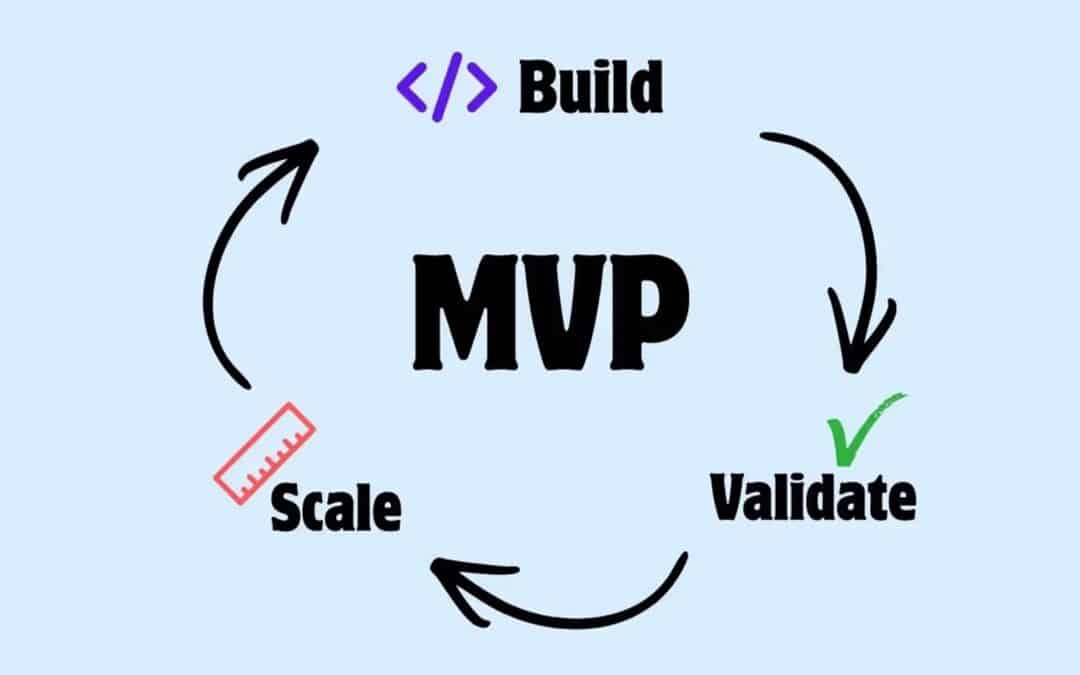
Lean startup MVP stands at the center of modern product development because it allows teams to test product ideas faster without wasting time, money, or energy. Instead of investing months building a fully featured solution, companies focus on understanding real user needs at the earliest possible stage. This shift helps teams reduce risk, avoid unnecessary complexity, and respond to market signals a lot sooner.
The concept of a minimum viable product comes directly from lean startup methodology. It represents the simplest version of a product that still delivers clear value, attracts early adopters, and opens a direct channel for customer feedback. MVP does not aim for perfection. It aims for learning.
Within this framework, lean startup MVP, minimum viable product, validated learning, and customer feedback work together to guide better decisions. Each release becomes an opportunity to test assumptions, gather insights from real users, and iterate quickly with confidence. In this article, we explore how lean startup MVP helps teams build products that users actually want.
What Is Lean Startup Methodology
Lean startup methodology is a product development approach that reduces risk by validating ideas through real user feedback instead of assumptions. It focuses on building minimal products, testing market demand early, and learning quickly before investing significant time or effort. Lean startup methodology focuses on reducing uncertainty in new product development by shifting the emphasis from assumptions to evidence. Instead of relying on internal opinions or lengthy planning documents, teams treat product ideas as hypotheses that must be validated through real user interaction. This approach helps companies understand market demand, identify pain points, and avoid building solutions that miss the mark.
Lean principles play a central role in modern software development by minimizing waste and ensuring effort aligns with value creation. Rather than spending weeks building features in isolation, teams focus on creating minimal products that test core concepts quickly. This method supports validating assumptions early while keeping energy invested under control.
The lean startup method prioritizes rapid learning over long development cycles because markets evolve fast. Continuous customer feedback from early users enables product iteration, sharper focus on core features, and smarter decisions that reduce extra overhead and accelerate progress toward a marketable product.
What Is Minimum Viable Product (MVP)
Minimum viable product (MVP) is the simplest version of a product that delivers real value while testing key assumptions with real users. It focuses on learning first, not polish, features, or scale.
Minimum viable product MVP does not mean an incomplete, rushed, or low-quality product. It refers to a product built with the minimum feature set required to solve a core problem for target users in a meaningful way. Every element included must serve a clear purpose tied to user value or learning.
The primary goal of an MVP centers on maximizing validated learning with the least effort and energy invested. Teams use MVP to test assumptions about market demand, user behavior, pricing, and value proposition without imposing extra overhead on development. This approach allows quick exposure to early adopters and real users.
By focusing on feedback instead of perfection, MVP reduces waste and shortens time to insight. MVP makes sense when understanding that customers matter more than building a fully featured product upfront.
How MVP Fits Into Lean Startup Method
Lean startup MVP connects strategy with execution by turning ideas into measurable experiments. Instead of long planning cycles, teams rely on real users, fast feedback, and validated learning to reduce risk and guide product decisions with clarity and confidence.
Build Measure Learn Cycle
The build measure learn cycle defines how the lean startup method operates in practice. Teams begin with a clear hypothesis related to a customer problem, a value proposition, or a specific market assumption. That hypothesis becomes a minimum viable product designed to test one critical idea rather than the entire product vision.
After release, measurement follows immediately. User behavior, customer feedback, and usage data reveal whether the assumption holds true or fails. Learning completes the cycle by converting evidence into decisions. This structured loop ensures effort produces knowledge and prevents teams from spending weeks building features without direction.
MVP As The Starting Point
MVP serves as the starting point for the lean startup approach because it transforms abstract ideas into real experiences that users can interact with. Instead of internal debate, teams expose their concept to the market quickly and observe actual reactions.
By releasing a minimum viable product early, assumptions face real market conditions. Early users engage with the product, reveal gaps, and confirm whether the core idea delivers value. This approach limits extra overhead, reduces risk, and ensures progress relies on evidence rather than opinion. MVP makes sense because learning matters more than polish at this stage.
Early Users And Early Adopters Role
Early users and early adopters play a critical role in lean startup MVP success. These users accept minimal products because they experience a clear pain point or value opportunity. Their motivation differs from mainstream customers, which makes their feedback especially valuable.
Their interaction uncovers usability issues, unmet needs, and emotional responses that internal teams cannot predict. Early adopters reflect real market demand and provide sharper insight than hypothetical personas. This relationship accelerates validated learning and ensures product ideas evolve through real-world use rather than assumptions formed in isolation.
Customer Feedback As a Validation Tool
Customer feedback acts as the primary validation mechanism within the lean startup method. Feedback reveals whether the product solves a real problem or fails to meet expectations. Without this signal, teams rely on guesswork.
Direct responses, behavioral patterns, and qualitative insights help validate assumptions quickly. Feedback clarifies which features matter, which confuse users, and which add no value. Consistent feedback loops reduce waste and guide product iteration with confidence. Lean startup MVP treats feedback as evidence that drives decisions, not as optional commentary.
Feature Decisions With Minimum Effort
Lean startup MVP requires strict discipline in feature decisions. Each particular feature must justify its existence through learning value or direct contribution to the core problem.
Teams focus on the minimum feature set needed to test a specific assumption. Additional features impose extra overhead and dilute feedback quality. This approach protects the energy invested and keeps development aligned with learning goals. Minimum means purposeful and intentional, not incomplete or careless.
Fast Iteration With Real Data
Iteration within the lean startup method depends on real data rather than internal opinions. Each MVP release informs the next decision through measurable outcomes.
Teams refine features, adjust positioning, or pivot direction based on user behavior and market response. This cycle supports continuous improvement without long delays. Real users guide progress, and product iteration becomes a disciplined response to evidence rather than speculation or hope.
Avoiding Waste Through Validation
Lean startup MVP helps teams avoid waste by validating ideas before heavy investment. Market demand, user behavior, and customer feedback shape decisions at an early stage.
This process prevents teams from building products nobody wants and from spending weeks building without confirmation. Validation replaces guesswork with clarity. Through MVP, the lean startup method ensures progress remains efficient, focused, and grounded in reality rather than assumptions or optimism alone.
Key Components Of A Successful MVP
A successful lean startup MVP relies on intentional design choices that prioritize validated learning over feature volume. Each component exists to reduce uncertainty, confirm market demand, and ensure teams invest energy only where real user value and insight exist before moving toward a marketable product.
Clear Problem Definition
A clear problem definition forms the foundation of any successful minimum viable product MVP. Teams must identify a real pain point experienced by target users, not a problem imagined internally. Market research, previous interviews, and given context from potential customers help confirm that the problem exists in the existing market and deserves attention.
This clarity directs every MVP decision. It shapes product ideas, defines core features, and ensures effort aligns with learning goals. When the problem stays specific and validated, MVP makes sense as a tool for reducing waste. Teams avoid weeks building solutions that solve nothing meaningful and instead focus on problems users actively want solved.
Focused Value Proposition
A focused value proposition explains the product’s value in a few words maximum. Early adopters and early users decide quickly whether a product addresses a clear itch, so the MVP must communicate its benefit immediately.
This clarity allows teams to test whether the market responds to the idea itself rather than to a long list of features. Weak response signals low market demand, while a strong response confirms relevance. A sharp value proposition supports validated learning and helps teams refine positioning as the MVP journey progresses toward a minimum marketable product.
Minimum Feature Set
The minimum feature set defines what minimum means in lean startup MVP. Each particular feature must either solve the core problem or generate learning. Features added without purpose impose extra overhead and dilute feedback quality.
Lean startup methodology favors restraint because fewer features produce clearer user feedback. Users interact with what truly matters and reveal real behavior. This discipline protects energy invested, shortens development cycles, and ensures MVP remains a learning tool rather than a poorly executed full product.
Real User Access
Access to real users separates effective MVPs from internal experiments. Early users and beta users interact with the product in real conditions, providing feedback rooted in actual usage rather than assumptions.
Their behavior reveals pain points, unmet needs, and unexpected use cases. Unlike internal teams, real users reflect true market demand. Lean startup MVP depends on this interaction to validate assumptions and confirm whether the product delivers value beyond theory or internal belief.
Structured Feedback Collection
Customer feedback must follow a structured system to support validated learning. Random comments scattered across tools create noise and slow decision-making. Lean startup MVP relies on organized feedback from landing pages, early releases, and direct interactions.
Structured feedback highlights recurring pain points, feature requests, and sentiment trends. This clarity allows teams to prioritize core features, remove ineffective ideas, and iterate with confidence. Feedback becomes evidence rather than opinion.
Meaningful Learning Metrics
Meaningful learning metrics focus on behavior instead of vanity numbers. Engagement, retention, task completion, and user response reveal whether MVP delivers real value.
The Lean startup method avoids metrics that look impressive but offer no insight. Meaningful data connects effort to outcome and supports smarter product iteration. These metrics confirm whether assumptions hold true and guide teams toward decisions grounded in reality rather than guesswork.
Path Toward Marketable Product
MVP represents the starting point, not the destination. Insights gathered through validated learning guide the transition toward a minimum marketable product.
Each iteration refines understanding of market demand, user needs, and feature priorities. This path ensures growth rests on evidence, not hope. Lean startup MVP prepares teams to scale with clarity, reduced risk, and stronger alignment between product and customers.
Steps To Create A Lean Startup MVP
Lean startup MVP creation requires a structured yet flexible process that prioritizes learning over output. Each step helps teams validate assumptions, reduce wasted effort, and confirm real market demand through direct interaction with users instead of internal speculation.
Market Research And User Clarity
Market research provides the foundation for a successful lean startup MVP. Teams must clearly understand target users, existing market conditions, and the problems customers actively try to solve. Without this clarity, MVP risks addressing the wrong need or entering a market with no demand.
Research should focus on behavior, context, and motivation rather than opinions alone. Interviews, surveys, competitor analysis, and previous company insights help reveal pain points and expectations. This understanding ensures that the MVP concept aligns with real users and prepares teams to test ideas that matter.
Assumption Definition And Risk Focus
The Lean startup method treats every product idea as a set of assumptions. These assumptions relate to market demand, user behavior, pricing, and value delivery. Teams must identify which assumptions carry the highest risk before building anything.
Each assumption should translate into a clear hypothesis that MVP can test. This focus prevents scattered experimentation and keeps effort directed toward learning. By prioritizing risky assumptions first, teams reduce uncertainty early and avoid weeks building features that fail to validate core beliefs.
Landing Page MVP Execution
A landing page MVP tests interest before product development begins. It presents the value proposition clearly and measures how potential customers respond. Sign-ups, clicks, or demo requests act as early demand signals.
This method requires minimal effort yet produces meaningful insight. Landing pages help teams test messaging, positioning, and problem relevance. Poor response signals weak demand, while strong engagement supports further investment. Lean startup MVP benefits from this quick validation without software development overhead.
Smoke Test And Demand Validation
A simple AdWords smoke test measures willingness to act, not just curiosity. Paid ads expose the idea to real audiences and track behavior such as clicks or attempted purchases.
This approach reveals market demand within days. Weak performance suggests low interest or unclear value, while strong engagement confirms traction. Smoke tests protect teams from investing energy into ideas that lack real pull. Lean startup MVP uses this evidence to decide whether progress makes sense.
Concierge And Manual MVP Approach
Concierge MVP replaces automation with manual delivery of value. Teams perform tasks themselves to solve user problems without full software development.
This approach uncovers workflow complexity, unmet needs, and user expectations early. Direct interaction provides deeper feedback than automated systems. Although effort remains hands-on, learning quality stays high. Concierge MVP validates solutions before committing resources to scalable infrastructure.
Release To Early Users
Early users and beta users play a crucial role after the MVP release. These users accept minimal products in exchange for early access or immediate value.
Their behavior highlights usability issues, feature gaps, and unexpected use cases. Qualitative feedback combined with usage data guides improvement. Lean startup MVP relies on this stage to confirm whether the product truly solves problems or requires adjustment.
Iteration And Feature Decisions
Product iteration follows evidence from real users, not internal preferences. Feedback and behavior metrics determine which features deserve attention and which ones require removal.
Teams refine core features, adjust positioning, and improve usability based on validated learning. Each iteration aims to increase value with the least effort. This process moves MVP toward a minimum marketable product grounded in real demand and proven insight.
Common MVP Mistakes And How To Avoid Them
Lean startup MVP often fails due to misinterpretation rather than poor intent. Teams pursue speed or polish instead of validated learning. Recognizing common mistakes early helps protect energy invested, reduce extra overhead, and ensure MVP supports real market demand rather than internal assumptions.
Confusing MVP With Full Product
Many teams mistake a minimum viable product MVP for a full product launch. They add multiple features, a refined design, and complex workflows before any real validation occurs. This approach delays learning and increases risk, especially when market demand remains unproven.
Lean startup MVP exists to test assumptions, not to deliver perfection. Core features matter more than a long roadmap. A focused MVP exposes the concept to real users sooner, produces clearer customer feedback, and allows product iteration before effort becomes difficult to reverse.
Excessive Feature Expansion Early
Teams often expand features early due to internal opinions or fear of rejection. This behavior increases complexity and shifts attention away from validated learning.
Each additional feature imposes extra overhead and reduces clarity of user feedback. Lean startup method favors a minimum feature set that supports one learning objective at a time. Fewer features help teams understand real user behavior and avoid weeks building functionality users never request.
Customer Feedback Neglect
Customer feedback sometimes gets collected but fails to influence decisions. Teams prioritize internal preferences instead of insights from early users and beta users.
Lean startup MVP depends on feedback as evidence. Real users reveal pain points, unmet needs, and usability issues. Ignoring these signals leads to wasted energy and misaligned products. Feedback must guide decisions to support validated learning and market alignment.
Delayed Exposure To Real Users
Some teams delay releasing MVP to real users due to fear of criticism. This delay increases uncertainty and blocks learning.
The lean startup approach requires early exposure to potential customers. Early adopters accept minimal products and provide honest reactions. Faster interaction helps teams confirm assumptions and detect weak ideas before weeks of building create sunk costs.
Reliance On Vanity Metrics
Vanity metrics such as sign-ups or page views create false confidence. These numbers fail to reflect real value or market demand.
Lean startup MVP requires meaningful metrics tied to behavior. Engagement, retention, and usage patterns reveal whether users care. These learning metrics guide decisions and confirm whether MVP makes sense as a foundation for a marketable product.
Absence Of Clear Assumptions
MVP loses direction when assumptions remain undefined. Teams build features without clarity on what requires validation.
Lean startup methodology demands explicit assumptions related to customer problems, value proposition, and market demand. Clear hypotheses ensure MVP tests the highest risks first. Without this focus, learning becomes random and ineffective.
Overinvestment Of Time And Effort
Many teams invest too much time and effort before validation occurs. Weeks of building without feedback increase risk and drain resources.
Lean startup MVP aims to achieve learning with the least effort. Controlled investment protects the energy invested and ensures teams commit resources only after evidence supports progress. This discipline helps avoid building products that absolutely nobody wants and keeps development aligned with real demand. Avoiding these challenges will reduce the development cost.
How Gain HQ Helps Businesses Build And Validate MVPs
Gain HQ helps teams execute a lean startup MVP strategy by turning customer feedback into a structured, actionable system. Instead of collecting scattered opinions across tools, teams centralize feedback from real users in one place, creating a clear view of pain points, feature requests, and sentiment.
This clarity supports faster, validated learning. Product teams understand what users actually want, which assumptions hold true, and where market demand exists. Structured feedback removes guesswork and reduces extra overhead caused by disconnected tools or anecdotal input.
Gain HQ enables smarter product iteration by linking feedback directly to features and decisions. Teams prioritize the minimum feature set that delivers value and learning, rather than building based on internal preferences. This approach aligns effort with insight and protects energy invested.
By supporting evidence-based decisions, GainHQ helps businesses validate MVP ideas sooner, reduce waste, and confidently move toward a marketable product that users truly love.
FAQs
What Does Lean Startup MVP Mean?
Lean startup MVP refers to building a minimum viable product that supports rapid learning through real user feedback. The goal focuses on validating assumptions with the least effort before teams scale development or invest heavily in features.
How Is MVP Different From Minimum Marketable Product?
MVP focuses on learning and experimentation, while a minimum marketable product targets readiness for broader release. MVP tests ideas and assumptions, whereas MMP supports revenue generation and market expansion.
Why Customer Feedback Matters In Lean Startup MVP?
Customer feedback reveals real pain points, user behavior, and unmet needs. This insight guides product iteration and prevents teams from building features without proven market demand.
When Does MVP Make Sense For A Company?
MVP makes sense when uncertainty exists around product ideas, market demand, or target users. Early validation reduces risk, saves time, and limits unnecessary energy invested.
What Types Of MVP Can Teams Build?
Teams can create landing page MVPs, concierge MVPs, smoke tests, or basic software prototypes. Each type supports validating assumptions with minimal effort and reduced overhead.
How Long Should A Lean Startup MVP Take To Build?
A lean startup MVP often takes days or a few weeks, not months. The timeline depends on the complexity of the assumption being tested and the fastest way to gather real user feedback.
What Common Mistakes Should Teams Avoid When Building A Lean Startup MVP?
Teams should avoid adding too many features, delaying user feedback, or relying on internal opinions instead of real data. MVP succeeds when learning remains the priority and effort stays aligned with validation goals.
As companies grow, moving to the cloud becomes less of a nice option and more of a practical step forward. Relying on older systems can slow teams down, limit flexibility, and make remote work harder than it needs to be. A dependable cloud migration service helps bridge the gap between what your business uses today and what it needs to stay competitive tomorrow.
Shifting to the cloud is much more than relocating files. It should make daily operations smoother, not more confusing. Without proper planning, a rushed move can create new issues instead of solving old ones. This is why it is so important to understand your current systems before anything changes. The main goal is to keep everything running without interruptions while setting your business up for long-term success.
Understanding the Basics of Cloud Migration
Cloud migration involves moving data, apps, or entire systems from traditional hardware or older cloud platforms into a modern cloud setup. For digital-first businesses, this change boosts flexibility, reduces delays, and makes managing tools from any location far easier.
Migration usually includes tasks such as:
Moving apps from old servers into cloud servers
Transferring databases into cloud storage
Rebuilding parts of a system so they work better in a cloud environment
Companies choose to migrate for many different reasons. Some need to scale quickly, others want faster performance, and some require higher security. Understanding what actually needs to move and why helps keep the entire process organized and manageable.
Planning for a Smooth Migration
A clear plan at the start helps avoid problems later on. Before anything moves, it is important to understand how current systems work. What processes run well? What tends to break? Which tools will not fit in a cloud-based setup?
By reviewing the current situation, you can create specific goals. These might include quicker app performance, easier access for remote workers, or better protection for confidential information. Writing these goals down makes it easier to track progress and ensure nothing is missed along the way.
It is also helpful to involve both technical teams and business teams early in the planning stage. When everyone has a voice, fewer details slip through the cracks. Strong communication reduces the risk of discovering unexpected problems right after launch.
Avoiding Disruption During Migration
No business wants downtime. Keeping everything available during a migration requires careful planning and steady execution.
Move systems in planned phases instead of all at once
Keep reliable backups ready
Test everything in a cloud environment before going live
Security is just as important. Access should be limited, monitored, and verified at every step to prevent unauthorized entry. Protecting data throughout the transition keeps your business safe from unnecessary risk.
Before anything becomes official, all systems should be tested thoroughly. Migration is not just about moving information. It is about improving how the entire business operates once the move is complete.
Scaling Operations Post-Migration
Once your systems are running in the cloud, your organization is in a stronger position to grow. Tasks that depended on physical equipment or hands-on processes can now be handled smoothly across teams and locations.
Cloud platforms make it easier to:
Collaborate with remote or hybrid teams
Roll out new tools to multiple locations
Apply updates without stopping everyday work
Well-designed cloud infrastructure offers the structure businesses need as growth accelerates. For instance, using platforms like Payrun simplifies HR and payroll management for expanding teams. Likewise, EasyDesk integrates customer support services smoothly into cloud workflows, keeping response times fast as support demands rise.
The cloud provides a single, adaptable foundation for these systems, so everything remains connected, accessible, and agile. This helps organizations keep pace with increasing demands as they scale while keeping operations practical and streamlined.
When to Work With a Cloud Migration Partner
Some migrations are too complex or too risky to manage alone. If your systems are heavily connected, contain sensitive data, or require strict security, an experienced cloud migration partner can make a significant difference.
It may be time to seek help if:
You are unsure which systems are ready for the cloud
Your team lacks the time or expertise to manage the project
Security requirements are too demanding to risk mistakes
Working with a trusted partner reduces stress for your internal teams and lowers the risk of problems appearing after the move. Good migration support ensures your systems work well today while also helping you reach your long-term digital goals.
Strong Foundations for Long-Term Growth
Successfully moving to the cloud provides faster, more stable, and more focused business operations. The overall results, though, are determined by how carefully the transition is planned, tested, and maintained. The aim of migration is to reduce everyday obstacles, not introduce new ones.
By focusing on preparation, working step by step, and setting up adequate support prior to changes going live, companies build a stronger foundation for real, scalable growth. This approach ensures that organizations have the adaptability required to handle new demands without overwhelming existing systems and teams. When executed with care, cloud migration makes organizations more resilient in the present and better prepared for the future.
Ready to take your business to the next level? At Gain Solutions, we specialize in providing a seamless cloud migration service that ensures smooth transitions and minimal disruptions. Whether you are modernising HR and payroll with Payrun or streamlining customer support with Easydesk, we help you maintain security while optimizing your operations for growth and efficiency. Connect with us to explore how our tailored solutions can support your digital transformation journey.
A full stack web development company builds both the front end and the back end of a digital product. That includes everything from the screens users interact with to the systems that handle data, security, and performance in the background. For businesses launching or expanding a web platform, having all these skills in one place can make the process far smoother.
This approach reduces the number of handoffs, limits confusion, and helps the team work as one. When everyone is aligned from the start, projects move faster. Just as important, full stack development makes it possible to build flexible, future-ready tools that grow with your business. Whether you are starting fresh or rebuilding an existing platform, the right team can keep the process focused and efficient.
Bridging Front End and Back End Needs
Every strong digital product relies on two sides working well together. The front end shapes how users experience the platform. The back end keeps everything secure, stable, and running smoothly. A full stack team manages both, which helps prevent common issues during development.
On the front end, they design clean, intuitive interfaces that look good and feel responsive across devices
On the back end, they build secure systems that support features like logins, payments, search, and real-time data
Because full stack developers understand both areas, they can catch potential issues earlier. This reduces delays and cuts down on the number of redesigns later. When one team oversees the entire build, it is easier to create a platform that works correctly from day one.
Different technologies can be used depending on the project. Many rely on frameworks such as React for the interface or Node.js and Django for server logic. APIs and cloud services often support the system as well. The specific stack matters less than how well it supports a smooth, dependable product.
Faster Launches and Smarter Scaling
Speed is one of the biggest advantages of full stack development. With one team handling the entire build, there is less back and forth between separate groups. That helps businesses launch faster without getting stuck in long cycles of revisions.
This speed is especially important for startups and companies preparing to scale. Even a small delay can slow testing, limit user feedback, or affect investor timelines. Full stack teams can take an idea, build an MVP, test it, and refine it all within a tight loop.
They can move from planning to deployment without switching developers
Updates roll out more smoothly because the team already understands the entire system
New features can grow naturally because the platform is built with long-term flexibility in mind
Moving quickly, while still thinking about the future, makes this approach a strong fit for growing organizations.
Better Collaboration Across Business Teams
A smoother development process does not only help the technical side. It also improves communication across the company. When one team handles both the front end and the back end, it is easier for business leaders to stay informed without managing several separate conversations.
This is a major benefit for product owners, operations leads, and decision-makers. They get clearer timelines, faster updates, and more direct input into how features are built.
This often leads to:
Shorter review cycles because everyone works from the same information
Clearer feedback since business needs translate directly into development tasks
Better prioritization because one team understands how every change affects the full product
When communication flows smoothly, companies can stay aligned and respond quickly to customer or market needs.
Preparing for AI, Automation, and Long-Term Flexibility
Modern digital products need more than basic features. They need a solid foundation that can grow with new tools and technologies. A thoughtful full stack architecture supports not just what a platform does today, but what it may need to do in the future.
Many businesses are already thinking about how AI and automation fit into their long-term plans. Full stack developers are well positioned to support this because they understand how data moves through the system and how the interface should present new features to users.
Platforms like Payrun and EasyDesk, for example, are structured this way. Not just to serve current workflows in payroll or customer support, but to evolve alongside business needs over time. These products were built with adaptability in mind, something that starts from the first development decisions.
Full stack systems can support automation without major rewrites
AI-ready platforms need clean logic and connected data, exactly what good architecture supports
Flexibility matters most when businesses are ready to test, shift, or scale quickly
The right development choices now shape what your business can do next.
Why it Pays to Work With an Expert Team
Every development project involves choices. Moving too quickly can create problems, but moving too slowly can hold a business back. Experience helps teams find the right balance.
A strong full stack partner brings more than technical skill. They bring product understanding. They make decisions that align with your priorities and avoid building features that create long-term complications.
They design with future updates in mind
They solve core problems instead of adding quick fixes
They build with a clear understanding of how the entire system should function
This mindset leads to products that hold up over time. The goal is not to cram in extra features, but to make sure the platform works smoothly and supports your team’s daily needs.
Full Stack Support That Moves with Your Business
Full stack development offers speed, clarity, and long-term stability. When one capable team handles every layer of your system, fewer problems slip through the cracks. The result is a product that is easier to maintain, easier to update, and more reliable for your users.
It is not only about writing good code. It is about understanding your goals and building a system that can grow with them. When the foundation is strong, future changes become simpler. That gives your team more room to focus on customers and strategy instead of technical issues.
Gain Solutions understands the importance of launching products swiftly and scaling them effectively. Our expertise in full stack web development ensures you get a seamless process where front end and back end come together under one skilled roof. Partner with us to enjoy faster releases, smarter scaling, and collaborative strategies that evolve as your business grows. Let us handle the technical complexities so you can focus on achieving your business objectives with confidence.
Businesses of all types and industries have their respective strategies on how to innovate, to put themselves at the forefront of their customers’ minds, and to solidify their standing in an overcrowded market. While there’s a unique path every company can take to achieve growth, at the end of the day, every company shares the same goal: to make a profit.
Every tool and decision made has a cost, and this impacts how a business operates on a fundamental level. So, how do you create a system that increases your revenue, all the while ensuring you have a healthy control over your expenses? The answer often lies in looking at the basics and improving its efficiency. To make day-to-day operations simpler, so your team can keep everything running with as few roadblocks as possible.
Time truly is golden, and every second spent less on repetitive tasks and more on work that drives value can make the difference between staying competitive and falling short. This is not a new problem for businesses, but there’s a new way of addressing it, and that’s through AI-powered software solutions.
Artificial Intelligence (AI) went from being a speculative concept that seemed closer to science fiction than a standard tool, but now, it’s a practical technology that is reshaping how industries operate. All that sounds like it’s going to be heavy on your pockets, but these solutions aren’t necessarily reserved for Fortune companies with large-scale IT budgets.
Today’s AI tools are accessible and designed for easy integration into existing workflows, making them a realistic option for businesses of every size. As we head into the final quarter, we think this is the perfect time to delve deeper into this rising technology and see how it can impact your team’s day-to-day work.
What Does It Really Look Like When AI Is Used For Your Daily Tasks?
AI is still a hot topic thanks to its continuous improvements released by different Large Language Models (LLMs), and with each better version, it becomes easier to use. While all the talk surrounding AI may seem intimidating for those who aren’t tech-savvy, the reality is refreshingly simple: today’s AI is designed to be as user-friendly as any app on your phone. You don’t need specialized, technical expertise to utilize it. Its very essence is to understand your data, your distinctive patterns, so it can offer tailored solutions that make tasks more efficient.
What does that look like in a real-world setting? Let’s say you need to schedule company-wide meetings. Instead of the usual back-and-forth emails or chats trying to find a time that works for everyone, you can use an AI-powered software to deep dive into your employees’ work patterns and find an optimal time when they’re likely to be free and focused. Or, we can take it down to an individual level: why not use AI to automate your own calendar and draft reminder emails or follow-up messages in your writing style?
Of course, AI tools go beyond scheduling and can tackle other key, everyday tasks, such as reviewing contracts and lengthy documents to highlight crucial points that help the team derive insights faster.
Making Daily Work Easier With Less Effort
Every business knows that small tasks can somehow consume half the day. Teams try to strategize an efficient way to tackle such a problem, but why not let AI help ease the bottleneck? Think gruntwork tasks like searching for files, sending reminders about due dates, or following up on updates, all of which add up. AI tools can address that, so imagine this:
Task boards can update automatically when a step is completed
Files can be sorted and labeled by topic without manual work
Daily or weekly reminders can be sent without us needing to hit “send”
That kind of support helps the whole team focus on real work instead of bouncing from one task to another. These are all “small” improvements, but the cumulative effect is significant. Shaving off five minutes here, and ten minutes across the entire team doesn’t just translate to saving time; it also means reducing the mental load that comes with juggling “minor” responsibilities.
At Gain Solutions, we’ve seen firsthand how custom software can transform these repetitive tasks into automated workflows. We specialize in weaving AI features seamlessly into your existing systems, so there’s no jarring transition or steep learning curve: just a smoother sailing experience. Essentially, we’re all about taking the tedium out of your workday.
Making Remote Teamwork Actually Work
Managing projects across different time zones and locations can bring headaches for any remote business. Endless email chains, repetitive questions in chats that get lost in history, and finding the meeting time that’s ideal for everyone. However, with the help of AI-powered solutions, you can enhance the manual planning process in multiple ways. Imagine something like this:
Shared dashboards can update live, so everyone sees the same info
Smart messages can suggest task updates based on changes to a project
Team calendars can sync across devices, flagging conflicts or quiet spots
No more situations where your team says “sorry, I didn’t see your message” kind of delays. Just clear communication and timelines that keep moving forward, even when your team is scattered across the globe.
Take it from us. Our team at Gain Solutions has built platforms for companies with people everywhere, from Norway to Bangladesh and beyond. We know what it takes to keep everyone connected and productive, no matter where they’re logging in from.
Stronger Decisions Without All the Guesswork
Good decisions come from good data. But sorting through charts, spreadsheets, and reports can take hours. AI tools help by extracting patterns from the data and converting them into straightforward advice.
Maybe a tool notices that Monday mornings are slower for certain teams. It can use that info to suggest better times for check-ins or planning. Or if a product update caused support tickets to spike, it could flag it faster so we don’t miss a trend.
AI watches changes in team activity and customer habits
It can offer smart tips based on what’s worked before
Decision-making becomes less about guessing and more about knowing
With less guesswork, we avoid delays or repeated tasks. Everyone gets clear signals about what’s next. Even better, fewer meetings are needed to say the same thing over and over.
Keeping Systems Running Smoothly in the Background
Tech works best when we don’t have to think about it. However, when something glitches, files won’t save, apps freeze, or the system crashes, it throws everyone off. AI is also useful here, as it can identify patterns that you might miss and provide different insights.
Some smart systems can continuously monitor behind the scenes to catch early signs of trouble. They might fix small bugs or alert the right person before anyone else notices something is off. So, you can treat AI as your business’s early warning system, something that can offer the following:
Scans run in real time to catch slowdowns or errors
Fixes can be made automatically without stopping the workflow
Warnings are sent early, which keeps surprises to a minimum
When machines take care of the little fixes, we waste less time and avoid bigger breakdowns. Not to mention, AI helps you move on from reacting to problems and lets you focus on developing sound strategies in the long run. It gives everyone on the team more confidence that their tools will work when they need them most.
Why Smarter Software Pays Off in the Long Run
AI-powered software is becoming as natural as using spell-checkers, and they don’t have to take up a lot of space, time, or money to make a difference. In fact, many of the best changes happen in the small stuff, simpler schedules, faster planning, and fewer tiny tasks falling through the cracks.
Over time, these tools help teams run smoothly with less effort. The savings show up not just in money, but in the energy and focus we get back every day. As work gets more complex going into the new year, having software that learns and supports the way we work today can help us move forward without the stress. With smarter tools in place, we’re free to spend more time on what really matters.
The right tools can free up your team for bigger ideas and smoother days. With the help of AI-powered software solutions, you can work smarter and cut out the extra stress. These solutions keep everyday tasks running quietly in the background, from planning to daily workflows.
At Gain Solutions, we build software that fits how your team works now while helping you grow at your own pace. We’re here to hear about your challenges, just send us a quick message to get started. With AI-powered software solutions, you can keep your operations efficient, resilient, and ready for what’s next.
Busy teams often juggle more than they can manage. Tasks stack up, deadlines creep closer, and people start to feel stretched too thin. When this keeps happening, it’s not just productivity that suffers. Team morale dips, errors grow, and business goals slow down. Many leaders try to fix this by hiring more people. That may help in the short term, but sometimes what’s really needed is a smarter way of working.
This is where our AI development services can make a difference. Our services create tools that automate time-consuming tasks and help teams stay on track without adding pressure. We don’t replace people. We support them. When resource limits hit hard, AI can step in to take care of the small stuff so your team can focus on larger goals. Here’s how that plays out day to day.
What Happens When Teams Are Overloaded
We’ve all seen what happens when a team takes on too much. It’s not just about having long to-do lists. It changes the way people work.
Deadlines become harder to manage, and quality can slip. Teams are forced to rush through tasks, which makes it easier to miss key details. People start spending time on smaller tasks that drag attention away from what really needs their focus. Hours stretch longer, but there’s no clear progress. Fatigue builds, and that only makes things slower.
It becomes a cycle. Once a team falls behind, they spend more effort catching up than moving forward. Meetings fill in gaps, more tools are added, and priorities stay unclear. Fixing this isn’t just about going faster. It’s about working better, with support that helps everyone stay focused and less overwhelmed.
How AI Tackles Repetitive Work
Not every task needs human attention. Some of the work that clogs up inboxes and schedules can be handled with smart tools. AI is great at recognising patterns and following instructions, which makes it perfect for repetitive jobs many teams face every day.
Tasks like sorting data, updating records, or tagging requests can be automated, so no one has to spend hours on them. Systems built with AI can track activity across different apps or platforms and keep everything organised in real time. When something looks off, like missing info or sudden changes to patterns, AI can flag it early. That gives people time to fix problems before they grow into bigger ones.
These jobs may look minor, but they add up fast. When our AI tools are set up properly, they clear space in the calendar and reduce distractions. That lets teams direct their energy where it matters.
Helping Teams Stay Focused With the Right Tools
One of the biggest hidden costs of overload is loss of focus. Even skilled teams can get sidetracked when there’s too much noise, from too many apps to unclear priorities. AI-powered systems help filter that noise.
With the right setup, AI can guide workflow paths, helping teams see what’s urgent, what’s waiting, and what’s done. It becomes easier to define who’s doing what. Everyone knows their role and what they’re responsible for. Progress tracking is simpler. Leaders can spot bottlenecks, and team members can see how their work fits into the bigger plan.
With less confusion, work becomes more predictable. That predictability builds trust across the team. No one likes working in a fog, and with the right tools clearing that fog, people feel more in control of their time.
Where AI Development Services Fit In
Not every AI tool fits every business. Off-the-shelf apps often solve one part of the problem but don’t connect well with other tools. That leaves teams jumping from one platform to another, which just brings more friction.
Our AI development services help solve this by creating tools built around what your team actually does.
These tools match existing workflows, rather than forcing teams to adjust their process just to fit the software. They’re flexible, able to scale up or shift as your business changes. Teams won’t have to start over every time they grow. They also connect with the systems already in place. That means less disruption and faster results.
We specialise in custom SaaS platforms and AI solutions that integrate with CRMs, third-party services, or data infrastructure, giving your business the freedom to adapt as your needs change. With more than 15 years of experience supporting global organisations, Gain Solutions is trusted for our deep expertise in everything from MVP development to scalable enterprise software.
When AI is shaped to fit how a team works, it becomes a natural part of the day instead of something extra to manage. That’s where real change happens, not just with the tech, but in how the team feels about the work.
Make Space for Growth With AI-Driven Support
When the pressure builds, it’s easy to feel like the only fix is to either push harder or bring in more people. But sometimes, there’s a third option: get smarter about how the work gets done. AI development services offer a way forward that supports your team without replacing the people who keep it running.
By managing the tasks that soak up time and drain focus, these tools open space for strategy, creativity, and steady execution. With custom solutions like Payrun for HR automation or EasyDesk for streamlined customer support, teams can handle more with less manual effort. These platforms are built to scale, so your software grows alongside your goals, helping everyone operate with fewer hiccups and giving leaders a better view of progress.
For businesses looking to keep teams sharp and engaged while still hitting big goals, it’s worth seeing where AI can give a bit of breathing room. We bring this kind of thinking to every build.
Ready to transform your team’s workflow and reduce unnecessary pressure? With AI development services, Gain Solutions helps teams streamline processes and focus on what truly matters. Our tailored AI tools automate tedious tasks and enhance productivity without replacing the important human element. Let us partner with you to foster an environment where your team can thrive and achieve bigger goals with clarity and control.