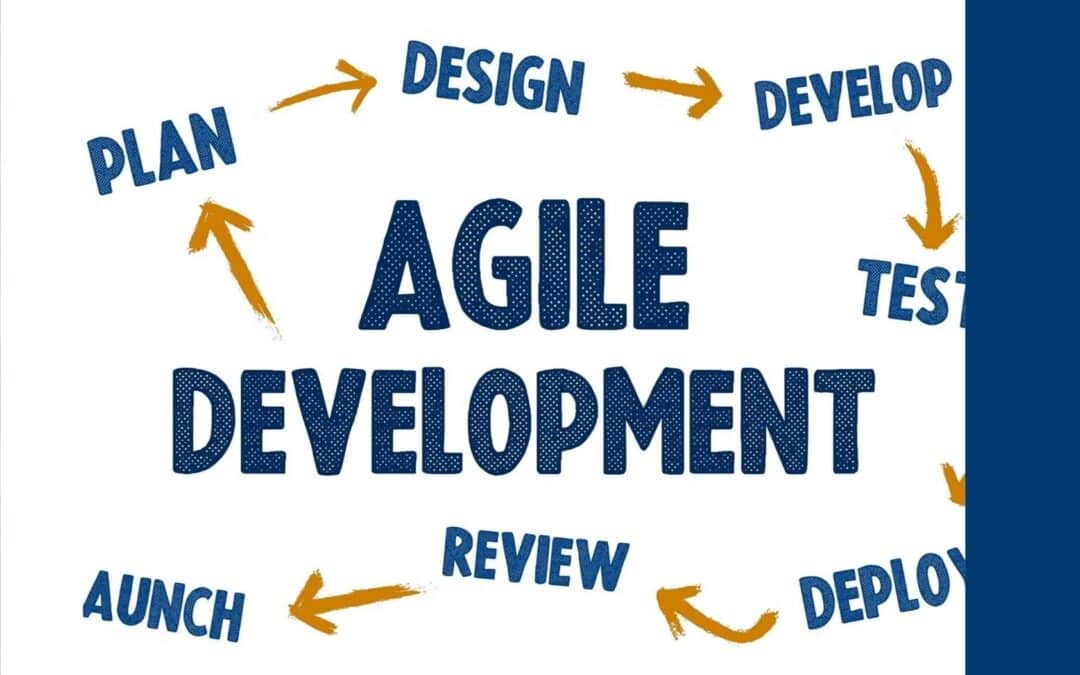
Working with an agile offshore software development company is a smart choice for teams that want to move quickly and build better products. The idea is straightforward. Combine agile’s flexibility with the global reach of offshore development, and you get a model that offers speed, skill, and room to grow.
More companies are choosing this approach, especially when building SaaS platforms or AI-driven tools. Short development cycles, flexible planning, and time zone coverage make it possible to keep projects moving without slowing down. Teams can react sooner to changes, work smoothly across borders, and adjust their plans whenever new challenges appear.
This way of working reduces delays, supports faster product launches, and helps teams stay aligned. Whether you are creating something new or improving an existing product, blending agile practices with offshore support gives you strong momentum without sacrificing clarity. As global competition increases, this combination helps teams avoid many of the roadblocks that can slow international projects. Today’s businesses are expected to deliver value quickly, and this strategy allows work to continue around the clock.
Why Agile Development Fits Global Product Goals
A major strength of agile is its ability to support ongoing changes in product requirements. If you are running a growing business or bringing a new product to life, being able to adapt based on feedback is critical. Agile supports this through short sprint cycles and frequent updates.
Sprints help teams deliver working features quickly, which keeps stakeholders engaged.
Teams gather feedback early and often, which sharpens focus and reduces confusion.
Shorter cycles help distributed teams stay aligned even when time zones differ.
Agile keeps projects moving. Instead of planning everything months in advance, teams break work into smaller pieces and adjust as they go. This flexibility is especially useful for businesses with fast-changing needs or teams spread across different regions. Because feedback comes earlier, products improve steadily and stay closely aligned with user expectations.
Key Advantages of Offshore Collaboration
Offshore development adds an extra layer of flexibility. It gives you access to a wide range of skills without needing to hire full-time specialists. This is especially helpful when creating custom SaaS products, scaling platform features, or adding AI capabilities.
Access to global technical talent
Continuous progress as teams in other time zones take over work
Lower operating costs without sacrificing expertise
Working with an experienced offshore partner also brings global insights that strengthen your product. For example, in our custom SaaS development services, we help clients from early MVP stages to long-term evolution. Input from different markets can lead to better design choices, stronger deployments, and more adaptive support structures.
Offshore collaboration can also make it possible to run parallel development streams, speeding up timelines without reducing quality. By involving developers with diverse backgrounds, you gain new ideas, alternative solutions, and best practices shaped by global experience.
Making Agile Work with Remote Teams
Agile offshore projects succeed when the team is structured well and communication stays clear. Time zone differences and remote work can create challenges, but these can be handled with the right planning and tools.
Daily check-ins create clarity without long meetings.
Clearly defined sprint goals keep everyone focused on shared priorities.
Dashboards and digital boards help track tasks in real time.
Transparency is essential. Every team member needs to understand what is being worked on, what is done, and where support is needed. When information is easy to find, remote teams avoid confusion and stay productive.
Trust also plays a large role. Agile encourages open conversations about blockers or shifting priorities. This reduces surprises and supports consistent delivery timelines. Regular reviews and retrospectives help teams improve both their process and their results over time.
How Global SaaS and AI Projects Gain from the Model
SaaS and AI projects often see the clearest gains from agile offshore development. A SaaS product needs frequent updates to match user needs and market changes. AI solutions require ongoing iterations as data grows and models evolve. This type of work depends on flexibility and short development cycles.
Cloud platforms like Payrun, which require regular updates driven by user needs. Agile makes these updates easy to plan and release.
AI projects that involve model training and testing, which benefit from frequent validation during each sprint.
Offshore collaboration that boosts development hours by working across time zones.
Our team has delivered more than 200 software projects globally, with a strong focus on code quality, transparency, and client satisfaction. Our process is built on short release cycles that give clients regular updates and many chances to provide feedback.
We also use agile offshore development in our own products such as Payrun, Easydesk, and Gain.io. Each update is planned in small cycles, which helps us stay lean while maintaining strong performance. Shorter releases help catch issues early and make it easier to keep up with user expectations and market changes. This adaptability is especially important for global platforms.
Delivering Long-Term Value Through Agile Offshore Teams
Agile offshore development is a long-term strategy rather than a shortcut. It helps companies respond confidently when needs shift, whether you are launching new products, entering new markets, or strengthening your digital capabilities.
The right partner helps you keep your software growing and improving through every stage. With structured collaboration and strong processes, teams can manage complexity without slowing down. Agile offshore teams rely on tested methods that support consistent results and long-term success.
Ready to take your business to the next level with the right development partner? At Gain Solutions, we specialize in bringing the best of agility and global expertise together. By partnering with an agile offshore software development company, you can accelerate your projects while maintaining quality and flexibility. Our approach is strengthened by proven platforms like Payrun and Easydesk, which demonstrate how well-built solutions can scale globally. Contact us today to explore how we can support your goals with our tailored, agile-driven process.
Custom software development involves creating tailored solutions specifically designed for your organization’s unique workflows, rather than adapting to generic off-the-shelf software limitations.
Modern custom development encompasses web applications, mobile apps, cloud-native platforms, legacy modernization, and emerging technologies like AI and IoT in a cohesive digital strategy.
Successful projects follow a structured process from discovery and requirements analysis through design, development, testing, deployment, and ongoing support with clear milestones and stakeholder involvement.
While initial investment may be higher than commercial alternatives, custom solutions deliver measurable ROI through improved operational efficiency, reduced manual tasks, and competitive differentiation.
Choosing the right software development partner requires evaluating technical expertise, domain knowledge, security practices, and cultural fit for long-term collaboration success.
Introduction
Custom software development is the process of designing, building, deploying, and maintaining software that is specifically tailored to meet the unique needs of a particular organization or group of users.This guide covers the key concepts, benefits, process, and best practices for custom software development, aimed at business leaders and IT decision-makers seeking tailored technology solutions to drive growth and efficiency.
Companies in 2026 increasingly choose custom software development over off-the-shelf solutions to gain competitive advantages and address unique business challenges. Unlike generic software that forces organizations to adapt their processes, custom solutions are built around specific workflows, regulations, and strategic objectives. This tailored approach enables seamless integration with existing systems while providing full control over features, data, and future enhancements.
Modern custom development can address multiple technology needs simultaneously, from web and mobile applications to cloud infrastructure, legacy system modernization, and cutting-edge technologies like AI, IoT, and blockchain. This comprehensive approach ensures all digital initiatives work together as part of a unified strategy rather than creating disconnected technology silos.
What Is Custom Software Development?
Custom software development is the process of designing, building, deploying, and maintaining software tailored specifically to meet the unique needs of an individual organization or group of users.
Custom software development is the systematic process of designing, building, deploying, and maintaining specialized computer programs tailored precisely to an organization’s unique requirements, workflows, and business objectives. Unlike off-the-shelf products like Salesforce or SAP that serve broad market needs, custom software solutions are crafted specifically around your company’s processes, eliminating the need for costly workarounds or process compromises.
This approach ensures the software addresses particular challenges, integrates seamlessly with existing systems, and drives revenue generation by aligning directly with your organization’s dynamics and target audience. Rather than forcing adaptation to generic solutions, custom development creates tools that enhance your competitive advantage through proprietary features and optimized workflows.
The 2025–2026 custom software development market continues experiencing robust growth, with projections indicating hundreds of billions of USD in market value by the early 2030s. This growth reflects increasing recognition that digital transformation requires more than standard software subscriptions – it demands strategic technology investments that support long-term business evolution.
Custom software finds common application in three key areas:
Internal tools like ERP extensions and workflow automation systems that streamline operations
Customer-facing applications including portals and eCommerce platforms that enhance user experience
Industry-specific systems for healthcare, banking, logistics, and manufacturing that meet regulatory requirements and specialized operational needs
The primary advantages include:
Complete ownership of code and product roadmap
Elimination of vendor lock-in risks
Deep integration capabilities with legacy systems
Perfect alignment with long-term digital strategy
Organizations maintain full control over data security, compliance measures, and feature development priorities without depending on external vendors’ roadmaps or pricing changes.
Types of Custom Software Development Services
A mature custom software development company typically provides a comprehensive portfolio of service types, from greenfield development to modernization and system integration. This broad capability ensures clients can address multiple technology needs through a single partnership, reducing complexity and improving coordination across digital initiatives.
The following service types represent the core offerings that enable organizations to build complete digital ecosystems rather than isolated applications. These services can be combined into multi-phase programs, for example, starting with a cloud migration in 2026 and adding AI-powered features in a second phase later in 2026, ensuring continuous evolution aligned with business growth.
Custom Web Application Development
Custom web application development involves building bespoke web applications such as customer portals, partner extranets, line-of-business systems, and complex B2B platforms using modern technology stacks. Popular front-end frameworks like React and Vue provide responsive user interfaces, while back-end frameworks like Node.js and Java deliver robust server-side functionality and seamless integration capabilities.
These applications prioritize scalability, performance, and security requirements typical for mid-market and enterprise clients, including role-based access control and compliance with regulations like GDPR. For example, a manufacturing company might implement a custom web platform that consolidates sales, support, and billing data into a single interface, reducing manual data entry by 60% while improving data accuracy and decision-making speed.
Integration scenarios commonly include connections with CRM systems, ERP platforms, payment gateways, identity providers for single sign-on (SSO), and analytics tools. This seamless integration creates a unified digital experience for employees and customers, eliminating data silos and reducing the time spent switching between multiple systems throughout daily workflows.
Custom Mobile Application Development
Mobile development represents a core component of custom software strategies, covering native development with Swift and Kotlin as well as cross-platform approaches using Flutter for iOS and Android devices. This flexibility allows organizations to reach users on their preferred devices while maintaining consistent functionality and brand experience across platforms.
Common business applications include:
Field service apps for technicians that work offline and sync when connected
Mobile banking applications with biometric security
Retail shopping apps with personalized recommendations
Executive dashboards providing real-time KPIs accessible from anywhere
The development process encompasses discovery workshops, UX/UI design optimized for mobile interactions, offline-first capabilities, secure local data storage, API integration with back-end systems, and app store publishing support.
A concrete example involves a logistics company that deployed a custom mobile app for delivery drivers in 2024, reducing paper forms and manual input for on-site deliveries. The app integrated GPS tracking, digital signature capture, and real-time route optimization, resulting in 25% faster delivery completion and significantly improved customer satisfaction through accurate delivery notifications.
Cloud-Native and SaaS Development
Cloud-native development focuses on building applications specifically designed for AWS Cloud infrastructure, utilizing microservices architecture, containerization, and serverless functions to achieve automatic scaling and cost optimization. This approach delivers benefits including automatic scaling during peak loads, pay-as-you-go infrastructure costs, high availability across multiple regions, and simplified global rollouts without managing physical infrastructure.
Typical components include:
Managed databases for reliable data storage
Message queues for asynchronous processing
API gateways for secure external access
CI/CD pipelines that support faster, more reliable releases
A practical example involves creating a multi-tenant SaaS product during 2023–2026 for multiple clients, incorporating considerations like tenant isolation to ensure data security, billing integration for automated subscription management, and feature flagging to enable gradual rollout of new capabilities. This approach allows rapid scaling to serve hundreds or thousands of customers while maintaining individual customization options.
Legacy System Modernization
Legacy system modernization enables companies to upgrade older systems built on technologies like COBOL, VB6, or outdated .NET and Java versions without disrupting daily business operations. This process involves careful analysis of existing functionality, data dependencies, and business rules to ensure continuity while gaining modern capabilities and improved user experiences.
Re-platforming applications to cloud infrastructure
Re-architecting monolithic systems into modular microservices
Refreshing user interfaces while preserving core business logic
Implementing progressive modernization using strangler patterns that gradually replace old components
A representative scenario involves migrating a 15-year-old on-premise inventory management system to a modern, cloud-based architecture. The modernization resulted in 40% better system performance, 60% reduction in maintenance costs, improved mobile accessibility for warehouse staff, and enhanced integration capabilities with modern supply chain partners.
System Integration and API Development
System integration connects custom solutions with existing enterprise software including ERP systems like SAP and Oracle, CRM platforms like Salesforce, HR systems, payment processors, and marketing automation tools. This connectivity creates unified digital ecosystems where data flows securely and in near real-time, eliminating manual data re-entry and improving operational efficiency.
The integration process utilizes APIs, enterprise service bus (ESB) platforms, integration platform as a service (iPaaS) solutions, and event-driven architectures to create seamless data exchange between systems. Software integration services ensure reliable data synchronization, error handling, and monitoring to maintain business continuity and data integrity across all connected systems.
A concrete integration example involves synchronizing order, inventory, and shipment data across an eCommerce platform, warehouse management system, and logistics providers. This integration eliminated manual data entry between systems, reduced order fulfillment errors by 50%, and provided customers with real-time shipping updates, significantly improving the overall customer experience and operational efficiency.
Benefits of Custom Software Development
Organizations across finance, healthcare, retail, and manufacturing invest in bespoke software solutions instead of relying solely on standard commercial tools because custom development delivers measurable business advantages that directly impact competitiveness and operational performance. The business case for custom software centers on achieving perfect alignment between technology capabilities and business objectives, rather than forcing process adaptations to accommodate generic software limitations.
Key Benefits
Perfect fit for unique workflows that eliminates costly workarounds
Long-term cost efficiency through reduced licensing fees and maintenance overhead
Increased security and compliance through tailored protection measures
Enhanced scalability that grows with business demands
Improved user experiences that boost productivity and satisfaction
Competitive differentiation through proprietary capabilities not available to competitors
A manufacturing company achieved 35% reduction in order processing time after replacing spreadsheet-based workflows with a custom inventory and production scheduling system. The solution automated routine tasks, enforced business rules consistently, and provided real-time visibility into production capacity, enabling better customer service and resource utilization while reducing human errors.
Custom software solutions can evolve continuously with new modules and integrations added over years, supporting digital transformation initiatives rather than requiring periodic wholesale platform replacements. This extensibility ensures technology investments remain valuable long-term, adapting to changing business needs, market conditions, and regulatory requirements without disrupting core operations.
Additional benefits include improved employee satisfaction due to intuitive, purpose-built tools that eliminate frustrating workarounds, and more accurate, timely data available for decision-makers through integrated reporting and analytics capabilities. These improvements compound over time, creating sustainable competitive advantages that become increasingly difficult for competitors to replicate.
Strategic and Competitive Advantages
Custom software development directly supports business strategy by enabling new business models, accelerating innovation cycles, and creating differentiated customer experiences that competitors cannot easily copy. Organizations gain strategic control over their technology roadmap, allowing rapid response to market opportunities and customer demands without depending on vendor release schedules or feature priorities.
Custom analytics dashboards, recommendation engines, dynamic pricing tools, and personalized customer portals can drive measurable revenue growth and customer loyalty. For instance, retailers implementing buy-online-pick-up-in-store flows or manufacturers enabling predictive maintenance through custom IoT dashboards during 2020–2026 gained significant competitive advantages by offering capabilities their competitors lacked.
Owning software and data makes experimentation, A/B testing, and iterative improvement much easier since organizations control the entire development and deployment process. This agility enables rapid testing of new features, business models, or market approaches without external approval or technical limitations imposed by off the shelf software vendors.
The intellectual property created through custom development becomes a business asset that can support new revenue streams, partnership opportunities, or even licensing to other organizations. This ownership provides long-term value beyond immediate operational benefits.
Operational Efficiency and Cost Optimization
Custom solutions automate repetitive tasks, streamline approval workflows, reduce paperwork, and enforce business rules consistently, leading to measurable reductions in processing time and human errors. These improvements compound across large organizations, delivering substantial cost savings and productivity gains that justify the initial development investment.
For example:
Automating invoice processing can reduce processing time from hours to minutes while improving accuracy and audit trail completeness.
Digitizing compliance reporting eliminates manual data collection and reduces the risk of regulatory violations through automated validation and submission processes.
Connecting warehouse scanners to real-time inventory systems provides immediate visibility into stock levels and movement, enabling better purchasing decisions and reduced carrying costs.
While initial custom software investment may exceed subscription tool costs, total cost of ownership over several years often favors custom solutions due to eliminated licensing fees, reduced manual work, fewer system integration costs, and avoidance of multiple overlapping software subscriptions. Organizations also avoid vendor price increases and feature restrictions that commonly affect commercial software users.
Integrating analytics capabilities into custom systems helps identify additional process improvement opportunities and supports continuous optimization efforts. This built-in intelligence enables data-driven decision making and helps organizations identify trends, bottlenecks, and opportunities that might otherwise remain hidden in disconnected systems.
Security, Compliance, and Data Ownership
Custom software can be designed specifically around industry regulations such as HIPAA, PCI DSS, GDPR, and other national data protection laws in force during 2024–2026, ensuring comprehensive compliance rather than hoping commercial software configurations meet regulatory requirements. This tailored approach reduces compliance risks and associated penalties while providing audit trails and documentation required for regulatory reviews.
Organizations can implement precisely the access controls, encryption standards, audit logging, and data retention policies that match their security requirements and regulatory obligations. This granular control extends to data handling procedures, user authentication methods, and integration security protocols that protect sensitive data throughout its lifecycle.
Full data ownership provides control over data storage location (specific cloud regions or on-premise), backup procedures, disaster recovery approaches, and data retention schedules. This control becomes especially important for organizations with data sovereignty requirements, intellectual property protection needs, or specific compliance obligations that commercial software may not address adequately.
Custom development eliminates the security risks associated with shared infrastructure and multi-tenant commercial software, where vulnerabilities affecting one customer can potentially impact others. Organizations can implement zero-trust security models, advanced threat detection, and custom monitoring solutions tailored to their specific risk profile and security requirements.
Our Custom Software Development Process
Our software development process follows a structured yet flexible approach, divided into clear phases from initial discovery through long-term support and evolution. This methodology ensures transparency, risk management, and stakeholder alignment throughout the software development lifecycle, whether for three-month pilots completed in 2026 or multi-year transformation programs with several parallel workstreams.
The development process emphasizes continuous communication through collaboration tools, regular workshops, sprint reviews, and demonstrations that keep stakeholders informed and engaged. This collaborative approach ensures the final solution meets business objectives while incorporating feedback and adjustments throughout the development timeline.
Each phase includes defined deliverables, acceptance criteria, and milestone reviews that provide clear progress indicators and decision points. This structure supports project management best practices while maintaining flexibility to adapt to changing requirements or emerging opportunities discovered during development.
Development Process: Key Phases
Discovery and Requirements Analysis
Solution Design and Architecture
Planning, Estimation, and Roadmapping
Development and Iterative Delivery
Testing, User Acceptance, and Deployment
Support, Maintenance, and Evolution
1. Discovery and Requirements Analysis
The discovery phase focuses on understanding your organization’s business context, strategic goals for 2026 and beyond, current technology landscape, and specific problems the custom software should solve. This comprehensive analysis typically involves stakeholder interviews across different departments, process mapping workshops, and documentation review to ensure complete understanding of requirements and constraints.
Our team creates detailed business requirements documentation, user personas representing different stakeholder groups, user journey maps showing current and desired workflows, and initial success metrics such as targeted reductions in processing time or improvements in user satisfaction scores. This foundation ensures the solution addresses real business needs rather than perceived technical requirements.
The discovery process also identifies constraints including regulatory requirements, data residency obligations, existing vendor contracts, budget limitations, and timeline expectations. Understanding these constraints early enables more accurate planning and prevents costly changes later in the development process.
This phase concludes with a comprehensive requirements document that serves as the foundation for solution design and project planning, ensuring all stakeholders share a common understanding of project objectives and scope.
2. Solution Design and Architecture
During the design phase, our architects and senior engineers create the system’s high-level structure, select the optimal technology stack, and define integration patterns with your existing systems. This technical planning ensures the solution can scale with your business growth while maintaining performance, security, and maintainability standards.
Key deliverables include:
Detailed architecture diagrams showing system components and data flows
API specifications for integrations
Comprehensive data models ensuring data integrity
Initial UX/UI wireframes that make the solution tangible for business stakeholders
Technology trade-offs such as build versus buy decisions, cloud provider selection, and architectural patterns (monolith versus microservices) are evaluated with clear rationale tied to your specific priorities, budget constraints, and long-term objectives. This careful consideration ensures optimal alignment between technical decisions and business requirements.
Security measures and compliance considerations are embedded throughout the architecture design rather than added as afterthoughts, ensuring robust protection for sensitive data and adherence to relevant regulations from the foundation up.
3. Planning, Estimation, and Roadmapping
The planning phase transforms technical designs into realistic delivery plans with specific timelines, resource requirements, and project milestones. Work is typically organized into phases or releases, starting with minimum viable product (MVP) delivery followed by subsequent iterations that add functionality and refinement based on user feedback.
Feature prioritization uses proven methods such as MoSCoW (Must have, Should have, Could have, Won’t have) analysis or value versus complexity matrices to ensure the most important capabilities are delivered first. This prioritization enables early value realization while managing project scope and budget constraints effectively.
Estimation techniques including story points, t-shirt sizing, or detailed task breakdowns provide budget ranges and timeline projections based on team capacity and technical complexity. These estimates account for testing, integration, deployment, and documentation requirements to ensure realistic project expectations.
Risk identification and mitigation planning addresses potential challenges such as unclear integration requirements, data migration complexities, or resource availability constraints. Proactive risk management reduces the likelihood of project delays or budget overruns while establishing contingency plans for addressing issues that do arise.
4. Development and Iterative Delivery
The development phase implements the technical design through agile software development methodologies, typically organized into one to three-week sprints with regular demonstrations for stakeholders. This iterative approach enables continuous feedback incorporation while maintaining steady progress toward project objectives.
Front-end, back-end, database, and integration development workstreams proceed in parallel using version control systems, automated code reviews, and continuous integration pipelines that ensure code quality and system reliability. Our development team follows established coding standards and security best practices to create maintainable, scalable solutions.
Automated unit tests and integration tests are created alongside application code, ensuring quality standards are maintained throughout development and regressions are caught early. This test-driven approach reduces debugging time and improves overall system reliability.
Transparency practices including sprint reviews, progress reports, and burndown charts provide clients with clear visibility into development progress, completed features, and remaining work. Regular communication ensures any issues or changes can be addressed promptly without impacting overall project timeline.
5. Testing, User Acceptance, and Deployment
Comprehensive quality assurance encompasses:
Functional testing to verify feature requirements
Performance testing to ensure scalability
Security testing to identify vulnerabilities
Usability testing to validate user experience across different scenarios and devices
Testing occurs on dedicated staging environments that mirror production conditions.
User acceptance testing (UAT) sessions involve real end users working with the software to validate that it meets expectations and supports intended workflows effectively. These sessions often reveal opportunities for last-minute improvements before production deployment and ensure user readiness for the new system.
Deployment strategies such as blue-green deployments, canary releases, or phased rollouts minimize risk when transitioning from test to production environments, especially for mission-critical business systems. These approaches enable rapid rollback if issues are discovered while reducing impact on ongoing operations.
Documentation, training materials, and knowledge transfer sessions ensure your internal team can effectively support and use the system from day one. This preparation includes administrator guides, user manuals, troubleshooting procedures, and ongoing support contact information.
6. Support, Maintenance, and Evolution
Post-launch support includes:
Proactive system monitoring
Bug fixes
Performance optimization
Security patches to ensure continued reliable operation
Support services can be structured through service level agreements (SLAs) with defined response times for different severity levels, providing predictable support expectations.
Continuous monitoring tools track system performance, user activity, and potential issues, enabling proactive problem resolution before users are impacted. This monitoring provides valuable insights into system usage patterns and opportunities for optimization or enhancement.
Long-term evolution involves adding new features and integrations based on user feedback, changing business priorities, and emerging opportunities. These enhancements are often implemented through additional development phases or ongoing retainer relationships that support continuous improvement.
Typical evolution work in 2026 includes adding AI-based recommendations, advanced analytics capabilities, new integration channels such as chatbots, or mobile applications that extend existing web-based systems to field users.
Technology Stack and Emerging Technologies
Choosing the appropriate technology stack is crucial for ensuring long-term maintainability, optimal performance, and scalability of custom software solutions. The technology selection process considers business requirements, team capabilities, integration needs, and long-term support considerations rather than following trends or vendor marketing claims.
Modern custom software development utilizes proven technologies organized into logical categories: front-end frameworks for user interfaces, back-end programming languages for business logic, databases for data management, cloud platforms for infrastructure, and DevOps tools for deployment and monitoring. Each category offers multiple options with specific strengths for different use cases.
Emerging technologies including artificial intelligence, machine learning, Internet of Things (IoT), and blockchain are increasingly integrated into custom solutions as practical business tools rather than experimental features. These cutting edge technologies provide measurable value when applied appropriately to specific business challenges.
The key principle guiding technology decisions is alignment with business objectives and long-term maintainability rather than adopting new technologies for their novelty. Successful custom development balances innovation with stability, ensuring solutions remain reliable and supportable throughout their operational lifetime.
Core Languages, Frameworks, and Tools
Modern custom software projects typically utilize key programming languages including JavaScript/TypeScript for versatile web development, Kotlin for Android mobile applications, and Swift for iOS development. These languages provide strong community support, extensive libraries, and long-term vendor backing that ensures ongoing development support and security updates.
Popular front-end frameworks include React and Vue, which enable responsive, interactive user interfaces with component-based architectures that support maintainability and code reuse. Back-end development commonly employs Node.js frameworks and Java-based solutions that provide robust server-side functionality and excellent integration capabilities with existing enterprise systems.
Database selection depends on specific requirements, with relational databases like PostgreSQL, MySQL, and SQL Server providing strong transactional support and data consistency, while NoSQL options like MongoDB offer flexibility for rapidly evolving data schemas and high-volume scenarios. The choice depends on factors including data relationships, query patterns, and scalability requirements.
DevOps toolchains support reliable software delivery through Git-based source code repositories, continuous integration and deployment servers, containerization using Docker for consistent environments, orchestration with Kubernetes for scalable deployment, and comprehensive monitoring stacks for observability and performance tracking.
AI, Data, and Automation in Custom Solutions
Practical artificial intelligence applications in custom software include:
Predictive maintenance systems that reduce equipment downtime
Personalized recommendation engines that increase sales conversion
Fraud detection systems that protect financial transactions
Intelligent chatbots that improve customer service
Automated document processing that eliminates manual data entry
Data pipelines, data warehouses, and real-time streaming systems support these AI capabilities while maintaining proper data governance, privacy protection, and regulatory compliance. These systems must be designed with appropriate access controls, audit logging, and data retention policies that match organizational requirements.
Current capabilities during 2024–2026 include integrating large language models through APIs to automate customer support responses, analyze documents for key information extraction, and generate personalized content at scale. These integrations require careful prompt engineering and output validation to ensure accuracy and appropriateness for business contexts.
Successful AI implementation requires proper model monitoring, retraining strategies based on new data, and human oversight mechanisms for business-critical decisions. This approach ensures AI systems remain accurate and aligned with business objectives while providing transparency and accountability for automated decisions.
IoT, Blockchain, and Other Specialized Technologies
Internet of Things applications connect physical devices to custom software dashboards and alerting systems, enabling real-time monitoring and control of equipment, facilities, and processes. Common use cases include:
Connected factory equipment for production monitoring
Fleet tracking for logistics optimization
Smart building systems for energy management
Environmental sensors for compliance monitoring
Blockchain and distributed ledger technologies provide value for specific applications such as supply chain traceability where product authenticity is critical, secure audit logs for regulatory compliance, and digital asset management for intellectual property protection. These technologies should be considered when immutable record-keeping and decentralized verification provide clear business advantages.
A practical example involves a logistics provider implementing GPS trackers and environmental sensors that feed real-time data into a custom visibility platform, enabling proactive shipment monitoring, automated exception alerts, and improved customer communication about delivery status and condition.
Specialized technologies require careful architecture decisions regarding scalability, interoperability with existing systems, and regulatory compliance before integration into custom solutions. The business case should clearly demonstrate value beyond what conventional technologies can provide.
Engagement Models and Pricing Options
Different organizations prefer various levels of control, responsibility, and flexibility in their custom software development partnerships, which is why multiple engagement models and pricing structures exist to match client preferences and project requirements. The optimal approach depends on factors including internal technical capacity, project complexity, timeline requirements, and risk tolerance.
Engagement models range from full project outsourcing where the provider handles all aspects of delivery, to dedicated development teams that function as extensions of internal staff, to team augmentation that adds specific skills to existing teams. Each model offers distinct advantages for different scenarios and organizational preferences.
Pricing approaches include fixed-price contracts for well-defined projects, time and material arrangements for evolving requirements, and retainer-based models for ongoing development relationships. The selection depends on project scope certainty, budget flexibility, and desired level of control over development activities.
Regardless of the chosen model, governance frameworks, reporting procedures, and communication expectations are established at the beginning of collaboration to ensure predictability, transparency, and successful outcomes throughout the partnership duration.
Engagement Model Comparison Table
Model
Control
Flexibility
Cost Structure
Best For
Provider Responsibility
Full Project Outsourcing
Low-Medium
Medium
Fixed or T&M
Organizations seeking end-to-end delivery
All technical aspects
Dedicated Teams
High
High
T&M or Retainer
Ongoing product development, large portfolios
Team management, delivery
Team Augmentation
Highest
Highest
T&M
Skill gap filling, urgent projects
Specific skills, integration
Full Project Outsourcing
Full project outsourcing involves the custom software development company taking complete responsibility for end-to-end delivery, from initial discovery through deployment and support, while clients focus on strategy, feedback, and business integration. This model works well for organizations that need custom solutions delivered within specific timelines but prefer not to build or expand internal software engineering capabilities.
The service provider handles all technical aspects including project management, architecture design, software development, testing procedures, and DevOps implementation, while maintaining regular communication through status updates, demonstrations, and milestone reviews. Clients remain involved in requirements validation, user acceptance testing, and strategic decision-making without managing day-to-day development activities.
This engagement model can utilize fixed-price contracts when project scope is clearly defined and unlikely to change significantly, or time and material arrangements when discovery reveals that requirements may evolve based on user feedback or changing business conditions. The choice depends on scope certainty and client preference for budget predictability versus flexibility.
Success factors include clear communication channels, well-defined acceptance criteria, regular progress reviews, and established change management procedures that handle scope adjustments efficiently while maintaining project momentum.
Dedicated Teams and Managed Squads
Dedicated teams function as long-term, semi-autonomous development squads composed of software developers, QA engineers, and often a product owner or scrum master, all focused exclusively on a client’s product roadmap and business objectives. This model provides significant development capacity and team continuity while the service provider handles recruiting, onboarding, and people management responsibilities.
This approach delivers substantial benefits including:
Consistent team members who develop deep understanding of business requirements
Dedicated capacity that can be scaled up or down based on changing needs
Reduced management overhead compared to building equivalent internal teams
Nearshore and offshore options enable time zone alignment and cost optimization without sacrificing collaboration quality or code standards.
Dedicated teams are especially suitable for ongoing product development, large application portfolios where priorities shift quarterly, and long-term digital transformation initiatives that require sustained development effort over multiple years. The model supports both greenfield development and maintenance of existing custom systems.
Successful dedicated team relationships require clear communication protocols, defined success metrics, regular performance reviews, and cultural alignment between team members and client organization values and working styles.
Team Augmentation
Team augmentation adds specific technical skills such as senior cloud architects, AI engineers, or mobile developers to existing internal teams for defined time periods, typically ranging from several months to over a year. This model enables organizations to access specialized expertise quickly without the time and cost associated with permanent hiring.
Augmented team members integrate directly into client processes, utilize existing tools and methodologies, and report to internal managers while the service provider handles administrative aspects including contracts, benefits, and performance management. This approach enables rapid capacity scaling for urgent projects in 2026 when hiring permanent staff would be too slow or not cost-effective.
The model works particularly well for:
Specific technology initiatives
Skill gap filling during peak development periods
Knowledge transfer to internal teams
Situations where specialized expertise is needed temporarily rather than as a permanent capability
Success factors include careful screening for technical skills and cultural fit, clear role definitions and expectations, effective onboarding processes, and knowledge transfer planning to ensure internal teams benefit from the collaboration beyond the engagement period.
Industry-Specific Custom Software Examples
Custom software development delivers concrete value across diverse industries by addressing specific operational challenges, regulatory requirements, and competitive opportunities that generic software cannot adequately support. The following examples demonstrate how tailored solutions create measurable business improvements in various sectors.
Each industry faces unique technology requirements driven by regulatory compliance, operational complexity, customer expectations, and competitive pressures. Custom development enables organizations to address these requirements precisely while integrating with existing systems and supporting long-term strategic objectives.
These real-world applications showcase the practical benefits of custom software including improved efficiency, enhanced customer experience, regulatory compliance, and competitive differentiation that justify the investment in bespoke solutions over off-the-shelf alternatives.
Finance and FinTech
Financial institutions commonly implement custom solutions including digital banking applications, risk scoring engines, payment gateway integrations, automated KYC/AML compliance tools, and sophisticated trading platforms that support specific investment strategies. These applications must meet stringent security standards and regulatory requirements including PSD2 in the European Union, PCI DSS for payment processing, and various national banking regulations.
Custom financial software enables precise compliance with evolving regulations while providing competitive advantages through innovative features and superior user experiences. For example, a mid-size regional bank launched a custom mobile banking application during 2023–2024 featuring personalized financial insights and real-time spending alerts, resulting in 40% increased user engagement and significant improvement in customer satisfaction scores.
Integration with core banking systems, fraud detection services, credit bureaus, and regulatory reporting platforms represents a key technical challenge that custom development addresses through secure APIs, real-time data synchronization, and comprehensive audit logging. These integrations enable seamless operations while maintaining the security and compliance standards required in financial services.
Advanced analytics and machine learning capabilities built into custom financial platforms support risk management, customer segmentation, and personalized product recommendations that drive revenue growth while maintaining appropriate risk controls.
Healthcare and Life Sciences
Healthcare organizations implement custom solutions including electronic health record (EHR) integrations, telemedicine platforms, patient portal systems, appointment and billing management, and specialized clinical decision support tools. These systems must comply with strict regulations including HIPAA in the United States and GDPR health data requirements in Europe, necessitating robust encryption, access controls, and audit capabilities.
Custom healthcare software supports improved patient outcomes through better care coordination, reduced administrative burden on medical staff, and enhanced patient engagement through convenient digital access to health information and services. A hospital network implemented a comprehensive custom scheduling and triage system during 2020–2022, later enhanced with telehealth capabilities in 2024, resulting in 30% reduction in wait times and improved resource utilization.
Integration challenges include connecting with existing EHR systems, medical devices, laboratory information systems, pharmacy networks, and insurance verification services. Custom development enables these complex integrations while maintaining data security and supporting clinical workflows without disruption.
Emerging opportunities include AI-assisted diagnostic tools, predictive analytics for population health management, and IoT integration with medical devices that provide continuous patient monitoring and automated alert systems for clinical staff.
Retail, eCommerce, and Customer Experience
Retail organizations utilize custom software including personalized eCommerce platforms, omnichannel order management systems, loyalty program engines, inventory optimization tools, and in-store digital experiences that create seamless customer journeys across all touchpoints. These solutions support revenue growth through improved conversion rates, increased average order values, and enhanced customer retention.
Advanced recommendation systems, real-time inventory visibility, and integrated customer service platforms enable retailers to compete effectively against large eCommerce players by offering personalized experiences and operational efficiency. A specialty retailer implemented a custom click-and-collect solution with integrated CRM capabilities in 2023, resulting in 25% increase in cross-selling opportunities and improved customer convenience.
Technical challenges include integrating with existing point-of-sale systems, warehouse management platforms, payment processors, shipping providers, and marketing automation tools. Custom development creates unified data flows that support real-time decision making and consistent customer experiences across channels.
Analytics and A/B testing capabilities built into custom retail platforms enable continuous optimization of conversion rates, pricing strategies, and promotional campaigns based on detailed customer behavior analysis and market trends.
Logistics, Transportation, and Manufacturing
Logistics and manufacturing organizations implement custom solutions including fleet management systems, real-time tracking platforms, warehouse management tools, production scheduling systems, and predictive maintenance dashboards that optimize operations and reduce costs. These applications often integrate with IoT sensors, GPS tracking, barcode scanning, and RFID systems to provide comprehensive operational visibility.
Custom logistics software enables competitive advantages through improved delivery reliability, reduced transportation costs, and enhanced customer communication about shipment status and delivery timing. A regional logistics company launched a comprehensive driver mobile app and dispatcher portal in 2024, achieving 35% reduction in late deliveries and significant improvement in customer satisfaction.
Manufacturing applications include custom Manufacturing Execution System (MES) modules that monitor production throughput, equipment downtime, quality metrics, and energy consumption in real time. These systems provide operators and managers with actionable insights that support continuous improvement and operational excellence.
Integration with enterprise systems, supplier networks, customer portals, and regulatory reporting platforms creates end-to-end visibility that supports supply chain optimization and regulatory compliance in complex operational environments.
Education, Training, and Corporate Learning
Educational institutions and corporations implement custom learning management systems (LMS), assessment platforms, onboarding portals, and microlearning mobile applications that support diverse learning objectives and compliance requirements. These solutions often integrate with HR systems, video conferencing platforms, collaboration tools, and performance management systems.
Custom learning platforms enable personalized learning paths, adaptive assessments, social learning features, and comprehensive analytics that improve learning outcomes and engagement rates. A large corporation developed a custom onboarding portal during 2022–2024 that reduced new hire time-to-productivity by 40% while improving compliance training completion rates and knowledge retention.
Advanced features include AI-powered content recommendations, automated progress tracking, competency mapping, and integration with external certification providers. These capabilities support continuous learning and professional development while maintaining detailed records for compliance and performance evaluation purposes.
Mobile learning applications enable just-in-time training access, offline content consumption, and social learning features that support modern workforce needs for flexible, accessible professional development opportunities.
How to Choose a Custom Software Development Partner
Selecting the right development partner is as critical as choosing appropriate technologies, especially for multi-year digital transformation initiatives that will significantly impact business operations and competitive positioning. The evaluation process should assess both technical capabilities and cultural fit to ensure successful long-term collaboration.
Key selection criteria include:
Domain expertise relevant to your industry
Technical proficiency with required technologies
Process maturity for reliable project delivery
Communication style and cultural alignment
Security practices and compliance experience
Demonstrated ability to support solutions long-term through changing business requirements
Practical evaluation steps include reviewing detailed case studies with similar scope and complexity, checking references from recent clients, conducting small pilot projects to assess working relationships, and evaluating how vendors handle discovery workshops and requirements analysis. These activities provide insight into actual working relationships beyond marketing presentations.
Contract terms should address collaboration models, intellectual property ownership, documentation standards, data security requirements, and post-launch support expectations before final selection. Clear agreements prevent misunderstandings and establish foundations for successful partnerships.
When considering development partners, it’s worth noting that companies like Gain Solutions have demonstrated expertise in delivering AI-powered SaaS solutions such as payrun.app for payroll management, easydesk.app for help desk automation, and gain.io for CRM analytics, along with their corresponding mobile applications. This track record of successful SaaS development and mobile integration showcases the type of comprehensive capability that modern businesses require.
Evaluating Technical and Domain Expertise
Technical evaluation should focus on proven experience with relevant technologies including cloud-native development, AI/ML integration, mobile applications, and other capabilities specific to your project requirements. Request concrete examples of similar projects delivered within the last 3-5 years, including detailed information about technology stacks, project timelines, team sizes, and measurable outcomes achieved.
Industry domain expertise proves equally important, as developers who understand your sector’s workflows, regulations, and competitive challenges can propose valuable improvements beyond basic requirement implementation. Look for partners with case studies in your industry, relevant certifications, and demonstrated understanding of sector-specific compliance requirements.
Professional certifications from major technology providers, contributions to open-source projects, and active participation in technology communities indicate ongoing skill development and commitment to technical excellence. These factors suggest the partner stays current with emerging technologies and best practices.
Strong partners should propose architectural improvements, suggest alternative approaches based on experience, and identify potential challenges or opportunities that may not be obvious from initial requirements. This consultative approach indicates deep expertise and commitment to optimal outcomes rather than simply fulfilling orders.
Assessing Process, Quality, and Security Practices
Development process evaluation should examine methodology adoption including agile or hybrid approaches, presence of dedicated quality assurance teams, and clarity of project governance structures. Well-defined processes indicate reliable delivery capabilities and reduced risk of project delays or quality issues.
Quality standards such as ISO 9001 certification and security frameworks like ISO 27001 demonstrate commitment to systematic approaches for project delivery and data protection. While not mandatory for all projects, these certifications indicate process maturity and risk management capabilities that benefit complex development initiatives.
Code quality practices including systematic code reviews, automated testing implementation, comprehensive documentation standards, and environment management procedures directly impact solution maintainability and long-term success. Request examples of coding standards, testing frameworks, and deployment procedures used on recent projects.
Security practices should encompass secure coding standards, regular vulnerability scanning, data protection measures during development, and production environment security. Verify how security requirements are addressed throughout the software development lifecycle rather than added as an afterthought after development completion.
Communication, Culture, and Long-Term Fit
Communication effectiveness significantly impacts project success, particularly for complex custom development initiatives requiring close collaboration between technical teams and business stakeholders. Evaluate language skills, responsiveness, clarity of explanations, and ability to work effectively across different time zones if applicable.
Cultural fit assessment should consider how vendors conduct early conversations and workshops, as these interactions typically reflect ongoing collaboration style throughout project duration. Look for transparency about challenges and limitations rather than unrealistic optimism about timelines and budgets.
Long-term collaboration potential includes capacity to scale teams based on changing requirements, willingness to support solutions for years after initial launch, and flexibility to adapt to evolving business needs and technology requirements. Some projects require ongoing development support that extends well beyond initial deployment.
Transparency in risk communication, honest assessment of project complexity, and clear explanation of trade-offs indicate professional maturity and trustworthiness that support successful long-term partnerships rather than simply winning initial contracts.
FAQ
Q1: How long does custom software development typically take and what factors influence the timeline? A1: Development timelines typically range from 8–12 weeks for focused MVP solutions to 12–18 months or more for comprehensive enterprise platforms. Key factors affecting timeline include scope complexity, number of system integrations required, regulatory compliance requirements, development team size, and decision-making speed from stakeholders. Projects with well-defined requirements and experienced teams generally deliver faster results.
Q2: How much does it cost to build custom software compared with off-the-shelf alternatives? A2: Custom software costs range from tens of thousands to several million USD depending on features, scale, and quality requirements. While upfront investment exceeds standard software subscriptions, long-term savings through improved efficiency, eliminated licensing fees, and competitive advantages often justify the expense. Total cost of ownership calculations should include reduced manual work, avoided workarounds, and strategic value over 5-7 years.
Q3: Can custom software integrate with the tools and platforms we already use? A3: Integration represents a core component of most custom development projects. Modern systems typically expose APIs or data export capabilities that enable connections with CRM platforms, ERP systems, payment providers, analytics tools, and legacy databases. Experienced developers can create unified workflows that eliminate data silos and manual re-entry between systems.
Q4: How do I reduce the risk of project failure or budget overruns in custom development? A4: Risk mitigation strategies include comprehensive discovery and scoping phases, clearly defined success metrics and acceptance criteria, established change management procedures, iterative delivery with frequent stakeholder demos, and selecting partners with proven track records and transparent communication. Starting with smaller pilot projects can validate approaches before larger investments.
Q5: Who should be involved on our side for a successful custom software project? A5: Successful projects require a core team including an internal product owner or sponsor with decision-making authority, representatives from key user groups who understand daily workflows, IT or security stakeholders for technical requirements, and occasionally legal or compliance experts for regulatory matters. Team members should be empowered to provide timely feedback and make necessary decisions throughout the development process.
Building a new software product is exciting, but it also comes with a lot of questions. Will users like it? Will it solve a real problem? And is it worth the time and budget to build the full version? This is where the idea of an MVP becomes so useful. Instead of guessing, you can launch a simple version of your product and learn directly from real users.
An MVP helps you test your idea, reduce risks, and make smarter decisions before going all in. Whether you are a startup founder, a product manager, or a business owner with a new idea, understanding MVPs can save you from costly mistakes. In this guide, we will break down what an MVP is, why it matters, and how you can use it to build better software.
What Is an MVP in Software Development?
An MVP in software development stands for Minimum Viable Product. It is the simplest version of a product you can build that still solves a real problem for users. Instead of spending months creating a full feature set, teams launch an MVP with only the core functionality and get it into users’ hands quickly.
The goal is to learn, not to be perfect. An MVP helps you understand what users actually need, how they use your product, and whether your idea is worth scaling. With real feedback, you can improve features, fix gaps, and avoid wasting time on things no one wants. In short, an MVP lets you test your idea fast, save budget, and build smarter from day one.
Why Build an MVP for Your Software Product?
Building a software product without validation can waste time and budget. An MVP helps you test your idea early, learn from real users, and shape a product that truly solves meaningful problems.
Validate Your Idea With Real Users
One of the biggest reasons to build an MVP is to check whether your idea actually makes sense in the real world. Assumptions often look great on paper, but users may behave very differently once they try your product. An MVP lets you put a working version in front of your target audience and see how they react. You can observe what they use, what they ignore, and what confuses them. This early feedback helps you confirm demand and adjust your direction before committing to a full-scale build.
Reduce Risk and Save Budget
Developing a complete product from day one can be expensive and risky, especially if the market response is uncertain. An MVP focuses only on the core features, which keeps development time and costs under control. If the idea does not gain traction, you can pivot or stop without losing a large investment. This approach protects your budget and gives stakeholders confidence that money is being spent wisely based on evidence, not guesses.
Reach the Market Faster
Speed matters in software. An MVP allows you to launch quickly and start learning while competitors may still be planning. By delivering a basic but usable product, you can begin building an audience, collecting signups, or even generating early revenue. Getting to market fast also helps you adapt to trends and user needs in real time, rather than waiting months for a perfect release.
Build What Users Actually Want
It is easy to overload a product with features that seem useful but end up unused. With an MVP, every improvement is guided by user behavior and feedback. You learn which problems matter most and which features truly add value. Over time, this leads to a cleaner product that solves real pain points instead of a complex system filled with unnecessary options.
Attract Investors and Stakeholder Support
An MVP is more than a product. It is proof that your idea can work. Showing a live product with active users, even in its simplest form, makes your vision more tangible for investors and partners. It demonstrates execution ability and provides real data to support your business case. This can make funding discussions easier and align internal teams around clear goals and results.
MVP vs Prototype vs PoC: What’s the Difference?
An MVP, a prototype, and a PoC are often mixed up, but each one serves a very different purpose in software development.
A Prototype is all about design and user experience. It is a visual or clickable model that shows how the product might look and flow. Prototypes are great for sharing ideas, testing layouts, and getting early feedback on usability, but they usually do not have real functionality behind them.
A PoC, or Proof of Concept, focuses on technical feasibility. Its goal is to answer one question: can this idea actually be built with the chosen technology? A PoC is often rough, built for internal teams, and not meant for real users. It helps reduce technical risks before moving forward.
An MVP, or Minimum Viable Product, is the first working version of the product released to real users. It includes only the core features needed to solve a key problem, but it is fully usable. The purpose is to validate market demand, learn from user behavior, and guide future development.
In short, prototypes test design, PoCs test feasibility, and MVPs test the business idea in the real world.
Common Types of MVPs in Software Development
When building a Minimum Viable Product, there is no one size fits all approach. Different MVP types help teams test ideas in ways that match their goals, budget, and stage. Here are some of the most common types of MVPs in software development.
Single Feature MVP
A single feature MVP focuses on one core function that solves the main problem for users. Instead of building a full product with many options, you release just the most valuable feature first. This helps you test whether users truly care about that solution and are willing to use or pay for it. It keeps development simple, speeds up launch, and avoids feature overload. If users respond positively, you can gradually add more capabilities based on real demand rather than assumptions.
Concierge MVP
A concierge MVP delivers the solution manually instead of through software. Users interact with your service as if it were automated, but your team handles the work behind the scenes. This approach is useful when building the full system would be expensive or complex. It allows you to test if people value the outcome enough to engage or pay. You also learn a lot about user needs through direct interaction before investing in development.
Wizard of Oz MVP
In a Wizard of Oz MVP, the product looks fully automated to users, but most processes are run manually in the background. From the user’s view, it feels like real software, even though your team is powering it quietly. This helps you study how users interact with the product and which features matter most. It is a smart way to validate behavior and workflows before spending time and money on building complex automation systems.
Landing Page MVP
A landing page MVP uses a simple web page to describe your product idea and invite users to sign up, join a waitlist, or request early access. There is no real product yet. The goal is to measure interest and demand quickly. By tracking signups and clicks, you can see if your message resonates with your target audience. It is fast, low cost, and perfect for testing ideas before writing any code.
Piecemeal MVP
A piecemeal MVP is built using existing tools and services instead of custom development. You might combine spreadsheets, no-code platforms, payment tools, and third party APIs to deliver the experience. This lets you launch faster and at a much lower cost while still solving the user’s problem. It proves whether the idea works in practice. Once validated, you can replace the pieces with a more polished and scalable solution.
Prototype MVP
A prototype MVP is an interactive mockup that shows how the product will look and feel. It may not have real functionality, but users can click through screens and flows. This type is helpful when user experience is critical to success. By watching how people use the prototype, you can spot confusion, missing steps, or better layouts early. It saves time by fixing design issues before building the actual product.
Single User or Niche MVP
This MVP is built for one specific user type or a small niche market. Instead of trying to serve everyone, you focus deeply on a narrow problem and solve it really well. This makes it easier to design, test, and improve the product with clear feedback. If the solution works for that niche, it often becomes a strong foundation to expand into broader markets with confidence and proof.
How to Build an MVP Step by Step
Building a Minimum Viable Product is about moving fast, learning early, and staying focused on what truly matters. Here is a clear step by step approach to help you build an MVP that brings real value and guides your product in the right direction.
Define the Problem and Your Target Users
Start by understanding the problem you want to solve. Talk to potential users, study their pain points, and learn how they currently handle the issue. Be specific about who your product is for and what challenge it addresses. A clear problem statement keeps your MVP focused and prevents you from building features that do not matter. When you know your users and their needs, every decision becomes easier.
Set Your Core Value Proposition
Next, decide what makes your product valuable. Ask yourself what single outcome users should get when they use your MVP. This is your core promise. It could be saving time, reducing cost, or making a task simpler. Your value proposition should be easy to explain in one or two sentences. This clarity helps align your team and keeps the MVP centered on delivering one strong benefit.
List and Prioritize Features
Brainstorm all the features your full product might need, then cut it down. Separate must have features from nice to have ones. Focus only on the features required to deliver your core value. A common method is to use simple categories like must, should, could, and will not. This step is crucial because the biggest mistake teams make is trying to build too much too early.
Create Simple Wireframes or Mockups
Before writing code, sketch how your MVP will look and flow. Wireframes or basic mockups help you visualize screens, user journeys, and interactions. They do not need to be perfect. The goal is to spot gaps, confusing steps, or missing elements early. Sharing these visuals with users or stakeholders can also give you quick feedback before development begins.
Choose the Right Tech Stack and Approach
Pick technologies that let you build fast and stay flexible. For an MVP, simplicity is more important than perfection. Use frameworks, tools, and third party services that speed up development and reduce complexity. Sometimes no-code or low-code tools can even be enough. The idea is to get something working quickly that you can improve later based on feedback.
Build, Test, and Iterate
Now it is time to develop your MVP. Build the core features, then test them carefully. Make sure the product works as expected and is usable for real users. Once launched, start collecting feedback through analytics, interviews, and direct usage. Watch how people interact with the product and where they struggle. Use these insights to fix issues and improve the experience in small, fast cycles.
Launch and Collect Real Feedback
Release your MVP to a small group of early users first. These could be beta users, early adopters, or friendly customers. Encourage them to share honest feedback. Ask what they like, what is missing, and what feels confusing. Combine this with data such as signups, engagement, and drop-offs. This real-world input is what makes your MVP valuable.
Decide the Next Steps
After gathering enough feedback, decide what to do next. If users love the product, plan for scaling and adding new features. If results are mixed, refine your idea and iterate. If there is little interest, consider pivoting to a new approach. The goal of an MVP is learning, and every outcome gives you direction for smarter product decisions.
How to Measure MVP Success and Avoid Common Mistakes?
Launching an MVP is only the first step. To know if it is truly working, you need clear success metrics and an honest review of what is going wrong, so you can improve fast and build smarter.
Track User Activation and Engagement
Start by measuring how many users sign up and actually use your MVP. Activation shows whether people understand your value quickly, while engagement tells you if they keep coming back. Look at actions that matter most, such as completing a task, creating a project, or using a key feature. If users drop off early, it may mean your MVP is confusing or not solving the problem clearly.
Measure Retention and Repeat Usage
Retention is one of the strongest signals of MVP success. If users return after their first visit, it means they see real value. Track daily or weekly active users and see how usage changes over time. Low retention often points to weak product value or unmet expectations. Improving onboarding and focusing on your core feature can make a big difference here.
Watch Conversion and Willingness to Pay
An MVP should test not just interest, but also business potential. Measure how many users move from free to paid plans, request demos, or show buying intent. Even small signs of willingness to pay validate that the problem is worth solving. If users love the product but never convert, you may need to rethink pricing, positioning, or the target audience.
Collect Qualitative Feedback
Numbers alone are not enough. Talk to users, run short surveys, and read support messages to understand the why behind their actions. Ask what they like, what frustrates them, and what they expected but did not find. This feedback helps you spot patterns and avoid the mistake of building features based only on assumptions.
Avoid Common MVP Mistakes
The most common mistakes are building too many features, ignoring user feedback, and chasing vanity metrics like downloads instead of real usage. Another trap is waiting too long to launch in search of perfection. Keep your MVP simple, listen closely to users, and focus on learning fast so every iteration brings you closer to a product people truly want.
How Gain HQ Helps You Build and Scale a Successful MVP
Gain HQ helps you turn your idea into a working MVP and grow it into a scalable product with confidence. Our team starts by understanding your business goals, users, and core problem, so your MVP focuses on what truly matters. We help you define the right scope, design simple user flows, and choose the best tech stack to build fast without cutting corners.
With agile development, we deliver a usable MVP quickly and keep you involved at every step. After launch, we analyze user feedback and performance data to guide improvements and new features. As your product gains traction, Gain HQ supports you with scaling, optimization, and long-term roadmap planning, so your MVP evolves into a reliable, market-ready solution.
FAQs
What is the main goal of an MVP?
The main goal of an MVP is to learn as fast as possible. It helps you validate your idea with real users, understand their needs, and decide whether the product is worth building further without wasting time or budget.
How long does it usually take to build an MVP?
Most MVPs take anywhere from four weeks to three months. The timeline depends on feature scope, team size, and technology. Keeping the MVP simple helps you launch faster and start learning sooner.
How much does it cost to develop an MVP?
The cost varies based on complexity, design, and development approach. A basic MVP can be built on a modest budget, while more advanced products may need higher investment. The key is to spend only what is needed to validate the idea.
Is an MVP only useful for startups?
Not at all. MVPs are also valuable for established companies testing new products, features, or internal tools. Any business that wants to reduce risk and innovate can benefit from an MVP.
What should an MVP include?
An MVP should include only the core features needed to solve one main problem. It should be usable, reliable, and focused on delivering a clear value to early users.
What happens after launching an MVP?
After launch, you gather user feedback, track usage, and analyze results. Based on what you learn, you either improve the product, pivot your idea, or start scaling with new features.
Can an MVP become a full product later?
Yes, many successful products grow from MVPs. With proper planning and iteration, your MVP can evolve into a stable, full-featured solution that serves a wider audience over time.
UI and UX design play a critical role in whether software succeeds or fails. Today, users have endless choices, and they quickly abandon products that feel confusing, slow, or difficult to use. Research shows that well-designed user experiences can significantly increase conversion rates and reduce churn.
UI focuses on how a product looks, while UX focuses on how it works and feels during real use. When both are done right, users complete tasks faster, feel more confident, and are more likely to return. For software teams, strong UI and UX are not just design preferences; they are essential for success. They directly impact adoption, retention, and revenue.
This article breaks down the real facts behind why UI and UX design are essential for building software that users actually want to use and recommend.
What UI And UX Really Mean For Modern Software Products
UI and UX are often mentioned together, but they serve different purposes in modern software products. UI, or user interface, focuses on the visual elements users interact with, such as buttons, layouts, colors, and typography. It shapes the first impression and helps users understand where to click and what to do next.
UX, or user experience, focuses on how the product works from the user’s point of view. It covers navigation, task flow, clarity, and ease of use. Good UX makes software feel simple, even when it is complex underneath. When UI and UX work together, software becomes intuitive, efficient, and enjoyable, helping users achieve their goals without frustration.
How Strong UI/UX Directly Impacts Adoption And Daily Usage
Strong UI and UX design determine whether users understand a product quickly and choose to use it regularly. When software feels clear, intuitive, and supportive, adoption becomes easier and daily usage grows naturally without constant training or support.
Clear first-time experience reduces drop-offs
The first experience a user has with software is critical. If users feel lost or overwhelmed in the first few minutes, they are unlikely to return. Strong UI and UX focus on clarity from the start. Clean layouts, clear labels, and simple navigation help users understand what the product does and how to begin. Guided onboarding, helpful hints, and logical screen flow reduce hesitation. When users achieve their first small success quickly, confidence builds. This early clarity lowers drop off rates and increases the chances that users will continue exploring the product instead of abandoning it.
Faster task completion builds daily habits
Users return to software that helps them get work done efficiently. Good UX removes unnecessary steps and reduces friction in common workflows. Actions feel predictable, menus are easy to scan, and important features are easy to access. When tasks can be completed quickly, users rely on the product more often. Over time, this speed turns usage into a habit. Software that saves time becomes part of the user’s daily routine, while slow or confusing tools are avoided whenever possible.
Visual clarity improves understanding and decisions
Strong UI design helps users process information without effort. Visual hierarchy guides attention to the most important elements first. Proper spacing, readable typography, and clear contrast make screens easier to scan. Dashboards, tables, and forms become easier to understand at a glance. When information is visually organized, users make decisions faster and with more confidence. Poor visual clarity forces users to pause, re read, or guess, which slows adoption and reduces engagement.
Consistency lowers the learning curve
Consistency across the product plays a major role in adoption and daily usage. When buttons look and behave the same way everywhere, users do not have to relearn actions on each screen. Consistent terminology, layout patterns, and interaction styles reduce confusion. This familiarity creates a sense of control and reliability. Users feel comfortable navigating the product without fear of making mistakes. Consistency also speeds up learning for new features, making it easier for users to adopt updates and continue using the software regularly.
Fewer errors reduce frustration and support needs
Strong UX anticipates where users might struggle and designs around it. Clear form labels, helpful validation messages, and sensible defaults reduce mistakes before they happen. When errors occur, friendly and specific feedback helps users recover quickly. Software that constantly produces errors feels stressful and unreliable. Reducing friction keeps users engaged and lowers the need for customer support. When users trust the product to guide them, they are more likely to use it frequently and confidently.
Emotional comfort increases long term engagement
UI and UX do more than support functionality. They influence how users feel while using the product. Calm layouts, balanced spacing, and smooth interactions reduce mental fatigue. When software feels respectful of the user’s time and attention, it creates a positive emotional response. Users are more likely to return to products that feel pleasant and thoughtful. Emotional comfort plays a big role in long term engagement, especially for tools used daily.
Feedback and responsiveness encourage continued use
Users need reassurance that their actions are working. Strong UX provides clear feedback through loading indicators, confirmations, progress updates, and success messages. These signals reduce uncertainty and help users stay focused. When users see immediate responses to their actions, trust grows. They feel in control and motivated to continue. Lack of feedback creates doubt and hesitation, which interrupts workflows and discourages repeated use.
Strong UI and UX design influence every stage of the user journey, from first interaction to daily reliance. By focusing on clarity, efficiency, consistency, emotional comfort, and feedback, software products become easier to adopt and more valuable in everyday use.
The Role Of UI/UX In Retention, Churn Reduction, And Revenue Growth
UI and UX design play a direct role in whether users stay, leave, or invest more in a software product. Thoughtful design reduces friction, builds trust, and encourages users to keep coming back over time.
A smooth experience keeps users coming back
Retention improves when software feels easy and predictable to use. Clear navigation, familiar patterns, and simple workflows reduce the effort required to complete tasks. When users can achieve their goals without frustration, they are more likely to return regularly. Small usability improvements, like clearer labels or fewer steps, can make a big difference in keeping users engaged long term.
Reduced friction lowers churn rates
Churn often happens when users feel blocked, confused, or overwhelmed. Poor UX creates unnecessary friction that pushes users away. Strong UI and UX remove obstacles by simplifying interactions and guiding users at the right moments. Helpful prompts, clear error handling, and logical task flows prevent users from getting stuck. When frustration is reduced, users have fewer reasons to leave.
Trust built through consistency and clarity
Trust is essential for retention and revenue growth. Consistent design across the product helps users feel confident that the software is reliable. Clear interfaces and predictable behavior reduce doubt and hesitation. When users trust a product, they rely on it more and are less likely to look for alternatives. This trust also makes users more open to exploring advanced features or upgrades.
Better usability drives feature adoption and upsells
Revenue growth often depends on users adopting more features or moving to higher plans. Strong UX makes features easier to discover and understand. Clear onboarding, guided flows, and simple explanations encourage users to try new capabilities. When features are easy to use, users see value faster and are more willing to pay for additional functionality.
Positive experiences increase lifetime value
Users who enjoy using a product tend to stay longer and spend more over time. UI and UX influence how users feel during daily interactions. A product that feels thoughtful, efficient, and supportive creates loyalty. Loyal users are less price sensitive and more likely to renew subscriptions or expand usage. Over time, this increases customer lifetime value and supports sustainable revenue growth.
Common UI/UX Mistakes That Cause Software Products To Fail
Many software products fail not because the idea is weak, but because the user experience makes the product hard to use or trust. Below are common UI and UX mistakes that quietly push users away and limit long term success.
Overcomplicated interfaces that overwhelm users
Trying to show too much at once is a common mistake. Crowded screens, too many buttons, and unclear priorities overwhelm users, especially during first use. When users cannot quickly understand where to start or what to do next, they feel lost. This confusion increases drop offs and discourages exploration. Simple, focused interfaces help users move forward with confidence.
Poor onboarding and lack of guidance
Many products assume users will figure things out on their own. Without clear onboarding, users struggle to understand key features and value. Missing tooltips, unclear instructions, or no guided flow can leave users frustrated. Good onboarding explains what matters, when it matters, and helps users achieve early success. Without it, adoption suffers.
Inconsistent design patterns across screens
Inconsistent buttons, layouts, and terminology confuse users. When the same action looks or behaves differently across screens, users hesitate and make mistakes. This inconsistency increases the learning curve and reduces trust. Consistent design patterns help users build mental models and navigate the product comfortably.
Ignoring user feedback and real usage data
Design decisions made without user input often miss real problems. Ignoring feedback or analytics leads to features that look good but do not solve user needs. Users notice when products do not improve based on their experience. Regular feedback and data analysis help teams fix issues before they grow into major problems.
Poor error handling and unclear messages
Errors are unavoidable, but poor handling makes them worse. Generic error messages, unclear instructions, or no recovery guidance frustrate users. When users do not know how to fix a problem, they lose confidence in the product. Clear, human-friendly messages help users recover quickly and continue using the software.
Designing for features instead of user goals
Focusing on adding features instead of solving user problems leads to bloated products. Users care about outcomes, not feature lists. When design does not align with user goals, software feels heavy and inefficient. Strong UX prioritizes what users need to achieve, making the product more useful and successful.
Why User Feedback And Data Should Guide UI/UX Decisions
UI and UX decisions have the biggest impact when they are based on real user behavior instead of assumptions. Feedback and data help teams understand what users actually need and where design improvements matter most.
Real feedback reveals hidden usability issues
Users often struggle in places designers do not expect. Direct feedback from surveys, interviews, and support tickets highlights confusing flows, unclear labels, and frustrating steps. These insights reveal problems that may not appear during internal testing. Listening to real users helps teams fix issues that directly affect satisfaction and daily usage.
Usage data shows how people actually behave
Analytics reveal how users move through a product, which features they use, and where they drop off. Data shows patterns that individual feedback may miss. For example, high drop-off rates on a specific screen point to usability issues. Understanding real behavior helps teams prioritize improvements based on impact, not opinions.
Better decisions reduce redesign waste
Design changes take time and resources. Without data, teams risk redesigning the wrong things. Feedback and usage metrics guide teams toward meaningful improvements. This reduces rework, shortens design cycles, and ensures efforts align with real user needs. Data-driven decisions make design work more efficient and focused.
Continuous feedback supports product evolution
User needs change as products grow. Ongoing feedback loops allow teams to adapt UI and UX over time. Regular reviews of feedback and data help teams respond to new use cases, feature demands, and workflow changes. This keeps the product relevant and competitive without disruptive redesigns.
User-driven design builds stronger product trust
When users see their feedback reflected in improvements, trust grows. They feel heard and valued. This trust increases engagement and loyalty. Products that evolve based on real user input feel more thoughtful and reliable, which strengthens long-term adoption and success.
How GainHQ Uses UI/UX To Drive Clarity, Engagement, And Product Success
At GainHQ, we treat UI and UX as core parts of how our product delivers value. Our goal is to remove friction, reduce confusion, and help users stay focused on what matters most as they use our platform every day.
We design clear layouts that reduce cognitive load
We focus on clean layouts and strong visual hierarchy so users can understand screens at a glance. We avoid clutter and unnecessary elements that compete for attention. Spacing, typography, and grouping are carefully considered to guide the eye naturally. By reducing cognitive load, we help users think less about the interface and more about their work. This clarity makes the product feel calmer and easier to use, even as data and features grow.
We build navigation around real user workflows
Our navigation is designed based on how users actually move through tasks, not on internal assumptions. Key actions are easy to find, and paths between features feel logical and predictable. We aim to reduce clicks and decision-making wherever possible. When users do not need to search for what comes next, daily usage becomes faster and more natural. This approach supports consistent engagement and helps users build confidence over time.
We use onboarding to help users reach value faster
We believe adoption starts with the first experience. Our onboarding flows are designed to guide users step by step without overwhelming them. Clear cues, simple defaults, and intuitive screens help users understand how GainHQ works as they use it. We focus on helping users achieve early success because once they see value quickly, they are more likely to continue using the product and explore deeper features.
We maintain consistency to build trust
Consistency is a key part of our UI and UX strategy. Buttons, interactions, layouts, and terminology behave the same way across the platform. This consistency helps users form clear mental models and reduces uncertainty. When users know what to expect, they feel more comfortable taking action. Over time, this trust makes GainHQ feel reliable for important workflows.
We improve our design using feedback and data
We do not treat UI and UX as a one-time effort. We continuously learn from user feedback and usage data to guide improvements. Support conversations, feature usage patterns, and behavior insights help us understand what is working and what needs refinement. By grounding our design decisions in real user behavior, we ensure changes improve clarity and engagement instead of adding unnecessary complexity. This ongoing approach allows our product to evolve alongside our users and support long-term success.
FAQs
How does strong UI/UX affect first-time users?
Strong UI and UX help first-time users understand a product quickly. Clear layouts, intuitive navigation, and simple onboarding reduce confusion and help users reach value without long learning curves.
Why is simplicity important in UI/UX design?
Simplicity reduces cognitive load. When interfaces are clean and focused, users can complete tasks faster and with fewer mistakes, which improves satisfaction and ongoing usage.
How do UI/UX improvements influence long-term engagement?
Good UI and UX make daily usage feel smooth and predictable. When users face less friction, they are more likely to return regularly and rely on the product over time.
Can UI/UX design impact feature adoption?
Yes, strong UX helps users discover and understand features naturally. Clear guidance and logical flows encourage users to explore and use more functionality without feeling overwhelmed.
Does UI/UX design really affect business results?
UI and UX directly influence adoption, retention, and churn. Products that are easy and enjoyable to use keep users longer, which supports revenue growth and customer loyalty.
How often should UI/UX be reviewed and improved?
UI and UX should be reviewed continuously. Regular feedback and usage data help teams identify friction points and improve the experience as user needs evolve.
Can a better UI/UX reduce customer support workload?
Yes, intuitive interfaces and clear guidance reduce user errors and confusion. This leads to fewer support requests and allows teams to focus on more complex customer needs.
As businesses grow, their needs change. Ready-made software often cannot keep up. It forces teams to work around limitations instead of working efficiently. Custom software development solves this problem. It is software built specifically for your business needs and goals. You get only the features you use. This leads to better performance, smoother workflows, and more control.
For many businesses, custom software becomes necessary when standard tools start slowing growth. Knowing when to choose custom development can save time, money, and frustration while helping your business scale with confidence.
What Is Custom Software Development?
Custom software development is the process of creating software tailored to a business’s specific needs. Unlike ready-made tools, custom solutions are built around existing workflows and goals. Businesses decide the features, functionality, and overall structure. Software like this focuses on solving real operational challenges rather than offering unnecessary options.
Teams can work more efficiently with tools designed for their daily tasks. Custom software can support internal systems, customer facing platforms, or data management processes. Better integration with current tools is also possible. Over time, custom solutions can scale as business needs grow.
For companies with unique requirements or long-term plans, custom software development provides flexibility, control, and technology that aligns closely with how the business operates.
When Do Businesses Need It?
Businesses usually turn to custom software once standard tools stop keeping up with real needs. Below are common situations that signal it is time to build something purpose driven instead of forcing growth through limitations.
1. Off the shelf tools stop matching daily work
Readymade software works fine in the early stages. Over time, teams notice gaps that slow everything down. Important features are missing while unused ones clutter the system. Employees adjust their routines just to make the tool work. Productivity drops and frustration rises. Custom software becomes necessary once tools feel like obstacles instead of support. Building software around real workflows brings clarity back to everyday operations.
2. Too much time goes into manual tasks
Manual work often hides in plain sight. Copying data, double checking entries, and chasing approvals slowly drain productivity. Errors become more frequent and progress feels inconsistent. Custom software reduces this load by automating repeated actions. Tasks move faster without constant human input. Teams spend more time thinking and less time fixing small mistakes. Workdays feel lighter and more predictable.
3. Growth begins to stretch existing systems
As businesses expand, software limitations surface quickly. Systems slow down, reports take longer, and user limits get in the way. What once worked smoothly now feels fragile. Custom software offers room to grow without constant worry. Capacity can increase and features can evolve alongside the business. Growth feels supported instead of risky.
4. Data ends up scattered across platforms
Information spread across multiple tools creates confusion. Sales sees one number while operations see another. Meetings focus on finding the right data instead of discussing outcomes. Custom software brings information into a single source. Teams access consistent data without hunting for updates. Decisions happen faster because everyone works from the same view.
5. Poor integration causes daily friction
Disconnected systems slow down even simple tasks. Teams jump between platforms just to complete basic workflows. Data syncing issues become routine and trust in the system drops. Custom software connects tools based on how people work. Information flows smoothly between systems. Daily tasks require fewer steps and fewer fixes.
6. Security and compliance demand increase
As customer data grows, so do risks. Generic software often lacks control over access and permissions. Compliance rules become harder to manage. Custom software allows businesses to set clear rules around data handling. Access levels reflect real responsibilities. Security feels intentional rather than reactive. Confidence replaces constant concern.
7. Standing out becomes harder in a crowded market
Using the same tools as competitors creates similar experiences. Differentiation fades and customers notice little difference. Custom software helps businesses shape unique processes and interactions. Technology supports brand goals instead of blending in. Customers experience smoother journeys built around real needs. Competitive advantage becomes easier to maintain through thoughtful design choices.
Benefits Of Custom Software Development
Custom software brings real value when standard tools start slowing teams down. Below are seven practical benefits that show why businesses choose custom solutions to work smarter, move faster, and stay in control as they grow.
1. Software that works your way, not the other way around
Most ready-made tools force businesses to adjust how they operate. Custom software flips that experience. It is built around your actual workflows, approvals, and daily tasks. Teams stop bending processes to fit rigid systems. Work feels natural instead of forced. People spend less time figuring out how to use the software and more time doing their jobs properly. When tools match how your business runs, productivity increases without extra effort. Small details like custom dashboards, role-based access, and logic built around your rules make a big difference over time.
2. Fewer workarounds and less daily frustration for your team
Workarounds drain energy. Copying data, switching tabs, and fixing small errors adds up fast. Custom software removes these pain points by addressing problems at the source. Tasks become straightforward instead of layered with manual steps. Teams feel the change almost immediately. Workdays feel smoother and less stressful. When people stop fighting their tools, morale improves naturally. Happy teams work better, collaborate more, and stay focused on results rather than technical limitations.
3. One system instead of juggling five different tools
Using multiple disconnected tools slows everything down. Data gets scattered and mistakes become common. Custom software brings everything into one place. Information flows between features without constant exporting or syncing. Teams always know where to find what they need. Managers gain clearer visibility without asking for updates. Fewer tools also mean fewer logins, fewer training sessions, and fewer points of failure. Daily operations feel organized instead of chaotic.
4. Faster work without adding more people
Growth often creates pressure to hire more staff. Custom software helps teams handle more work with the same headcount. Automation takes over repetitive tasks like reporting, notifications, and data validation. Processes that once took hours can finish in minutes. Employees focus on thinking and decision making rather than busy work. Faster execution leads to better customer response times and improves internal efficiency. Businesses grow output without increasing payroll strain.
5. New features when your business needs them
Off the shelf software updates arrive on someone else’s schedule. Custom software grows with your business timeline. New features can be added when opportunities appear or processes change. You stay flexible instead of waiting for vendor roadmaps. Whether launching a new service or entering a new market, your system can adapt quickly. That flexibility keeps momentum strong and removes roadblocks during important growth phases.
6. Tools your competitors cannot easily copy
Generic tools create similar experiences across businesses. Custom software creates separation. Features built around your strategy, pricing model, or customer flow become hard for competitors to replicate. Even small differences can shape stronger brand perception. Customers notice smoother journeys and faster service. Over time, your software becomes part of what sets your business apart, not just another tool in the background.
7. Freedom from vendors who change rules overnight
Vendor dependency brings risk. Prices increase, features disappear, or support gets limited without warning. Custom software gives control back to the business. You decide how the system evolves and when changes happen. Long term planning becomes easier without fear of sudden policy shifts. That independence creates stability and confidence, especially for businesses with long range goals or complex operations.
Types Of Custom Software Development
Custom software development takes different forms based on how businesses operate and serve users. Knowing the major types helps companies choose the right solution and invest in software that supports efficiency, growth, and long-term stability.
1. Enterprise custom software development
Enterprise software supports large scale operations and complex workflows. It is built to handle multiple departments, user roles, and data sources within one system. Businesses use enterprise solutions for internal management, reporting, and coordination. These systems focus on stability and long-term reliability. As organizations grow, enterprise software adapts to new processes and higher workloads. It helps teams stay aligned and reduces reliance on disconnected tools.
2. Web based custom software development
Web based software runs through a browser and allows access from anywhere. Businesses choose this type for internal dashboards, customer portals, and booking systems. Updates are simple because changes apply to all users at once. Teams benefit from easier collaboration and fewer technical barriers. Web based solutions work well for companies that need flexibility and consistent access across devices.
3. Mobile custom software development
Mobile software is built for smartphones and tablets. Businesses use mobile apps to connect with customers or support field teams. Common uses include delivery tracking, sales tools, and service apps. Mobile software focuses on usability and speed. Features like notifications and offline access improve engagement. This type suits businesses that rely on real time interaction and mobility.
4. Desktop custom software development
Desktop software is installed directly on computers and often supports specialized tasks. Industries that require high performance or offline access prefer this type. Desktop applications offer strong control over system resources. Businesses choose desktop solutions when stability and performance matter more than remote access. This type remains valuable for technical and data heavy environments.
5. Cloud based custom software development
Cloud based software operates on remote servers and is accessed online. It supports easy scaling and remote work. Businesses can add users and features without major infrastructure changes. Cloud solutions reduce maintenance effort and improve collaboration. This type fits companies planning expansion or managing distributed teams.
6. Integration and automation software development
Integration software connects existing systems to share data smoothly. Automation software handles repetitive tasks without manual input. Together, they streamline workflows and reduce errors. Businesses use this type to improve efficiency without replacing current tools. It helps teams focus on higher value work while systems handle routine processes.
Process Of Custom Software Development
The custom software development process follows a clear path from idea to launch. Each step plays a key role in building software that meets real business needs and delivers long term value without unnecessary complexity.
1. Understanding business goals and challenges
Every custom software project starts with conversations. Teams discuss current problems, future goals, and expectations from the software. Stakeholders explain how work is done today and what needs to change. Pain points, limitations, and priorities are identified early. This step prevents assumptions and keeps everyone aligned. Clear goals also help define success and avoid wasted effort later. Strong understanding at this stage lays the foundation for everything that follows.
2. Planning features and system structure
Once goals are clear, the focus shifts to planning. Teams decide what features the software should include and how different parts will connect. User roles, data flow, and integrations are mapped out. Technical requirements are documented in simple terms. Timelines and milestones are set to keep progress on track. Careful planning reduces surprises during development and helps manage scope without confusion.
3. Designing user experience and interface
Design shapes how users interact with the software. Screens, layouts, and navigation are created with ease of use in mind. Designers focus on clarity, speed, and simplicity. Feedback is often gathered through wireframes or mockups before development begins. This step ensures the software feels intuitive rather than overwhelming. A well-designed interface encourages adoption and reduces training time.
4. Development and feature implementation
Development turns plans into working software. Developers write code, build features, and connect system components. Work is usually done in phases so progress can be reviewed regularly. Features are tested as they are built to catch issues early. Communication remains active between developers and stakeholders. Steady progress during this phase brings the product closer to real world use.
5. Testing and quality assurance
Testing checks whether the software works as expected. Different scenarios are reviewed to catch bugs, performance issues, and security gaps. Testers verify that features behave correctly and data stays accurate. Feedback from testing leads to refinements and fixes. This step helps avoid problems after launch and ensures a stable experience for users.
6. Deployment and user onboarding
After testing, the software is prepared for release. Data migration, environment setup, and final checks take place. Users are introduced to the system through training sessions or documentation. Support is available to handle early questions. A smooth launch helps teams adopt the software with confidence and minimal disruption.
7. Ongoing maintenance and improvement
Custom software continues to evolve after launch. Bugs are fixed, performance is monitored, and new features are added over time. Feedback from users guides improvements. Regular updates keep the system aligned with changing business needs. Ongoing care ensures the software remains reliable and valuable long term.
How to Pick The Best Custom Software Development Company?
Selecting the right custom software development company can define how successful your product becomes. Beyond coding skills, the right partner brings clarity, reliability, and a deep understanding of how software should support real business growth.
1. Evidence of real-world project success
A strong development company shows what it has built, not just what it claims it can do. Real projects reveal how a team thinks, plans, and solves problems. Look for case studies that explain challenges and outcomes clearly. Industry experience helps, but problem-solving ability matters more. A company that has handled complex requirements before is more likely to anticipate risks and deliver stable solutions. Proven work reduces uncertainty and builds trust early in the process.
2. Communication that feels simple and consistent
Clear communication keeps projects healthy. The best development partners speak in plain language and avoid unnecessary technical jargon. They explain options, risks, and progress without confusion. Regular updates help teams stay aligned and confident. Poor communication often leads to missed expectations and delays. A company that listens carefully and responds honestly creates a smoother working relationship and fewer surprises along the way.
3. Genuine effort to understand your business model
Custom software should reflect how your business operates. A reliable company takes time to learn your workflows, customer journey, and long-term goals. They ask thoughtful questions and challenge assumptions when needed. This understanding shapes smarter feature decisions and prevents overbuilding. Software built with business context feels more natural to use and delivers value faster. Without this effort, even well coded software can miss the mark.
4. Flexibility during change and uncertainty
No custom software project stays fixed from start to finish. New ideas appear and priorities shift. The best companies stay calm during change. They adapt plans, adjust scope, and suggest practical solutions instead of resisting updates. Flexibility shows experience and confidence. A partner who handles change well protects timelines and budgets while keeping progress steady. This quality becomes especially important as projects grow in complexity.
5. A partner focused on long term value
Some companies deliver software and move on. Others invest in long term success. Teams like Gain HQ focus on building solutions that support future growth, not just immediate delivery. Our approach emphasizes understanding business goals, creating scalable systems, and maintaining open communication throughout development. Working with a partner that values long term outcomes leads to software that continues to perform well as needs evolve.
6. A clear and structured development process
A defined process reflects professionalism and discipline. Ask how the company handles planning, design, development, and testing. Strong processes reduce errors and keep timelines realistic. Regular reviews and testing help catch issues early. A structured approach also improves collaboration and transparency. Companies with clear workflows tend to deliver software that is easier to maintain and extend over time.
7. Reliable support after the product goes live
Software development does not end at launch. Bugs, updates, and improvements are part of the lifecycle. A good company stays involved after delivery. Ongoing support ensures performance stays stable and security remains strong. Teams should be available to address feedback and adapt the product as usage grows. Long term support protects your investment and keeps the software aligned with business needs as conditions change.
FAQs
1. How long does custom software development usually take?
Timelines depend on complexity and features. Simple projects may take a few months, while larger systems can take six months or more. Clear requirements help speed things up.
2. Is custom software only for large businesses?
No. Small and mid-sized businesses often benefit the most, especially when standard tools limit efficiency or growth. Custom solutions can scale at any stage.
3. How much does custom software development cost?
Costs vary based on scope, features, and technology. While upfront investment may be higher, long-term value often outweighs recurring license fees.
4. Can custom software replace existing tools?
Yes. Many businesses use custom software to replace multiple tools with one system. Others integrate it alongside current platforms for smoother operations.
5. Will custom software need frequent updates?
Updates depend on usage and growth. Regular maintenance keeps the software secure and efficient. Feature updates usually follow business changes or user feedback.
6. Who owns the custom software after development?
In most cases, the business owns the software and source code. Ownership terms should always be confirmed in the contract before development starts.
7. What happens if requirements change mid project?
Requirement changes are common. A good development team adjusts scope and timelines while keeping the project aligned with business goals.
The minimum viable product you built in 2020 would struggle to survive today. Back then, a clickable prototype and a pitch deck could open investor doors. Now, users expect AI assistance in every tool. Privacy regulations have teeth. And founders face pressure to show real revenue signals within months, not years.
A key driver behind these changes is digital transformation. Startups must adapt to rapid technological and market shifts, leveraging digital transformation to modernize processes, integrate advanced technologies, and stay competitive.
This guide walks through ten specific MVP development trends shaping how startups will scope, build, and validate products in 2025-2026.
Benefits of MVP Development for Startups in 2026
MVP development offers startups a powerful pathway to innovation and market success in 2026. Here are some benefits of MVP development for startups.
Cost Reduction and Speed
MVP (Minimum Viable Product) development allows companies to introduce a product with core functionalities to early adopters, enabling rapid market entry and validation. By focusing on essential features, startups can dramatically reduce development costs and accelerate their time-to-market, testing ideas and validating assumptions before committing significant resources.
Role of MVP Development Companies
Partnering with a top MVP development company brings additional advantages. The right MVP development partner guides startups through each stage, leveraging agile methodologies and flexible engagement models to adapt quickly as new insights emerge. With access to cutting-edge technologies and a streamlined development process, startups can iterate rapidly, refine their core value proposition, and respond to user needs in real time.
Risk Minimization and Growth Foundation
Ultimately, MVP development empowers startups to minimize risk, optimize resource allocation, and build a strong foundation for future growth. By working with a top MVP development company, founders can ensure their minimum viable product MVP is built to the highest standards, setting the stage for long-term success in a competitive landscape.
Transition: As the value of MVP development becomes clear, it’s essential to understand how the landscape is evolving and what forces are shaping the future of MVPs for startups in 2026.
Introduction: Why the Top 10 MVP Development Trends for Startups in 2026 Matter
This guide is designed for startup founders, product managers, and investors who want to stay ahead in a rapidly changing digital landscape. Understanding the top 10 MVP development trends for startups in 2026 is critical for your success—whether you’re validating a new idea, building a product team, or evaluating investment opportunities.
The minimum viable product (MVP) you built in 2020 would struggle to survive today. MVP development allows companies to introduce a product with core functionalities to early adopters, providing a fast, cost-effective way to test market fit. The barrier between technical and non-technical founders is disappearing due to advanced automation and no-code/low-code platforms, making MVP development more accessible than ever.
Back then, a clickable prototype and a pitch deck could open investor doors. Now, users expect AI assistance in every tool, privacy regulations have teeth, and founders face pressure to show real revenue signals within months, not years. The top 10 MVP development trends for startups in 2026 reflect these new realities and provide a roadmap for building products that thrive.
Transition: To navigate this new environment, it’s important to recognize the key forces driving MVP development in 2026.
Key Forces Shaping MVP Development in 2026
By 2026, startups will develop MVPs focusing on AI-powered features, no-code/low-code platforms, hyper-personalization, and ethical tech/privacy. Modular, API-first architectures allow modern MVPs to adapt and scale easily, responding to user needs without full codebase rebuilds. The adoption of synthetic data for testing, outcome-based pricing models, and the rise of ethical AI frameworks are also transforming how MVPs are built and validated. These forces are making MVP development faster, smarter, and more accessible—while raising the bar for quality, compliance, and user trust.
Transition: With these driving forces in mind, let’s explore the top 10 MVP development trends for startups in 2026 and how they can shape your product strategy.
Market Research and Analysis: The Foundation of a Winning MVP
Thorough market research and analysis are the bedrock of successful MVP development. Before a single line of code is written, startups must understand their target audience, identify unmet needs, and analyze the competitive landscape. A leading MVP development company can help startups conduct in-depth market research, using tools like user surveys, focus groups, and competitive analysis to gather actionable insights.
Successful MVP development is not just about building quickly; it’s about building the right thing. With the support of a leading MVP development company, startups can turn market research into a strategic advantage, ensuring their MVP resonates with users and stands out in a crowded market.
Transition: Once you’ve established a strong foundation through research, it’s time to leverage the latest trends to maximize your MVP’s impact.
Top 10 MVP Development Trends for Startups in 2026
1. AI-Native MVPs Become the Default, Not a Nice-to-Have
By 2026, users will expect AI assistance in most digital products. Summaries, suggestions, automation—these features have moved from “impressive” to “expected,” even in niche SaaS tools serving small audiences.
MVPs will increasingly use LLMs, recommendation engines, and basic predictive analytics from version one. The goal isn’t to build cutting-edge technologies for their own sake. It’s to test whether AI-powered features solve real problems faster than manual alternatives.
Concrete examples include AI-assisted onboarding flows that personalize the first-run experience, auto-generated reports for B2B dashboards that save hours of manual work, or smart routing in logistics MVPs that optimize delivery paths in real-time.
Innovative solutions leveraging AI and machine learning are helping startups stand out in competitive markets. For example, Biz4Group has delivered over 700 successful MVP projects and specializes in AI development solutions, IoT, and enterprise AI solutions.
McKinsey predicts 72% of organizations will deploy generative AI at scale by 2026. Early MVPs that validate AI use cases gain a significant competitive edge.
The risks are real, though. Over-relying on black-box AI creates debugging nightmares. Ignoring explainability frustrates users who want to understand recommendations. And unnecessary calls to large models drive up development costs before you’ve validated core features.
A lean pattern works better. Start with one AI-backed feature tied to a clear metric. Time saved. Support tickets reduced. Conversion rate improved. Expand after you’ve proven the feature matters.
Practical Tips for Founders
Choose one AI provider to start. OpenAI, Anthropic, or Google’s Gemini all work—pick based on pricing and your use case, not hype.
Log all AI outputs for review. This helps you catch hallucinations, refine prompts, and build training data for future fine-tuning.
Frame AI features as experiments in your roadmap. Give each feature a hypothesis, success metric, and decision deadline.
Document prompts, guardrails, and fallback behavior thoroughly. When the AI fails (and it will), your MVP needs graceful degradation rather than mysterious errors.
Track specific KPIs per AI feature—conversion uplift, task completion time, error rates—instead of vague “AI engagement” numbers that don’t inform decisions.
2. No-Code and Low-Code MVPs Grow Up
By 2026, platforms like Bubble, Webflow, Retool, and Power Apps will power more production-grade MVPs than ever before. These aren’t just demo tools anymore. They’re rapid development platforms capable of handling real users and real transactions.
No-code platforms allow users to build applications without writing any code, using visual interfaces and drag-and-drop components. Low-code platforms require minimal coding, enabling faster development while still allowing for some customization. The trend is shifting towards targeting highly specific, niche audiences to achieve strong product-market fit early in the MVP lifecycle, and the adoption of no-code and low-code platforms for rapid MVP prototyping and development is a key enabler.
Non-technical founders will validate ideas using no-code frontends, workflow builders, and off-the-shelf integrations before committing to custom software development. A FemTech startup used no-code tools to build a cycle tracking prototype and validated it with 1,000 users in weeks rather than months.
The trade-offs remain clear. You get faster launch times, 2-4 weeks versus 12+ for full-stack development, and lower costs, up to 80% savings. But you accept potential vendor lock-in and performance ceilings at scale.
Real examples from 2025 include internal tools validated on Retool before getting engineering resources, B2B customer portals built on Webflow with Memberstack for authentication, and marketplaces stitched together with Airtable, Zapier, and payment integrations.
A startup MVP development company like Space-O Technologies offers MVP app development services with a focus on mobile-first solutions and cross-platform mobile app development, helping startups validate ideas rapidly.
The smart approach is to plan an “escape hatch” from day one. Map which modules will move to custom code when traction appears. Design data models that export cleanly. Avoid vendor-specific logic in core business rules.
When to Move Beyond No-Code
API limits reached: Platform is throttling requests during peak usage
Monthly costs spiking: Hosting exceeds what custom infrastructure would cost
Slow page loads: Users are complaining about performance, especially on mobile
Complex permissions: Role-based access requirements are not supported by the platform
Integration friction: Critical third-party APIs require custom code to work properlySignalWhat It Looks Like API limits reached Platform throttling requests during peak usage Monthly costs spiking Hosting exceeds what custom infrastructure would cost Slow page loads Users are complaining about performance, especially on mobile Complex permissions Role-based access requirements are not supported by the platform Integration friction Critical third-party APIs require custom code to work properly
When you see these signs, start by migrating the most constrained modules first. Design data models and integrations during no-code development in ways that ease future migration to a custom backend. This hybrid approach lets you move fast early while building toward a scalable architecture.
3. Hyper-Personalization and Niche Targeting
The trend is shifting towards targeting highly specific, niche audiences to achieve strong product-market fit early in the MVP lifecycle. Hyper-personalization, powered by AI and data analytics, enables startups to deliver tailored experiences, recommendations, and workflows that resonate deeply with their target users. This approach increases engagement, retention, and the likelihood of early traction.
4. Synthetic Data for MVP Testing
By 2026, synthetic data will be used by 75% of businesses for testing MVPs, allowing validation without the costs and privacy risks of real data. Synthetic data enables startups to simulate user interactions, test edge cases, and ensure compliance with privacy regulations—especially in sensitive industries like healthcare and finance. This accelerates development cycles and reduces the risk of data breaches during early testing.
5. Experiment-Led Roadmaps and AI-Driven Iteration
In 2026, leading teams will plan MVP iterations as experiments with hypotheses and metrics, not as long lists of features to check off. AI agents autonomously handle repetitive tasks like A/B testing and user flow adjustments, potentially reducing development time by up to 40%. Rapid, data-driven iteration is emphasized through feedback loops to enhance MVP development and meet user expectations.
What an Experiment-Led MVP Sprint with User Feedback Looks Like
Week one: Define hypothesis (e.g., “Adding a single-click status update will increase daily active usage by 15%.”)
Implement a minimal version and ship to a subset of users
Week two: Collect and analyze data (activation rates, time-to-first action, repeat usage)
Roll out successful experiments to all users; document learnings from failed ones
This approach directly addresses feature bloat and ensures every addition moves the core value proposition forward.
A simple tracking schema keeps your team aligned:
Event Name
Description
Key Properties
Owner
user_signed_up
User completes registration
source, plan_type
Growth
workspace_created
User creates first workspace
template_used
Product
integration_connected
User links external service
service_name
Engineering
task_completed
User finishes core action
time_to_complete
Product
upgrade_started
User initiates paid upgrade
from_plan, to_plan
Growth
6. Privacy-by-Design, Ethical AI, and Compliance from Day One
By 2026, data regulations will have more teeth, and users will have higher expectations. Ethical AI frameworks will become standard in MVP development to build user trust and comply with regulations such as GDPR. Even early MVPs in health, finance, HR, or education need clear data flows, consent mechanisms, and deletion processes.
Edge AI offers one powerful pattern for privacy-first MVPs. Deploying models directly on devices, using frameworks like TensorFlow Lite, eliminates the need to send sensitive data to servers.
Practical Compliance Steps for an MVP
Draft a simple privacy policy before launch (use tools like Termly or iubenda)
Define data retention rules early and document them
Limit PII fields to what you need—don’t collect unnecessary personal data
Select compliant cloud regions from the start
Build deletion and export capabilities into your MVP
7. Modular, API-First Architectures for Flexibility and Scale
Modular, API-first architectures allow modern MVPs to adapt and scale easily, responding to user needs without full codebase rebuilds. By integrating best-of-breed APIs for billing, authentication, messaging, and search, startups can focus engineering effort on what makes their product unique while leveraging proven infrastructure for everything else.
Designing for Future Integrations
Document critical integration points (payments, identity, data sync) during initial development
Build abstraction layers around external services
Version your APIs from day one to prevent breaking changes
8. Product Analytics and Event Tracking as an MVP Cornerstone
By 2026, sophisticated teams treat tracking design as part of the MVP scope, not something bolted on after launch. Structured event tracking with tools like Mixpanel, Amplitude, or privacy-friendly alternatives like PostHog gives granular insight into how users interact with core features.
How to Design a Lean Tracking Plan
Define a minimal tracking plan around activation, retention, and core value actions
Keep the initial event list small (10 to 20 well-defined events)
Use user feedback integration alongside quantitative tracking
9. Outcome-Based Pricing Models
Outcome-based pricing models will replace traditional hourly billing for MVP development, linking payments to user engagement milestones. This aligns incentives between startups and development partners, ensuring that both parties are focused on delivering measurable value. For example, payments may be tied to user activation rates, retention, or revenue milestones, rather than hours worked.
Track key metrics from your first paying customers:
Metric
What It Tells You
Target Range
ARPU
Revenue per user
Benchmark against CAC
Trial-to-paid conversion
Funnel efficiency
2-5% for freemium, 15-25% for trials
Monthly churn
Customer stickiness
Under 5% for B2B
Time to first payment
Sales cycle length
Shorter is better
10. Partnering with Specialized MVP Studios Instead of One-Off Freelancers
In 2026, more founders choose specialized MVP studios for predictable delivery over managing fragmented freelancer teams. A mature MVP development company or MVP software development company offers discovery, UX/UI, engineering, quality assurance, DevOps, and post-launch support under one roof. This model provides better risk management, clearer timelines, and product thinking that goes beyond just writing code.
Transition: As you consider these trends, it’s important to know when custom software development is the right choice for your MVP.
Custom Software Development in MVP: When and Why It Matters
Custom software development plays a critical role in MVP success when off-the-shelf tools or generic frameworks can’t support your product vision. The right approach helps startups validate ideas without creating technical debt or limiting future growth.
When to Choose Custom Development
While no-code and low-code solutions offer speed and simplicity, there are times when custom software development is essential for MVP success. Startups with unique business models, complex workflows, or specific integration needs often require a tailored approach that only custom software development can provide. By partnering with a bespoke MVP development company, startups can create solutions that align perfectly with their core value proposition and long-term vision.
Advantages of Custom Software Development
Custom software development enables startups to build scalable, flexible MVPs that can evolve as the business grows. Whether it’s mobile app development, web development, or integrating AI-powered features, custom solutions allow for greater control over the user experience and technology stack. This approach also makes it easier to leverage emerging technologies and create seamless integrations with existing systems.
For startups aiming for sustainable growth and true differentiation, investing in custom software solutions during MVP development can be a game-changer. A skilled MVP development company brings the expertise needed to translate complex requirements into innovative, high-quality products that set startups apart from the competition.
Transition: If you’re looking for a partner to help you build a future-proof MVP, Gain HQ offers a proven process and deep expertise.
How Gain HQ Helps Startups Build Future-Proof MVPs
Gain HQ helps startups move fast without creating technical or product debt that slows them down later. The focus is on building MVPs that validate ideas quickly while laying a strong foundation for long-term growth. For startups exploring a reliable development partner, Gain HQ offers a practical and scalable approach to MVP development.
Strategic Product Discovery
Every engagement starts with structured product discovery. The team works closely with founders to define the target users, core problems, and success metrics. User journey mapping clarifies how customers reach value, while lean scoping turns ideas into realistic development phases that control costs without stripping away essential functionality.
Phased Delivery With Full Visibility
MVP development happens in clear phases, not long black-box builds. Founders get regular demos, weekly progress updates, and early access to working software. This delivery model keeps feedback loops short and ensures the product evolves based on real input rather than assumptions.
Trend-Aware, Not Trend-Driven Development
Modern MVP trends are adopted only where they add real value. AI is used when it improves usability or efficiency. No-code tools help accelerate validation without limiting future scalability. Analytics are set up from day one, and regulated products are built with compliance and security in mind.
Experience Across Different Product Types
The team has hands-on experience building SaaS platforms, marketplaces, internal tools, and data-heavy applications. Gain HQ supports startups from pre-seed through Series A, adapting development strategies as teams grow and priorities evolve.
Focus on Long-Term Product Health
Architectural decisions are made with future iteration and scalability in mind. Emerging technologies are integrated thoughtfully, always tied to solving real product challenges rather than chasing trends.
A Collaborative MVP Development Partner
Gain HQ works as an extension of the founding team. Communication stays transparent from discovery through launch and post-release support, so founders always know what’s being built and why it matters.
FAQ
How early should I think about AI features in my MVP?
Consider AI during discovery, not after launch. The key is picking one high-impact use case rather than sprinkling AI features everywhere. Define it as an experiment with measurable outcomes, time saved, errors reduced, or conversion improved.
Can I start with no-code in 2025 and migrate to custom code in 2026 without starting over?
Yes, but it requires planning from day one. Design data models that export cleanly to standard formats. Keep vendor-specific logic isolated in separate modules. Document integration points and the abstraction layers you’d need for migration. When traction appears, you’ll migrate the most constrained components first rather than rebuilding everything. The transition typically takes 2 to 4 months, depending on complexity.
Do investors in 2026 expect revenue from my MVP before seed?
Many funds prefer early monetization signals, even small paid pilots or usage-based pricing experiments. However, quality engagement metrics can be equally compelling if they demonstrate clear product-market fit.
What’s the minimum level of compliance I need for a healthcare or fintech MVP?
Full certifications like SOC 2 or HIPAA compliance take time and money that early-stage startups often lack. But you should adopt foundational practices from day one: encrypted data storage, role-based access controls, audit logs for sensitive actions, clear privacy policies, and documented data retention rules.
How long should a typical 2026 MVP project take with a studio like Gain HQ?
Expect 8 to 14 weeks for a focused web or mobile MVP, depending on scope, integrations, and design depth. Simple MVPs with limited integrations fall toward the shorter end. Products requiring custom backends, multiple third-party integrations, or complex user permission models take longer.
Used by Google Analytics to determine which links on a page are being clicked
30 seconds
_ga_
ID used to identify users
2 years
_gid
ID used to identify users for 24 hours after last activity
24 hours
_gat
Used to monitor number of Google Analytics server requests when using Google Tag Manager
1 minute
_gac_
Contains information related to marketing campaigns of the user. These are shared with Google AdWords / Google Ads when the Google Ads and Google Analytics accounts are linked together.
90 days
__utma
ID used to identify users and sessions
2 years after last activity
__utmt
Used to monitor number of Google Analytics server requests
10 minutes
__utmb
Used to distinguish new sessions and visits. This cookie is set when the GA.js javascript library is loaded and there is no existing __utmb cookie. The cookie is updated every time data is sent to the Google Analytics server.
30 minutes after last activity
__utmc
Used only with old Urchin versions of Google Analytics and not with GA.js. Was used to distinguish between new sessions and visits at the end of a session.
End of session (browser)
__utmz
Contains information about the traffic source or campaign that directed user to the website. The cookie is set when the GA.js javascript is loaded and updated when data is sent to the Google Anaytics server
6 months after last activity
__utmv
Contains custom information set by the web developer via the _setCustomVar method in Google Analytics. This cookie is updated every time new data is sent to the Google Analytics server.
2 years after last activity
__utmx
Used to determine whether a user is included in an A / B or Multivariate test.
18 months
PostHog is used to collect anonymous usage statistics and product interaction data to help improve website performance and user experience.
Used by PostHog to store anonymous analytics and track user interactions.
1 year
Functional cookies enable additional features such as live chat and personalized interactions. Some features may not work properly if these cookies are disabled.
Enables live chat functionality and session continuity.
Name
Description
Duration
chat_session_id
Maintains the user’s chat session during interactions with live chat.