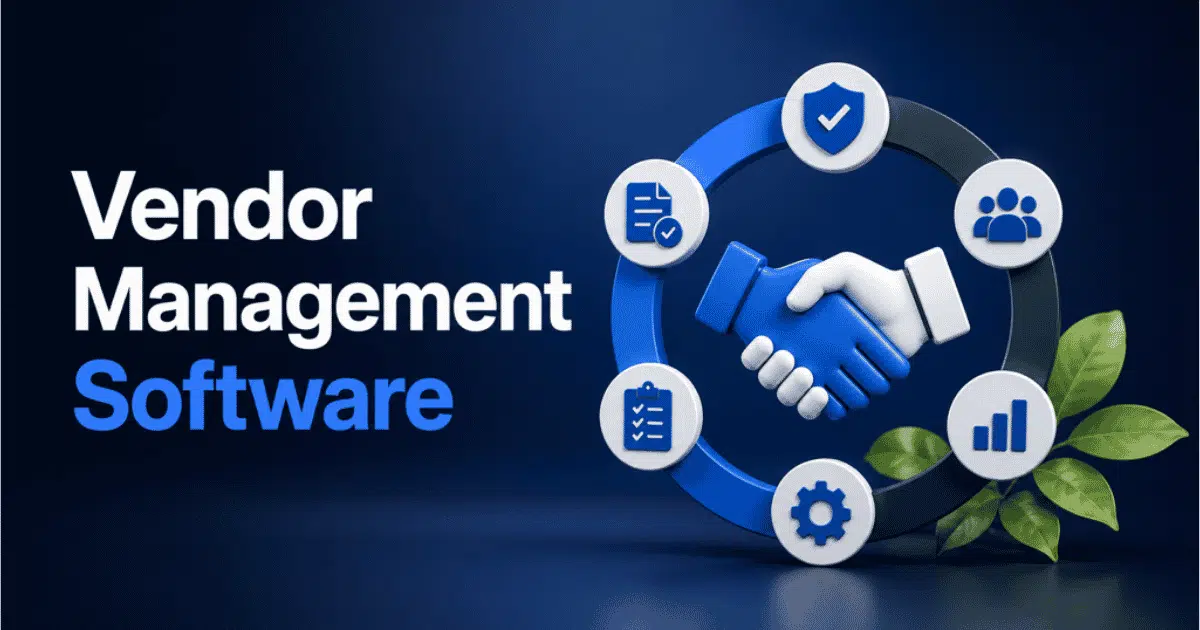
Managing multiple vendors with spreadsheets and emails can quickly become difficult as a business grows. Missed contracts, delayed approvals, and poor communication often weaken vendor relationships and increase operational risks. Modern vendor management software helps businesses centralize vendor data, automate workflows, and improve visibility across the entire vendor lifecycle.
Organizations now rely on vendor management systems to streamline vendor onboarding, monitor performance, reduce compliance risks, and maintain stronger supplier partnerships. Instead of handling tasks manually, teams can use a structured approach to vendor management that improves collaboration and accountability.
From evaluating vendors to tracking contracts and performance, the right solution helps businesses build reliable processes and make better decisions. Understanding the benefits, process, and best practices of vendor management software can help organizations reduce risk, improve efficiency, and create long-term vendor success.
What Is a Vendor Management System
A Vendor Management System (VMS) is a centralized software platform that helps businesses manage vendors, suppliers, and third-party relationships from a single location. It streamlines vendor selection, vendor onboarding, contract management, compliance tracking, performance monitoring, and communication throughout the vendor lifecycle, making it important to understand how custom vs off-the-shelf software choices will impact your implementation.
Unlike spreadsheets or manual processes, a VMS improves visibility and control across all vendor activities. Businesses use vendor management systems to strengthen vendor relationships, reduce operational risks, and automate repetitive tasks. Modern vendor management software also provides reporting, document management, and workflow automation, helping organizations make better decisions and maintain efficient vendor management processes as their vendor network grows.
What Is Vendor Management Software
Vendor management software is a digital platform that helps businesses manage suppliers, contracts, and procurement activities from a single system. As a vendor management solution, it centralizes vendor data, automates workflows, and improves visibility across supplier relationships, so teams should evaluate the custom software cost comparison to understand the long-term financial impact of different solutions.
The software supports essential vendor management processes such as vendor onboarding, document management, compliance tracking, and contract monitoring. It also helps organizations evaluate vendor performance through scorecards, KPIs, and reporting tools. By replacing spreadsheets and disconnected systems, vendor management software enables businesses to reduce administrative work, strengthen supplier relationships, and make more informed decisions throughout the vendor lifecycle.
Types Of Vendor Management Software

A business may work with dozens or even hundreds of suppliers. Different vendor management tools address different needs across the vendor lifecycle, from onboarding and contracts to compliance management and vendor performance. Choosing the right vendor management system depends on your goals, risks, and operational requirements, as well as a clear build vs buy software decision that aligns the platform approach with your long-term strategy.
All-in-One Vendor Management System (VMS)
An all-in-one Vendor Management System combines multiple functions into a single management software platform. Businesses can manage vendor information, automate workflows, and centralize vendor data without switching between multiple applications.
A VMS supports automated vendor onboarding, document storage, compliance tracking, contract management, and vendor payments from one dashboard. It also helps organizations manage vendor relationships more efficiently throughout the vendor lifecycle, and some teams choose flexible custom software solutions when off-the-shelf tools cannot match their unique workflows.
Many companies choose this option because it provides better vendor oversight and reduces administrative work. Teams can conduct vendor assessments, monitor performance, and improve collaboration with external vendors using a centralized platform. Modern vendor management systems also provide reporting and analytics that support better decision-making.
Third-Party Risk Management (TPRM)
Third-Party Risk Management software focuses on identifying and reducing risks associated with external vendors. Organizations use these systems to perform risk assessment activities before and after vendor onboarding.
TPRM solutions help businesses track vendor compliance, evaluate cybersecurity risks, and maintain regulatory standards. Continuous monitoring allows companies to identify issues before they affect operations.
Financial institutions, healthcare providers, and highly regulated industries often rely on these vendor management tools to strengthen compliance management. Risk management capabilities also help organizations reduce operational disruptions and protect sensitive data, especially when combined with strong SaaS security best practices.
Contract Lifecycle Management (CLM)
Contract Lifecycle Management software focuses on the entire contract management process. It helps organizations create, approve, store, renew, and monitor vendor agreements.
CLM solutions reduce manual work by automating approvals, renewal reminders, and compliance tracking. Businesses can easily access contract terms, service-level agreements, and obligations from a centralized location.
Strong contract management practices also improve vendor relationships because expectations remain clear for both parties. Automated workflows reduce delays and minimize the risk of missed renewals or compliance issues.
Procurement And Spend Management
Procurement and spend management software focuses on purchasing activities and vendor payments. These solutions help organizations control purchasing costs, monitor budgets, and improve supplier spending decisions, particularly when powered by robust predictive analytics software that forecasts demand and spending patterns.
Teams can compare vendors, approve purchase requests, and analyze spending trends through a centralized system. The software also helps organizations manage vendor relationships by increasing financial transparency.
Compliance tracking features help businesses maintain purchasing policies and reduce unauthorized spending. Organizations that manage large supplier networks often use these systems to improve efficiency and optimize costs.
Contingent Workforce Management
Contingent workforce management software helps organizations manage temporary workers, contractors, and staffing vendors. Companies that rely on external talent use these systems to automate hiring, onboarding, and workforce tracking.
The software supports vendor assessments, timesheet approvals, and vendor payments while improving compliance management. Automated vendor onboarding ensures that staffing vendors follow company requirements and regulatory standards.
Organizations can manage vendor relationships more effectively by tracking workforce performance, contracts, and service quality. Vendor oversight also becomes easier because all workforce data remains accessible within one platform, especially when contingent labor is coordinated through scalable SaaS tools that power global growth.
Vendor Performance Management
Vendor Performance Management software focuses on measuring supplier effectiveness. Businesses use these systems to monitor vendor performance through scorecards, KPIs, and performance reviews, often integrating SaaS monitoring tools for deeper visibility into uptime and service quality.
The software helps companies conduct regular vendor assessments and identify areas for improvement. Performance data allows organizations to make informed decisions about suppliers and strengthen managing vendor relationships.
Compliance tracking, service quality measurement, and delivery monitoring help organizations maintain accountability. Companies can also identify risks early and improve risk management strategies.
Key Benefits Of Vendor Management Software

Managing suppliers through spreadsheets and emails creates delays, compliance issues, and limited visibility. Vendor management software helps businesses automate vendor processes, improve operational efficiency, and gain better control over vendor relationships throughout the entire lifecycle.
Centralized Visibility
Modern procurement software brings all vendor information into a single platform. Teams can centralize vendor data, access vendor contracts, and review supplier records without switching between multiple systems, so it must fit into a future-proof tech stack for scalable growth.
A centralized system improves vendor analytics and gives stakeholders complete visibility into vendor activities. Businesses can quickly access performance insights, payment history, compliance records, and contract details.
Robust reporting tools also help managers make informed decisions by presenting real-time data across the supplier network. Better visibility reduces duplicate records, improves collaboration, and strengthens vendor oversight throughout the organization.
Streamlined Onboarding
Manual onboarding often creates delays and documentation issues. Modern platforms support streamlined vendor onboarding through automated workflows and approval processes.
Automated vendor onboarding allows businesses to collect documents, validate information, and approve suppliers more efficiently. The system stores vendor information in one place and ensures vendors meet company requirements before engagement.
As vendor networks grow, standardized onboarding reduces administrative work and improves consistency across vendor processes. Faster onboarding also helps organizations begin supplier relationships without unnecessary delays.
Proactive Risk And Compliance Management
Vendor risk can significantly affect business operations. Modern platforms include risk assessment tools that identify potential vendor risks before they become serious problems.
Businesses can track vendor compliance, monitor certifications, and maintain vendor compliance with industry regulations and internal policies. Compliance tracking automatically alerts teams when documents expire or when regulatory requirements change.
Continuous monitoring supports risk management by identifying issues early. Organizations can perform assessments, monitor vendor contracts, and maintain stronger control over external partners.
Cost Optimization
Manual processes often create unnecessary expenses, duplicate payments, and inefficient purchasing decisions. Vendor management software improves financial control through automation and better visibility.
Procurement software helps organizations manage budgets, review spending trends, and optimize supplier costs. Better data allows businesses to negotiate contracts more effectively and reduce unnecessary expenditures.
Organizations also gain stronger control over vendor contracts and purchasing activities. Reduced administrative work and improved financial transparency contribute directly to long-term cost savings.
Improved Performance Tracking
Businesses need reliable methods to evaluate suppliers. Vendor management platforms track vendor performance through scorecards, key performance indicators, and ongoing performance monitoring.
Managers can review delivery rates, service quality, response times, and contract compliance. The system tracks vendor performance continuously and provides actionable performance insights.
Vendor analytics help organizations identify high-performing suppliers and address performance issues early. Better measurement also helps strengthen vendor relationships and improve accountability across the supplier network.
Operational Efficiency
Operational efficiency remains one of the biggest advantages of vendor management software. Automation eliminates many manual processes that consume valuable time and resources.
Approval workflows, document collection, reporting, and compliance tasks become faster and more accurate. Teams spend less time on administrative activities and more time managing vendor relationships.
The right vendor management system supports collaboration, improves communication, and creates consistent workflows across departments. As businesses scale, automation helps maintain efficiency while reducing errors and administrative burdens.
The Vendor Management Process-Step By Step

Managing suppliers requires a structured process that improves visibility, reduces risks, and strengthens supplier relationships. A step-by-step approach helps organizations make better purchasing decisions and maintain a healthy vendor ecosystem.
Identify Business Requirements
Every procurement strategy begins with clear business needs. Organizations should determine budgets, service requirements, and operational goals before contacting suppliers. Requirements may include accounting software, accounting tools, or specialized services procurement needs. Clear objectives help teams identify critical vendors and avoid unnecessary spending.
Find And Evaluate Vendors
After identifying requirements, businesses can search for new vendors that match their goals. Vendor qualification evaluates supplier experience, financial stability, quality standards, and capabilities. Teams should also assess third-party risk to identify operational or compliance concerns before making decisions. Structured evaluations improve supplier selection and reduce future disruptions.
Select And Onboard Vendors
Approved suppliers move into onboarding. This stage introduces company policies, compliance requirements, and operational procedures. Integration with existing systems helps suppliers exchange information efficiently. Proper onboarding reduces delays and establishes clear expectations from the beginning of the relationship.
Manage Contracts And Documentation
Contracts define responsibilities, pricing, service levels, and performance expectations. Centralized documentation helps businesses maintain visibility over agreements and compliance requirements. Integration with accounting software and procurement systems also improves accuracy and supports better record management. Strong documentation reduces risks and improves accountability.
Monitor Vendor Performance
Regular performance reviews help businesses evaluate service quality, delivery performance, and operational effectiveness. Critical vendors often require closer monitoring because they directly affect business continuity. Compliance monitoring and performance assessments help organizations identify issues early and maintain supplier accountability.
Review And Improve Vendor Relationships
Continuous improvement strengthens the entire vendor ecosystem. Regular meetings, performance discussions, and strategic reviews help businesses adjust their procurement strategy and improve collaboration, and many organizations rely on technology consulting services to design and refine these operating models. Reviewing both new vendors and existing suppliers allows organizations to reduce risks and build long-term partnerships that support business growth.
Key Features Of A Vendor Management Software

Vendor management software combines multiple capabilities into one platform to improve supplier operations. From onboarding to reporting, these features help organizations reduce manual errors, maintain compliance, and manage complex supply chains more effectively, especially when delivered as a well-designed SaaS product.
Automated Onboarding
Automated onboarding simplifies the supplier lifecycle by collecting documents, approvals, and vendor information through digital workflows. Businesses can onboard suppliers faster while reducing manual errors and administrative delays.
Automated processes also help business units maintain consistent onboarding standards. Required forms, tax details, and compliance documents remain centralized, improving accuracy and efficiency. Modern onboarding tools support maintaining compliance from the first supplier interaction.
Contract Lifecycle Management (CLM)
Contract Lifecycle Management helps businesses create, approve, renew, and monitor supplier agreements. Centralized contracts improve visibility and reduce risks associated with missed deadlines or expired agreements.
CLM systems also support regulatory compliance by tracking obligations and renewal schedules. Organizations managing complex supply chains benefit from better contract visibility and stronger governance throughout the supplier lifecycle, so teams should choose a tech stack for growth that supports robust integrations with these tools.
Performance Tracking (KPIs & SLAs)
Performance tracking helps organizations measure supplier performance using key metrics and service agreements. Companies can monitor delivery quality, response times, and operational outcomes.
Performance tracking provides valuable performance insights through key performance indicators and scorecards. Businesses can evaluate supplier performance regularly and identify opportunities for improvement. This process also strengthens collaboration between suppliers and internal teams.
Risk & Compliance Management
Risk management features help businesses maintain regulatory compliance and reduce operational risks. Compliance documents, certifications, and policies remain accessible within a centralized platform.
Organizations can monitor supplier activities, conduct assessments, and identify potential compliance issues early. Maintaining compliance becomes easier through automated alerts and continuous monitoring tools. Risk management capabilities are especially important for businesses operating within regulated industries.
Procurement & Invoice Automation
Procurement automation reduces manual work associated with purchasing, approvals, and invoice processing. Vendor-related workflows become faster and more accurate through automation.
Invoice approvals, purchase requests, and payment processes can integrate with procurement systems and financial applications. Automation helps organizations reduce manual errors while improving operational efficiency across multiple business units, particularly when supported by thoughtful cloud migration planning that ensures reliability and scalability.
Reporting & Analytics
Modern reporting tools provide detailed visibility into supplier activities and operational performance. Businesses can access dashboards, reports, and vendor analytics from a single system, which is essential for executing effective SaaS scalability strategies as usage grows.
Analytics support better decision-making by highlighting supplier performance, compliance trends, and operational issues. Reporting tools also help organizations manage complex supply chains by providing accurate data and actionable insights across the entire supplier lifecycle.
How Vendor Management Software Reduces Risk And Compliance Issues
Managing suppliers involves various risks, from compliance issues to operational disruptions. Vendor management software helps organizations reduce these risks through automation, monitoring, and centralized controls that improve visibility across the supplier lifecycle.
Vendor Risk Assessment
Risk assessment helps businesses identify financial, operational, and security risks before working with suppliers. A centralized platform collects vendor information, evaluates risk scores, and supports third party risk management programs.
Organizations can assess critical suppliers, contingent workers, and service providers before onboarding. Many cloud based vendor management solutions automate assessments to improve consistency and reduce manual reviews.
Compliance Document Management
Managing compliance documents manually often creates delays and missing records. Vendor management software stores certifications, policies, contracts, and audit records within a centralized platform.
Businesses can organize documents according to regulatory requirements and maintain accurate records across departments. Integration with ERP systems and SAP solutions also improves document visibility and simplifies compliance activities.
Continuous Vendor Monitoring
Risk levels can change throughout the supplier relationship. Continuous monitoring helps businesses manage vendor activities, detect issues, and monitor performance in real time.
Modern third party risk management platforms track security events, operational issues, and vendor activities throughout the relationship. Ongoing monitoring also improves visibility into service level agreements and supplier obligations.
Automated Compliance Alerts
Automated alerts notify teams about expiring certifications, missing documents, and changing regulations. Businesses can respond quickly before compliance issues affect operations.
Cloud based vendor management platforms often automate reminders, reviews, and approvals. Automation reduces administrative work while helping organizations maintain compliance across multiple suppliers and business units.
Regulatory Compliance Tracking
Regulatory compliance requires continuous oversight and accurate reporting. Vendor management software helps businesses manage audits, maintain records, and track compliance activities.
Reporting dashboards provide visibility into vendor risks, compliance status, and supplier activities. Businesses can also integrate risk data with ERP systems, procurement platforms, and SAP solutions to strengthen governance. This approach helps businesses manage regulatory requirements while reducing third-party risks.
Best Practices For Effective Vendor Management

Effective vendor management requires consistent processes, clear accountability, and strong supplier relationships. Organizations that follow proven practices can reduce risks, improve supplier performance, and create long-term business value.
Implement Vendor Segmentation
Not every supplier requires the same level of oversight. Vendor segmentation helps businesses classify suppliers based on risk, spending, operational impact, and strategic importance.
Critical vendors often need frequent reviews and stronger controls, while low-risk suppliers may require fewer resources. Segmenting vendors allows teams to focus attention where it matters most and allocate resources more effectively.
Define Governance Frameworks
A governance framework establishes clear roles, responsibilities, and decision-making processes. Procurement, finance, legal, and operational teams can work together using standardized procedures.
Defined governance also improves accountability. Approval workflows, communication protocols, and escalation procedures help organizations manage suppliers consistently across departments and reduce operational confusion.
Schedule Business Reviews
Regular business reviews provide opportunities to evaluate supplier performance and discuss future goals. Quarterly or annual meetings help both parties address challenges, review service quality, and align expectations.
These reviews also strengthen communication and allow organizations to identify potential issues before they affect operations. Consistent discussions create stronger partnerships and improve collaboration.
Track Mutual KPIs
Performance measurement helps businesses evaluate supplier effectiveness using objective data. Key metrics may include delivery accuracy, response times, service quality, and contract compliance.
Mutual KPIs create transparency between vendors and organizations. Performance scorecards and dashboards allow both parties to monitor progress, identify weaknesses, and support data-driven decisions.
Build Improvement Plans
Performance issues do not always require replacing a supplier. Improvement plans establish clear goals, corrective actions, and timelines to address performance gaps.
Organizations and vendors can work together to improve service quality, operational efficiency, and overall outcomes. Collaborative improvement efforts often lead to stronger relationships and better long-term results.
Following these best practices helps organizations improve vendor performance, reduce operational risks, and create stronger supplier partnerships. A structured approach to vendor management also supports better decision-making, increased accountability, and long-term business growth.
Common Vendor Management Mistakes To Avoid

Vendor management problems often develop because of weak processes rather than poor suppliers. Organizations that recognize common mistakes early can reduce risks, improve supplier performance, and build stronger vendor relationships.
Equal Vendor Treatment
Not every supplier contributes the same level of value or risk. Applying identical policies to all vendors often leads to poor resource allocation and weak oversight.
Critical suppliers require more frequent reviews, stronger controls, and closer communication. Low-risk vendors may need only basic monitoring. Vendor segmentation helps organizations focus resources where they create the greatest value.
Vendor Dependency Risks
Overreliance on a single supplier creates operational and financial risks. Service interruptions, price increases, or vendor failures can directly affect business continuity.
Organizations should diversify suppliers and develop contingency plans for essential services. Multiple sourcing options reduce disruptions and improve operational resilience. Vendor dependency also increases switching costs and limits negotiation opportunities.
Contract Visibility Gaps
Many companies store contracts across emails, spreadsheets, and multiple departments. Poor visibility often results in missed renewals, duplicate services, and unmanaged obligations.
Centralized contract management helps teams track renewal dates, service commitments, pricing terms, and contractual responsibilities. Better visibility reduces financial leakage and improves accountability across the organization.
Reactive Risk Management
Some businesses address vendor issues only after problems occur. Reactive approaches often lead to compliance failures, operational delays, and unexpected disruptions.
Regular risk assessments, ongoing monitoring, and scheduled reviews help organizations identify issues before they become serious. Proactive risk management improves decision-making and reduces exposure to third-party risks.
Weak Performance Governance
Supplier performance often declines when organizations lack clear expectations and accountability. Without governance frameworks, vendors may miss deadlines, violate service agreements, or deliver inconsistent results.
Performance scorecards, regular reviews, and defined responsibilities help organizations maintain oversight. Measuring key performance indicators also improves transparency and supports continuous improvement.
Avoiding these mistakes helps businesses strengthen vendor relationships, improve supplier accountability, and reduce operational risks. A structured vendor management approach creates better visibility, stronger governance, and long-term value across the entire supplier network.
How To Choose The Right Vendor Management Software

Choosing the right vendor management software requires more than comparing features and pricing. Businesses should evaluate how well the platform supports operations, reduces risks, and scales with future growth. The right solution improves efficiency, strengthens vendor relationships, and supports long-term business goals.
Align Business Goals
Every software evaluation should begin with business objectives. Organizations should identify the problems they want to solve, whether improving compliance, reducing risks, or automating vendor processes.
A solution that aligns with operational goals delivers greater value and supports long-term growth. Understanding business priorities also helps eliminate unnecessary features and narrow down potential vendors.
Evaluate Integration Options
Vendor management software should connect seamlessly with existing business systems. Integration with ERP platforms, accounting software, procurement tools, and CRM systems improves data accuracy and reduces manual work.
Strong integrations create a unified workflow and allow teams to access vendor information from multiple departments. Compatibility with existing technology also simplifies implementation and user adoption.
Assess Security Standards
Vendor data often contains contracts, financial information, and compliance records. Security should remain a top evaluation criterion when selecting software.
Organizations should review encryption methods, access controls, audit trails, and compliance certifications. Strong security standards reduce risks and help protect sensitive business information from unauthorized access.
Examine Workflow Flexibility
Every organization follows different approval processes and vendor workflows. Flexible software allows businesses to customize onboarding, approvals, document management, and reporting activities.
Configurable workflows improve efficiency and support unique operational requirements. The ability to adapt processes also helps businesses scale without replacing existing systems and should align with broader enterprise scalability strategies for growth.
Verify Vendor Credibility
The software provider plays an important role in long-term success. Businesses should evaluate industry experience, customer reviews, implementation support, and product expertise, similar to how you would choose a custom software development partner for a critical system.
Vendor credibility also includes customer service quality, training resources, and product development plans. A reliable software partner helps organizations maximize adoption and achieve better results.
Measure Growth Potential
Business requirements often change over time. The selected platform should support additional users, vendors, workflows, and operational demands as the organization grows.
Scalable solutions reduce future migration costs and support changing business needs. Evaluating growth potential ensures the software continues to deliver value as vendor networks and operational complexity increase, which requires a solid, scalable software architecture behind the platform.
Final Discussions
Vendor management software has become an essential business tool for organizations that work with multiple suppliers, contractors, and service providers. Manual processes, disconnected systems, and limited visibility often create operational risks, compliance issues, and unnecessary costs.
A modern vendor management system helps businesses centralize vendor information, automate onboarding, monitor performance, and improve supplier relationships throughout the entire vendor lifecycle. Features such as performance tracking, contract management, risk monitoring, and compliance controls allow organizations to make better decisions and reduce operational challenges.
Choosing the right software depends on business goals, integration requirements, security standards, and future growth plans. Companies that implement structured vendor management processes often achieve stronger supplier performance, improved compliance, lower risks, and greater operational efficiency.
As vendor networks continue to grow, investing in the right vendor management software helps organizations build stronger partnerships, improve visibility, and support long-term business success.
Frequently Asked Questions
What Is The Difference Between Vendor Management Software And Procurement Software?
Vendor management software focuses on supplier relationships, vendor performance, compliance, and ongoing vendor activities. Procurement software mainly handles purchasing, sourcing, and buying processes. Many modern platforms combine both capabilities to improve operational efficiency.
How Often Should Vendor Performance Be Reviewed?
Most organizations review vendor performance quarterly or annually. Critical suppliers may require monthly evaluations based on service quality, delivery performance, and service level agreements. Regular reviews help businesses identify issues early and improve supplier relationships.
Can Small Businesses Use Vendor Management Software?
Yes. Small businesses can use vendor management software to centralize vendor information, automate workflows, and reduce manual tasks. Cloud-based platforms allow growing companies to manage suppliers efficiently without building complex procurement systems.
What Industries Benefit Most From Vendor Management Software?
Industries such as manufacturing, healthcare, financial services, technology, retail, and professional services commonly use vendor management software. Organizations that depend on external suppliers, contractors, or service providers often gain the most value from these systems.
How Long Does Vendor Management Software Implementation Take?
Implementation time depends on company size, vendor volume, integration requirements, and workflow complexity. Small organizations may complete implementation within a few weeks, while larger enterprises with multiple departments and integrations may require several months.