
A great software product rarely succeeds because of code alone. Businesses today expect a software development company to solve complex challenges, accelerate growth, and create lasting value. The best software development company combines technical expertise with strategic thinking to deliver products that scale with business needs.
From enterprise software development to mobile app creation, companies rely on experienced partners for reliable software development services. Leading software development companies stand out through strong execution, innovative solutions, and measurable outcomes. A software development firm with verified client success often demonstrates the ability to turn ideas into real products.
Whether it is mobile development or enterprise platforms, leading software development firms help organizations build technology that supports growth, improves efficiency, and adapts to changing market demands.
Why Great Software Fails Despite Great Ideas
Brilliant ideas enter the market every day, yet many software products never achieve their expected impact. Failure often stems from poor execution, weak planning, and limited technical capabilities rather than a lack of innovation. Successful products require the right strategy, team, and development approach to turn vision into lasting value.
Missing Market Validation Leads To Failure
Many businesses invest heavily in software development before confirming whether customers actually need the product. Without proper research and feedback, teams may build features that fail to solve real problems.
Custom software development starts with understanding user expectations and market demand. Businesses that validate ideas early are more likely to create software solutions that attract users and generate long-term value.
Poor User Experience Limits Adoption
Users expect products that are intuitive, responsive, and easy to navigate. Weak ui ux design often frustrates customers and reduces engagement, regardless of how advanced the underlying technology may be.
Whether it is web development or mobile app development, user experience directly influences retention and growth. A seamless interface helps businesses stand out in competitive markets and improve customer satisfaction.
Weak Engineering Creates Technical Debt
Shortcuts during development can create long-term challenges. Poor architecture, limited testing, and inconsistent coding standards make systems difficult to maintain and scale over time.
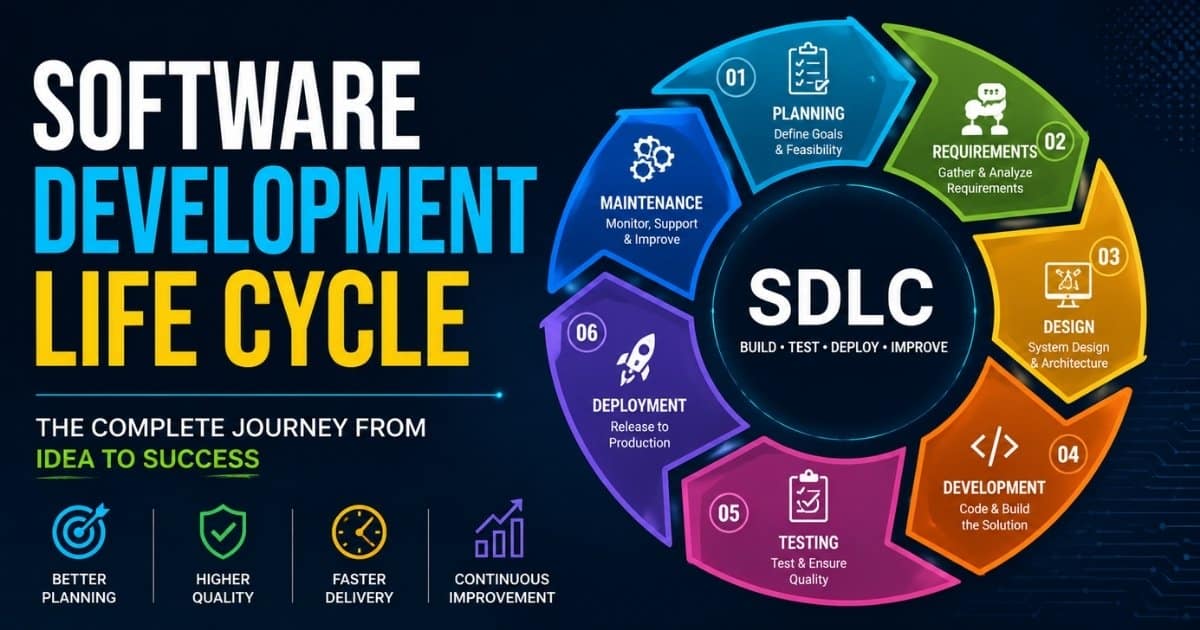
An experienced custom software development company follows best practices throughout the software development life cycle. Strong technical expertise ensures applications remain reliable as user demand and business requirements evolve.
Misaligned Teams Slow Delivery
Software success depends on collaboration between stakeholders, developers, and decision-makers. Miscommunication often causes delays, scope changes, and inefficient workflows that affect delivery timelines.
Dedicated development teams help businesses maintain focus and move projects forward efficiently. Many top software development companies prioritize transparency and collaboration to ensure every stage of custom software development aligns with business objectives.
Execution Turns Ideas Into Products
Ideas create opportunities, but execution determines outcomes. A skilled custom software development firm combines strategy, engineering, and product thinking to transform concepts into scalable digital products.
From enterprise platforms to mobile apps, software development services play a crucial role in building products that adapt to changing markets. Businesses that partner with the right custom software development partner gain access to expertise that accelerates growth and supports long-term success.
Difference Between Developers And Product Partners
Building software is no longer just about writing code. Businesses need teams that understand goals, users, and long-term growth. While a software developer focuses on implementation, a product partner takes ownership of outcomes, strategy, and scalability. Understanding the difference can help organizations choose the right approach for sustainable growth and digital transformation.
Aspect | Developers | Product Partners |
|---|---|---|
Primary Focus | Writing code and features | Solving business problems |
Scope | Assigned tasks | Product strategy and execution |
Communication | Technical updates | Business and technical alignment |
Ownership | Delivery of requirements | Delivery of outcomes |
Planning | Short-term tasks | Long-term roadmap |
Success Metric | Completed development | Business impact and growth |
Business Goals Drive Development
Developers typically execute assigned tasks based on predefined requirements. Product partners go further by understanding business objectives and aligning development efforts with measurable outcomes.
A software development agency that acts as a strategic partner helps businesses prioritize features, reduce risk, and create long-term value. Such collaboration ensures custom software investments directly support growth.
Product Thinking Improves Decisions
Product partners evaluate every feature through the lens of customer value and market needs. Instead of simply building requested functionality, they challenge assumptions and recommend better approaches.
Whether creating custom software solutions or web app development projects, product thinking leads to better user experiences and stronger market fit. Businesses benefit from solutions designed for real-world challenges.
Technical Expertise Supports Scalability
Building modern applications often involves handling complex systems, integrations, and evolving user requirements. Skilled software engineers ensure applications remain secure, scalable, and maintainable over time.
Custom software developers with deep technical expertise can design architectures that support future growth. Such planning reduces technical debt and strengthens long-term software delivery.
Project Management Keeps Teams Aligned
Successful software projects depend on more than coding skills. Strong project management capabilities help teams manage timelines, communication, and changing priorities effectively.
Organizations that treat software development as a collaborative process often experience smoother delivery and fewer delays. Effective project management also improves transparency between stakeholders and development teams.
Long-Term Partnerships Deliver Greater Value
A vendor relationship often ends after launch, but product partners continue supporting growth and optimization. They monitor performance, recommend improvements, and adapt products to changing business needs.
From bespoke software development to enterprise platforms, long-term collaboration creates lasting value. While competitive pricing matters, businesses often achieve better outcomes when they partner with a team committed to continuous improvement and digital transformation.
What Makes A Best Software Development Company
Modern software projects demand more than coding expertise. Businesses need partners that understand growth, adapt to change, and deliver reliable outcomes. The best software companies combine technical excellence with strategic thinking to create products that generate long-term value.
Understand Business Context
Successful software starts with understanding the business behind it. A reliable partner takes time to learn customer needs, industry challenges, and long-term objectives before writing code.
Whether building internal platforms or customer-facing applications, a development company that understands business goals delivers more relevant outcomes. Such an approach ensures software supports growth instead of becoming another disconnected tool.
Challenge Product Assumptions
Not every feature request adds value. The best software development teams ask questions, validate ideas, and identify risks before development begins. They do not simply develop software based on requirements.
A true technology partner helps businesses prioritize features that solve real problems. By challenging assumptions early, teams avoid unnecessary costs and create tailored solutions that align with market demand.
Build For Scalability
Software should support future growth, not just current needs. Businesses expanding into new markets, adopting cloud migration, or processing larger datasets require systems that can scale.
From data engineering to full stack development, scalable architecture enables applications to handle increasing demand. Such planning is especially important for regulated industries where reliability and performance are critical.
Maintain Release Velocity
Fast delivery matters, but quality matters more. The best software company balances speed with stability by using modern workflows, automation, and testing practices.
Consistent software delivery allows businesses to launch features quickly while maintaining delivery quality. A future proof tech stack and flexible engagement models help organizations adapt to changing priorities without slowing progress.
Prioritize Code Ownership
Clean and maintainable code determines how software evolves over time. High-performing software engineers follow standards that improve readability, documentation, and long-term maintenance.
Businesses that hire software developers should look beyond technical skills alone. A custom development team that takes ownership of code creates high quality solutions that remain stable as products grow and requirements change.
Support Continuous Growth
Software development does not end after launch. Market expectations shift, customer behavior changes, and new technologies emerge. Long-term success depends on continuous improvement and adaptation.
Leading development services support businesses through updates, optimization, and innovation. Whether through AI development, data analytics, or custom integrations, a software company focused on scalable growth strategies becomes a reliable partner for solving complex technical challenges and delivering tailored solutions over time.
How Great Companies Maintain Code Quality
Code quality is one of the biggest factors behind software success. Clean, maintainable code improves reliability, reduces costs, and supports future growth. Companies that prioritize engineering standards can build scalable products and deliver consistent results over time.
Establish Clear Engineering Standards
High-performing teams follow coding guidelines, documentation practices, and review processes from day one. Consistent standards make it easier for developers to collaborate and maintain applications as they grow.
Many top software development companies rely on shared engineering practices to reduce errors and improve software quality. Clear standards also help teams create software that remains stable and easier to update in the future.
Invest In Automated Testing
Manual testing alone cannot keep up with modern release cycles. Automated testing helps teams detect issues early and prevent defects from reaching production environments.
Strong testing practices improve cost efficiency by reducing expensive fixes later in the development cycle. Businesses that invest in quality assurance can deliver enterprise grade solutions with greater confidence and reliability.
Prioritize Reviews And Collaboration
Code reviews encourage knowledge sharing and improve overall software quality. Experienced developers can identify performance issues, security risks, and architectural concerns before deployment.
Strong project management and collaboration ensure that teams stay aligned throughout development. Such practices are especially valuable in digital product engineering projects that involve multiple stakeholders and evolving requirements.
Design Systems For Scale
Modern applications must handle growing users, larger datasets, and new integrations. Engineering teams should design systems that support scalability from the beginning rather than rebuilding later.
Scalable solutions help businesses adapt to changing demands while maintaining performance. Whether developing internal platforms, customer-facing products, or cloud-based SaaS solutions, long-term architecture decisions directly influence software success.
Focus On Continuous Improvement
Code quality is not a one-time effort. Successful teams regularly monitor performance, address technical debt, and refine development workflows over time.
A software partner that delivers customized solutions understands the value of continuous improvement. Businesses seeking the best software development outcomes often choose teams that balance innovation, quality, and long-term maintainability. Such an approach supports reliable software delivery and creates products built to evolve with changing business needs.
How The Right Delivery Model Prevents Failure
Software projects rarely fail because of technology alone. Misaligned expectations, unclear ownership, and poor communication often create bigger challenges. The right delivery model establishes structure, accountability, and flexibility, helping businesses reduce risk and achieve better outcomes.
Match The Model To Business Goals
Every project has unique requirements, timelines, and budgets. A startup building an MVP needs a different approach than an enterprise undergoing digital transformation, as shown in case studies of launching an MVP in 90 days. Selecting the right delivery model ensures teams work toward shared objectives.
Whether the goal is custom application development or large-scale modernization, businesses benefit when engagement structures align with their long-term strategy. A trusted technology partner helps determine the best approach based on project complexity and growth plans.
Create Flexible Teams For Changing Needs
Software requirements often evolve as products grow. Teams that cannot adapt quickly may struggle to meet deadlines or changing customer expectations.
Flexible engagement models allow businesses to scale resources up or down when necessary. A dedicated team provides continuity, while specialized expertise supports projects involving ai solutions, cloud adoption, or emerging technologies, similar to the approach in successful SaaS launch case studies. Such flexibility improves delivery quality and reduces disruption.
Improve Collaboration And Ownership
Successful software delivery depends on clear communication between stakeholders, developers, and leadership teams. Well-defined responsibilities prevent confusion and accelerate decision-making.
Organizations that establish transparent workflows often deliver projects more efficiently. Strong collaboration also enables teams to address challenges early and maintain alignment throughout the development lifecycle.
Support Complex Technical Requirements
Modern applications frequently involve complex integrations, data processing, and evolving infrastructure. Projects such as cloud migration, data engineering, and enterprise modernization require both technical depth and strategic planning.
A delivery model built around specialized expertise helps teams manage complex technical challenges more effectively. Businesses also gain access to comprehensive services that support development from planning through deployment.
Build Long-Term Business Value
Software should evolve alongside the business it supports. The right delivery model encourages continuous improvement rather than focusing only on launch dates.
Companies with strong market presence often succeed because they invest in long-term partnerships and technology consulting services. By offering innovative solutions, scalable web solutions, and customized development strategies, a trusted partner can help organizations adapt to change and remain competitive in a rapidly evolving digital landscape.
Measuring Success Beyond Launch Day
Launching software is only the beginning of the product journey. Long-term success depends on performance, adoption, and business outcomes after release. Companies that track meaningful metrics can improve products continuously and maximize return on investment.
Monitor User Adoption And Engagement
A successful launch means little if users do not actively use the product. Businesses should track active users, retention rates, and feature usage to understand customer behavior.
Strong engagement signals that the product solves real problems. Teams can use insights from analytics to improve experiences, apply SaaS design systems for consistency, and refine features based on actual user needs rather than assumptions.
Measure Business Impact
Software should contribute to measurable business outcomes. Metrics such as revenue growth, operational efficiency, and customer satisfaction help organizations evaluate success beyond technical delivery.
Whether the goal is digital transformation or process automation, businesses often rely on tech consulting services and clear KPIs to determine value. Measuring impact ensures investments continue to support strategic objectives over time.
Track Performance And Reliability
Performance issues can affect user trust and slow growth. Monitoring uptime, response times, and error rates helps teams maintain stable and secure applications.
Reliable systems support scalability and improve customer experiences. Businesses that prioritize monitoring can identify issues early and maintain consistent service quality as products evolve.
Improve Through Continuous Feedback
Customer expectations change quickly, making continuous improvement essential. User feedback, support requests, and analytics provide valuable insights for future enhancements.
Product teams that regularly collect and act on feedback can deliver better experiences and remain competitive. Continuous iteration helps software stay aligned with changing market demands.
Evaluate Long-Term Growth Potential
Successful software evolves alongside the business. Teams should assess whether products support new integrations, expanding user bases, and emerging technologies, sometimes revisiting the build vs buy decision through real-world case studies.
Organizations that focus on long-term growth create systems that adapt to future needs. Software modernization for modern businesses and measuring success beyond launch day help businesses build resilient products that deliver lasting value rather than short-term results.
How GainHQ Builds Software That Grows With Your Business
Growth often exposes weaknesses in software that was not built for scale. GainHQ helps businesses avoid those limitations by creating scalable, future-ready products tailored to evolving needs. From startups launching MVPs to enterprises modernizing legacy systems, Gain Solutions’ custom software development services combine technical expertise with business strategy to deliver lasting value.
GainHQ approaches every project as a long-term technology partner rather than a short-term vendor. Its team specializes in custom software development, SaaS platforms, AI integration, and cloud-native applications designed for growth, demonstrating how custom software transformed companies across industries. By following agile practices and focusing on clean architecture, GainHQ ensures products remain secure, maintainable, and adaptable over time.
Whether businesses need custom applications, platform modernization, or digital transformation initiatives, GainHQ builds flexible custom software solutions that evolve with changing markets, support increasing user demands, and create sustainable competitive advantages.
Frequently Asked Questions
How Long Does It Typically Take To Build Custom Software?
Development timelines vary based on project scope, features, and complexity. A simple application may take a few months, while enterprise platforms with integrations and advanced functionality often require longer development cycles and phased releases.
What Should Businesses Prioritize When Evaluating A Software Partner?
Beyond technical skills, businesses should assess communication, industry expertise, delivery processes, and post-launch support. A strong partner aligns technology decisions with business goals and, through technology consulting services for modern businesses, provides long-term value rather than only development services.
Can Existing Legacy Systems Be Modernized Instead Of Rebuilt?
Yes. Many organizations modernize legacy applications through cloud migration, API integrations, or gradual refactoring, often after evaluating a build vs buy software decision. Modernization often reduces costs and minimizes disruption while extending the life of existing systems.
Why Is Post-Launch Support Important For Software Products?
Software requires continuous updates, monitoring, and optimization after launch. Regular maintenance helps address security issues, improve performance, and adapt products to changing customer expectations and business needs.
How Do Agile Development Practices Improve Project Outcomes?
Agile methodologies encourage iterative delivery, faster feedback cycles, and closer collaboration between stakeholders and developers. Such an approach reduces risk, improves transparency, and ensures products remain aligned with evolving requirements, topics frequently explored on the GainHQ software development blog.