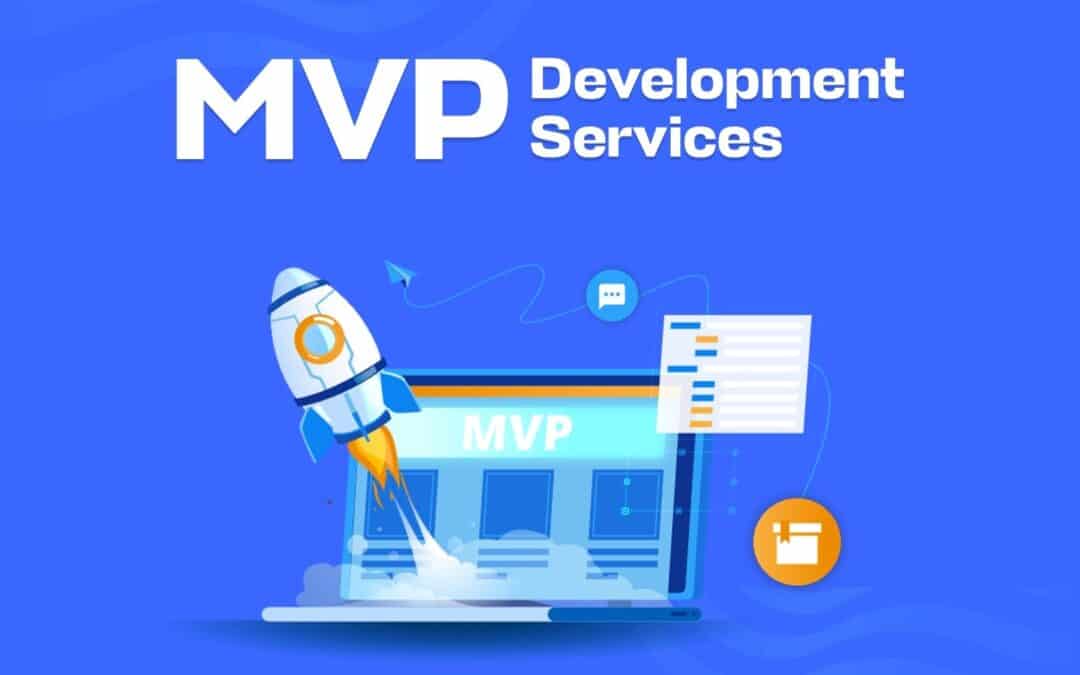
A Minimum Viable Product gives startups and product teams a clear route to validate ideas before they invest heavily in full development. MVP development services help businesses focus on one core feature that solves a real problem, so they can test actual user needs with a basic version. Early user feedback reveals what the market values, supports cost savings, and strengthens the core value proposition.
A focused MVP also helps teams understand market demand, refine their business model, and plan future iterations with confidence. A streamlined development process ultimately reduces risks and accelerates user adoption by ensuring the product idea aligns with real-world expectations.
What Is An MVP (Minimum Viable Product)
Minimum Viable Product refers to a focused and streamlined approach for bringing a new product idea to life with the least resources. The goal stays simple: release a basic version that delivers the core value and helps teams learn what users actually want. Minimum viable product MVP frameworks allow founders to test assumptions early, validate real demand, and avoid building unnecessary features. Many teams also consider the minimum marketable product model when they want the first release to offer enough value for early customers. This method helps test a simple idea in real environments and shows whether the concept deserves further investment.
Why MVP Development Is Important For Startups
MVP development helps new ventures validate market demand early, test assumptions, and shape a strong business model without heavy investment. This approach supports risk reduction, clarifies the core value proposition, and addresses the common reasons why startups fail before growth begins.
Market Demand Validation
Startups benefit when they confirm whether users actually want their solution before committing full resources. Market demand becomes clearer once a small group of real users interacts with the initial release. Teams observe how people react to the product’s core value proposition and understand whether the problem is worth solving. This stage highlights actual user behavior instead of relying on assumptions. Practical insights gathered from early usage guide smarter decisions and show if the solution deserves scale.
Market Research Alignment
MVP development strengthens market research efforts by combining user data with real-world testing. Traditional market research often depends on surveys or theoretical projections, which may not reflect true market behavior. Startups gain a more accurate view when they validate insights through early product usage. The initial launch offers a reliable way to understand preferences, pricing tolerance, and feature expectations. This alignment supports better planning and ensures the product evolves based on genuine market needs rather than speculation.
Risk Reduction Through Early Learning
Product teams lower risks significantly when they release a smaller version of their idea instead of developing a complete product from day one. Risk reduction happens because the team invests only in essential features and learns quickly from feedback. No major resources are wasted on features that users do not value. This approach reveals technical, financial, and market risks early, when they are easier and cheaper to fix. The process allows the team to adapt continuously and maintain forward momentum.
Why Startups Fail Without Validation
Many startups fail because they build products that do not solve an urgent user problem or lack a clear market fit. MVP development helps founders avoid this common trap by focusing on what users actually want. Early feedback exposes gaps in the product idea and confirms whether the solution aligns with real-life pain points. When founders skip validation, they risk spending time and money on features that users ignore. MVP-driven learning provides clarity, direction, and evidence to support every next step.
Core Value Proposition Focus
Startups progress faster when they define and protect the core value proposition. MVP development requires founders to prioritize one key benefit that stands at the center of the product. This discipline prevents unnecessary complexity and improves communication with users. A focused offering helps founders highlight the main problem they aim to solve and understand whether users resonate with it. By concentrating on the essential value, the team builds a stronger foundation for future growth and product evolution.
Business Model Clarity
MVP development supports the discovery of a practical and sustainable business model. Once real users interact with the product, startups begin to understand how revenue might flow, which customer segments show interest, and what pricing structures work. These insights shape a business model grounded in real-world behavior rather than guesswork. Clear data also assists founders in planning cost structures, identifying profitable channels, and forecasting future growth. A strong business model gives the startup confidence as it moves toward scale.
How To Define MVP Features Quickly
MVP feature planning stays effective when teams keep a narrow focus on essential features, understand what users truly need, and prioritize the elements that deliver the highest value. A clear approach helps shape a focused feature set without slowing development.
Identify Essential Features
Teams start by outlining essential features that address the main user problem directly. This step avoids unnecessary complexity and helps keep the product simple, functional, and easy to test. Early clarity ensures faster delivery and sharper user feedback. When founders limit distractions, they maintain momentum and keep development aligned with actual needs. Essential elements form the base that users interact with, allowing the team to validate ideas quickly.
Highlight Core Features
Every MVP must revolve around a few core features that create the strongest connection between users and the product. These elements demonstrate the product’s purpose and show what makes the solution meaningful. A clear focus on core functionality prevents bloated development cycles and reduces the chance of building features that do not matter. Teams gain clearer insights when the MVP showcases only what users value most in practical situations.
Define A Sharp Feature Set
A well-defined feature set helps founders understand what belongs in the first release and what can wait until later iterations. This approach removes confusion and supports accurate planning. Each feature should directly link to the main product objective or user need. When the team documents the scope clearly, they reduce unnecessary revisions, manage development timelines better, and create a product that users can evaluate effectively from day one.
Establish Feature Priorities
Teams assign feature priorities to determine what needs to be built immediately and what can move into later phases. This process ensures faster delivery and helps maintain a manageable workload. Proper prioritization relies on user value, technical feasibility, and overall product goals. When founders use data, feedback, and business logic to make these decisions, the MVP remains focused and easier to develop. Clear priorities also support stronger communication across the development team.
Focus On One Core Feature
Startups gain early traction when they concentrate on one core feature that clearly solves the primary user problem. This approach helps users understand the product’s purpose immediately and gives founders fast, accurate feedback. A narrow focus reduces the chance of overbuilding and keeps the team aligned with the main objective. Once the primary value proves meaningful in the market, the team expands confidently with new features based on real insights rather than assumptions.
MVP Scope, Requirements, And Planning
MVP planning depends on a clear scope, precise requirements, and a development team that stays focused on real user needs. Strong alignment reduces scope creep, supports smooth MVP development, and ensures the MVP project delivers meaningful early value.
Define a Clear MVP Scope
Founders start by outlining the boundaries of the MVP scope so the team understands what must be included and what must wait for future releases. A narrow scope helps reduce unnecessary complexity. Clear limits prevent the team from drifting into unplanned tasks and keep the effort centered on solving one primary user problem. The scope also guides timelines, resource allocation, and early testing plans.
Translate Scope Into Requirements
Product requirements become the bridge between what the team plans and what the MVP must achieve. These requirements describe the essential workflows, core functions, and expected user behaviors. Detailed requirements help MVP development services operate efficiently and ensure the product behaves consistently for early users. Proper documentation also reduces misunderstandings and shortens development cycles by giving everyone a shared reference point.
Keep The Development Team Aligned
Strong alignment ensures the development team moves in the same direction from day one. When each member understands priorities, constraints, and the core value expected from the MVP, the process becomes smoother. Regular communication sessions clarify progress and challenges. Alignment also helps avoid duplicated efforts, missed tasks, and unnecessary revisions.
Protect The Project From Scope Creep
Scope creep often harms early-stage product teams by increasing workload and slowing delivery. Startups avoid this issue when they review every new idea against the MVP goals. If a suggestion does not support the primary value or early validation, it should move into a later phase. A disciplined approach ensures the MVP project stays on track and reaches users quickly with minimal waste.
Plan A Structured Development Roadmap
A development roadmap outlines the sequence of tasks, deadlines, responsibilities, and quality benchmarks. This roadmap offers a clear view of the work ahead and reduces confusion across teams. When milestones remain realistic and tied to requirements, MVP development becomes predictable. The roadmap also supports better coordination between designers, engineers, and product leads.
Set Up Feedback And Iteration Cycles
Feedback cycles help teams improve the product using actual user insights instead of guesswork. Early testers highlight usability issues, missing elements, and potential improvements. These insights guide the next development steps and ensure the team remains focused on real needs rather than assumptions. Structured iterations help the team stay aligned and maintain steady progress while keeping the product lightweight and purposeful.
MVP Development Cost And Timeline Guide
MVP development requires a balanced approach where teams keep development costs controlled, avoid investing heavily too early, and focus on fast validation. A clear plan helps founders understand expected cost ranges, potential cost savings, and realistic timelines before committing tens of thousands to a full build. Costs vary based on complexity, location, and team structure, and high-cost regions such as San Francisco usually push the maximum amount upward for early-stage product work. A structured cost overview ensures smarter decisions and a predictable development journey.
MVP Cost And Timeline Overview Table
Category
Typical Range
Notes
Estimated Development Costs
USD 8,000 – 45,000
Simple MVPs stay near the lower range; complex features increase scope and push the amount closer to tens of thousands.
Timeline For Basic MVP
4 – 8 Weeks
Suitable for products with one core feature and minimal integrations.
Timeline For Moderate MVP
8 – 14 Weeks
Involves multiple core features, user roles, dashboards, or integrations.
Cost Influence Factors
Feature complexity, team structure, design detail, region
San Francisco and similar regions raise costs significantly.
Potential Cost Savings
20% – 40%
Lean features, clear requirements, and offshore teams create measurable savings.
Understanding Development Costs
Development costs depend heavily on the scope of work, required features, and overall product complexity. Simple MVPs with one primary workflow usually fall on the lower end of the range. As the feature set grows, the price increases sharply because each additional element requires design, development, testing, and refinement. Hiring a team in a premium market such as San Francisco raises the total budget even further. Clear planning prevents unnecessary features and helps keep the spend under control.
Evaluating Cost Savings Opportunities
Teams gain cost savings when they reduce initial complexity and focus on validating one idea before expanding. A narrow scope lowers design and engineering hours, creating a faster development cycle. Outsourcing to reputable offshore or nearshore teams often reduces costs by 30 percent or more without hurting quality. Reusing existing components, templates, and third-party integrations improves efficiency and reduces unnecessary build time.
Estimating The Maximum Amount Needed
Founders often ask about the maximum amount required for an MVP. The figure varies depending on the concept, but complex builds, multi-role systems, or advanced integrations can reach the upper range of tens of thousands. Detailed requirements prevent cost surprises because the team understands exactly what must be built. When founders avoid investing heavily at the start, they maintain flexibility for pivots and future improvements.
Planning Timeline Expectations
Timelines depend on how quickly the team can finalize requirements, lock the feature list, and maintain steady momentum. A four-to-eight-week window works for lightweight products, while full-feature MVPs may require more time. Strong communication between designers, developers, and product leads ensures the project flows smoothly. A structured workflow keeps progress visible and prevents delays caused by unclear decisions or shifting priorities.
Lean Startup & MVP Framework
Lean Startup principles help founders move fast, test assumptions early, and shape products through practical experimentation. The framework relies on validated learning, real-world testing, and a simple mvp built with the least effort required.
Validated Learning As The Foundation
Validated learning sits at the center of the Lean Startup approach. Teams release a basic product version, observe real user behavior, and measure whether the idea meets genuine needs. This process replaces opinions with evidence. Every cycle reveals whether the product direction makes sense and whether the idea deserves further development. Learning through data allows founders to refine concepts without wasting resources.
Test Assumptions Early
Every new idea contains assumptions about user needs, market fit, and problem relevance. Teams test assumptions early to determine whether these beliefs match real user behavior. Small experiments highlight what resonates and what falls short. A structured testing approach prevents teams from building features based on incorrect expectations. Each learning milestone helps maintain clarity and momentum.
Validate Assumptions In Real Conditions
Validating assumptions becomes more accurate when the product reaches real environments. Real-world testing exposes the product to natural usage patterns that surveys or theoretical research often miss. Users reveal pain points, misunderstandings, or unexpected value moments. These insights guide better decisions and reduce the risk of drifting away from actual demand.
Build A Simple MVP
A simple MVP helps teams deliver only the most necessary features needed to learn. This version supports fast deployment, early feedback, and continuous improvement. By avoiding complex functionality too early, founders maintain flexibility and reduce development overhead. A small, focused product offers clearer signals that guide the next iteration.
Use The Least Effort For Maximum Learning
Least effort refers to conserving time, capital, and engineering power while still reaching meaningful insights. The goal is not cutting corners but focusing only on what creates learning. This method limits waste, protects budgets, and prevents unnecessary complexity. When each build-measure-learn cycle requires minimal effort, progress becomes steady and manageable.
Strengthen Product Direction Through Iteration
Lean Startup and MVP frameworks work together to refine the product through small, rapid iterations. Each cycle highlights user reactions, uncovers improvements, and strengthens product direction. This disciplined approach helps founders reduce risk, stay grounded in data, and advance with confidence rooted in measurable learning.
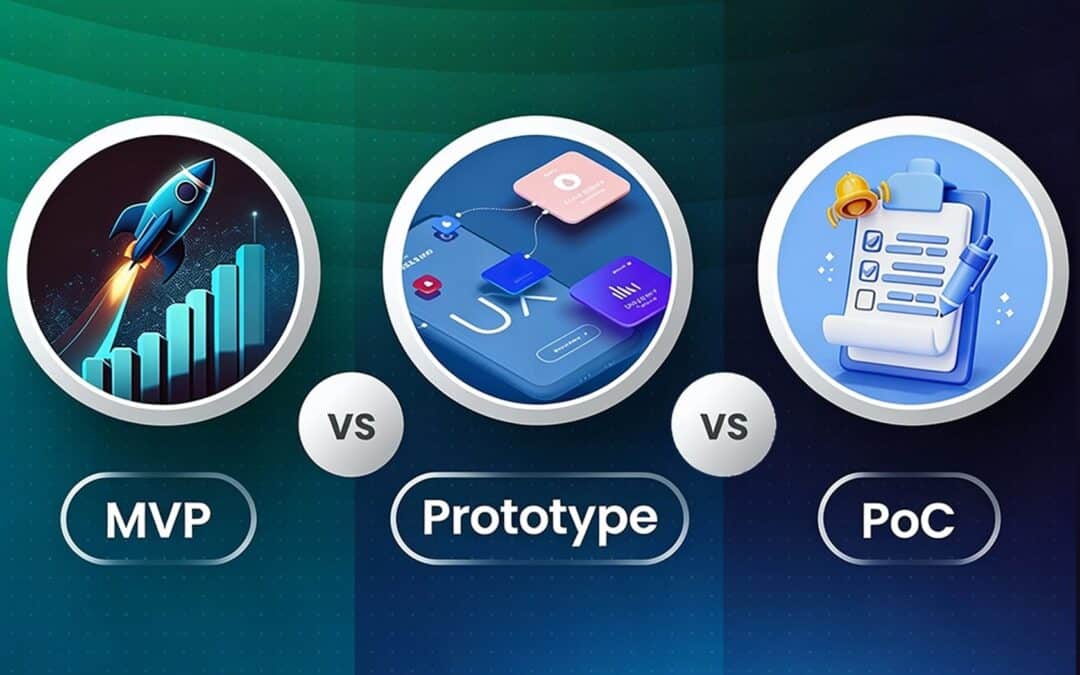
MVP vs Prototype vs POC
Startups often compare POC, prototype, and MVP to decide which approach supports early validation best. Each option serves a different purpose, from checking feasibility to presenting interactions or releasing an actual product that users can test in real conditions.
Proof Of Concept Shows Feasibility
A POC demonstrates whether an idea or technology can work at the most basic level. It does not aim to look polished or user-friendly. The goal stays focused on technical validation. Teams may use a basic website mock, a simple workflow script, or a limited backend test to confirm feasibility. A POC answers one question: can the idea work? It helps teams avoid investing in impossible concepts and prevents early-stage risk.
Prototype Demonstrates User Experience
A prototype helps founders visualize how a product may look and behave before coding the full system. This version often appears as a simple website, interactive wireframe, or clickable interface that shows user flows without functioning logic. A prototype also supports storytelling by presenting a demo video that explains the experience. Stakeholders see the direction clearly and understand how the final system might operate. It helps validate usability, layout decisions, and design assumptions.
MVP Delivers The First Actual Product
An MVP provides the earliest version of the actual product that users can interact with in real environments. This release focuses on essential functionality rather than aesthetics. It lets teams gather real feedback, measure usage patterns, and determine market interest. A single feature mvp often becomes the fastest path to test the core idea. When users experience the primary value firsthand, founders gain reliable insights that shape future iterations.
Concierge MVP Offers Manual Validation
A concierge MVP tests user behavior without building full automation. Instead of coding every workflow, teams handle tasks manually behind the scenes. This method helps validate demand quickly and reduces development cost. Users understand the service value, while the team studies reactions and identifies patterns. Manual operations help highlight what must be automated later and what users truly care about.
Simple Website MVP Provides Lightweight Testing
A simple website or basic website with a signup form, landing message, or core interaction helps teams learn whether people show interest. This lightweight approach works well when demand remains uncertain. It also supports efficient lead collection. Founders measure conversions, user intent, and key reactions without committing to heavy engineering work.
Choosing The Right Approach
POC confirms feasibility, prototypes validate experience, and MVP validates real usage. Teams pick based on what they need to learn next, ensuring steady progress toward a product that proves value with clarity.
MVP Design And UX Essentials
MVP design focuses on clarity, simplicity, and alignment with real user needs. The goal stays centered on expressing the core idea with essential features that solve meaningful pain points. Strong UX choices help reveal how users behave, what they value, and where future iterations should evolve.
Focus On The Core Idea
A successful MVP design begins with a sharp understanding of the core idea. This foundation guides every design decision and keeps the product free from unnecessary complexity. Teams identify the single most important problem the product must address and ensure every interaction supports that purpose. A clear idea also helps shape the narrative that users experience during their first impression.
Map User Needs Early
User needs shape the direction of the MVP’s overall experience. Teams analyze target behaviors, motivations, and challenges to understand what users expect from the product. Strong UX design ensures each screen and workflow reflects real priorities rather than internal assumptions. When the experience matches what users actually want, engagement becomes higher, and feedback becomes more accurate.
Identify Pain Points That Matter
Pain points highlight the obstacles that prevent users from achieving desired outcomes. MVP design focuses on addressing the most urgent pain points first. By narrowing attention to high-impact issues, the team delivers meaningful value without overextending resources. A clear understanding of pain points also helps founders evaluate whether the product solves a relevant problem worth scaling.
Select Essential Features Only
Essential features define what the MVP must include in the first release. These features support the core idea and help users complete key actions smoothly. Careful selection prevents the interface from becoming cluttered and keeps the experience intuitive. Each essential feature should directly contribute to learning, validation, or value delivery. Anything outside this scope moves to the backlog for later consideration.
Observe How Features Users Interact With
MVP design succeeds when teams study how features users actually use inside the product. Real usage reveals which interactions feel natural, which steps cause friction, and which elements need refinement. Observing these patterns helps teams make evidence-based improvements. UX insights collected from real behavior provide more accuracy than assumptions or theoretical planning.
Prepare For Future Iterations
Future iterations depend on the insights gained from the MVP’s first release. UX teams refine flows, optimize navigation, and introduce new features only after confirming what users need most. The design evolves naturally based on validated learning, not guesswork. This continuous improvement cycle strengthens the product, enhances usability, and improves long-term adoption.
How To Choose The Right Tech Stack For MVP Development
Selecting the right tech stack shapes the entire development process and helps teams deliver a reliable MVP without unnecessary complexity. The goal stays focused on building only what matters, validating actual behavior, and supporting future expansion without slowing early progress.
Understand The Product Requirements
Founders begin by defining what the MVP must achieve. Clear requirements guide language, framework, and database choices. Teams outline the primary problem, expected workflows, user interactions, and long-term vision. This clarity allows developers to choose technologies that support the immediate goal while keeping the path open for scale. The more accurate the requirements, the easier it becomes to match them with the right tools.
Evaluate Technical Complexity
Some MVPs require complex features such as recommendation engines, real-time updates, or advanced integrations. Others only need basic workflows. The level of technical complexity influences whether lightweight frameworks or more robust platforms fit better. Simple products benefit from fast, flexible stacks, while MVPs with complex features need scalable architecture from the start. A realistic assessment keeps the build efficient and avoids overengineering.
Match Features With The Right Tools
Each MVP includes core features that shape the user experience. When teams want more features in future versions, the tech stack must allow smooth expansion. For example, payment processing requires secure and compliant platforms, while photo sharing needs strong storage, optimized media handling, and quick delivery. Matching the stack with these needs prevents technical debt and reduces future rework.
Consider Development Speed And Flexibility
Early-stage teams benefit from technologies that support rapid iteration. Frameworks with strong community support, reusable components, and clear documentation help developers move faster. The MVP development process becomes smoother when tools allow quick adjustments based on feedback. Flexibility also ensures seamless updates once users reveal what needs refinement. A stack chosen for speed accelerates validation and reduces early costs.
Study Actual Behavior Expectations
User behavior influences which technologies work best. If the product requires real-time updates, instant notifications, or high-frequency interactions, the stack must support low latency and fast data exchanges. If the product focuses on static workflows or simple transactions, lightweight solutions perform well. Understanding actual behavior ensures the tech stack matches how users will interact with the MVP every day.
Plan For Future Growth Without Overbuilding
A good MVP tech stack balances present needs with future scalability. Teams choose tools that allow smooth expansion without forcing them to rebuild everything later. This approach avoids unnecessary upfront cost while supporting long-term growth. The stack must remain flexible enough to add new modules, integrate third-party services, or support increased traffic. Planning helps startups scale confidently once the MVP proves value in the market.
MVP Development Process From Idea To Launch
MVP development follows a structured path that turns a raw concept into a usable product tested by real user groups. Each stage helps founders validate assumptions, reach early adopters, and understand what potential users truly expect before expanding with new features.
Define The Core Problem
Teams start by identifying the main problem the product must solve. This clarity shapes direction and prevents unnecessary complexity. A strong understanding of the problem also ensures the MVP tackles a real need rather than an internal assumption. When founders outline the core value clearly, every later decision becomes easier, from feature selection to positioning.
Validate Demand With A Landing Page
A landing page helps confirm whether people show interest before building the full solution. This approach allows teams to test messaging, gather signups, and evaluate which value propositions attract attention. A landing page offers a low-cost way to collect early data from potential users and measure whether the idea resonates. Strong conversion signals provide confidence that the MVP stage deserves investment.
Shape The MVP Feature Set
Once interest becomes clear, teams define the essential functions needed for practical testing. The feature list must focus entirely on helping users complete one or two meaningful actions. Including too many capabilities early slows progress and distracts from validation. The goal stays centered on releasing a version that demonstrates value, attracts early adopters, and reveals real user behavior patterns.
Build And Prepare The First Release
Development begins after the team confirms scope, technical choices, and workflows. Designers create simple interfaces, engineers build the essential functionality, and product leads ensure each element aligns with the main objective. The development cycle stays fast and lean. Quality testing ensures the product behaves consistently and supports a smooth first-time experience for early adopters.
Launch To Real User Groups
The launch targets a manageable group of early adopters rather than the full market. These users experience the MVP in real conditions and provide insights that internal teams cannot uncover on their own. Founders observe how people interact with the product, what confuses them, and which elements create the most value. Real user feedback at this stage becomes essential for shaping next steps.
Collect Feedback And Plan New Features
User feedback guides every improvement. Teams analyze comments, usage data, and behavior patterns to understand where the product needs refinement. The next phase involves planning new features that match real demand rather than assumptions. Improvements remain incremental to avoid bloated releases. Each enhancement pushes the product closer to market fit and strengthens long-term growth potential.
Move Toward Scaling
After validation, the product becomes ready for broader expansion. The development team improves stability, enhances user experience, and introduces additional features confirmed by early-stage learning. This measured approach reduces risk, supports sustainable growth, and ensures the product evolves based on evidence gathered throughout the MVP journey.
Testing, Feedback, And Iteration For MVP Success
MVP success depends on how effectively a team runs MVP testing, gathers reactions, and applies insights from early users. Strong feedback loops help founders refine the product, improve user adoption, and build a final product that aligns closely with the target audience. This process continues throughout the MVP lifecycle to ensure every improvement comes from real behavior rather than assumptions.
Start With Focused MVP Testing
MVP testing begins once the first version becomes ready for real-world use. The goal stays centered on understanding how users interact with the core features and whether the product solves the intended problem. Early tests reveal friction, missing elements, and unexpected behavior patterns. This information helps founders achieve a better understanding of user priorities. Structured tests also highlight whether the solution encourages repeated use, which becomes essential for long-term retention.
Collect And Analyze User Feedback
User feedback drives nearly every improvement during the MVP stage. Teams observe how individuals navigate workflows, complete tasks, and react to overall usability. Direct comments offer clarity that internal assumptions often overlook. When founders analyze feedback carefully, they detect subtle pain points, confusing steps, and value moments where users show excitement. A combination of interviews, surveys, and in-app actions creates a complete picture of user expectations.
Use Early User Feedback To Guide Decisions
Early user feedback helps founders avoid developing unnecessary features and reduces wasted effort. Observing real reactions gives teams the evidence they need to refine the experience with confidence. Feedback from the first group of users becomes especially important because these individuals represent the earliest version of the target audience. Their behavior reveals what users love, what they ignore, and what needs improvement. Early insights shape each iteration and strengthen the product’s direction.
Encourage Customers To Provide Feedback
Customer feedback increases accuracy when teams make it easy and convenient for users to share their thoughts. Simple feedback forms, support chats, and quick prompts inside the product remove friction from the process. When users feel heard, they participate more actively. Founders collect valuable input faster, allowing them to respond quickly and refine the experience before releasing updates to more users.
Gather Feedback Continuously
Feedback must be gathered at every step, not only after major releases. Continuous collection helps teams stay aligned with real-user reactions and understand how small adjustments affect usage. This ongoing cycle keeps the team grounded in genuine experience rather than assumptions. As more users interact with the product, the feedback base expands, making insights more reliable and easier to prioritize.
Iterate Toward A Stronger Product
Iteration remains the core engine of MVP success. Each update relies on data gathered from MVP testing and real feedback loops. Small improvements accumulate into meaningful upgrades that users appreciate. Founders refine navigation, improve clarity, and enhance value delivery with every cycle. This disciplined approach ensures the final product emerges from real evidence rather than guesswork. By listening closely to the target audience and adapting quickly, teams build a solution that users adopt, trust, and ultimately love.
Why Gain HQ Is The Right Partner For MVP Development
Gain HQ supports startups with MVP development services built around clarity, speed, and real-world testing. The team structures each MVP phase to reduce risks, streamline decisions, and keep the development process focused on delivering real value. Founders benefit from a practical approach that includes essential feature planning, rapid iterations, and ongoing validation with genuine users. Gain HQ also offers concierge MVP options for teams that need fast market insights without full automation. This method strengthens risk reduction efforts and helps confirm demand early. With a disciplined workflow and a team committed to measurable outcomes, Gain HQ becomes a dependable partner for bringing early-stage products to market confidently.
FAQs
What Defines A Minimum Viable Product?
A Minimum Viable Product represents the simplest version of a new solution that delivers essential value with minimal features. It helps teams validate market demand, understand real user behavior, and confirm the product’s direction before expanding. The purpose stays focused on learning, reducing waste, and avoiding unnecessary development work.
How Long Does MVP Development Usually Take?
MVP timelines often range from four to twelve weeks. Simple MVPs that revolve around one or two core features finish faster, while products with complex flows or integrations take longer. Timelines also depend on the clarity of requirements, the team’s expertise, and how quickly decisions are made during the development phase.
How Much Does It Cost To Build An MVP?
The cost of an MVP usually falls between USD 8,000 and 45,000. The final budget depends on feature complexity, design depth, development hours, and the region where the work is done. Clear planning helps avoid unnecessary expenses and ensures every dollar contributes to validation rather than excessive build work.
Why Do Startups Rely On MVP Development Services?
Startups rely on mvp development services to reduce risk, move quickly, and test real demand without committing to full-scale development. These services help teams focus on essential features, measure early traction, and refine the product based on practical insights rather than assumptions.
What Makes MVP Different From A Prototype?
A prototype visualizes user experience through screens or interactive flows but does not function as a complete product. An MVP, in contrast, operates in real conditions, interacts with real data, and allows users to test the solution’s core value directly.
What Is A Concierge MVP?
A concierge MVP relies on manual operations instead of automation. This approach helps teams validate problem-solution fit fast, without building complex systems upfront. It’s ideal when founders need quick insights with minimal development work.
When Should Founders Add New Features?
Founders should add new features only when user feedback confirms actual demand. Each improvement must support clearer value delivery, stronger adoption, and better learning.
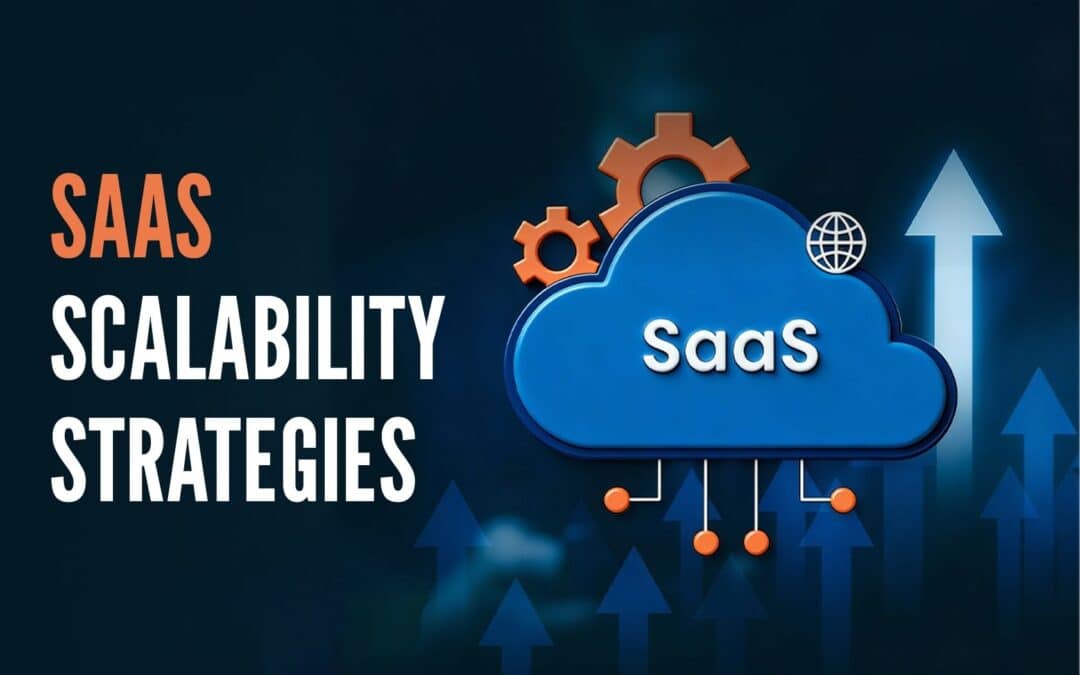
SaaS scalability strategies define how a SaaS business grows without compromising performance, reliability, or customer satisfaction. For every SaaS business owner, scalability determines whether growth strengthens the SaaS platform or exposes weaknesses across the entire system. As more users join, platforms must meet rising user demand while controlling operational costs and maintaining consistent experiences.
Rapid growth increases pressure on infrastructure, teams, and processes. Customer expectations rise as new users and paying customers expect the same reliability as existing customers. This guide explains key strategies that help SaaS companies scale confidently, protect business health, and support future growth from planning to execution.
What Is SaaS Scalability
SaaS scalability refers to the ability of a SaaS platform to support more users, higher workloads, and expanding customer segments without compromising performance or system reliability. It covers SaaS infrastructure, internal operations, and the customer experience across the entire system. A scalable system allows SaaS companies to add new users, serve paying customers, and enter new markets while maintaining consistent performance and strong business health.
Unlike short-term SaaS growth tactics, scalability requires teams to proactively plan for future growth. Growth may help attract potential customers, but true SaaS scalability ensures predictable cost efficiency, controlled operational costs, and long-term operational efficiency. Scalable architecture, cloud providers, and distributed systems help SaaS businesses respond to user demand without disruption.
Strong SaaS scalability directly improves customer satisfaction and user satisfaction by meeting customer expectations during rapid growth. It also supports sustainable growth by protecting system reliability, enabling efficient scaling, and allowing SaaS business owners to scale a SaaS business confidently in a competitive SaaS industry.
Different Types Of SaaS Scalability Strategies
SaaS scalability strategies fall into architecture-driven, infrastructure-focused, growth-oriented, and operational categories. Each area supports efficient scaling across technical systems, teams, and customer-facing processes. Together, these approaches help SaaS companies manage rapid growth while maintaining performance and reliability.
Architecture-Driven SaaS Scalability Strategies
Architecture-driven SaaS scalability strategies determine how effectively a SaaS platform supports rapid growth without compromising performance or reliability. Well-planned architecture allows SaaS companies to handle more users, rising workloads, and evolving customer expectations while maintaining system stability and long-term operational efficiency.
Modular Architecture Strategy: Modular architecture divides a SaaS platform into independent components that operate and scale separately. This approach reduces risk across the entire system by isolating failures and limiting the impact of changes. Teams allocate resources to specific modules based on user demand, which significantly enhances scalability and responsiveness.
Independent modules improve operational efficiency and speed up development cycles. SaaS companies release features faster without disrupting existing customers. Modular architecture also supports maintaining performance during rapid growth, making it easier to scale a SaaS business while protecting customer satisfaction and system reliability.
Horizontal Scaling Strategy: Horizontal scaling expands capacity by distributing workloads across multiple servers instead of relying on a single machine. This strategy supports more users by spreading traffic evenly and reducing bottlenecks during peak demand. Enabling horizontal scaling improves resilience and allows platforms to grow without structural limits.
When paired with load balancing, horizontal scaling ensures consistent performance even as user demand fluctuates. SaaS companies depend on this strategy to support rapid growth, meet customer expectations, and scale efficiently without compromising performance or stability.
Vertical Scaling Strategy: Vertical scaling increases server capacity by adding memory, storage, or processing power to existing machines. This approach suits early-stage SaaS business scaling where workloads remain predictable and infrastructure complexity stays low. Vertical scaling often delivers immediate performance improvements with minimal architectural change.
As SaaS growth accelerates, vertical scaling reveals limitations. Hardware constraints and rising operational costs reduce flexibility. Mature SaaS companies treat vertical scaling as a supporting strategy, balancing it with horizontal scaling to support future growth and long-term cost efficiency.
Distributed Systems Strategy: Distributed systems allocate workloads across multiple services and locations, which improves fault tolerance and scalability. Each service handles defined responsibilities while communicating through standardized interfaces. This structure supports scalable infrastructure across regions and customer segments.
Managing distributed systems requires strong visibility and coordination. When designed correctly, distributed systems improve system reliability, support consistent performance, and allow SaaS companies to scale globally without overwhelming a single component or team.
Auto Scaling Strategy: Auto scaling enables SaaS infrastructure to automatically adjust resources in response to real-time user demand. Capacity increases during traffic spikes and reduces during low-usage periods, which protects both performance and cost efficiency.
This strategy aligns infrastructure usage with actual demand rather than forecasts. Auto scaling supports efficient growth by preventing overprovisioning, reducing operational costs, and ensuring user satisfaction during unpredictable usage patterns.
Load Balancing Strategy: Load balancing distributes incoming traffic across multiple servers to prevent overload and eliminate single points of failure. This approach improves responsiveness and ensures no server becomes a bottleneck as the customer base grows.
Effective load balancing supports maintaining performance during traffic surges and high demand. As part of SaaS scalability strategies, load balancing ensures stable user experiences, protects system reliability, and enables sustainable scaling without service disruptions.
Infrastructure-focused SaaS scalability strategies determine how reliably a SaaS platform supports rapid growth, rising user demand, and expanding customer segments. The right infrastructure decisions help SaaS companies control operational costs, maintain performance, and build a scalable system that supports long-term business health and future growth.
Cloud-Based Infrastructure: Cloud-based SaaS infrastructure provides the flexibility required for efficient scaling in the SaaS industry. Unlike traditional hosting, cloud environments allow SaaS companies to allocate resources dynamically based on real usage patterns. This flexibility supports more users without large upfront investments or rigid capacity limits.
Cloud infrastructure strengthens system reliability and helps maintain consistent performance across the entire system. SaaS platforms benefit from elastic resources that adapt to user demand, which improves customer satisfaction and supports sustainable growth as the customer base expands.
Infrastructure As A Service: Infrastructure as a service gives SaaS companies direct control over compute, storage, and networking resources while removing the burden of hardware ownership. This model improves cost efficiency by aligning spending with actual usage rather than fixed capacity.
IaaS allows teams to focus on customer success, product development, and SaaS growth instead of infrastructure maintenance. It also supports scalable infrastructure that adjusts as new users and paying customers join, making it a core component of modern SaaS business scaling.
Cloud Providers And Platform Choice: Cloud providers such as Google Cloud play a critical role in SaaS scalability strategies. Leading cloud providers offer built-in support for horizontal scaling, distributed systems, and auto scaling. These capabilities reduce downtime risk and improve overall system reliability.
Choosing the right cloud provider allows a SaaS business owner to respond quickly to changes in user demand. Reliable platforms support efficient scaling, protect consistent performance, and help SaaS companies enter new markets with confidence.
Auto Scaling And Resource Flexibility: Auto scaling allows SaaS infrastructure to automatically adjust resources based on traffic patterns and usage levels. Capacity expands during peak demand and contracts during low usage periods, which protects both performance and cost efficiency.
This flexibility prevents overprovisioning and reduces unnecessary operational costs. Auto scaling supports efficient growth by ensuring infrastructure resources match real demand, helping SaaS companies scale without compromising performance or user satisfaction.
Content Delivery Networks: Content delivery networks improve performance by storing frequently accessed data closer to users. This approach reduces latency and improves response times for global customer segments. CDNs play an essential role for SaaS platforms serving users across regions.
SaaS companies utilize content delivery networks to meet customer expectations and maintain consistent performance. CDNs also reduce load on core systems, which improves cost efficiency and supports scalable infrastructure during rapid growth phases.
System Reliability And Data Resilience: Reliable infrastructure depends on redundancy and data resilience. Cloud-based environments replicate data across regions to protect against outages and localized failures. This design improves system reliability and reduces service disruptions.
Strong data resilience protects monthly recurring revenue and reinforces trust among existing customers. SaaS companies that prioritize reliability maintain user satisfaction and support long-term SaaS growth without risking platform stability.
Cost Efficiency And Infrastructure Control: Cost efficiency remains a critical factor in SaaS scalability strategies. Pay-as-you-go infrastructure models help SaaS companies manage operational costs as usage grows. Spending stays aligned with demand rather than forecasts.
Efficient cost control preserves margins and supports sustainable growth. SaaS businesses that balance performance and infrastructure spending create a stable foundation that supports future growth, efficient scaling, and long-term success.
Growth-Focused SaaS Scalability Strategies
Growth-focused SaaS scalability strategies ensure revenue expansion never outpaces system readiness or operational efficiency. Sustainable SaaS growth balances customer acquisition, retention, and expansion while protecting cost efficiency, user satisfaction, and consistent performance across the SaaS platform during rapid growth phases.
Customer Acquisition At Scale: Customer acquisition at scale requires precise marketing strategies that attract potential customers without driving customer acquisition cost beyond sustainable limits. Content marketing, performance channels, and targeted messaging help SaaS companies reach the right customer segments rather than chasing unqualified volume.
Data-driven acquisition supports efficient growth by focusing spend on high-intent prospects. Campaign insights allow teams to optimize performance continuously, attract new customers with stronger fit, and build a healthy customer base without compromising long-term business health.
Customer Retention And Expansion: Customer retention plays a critical role in SaaS business scaling. Retaining existing customers stabilizes monthly recurring revenue and reduces dependency on constant acquisition. A strong retention strategy ensures customers continue to see value as the product evolves.
Expansion within existing accounts often delivers higher returns than acquiring new users. Upsells, feature adoption, and usage growth improve cost efficiency while strengthening customer satisfaction. Retention-focused strategies support sustainable growth and long-term system reliability.
Product Led Growth Approach: Product led growth places the SaaS platform at the center of acquisition and expansion. Early value delivery allows new users to experience benefits before sales involvement, which improves conversion efficiency and reduces operational strain.
Self-serve onboarding and intuitive workflows support scalable growth without linear increases in sales or support resources. Product led growth improves user satisfaction, accelerates adoption, and helps SaaS companies scale efficiently across diverse customer segments.
Pricing And Customer Segmentation: Pricing packages aligned with customer segments create clarity and fairness across the customer base. Flexible pricing supports different usage levels while ensuring customers pay according to value received.
Well-structured pricing improves cost efficiency and encourages expansion among paying customers. Clear upgrade paths allow businesses to grow within the platform as needs increase. Strategic pricing supports SaaS scalability by aligning revenue growth with infrastructure and operational capacity.
Sales Team Scalability: Sales team scalability depends on process clarity, data accuracy, and system support. Scalable tools reduce manual effort and help sales teams manage more opportunities without increasing operational costs.
Defined customer segments and reliable insights improve conversion consistency. When sales execution aligns with scalable systems, SaaS companies grow revenue efficiently while protecting performance and internal stability.
Referral And Advocacy Programs: Referral programs turn happy customers into growth drivers. Trust-based recommendations attract new users with higher intent and lower acquisition costs compared to paid channels.
Structured incentives and transparent tracking encourage participation without operational complexity. Referral-driven growth supports efficient scaling by expanding the customer base organically while reinforcing customer satisfaction and brand credibility.
Market Expansion Strategy: Market expansion introduces both opportunity and complexity. New markets require reliable SaaS infrastructure, localized positioning, and consistent performance across regions.
Scalable systems allow SaaS companies to enter new markets without service degradation. Infrastructure readiness and operational efficiency ensure global growth supports long-term success rather than creating instability during expansion.
Operational SaaS Scalability Strategies
Operational SaaS scalability strategies focus on how teams, processes, and systems adapt as a SaaS business grows. Strong operational readiness helps SaaS companies handle rapid growth, rising user demand, and expanding customer segments while maintaining performance, cost efficiency, and long-term business health.
Operational Efficiency And Cost Control: Operational efficiency plays a direct role in SaaS scalability. Clear workflows, defined ownership, and standardized processes reduce waste across teams. Efficient operations allow SaaS companies to scale without allowing operational costs to grow faster than revenue.
Cost control improves scalability by protecting margins and supporting sustainable growth. When teams focus on efficiency, resources align better with real demand. This balance supports efficient scaling, consistent performance, and a healthier SaaS business during expansion phases.
Distributed Systems Operations: Distributed systems introduce complexity that requires disciplined operational management. Clear service ownership, documentation, and communication standards help teams maintain control across the entire system.
Strong operational practices improve system reliability and reduce response time during incidents. SaaS companies that manage distributed systems effectively maintain stability, support more users, and reduce the operational risk that often appears during rapid growth.
Performance Optimization Practices: Performance optimization protects user satisfaction as usage grows. Regular testing, capacity reviews, and infrastructure tuning help SaaS platforms maintain performance under increasing load.
Optimized systems reduce latency and prevent service degradation. SaaS companies that prioritize performance protect customer expectations and avoid compromising performance while scaling the customer base and supporting new users.
Monitoring And Key Metrics: Monitoring provides the visibility required for scalable operations. Key performance indicators such as customer acquisition cost, monthly recurring revenue, system reliability, and operational efficiency guide decision-making.
Reliable metrics help SaaS companies identify trends early and adjust strategies with confidence. Strong monitoring supports proactive planning and ensures operational decisions align with business health and growth objectives.
Proactive Capacity Planning: Proactive planning prepares SaaS teams for future growth rather than reacting to issues after they appear. Capacity planning aligns infrastructure, staffing, and processes with expected demand.
Early preparation reduces the risk of downtime and performance issues during traffic spikes. SaaS companies that plan ahead support future growth while maintaining consistent performance and customer satisfaction.
Team Alignment And Company Culture: Team alignment and company culture directly influence operational scalability. Clear communication and shared accountability help teams scale together rather than in isolation.
A strong culture supports collaboration across engineering, customer success, and operations. SaaS companies with aligned teams adapt faster, maintain operational efficiency, and scale sustainably without internal friction.
Operational Readiness For Rapid Growth: Rapid growth tests operational maturity across every function. Clear playbooks, documented processes, and reliable tools help teams respond effectively as demand increases.
Operational readiness ensures SaaS platforms support more users without service disruption. This readiness strengthens system reliability, protects user satisfaction, and enables SaaS business scaling with confidence.
Common Risks That Undermine SaaS Scalability Strategies
SaaS scalability strategies often fail due to execution gaps rather than flawed planning. As SaaS companies experience rapid growth, hidden risks across infrastructure, operations, and teams surface quickly, threatening system reliability, customer satisfaction, and sustainable growth if left unaddressed.
Rising Operational Costs
Rising operational costs represent one of the most common threats to SaaS scalability. As more users join a SaaS product inefficient resource allocation increases spending across infrastructure, tools, and support. Without cost efficiency controls, operational costs grow faster than revenue and weaken business health.
High expenses also raise customer acquisition cost, making it harder to sustain efficient growth. SaaS companies that ignore cost discipline struggle to protect margins and monthly recurring revenue. Effective SaaS scalability strategies require continuous cost monitoring and infrastructure optimization to support future growth without overspending.
Performance Degradation
Performance degradation occurs when a scalable system fails to adapt to increasing user demand. Platforms without horizontal scaling, load balancing, or auto scaling experience latency, outages, and inconsistent performance during traffic spikes. These issues quickly erode trust.
Compromising performance directly affects user satisfaction and customer retention. New users expect the same reliability as existing customers, regardless of scale. SaaS companies that fail to maintain performance risk churn, negative feedback, and long-term damage to brand credibility.
Unmet Customer Expectations
Customer expectations rise alongside SaaS growth. As platforms attract new customers and enter new markets, users expect fast response times, reliability, and consistent experiences across the entire system. Any deviation creates frustration and dissatisfaction.
Failure to meet expectations weakens customer satisfaction and reduces loyalty among paying customers. Strong SaaS scalability strategies align infrastructure, operations, and customer success to ensure consistent performance and service quality as the customer base expands.
Infrastructure Complexity
Infrastructure complexity increases as SaaS companies adopt distributed systems, multiple servers, cloud providers, and third-party integrations. Each additional layer introduces dependencies that require coordination and visibility. Without a clear scalable SaaS architecture, complexity grows faster than control.
Managing distributed systems without proper observability reduces operational efficiency and increases downtime risk. SaaS scalability depends on simplicity, documentation, and ownership rather than unchecked architectural expansion that strains teams and systems.
Weak Company Culture And Team Alignment
Company culture plays a critical role in SaaS business scaling. Teams that scale at different speeds create misalignment across engineering, operations, and customer success. Poor collaboration slows execution and increases operational risk.
A weak culture reduces accountability and responsiveness during rapid growth. SaaS companies that prioritize alignment, ownership, and communication scale more effectively. Strong culture supports operational efficiency and ensures teams evolve together as the business grows.
Data And Visibility Gaps
Data gaps undermine decision-making during SaaS scaling. Without access to customer feedback, usage patterns, and key performance indicators, teams rely on assumptions rather than insight. This reactive approach leads to poor prioritization.
Lack of visibility affects system reliability, customer success, and growth planning. SaaS companies that centralize data gain clarity on user demand, performance trends, and risks. Strong insights enable proactive planning and significantly enhance scalability across the SaaS platform.
How Gain HQ Enables SaaS Scalability Strategies
Gain HQ enables SaaS scalability strategies by providing a unified view of customer feedback, health signals, and engagement data across the entire system. This centralized visibility helps SaaS companies understand real user demand, identify patterns across customer segments, and respond quickly as more users join the SaaS platform. With clearer insights into the customer base, SaaS business owners make informed decisions that support future growth without compromising performance or system reliability.
Gain HQ plays a critical role in customer success by highlighting risks early and supporting proactive retention efforts. Teams track signals from existing customers, monitor frequently accessed data, and address issues before they affect user satisfaction. This approach improves customer retention, protects monthly recurring revenue, and strengthens long-term business health.
By aligning product, customer success, and leadership teams around actionable insights, Gain HQ improves operational efficiency and cost efficiency. The platform supports efficient growth, consistent performance, and scalable decision-making, allowing SaaS companies to scale confidently in a competitive SaaS industry.
FAQs
What Are SaaS Scalability Strategies?
SaaS scalability strategies define technical, operational, and growth-focused approaches that help a SaaS platform support more users, higher workloads, and future growth without compromising performance or system reliability.
When Should A SaaS Business Start Planning For Scalability?
Scalability planning should start early. Early-stage SaaS businesses benefit from scalable architecture, while growth-stage SaaS companies refine infrastructure, operations, and processes to support rapid expansion smoothly.
How Does Scalability Impact Customer Satisfaction?
Strong scalability ensures consistent performance, reliability, and responsiveness as user demand grows. Meeting customer expectations during growth directly improves user satisfaction and long-term customer retention.
What Role Does Customer Feedback Play In SaaS Scaling?
Customer feedback reveals performance gaps, usability issues, and feature priorities. These insights guide infrastructure improvements and product decisions aligned with real user demand.
How Can SaaS Companies Scale Without Compromising Performance?
Scalable architecture, cloud-based SaaS infrastructure, load balancing, auto scaling, and proactive monitoring help maintain consistent performance even during rapid growth and traffic spikes.
How Do SaaS Scalability Strategies Affect Operational Costs?
Effective scalability strategies improve cost efficiency by aligning infrastructure usage with demand. Horizontal scaling and auto scaling prevent overprovisioning and help control operational costs as the customer base grows.
Which Metrics Help Measure SaaS Scalability Success?
Key performance indicators such as monthly recurring revenue, customer acquisition cost, system reliability, and customer retention help SaaS companies evaluate scalability effectiveness and overall business health.
Custom Software Development Cost Guide 2026 helps you understand what it truly takes to plan, budget, and build custom software with confidence. As businesses continue to automate operations, upgrade legacy tools, and create unique digital experiences, the need for tailored software grows fast. Yet the biggest question remains the same: how much does custom software actually cost in 2026?
The answer depends on your goals, features, technology choices, and the team you work with. This guide breaks down every major cost driver, pricing model, hidden expense, and practical way to plan your total project cost. Whether you lead a startup or an established company, you will find a clear roadmap to make informed decisions and avoid unnecessary spending.
Custom Software Development Cost Overview For 2026
The cost of custom software development remains one of the most important considerations for any organization planning a new software solution in 2026. As demand for custom software development grows, companies look for clear guidance on custom software development pricing, total cost, and the factors that influence every cost estimate. Custom software development offers far more flexibility and control than off-the-shelf options, but it also requires careful budgeting to understand how much does custom software actually cost.
The development cost of a project depends on project size, features, complexity, and the expertise of the development team. Most businesses want to know how much does it cost to build the exact solution they need, and the truth is that software development costs vary widely. A simple internal tool may start around $15,000–$25,000, while mid-range custom software cost typically falls between $40,000–$150,000. Large systems and enterprise-grade platforms often exceed $200,000 due to more advanced features, integrations, and security requirements.
Custom software development gives you full ownership, scalability, and long-term control, but planning the project cost early ensures you avoid surprises and stay aligned with your goals. The table below provides a quick overview of estimated prices for different levels of custom software development in 2026.
Estimated Custom Software Development Cost Table (2026)
Project Type
Description
Estimated Cost (2026)
Simple Software Solution
Basic features, single platform, minimal integrations
Large systems, ERP-level features, high scalability
$300,000 – $750,000+
Custom Software Development Cost Breakdown By Project Size And Type
Custom software developmentcompanies categorize pricing based on the size and type of the software project because these two elements directly shape the workload, team structure, timeline, and overall investment. When a business considers developing custom software, it must understand how project size influences the scope and why certain software development projects require higher budgets. Custom software development services typically divide solutions into small, medium, large, and enterprise-grade builds. Each category carries unique requirements, design considerations, and integration demands. This section explains each project size in detail, highlights the cost expectations, and provides clear tables to help you compare options effectively.
Project size affects cost because software solutions grow more complex and require stronger architecture as features expand. Smaller applications usually include straightforward workflows and few user types, while more complex projects may include automation, analytics, multi-platform support, and integrations with existing systems or external systems. Businesses often underestimate how project size escalates when additional modules, role-based access, or reporting tools are added. Developing software with advanced capabilities also requires senior developers, which increases the budget. Cross platform development further adds to the cost because the team must ensure consistent performance across multiple devices and operating systems.
Below is a structured breakdown to help you understand how cost shifts across project sizes.
Table: Cost Breakdown By Project Size (2026 Estimates)
Project Size
Description
Key Features
Estimated Cost
Small Software Project
Limited functionality with basic flows
Single module, simple UI, minimal integration
$10,000 – $25,000
Medium Software Project
Moderate functionality with scalable structure
Multi-module workflows, dashboards, role management
$30,000 – $120,000
Large Software Project
High complexity across multiple areas
Advanced features, automation, custom workflows
$120,000 – $300,000
Enterprise-Level Project
Full-scale digital system for large operations
Enterprise resource planning modules, deep integrations
$300,000 – $900,000+
Small Software Projects
Small software development projects focus on essential functions and limited user interactions. Companies choose this category when they need a simple app or internal tool that solves a specific problem without requiring complex workflows. The project size remains controlled, which keeps cost more predictable. Developing custom software at this level usually includes a small team and minimal time investment.
Examples include basic CRM modules, simple booking systems, lightweight admin dashboards, or reporting tools. Since the structure is straightforward, development efforts remain focused, and cross platform development is usually optional. If multi-platform access is required, costs may increase slightly. Integrations with existing systems or external systems are rare in this category, making it ideal for companies with limited budgets.
Medium Software Projects
Medium-size software development projects are the most common for growing businesses. These solutions include multiple modules, workflows, dashboards, and integrations that connect with existing systems inside the organization. Custom software solutions at this stage often support user authentication, reporting, analytics, notifications, and role-based access.
This project size is chosen when organizations want more than a basic tool but do not yet require enterprise-level capabilities. Developing software at medium scale involves experienced developers, UI/UX designers, and project managers to coordinate efforts. Pricing depends on complexity, number of screens, and the volume of API connections. Integrations with external systems increase the required development hours, which reflects in the overall cost.
Table: Medium Project Features And Cost Impact
Feature Type
Description
Cost Impact
Integrations
Sync with CRM, ERP, payment gateway, or emails
+$5,000 – $30,000
Dashboards
Visual analytics and reporting panels
+$3,000 – $20,000
Automation
Workflows and triggered tasks
+$5,000 – $40,000
Multi-User System
Roles, permissions, access levels
+$2,000 – $25,000
Medium-sized software projects are also ideal for businesses preparing for future expansion because the architecture can be upgraded later without rebuilding the entire system.
Large Software Projects
Large software development projects include advanced functionalities, detailed workflows, and multi-layered user experiences. These custom software solutions require senior developers, architects, and specialized roles to complete the project successfully. More complex projects often include machine learning elements, sophisticated reporting, multi-platform support, and real-time data processing.
Companies choose this category when they need a platform that serves many departments or customer groups. Large projects often include integrations with multiple external systems, more advanced automation, and enhanced security. Developing custom software with this level of complexity requires longer timelines and a larger budget because the development team must address scalability, performance, and infrastructure planning.
Enterprise-Level Software Projects
Enterprise-level software represents the highest category of custom builds. These projects support large organizations and include enterprise resource planning capabilities that connect finance, operations, human resources, and supply chain workflows. This type of software development project requires the most resources, the most specialized talent, and the most detailed planning.
Enterprise systems must sync seamlessly with existing systems and often integrate with dozens of external systems. They require multi-level data governance, advanced reporting, and security controls to support nationwide or global operations. Cross platform development is common, ensuring employees and clients can access the system through mobile, web, and desktop environments.
Table: Enterprise Project Components And Cost Ranges
Enterprise projects deliver long-term value and support mission-critical operations, making them a premium investment.
Pricing Models For Custom Software In 2026
A clear understanding of pricing models helps you choose the most cost-effective path for your development projects. Each model affects flexibility, budget accuracy, and long-term planning in a different way.
Pricing Models Overview Table (2026)
Pricing Model
Best For
Flexibility
Typical Cost Range
Fixed Price Model
Clear, small to mid-size scopes
Low
$10,000 – $150,000+
Hourly Software Development Rates
Evolving or long-term projects
High
$20 – $150+ per hour
Licensing Fees
Third-party tools and integrations
Medium
$20 – $500+ monthly
Hybrid Model
Mixed clarity with changing scope
Medium–High
Fixed discovery + hourly development
Fixed Price Model
The fixed price model works best for development projects with stable requirements and clearly defined features. It offers predictable budgeting because both cost and timeline are agreed up front. Software development pricing under this model usually starts around $10,000 for simple systems and can exceed $150,000 for multi-module solutions. While cost certainty is its biggest advantage, flexibility is limited. Any scope changes require contract updates, which may introduce extra fees. Businesses that prioritize budget control and fast delivery often choose this option.
Hourly Software Development Rates
Hourly software development rates provide maximum flexibility for clients who expect ongoing improvements, evolving requirements, or long-term collaboration. This pricing style allows teams to adjust priorities and allocate resources dynamically. Rates vary depending on region and skill level: $20–$40 per hour in low-cost regions, $40–$80 in mid-range areas, and $90–$150+ in high-cost countries. This model suits complex development projects that benefit from iterative work and continuous refinement.
Licensing Fees And Third-Party Costs
Some custom software development services require additional licensing fees for APIs, analytics tools, cloud platforms, or payment systems. These recurring charges may range from $20 to several hundred dollars per month. Licensing fees often influence the overall budget more than expected, especially for software solutions with heavy integrations.
Role Of Project Management Tools And Methodology
Project management tools and task management systems support cost efficiency by improving coordination and reducing delays. When paired with agile development methodology, they streamline communication and boost productivity. This efficiency helps reduce unnecessary development hours, making the entire process more cost-effective.
Hybrid Pricing Models
Hybrid models blend discovery and planning under a fixed price while using hourly software development rates for build phases. This structure balances cost control with flexibility, making it ideal for medium and large development projects where scope evolves over time.
Key Factors That Drive Custom Software Development Cost
A clear understanding of the key factors behind custom software pricing helps you plan accurately, avoid surprises, and align your project budget with your long-term business objectives.
Project Scope
Project scope plays the largest role in determining total cost because it defines what the software must do, how many modules it includes, and how deep the functionality goes. Larger scopes require more development hours, more testing, and more coordination. When scope expands, increasing costs follow naturally. Clear documentation, defined features, and realistic timelines help keep scope manageable and prevent costly rework.
Technology Stack
Technology stack selection influences both development speed and long-term maintenance. Some programming languages and frameworks accelerate delivery, while others require more specialized skills. A modern stack may reduce future technical debt, but more advanced technologies can increase the initial budget. The chosen tech stack also determines how easily the system integrates with existing tools and how well it scales as business processes evolve.
Development Team
The development team directly shapes the quality and pace of progress. Teams differ in experience levels, work culture, communication style, and technical depth. Skilled developers cost more but can prevent delays, errors, and refactoring. The complexity of your project determines the type of team you need. Simple applications may require a small team, while enterprise-grade solutions need experienced architects, backend specialists, frontend engineers, QA testers, and analysts.
Development Team Structure
A well-organized development team structure ensures smooth execution and minimizes bottlenecks. Structure affects cost because highly specialized roles, such as architects, UX designers, and DevOps engineers, increase the budget. At the same time, a strong structure improves operational efficiency and shortens delivery time. Poorly structured teams often experience communication challenges and stalled workflows, which raise overall expenses.
Specialized Skills
Some software solutions require specialized skills such as automation, cloud architecture, cybersecurity, data processing, or integration-heavy workflows. These skills come at a premium compared to standard development. When your system demands advanced expertise, the costs rise due to limited talent availability. Specialized skills help ensure long-term stability and better performance, but they must be budgeted from the start.
Programming Languages And Technical Complexity
The choice of programming languages and the overall technical complexity shape cost because each technology has different development patterns, learning curves, and talent markets. Some languages support rapid development, while others require more time and precision. Highly complex logic or performance-heavy features require deeper engineering efforts. This factor is especially relevant when custom software must support automation, analytics, or mission-critical operations.
Business Processes And Operational Requirements
Your business processes define the workflow your software needs to support. More detailed, layered, or industry-specific processes require custom logic, advanced validation, and multiple user roles. Aligning the system with your business objectives adds value but increases workload. Language barriers, international requirements, and regulatory needs can also influence delivery time. Complex operations require additional planning, mapping, and testing, which raise the overall cost.
Step-by-Step Framework To Estimate Custom Software Development Cost
A clear framework helps you plan a realistic budget, understand the true scope of your custom software development projects, and ensure that every stage aligns with your business goals.
Step 1: Define Project Requirements
Precise project requirements set the foundation for accurate budgeting. Your team must outline the core functions, user roles, integrations, security needs, and performance expectations. A detailed requirement list prevents confusion and ensures the client’s project stays aligned with objectives. Complex features such as machine learning, artificial intelligence, or custom workflows significantly increase cost, so they must be documented early.
Step 2: Map The Software Development Process
A structured software development process helps break the work into phases such as discovery, design, development, testing, and deployment. Each phase requires dedicated time and skill. A content management system may require less engineering effort than a predictive analytics engine, but without planning each step, the final cost becomes unpredictable. A clear roadmap helps measure effort and identify dependencies before development begins.
Step 3: Assess Technical Complexity
Every custom solution has its own level of complexity. Systems with dashboards, automation, analytics, or integrations require more resources. Features involving machine learning or artificial intelligence demand specialized engineers who increase the hourly rate. Understanding technical depth ensures accurate cost projections and helps you avoid underestimation.
Step 4: Review Team Requirements
Strong budgeting depends on knowing the exact team needed. A project manager, backend engineer, frontend engineer, QA tester, UX designer, and DevOps specialist may all be required, depending on the scope. Larger or more advanced systems demand more senior talent, which raises overall costs. Team size and experience level directly influence development hours.
Step 5: Estimate Timeline And Workload
Accurate cost estimation depends on the total number of hours required. Shorter timelines often require additional developers, which increases cost. Longer timelines reduce pressure but extend team involvement. Time estimates must reflect complexity, performance goals, and integration needs.
Step 6: Calculate Total Cost
A complete budget includes development hours, tool costs, testing, maintenance allowance, and potential licensing needs. Each element shapes the final estimate. Projects involving automation or multi-module workflows typically require higher investment.
Step 7: Validate And Adjust
A final review helps verify assumptions, adjust scope, and confirm feasibility. This step ensures the budget aligns with your goals and provides a realistic financial pathway.
Hidden Costs In Custom Software Development Most Companies Miss
A well-planned budget must include the hidden costs that appear after the initial build. These elements often influence long-term spending more than companies expect.
Integration Costs
Integration costs arise when your software must connect with third-party tools, payment systems, CRMs, ERPs, or other platforms. These connections require custom APIs, data mapping, and quality checks to ensure stable communication. Even simple integrations add development hours, while more complex setups demand continuous monitoring. Many companies overlook this cost during planning, leading to unexpected increases later.
Infrastructure Costs
Infrastructure costs cover servers, cloud hosting, databases, storage, security configurations, and monitoring tools. Cloud platforms like AWS or Azure make scaling easier but include monthly charges that vary based on usage. High-traffic systems or applications with real-time data processing demand stronger infrastructure. Without early planning, these hidden costs accumulate quickly and push the budget higher.
Maintenance Costs
Maintenance costs ensure your software stays secure, stable, and functional over time. Custom systems require regular updates, framework upgrades, dependency patches, bug fixes, and performance checks. Companies often assume the build price covers maintenance, but long-term care typically costs 15–25% of the project value per year. Skipping maintenance leads to technical debt and higher expenses later.
Ongoing Support
Ongoing support includes user assistance, issue resolution, system monitoring, and feature refinement. Once software goes live, users expect fast support whenever problems occur. Labor costs for support teams must be included because response time and reliability affect business operations. Without a dedicated plan for support, companies struggle to maintain stability and reduce costs effectively.
Performance Optimization
Performance optimization is essential once real-world users start interacting with the system. Slow loading, heavy queries, or inefficient workflows often appear after launch and require engineering work to correct. Optimization covers database tuning, code improvements, load testing, and infrastructure adjustments. These tasks are rarely included in the initial budget, making them one of the most common hidden costs. Proactive planning minimizes surprises and keeps the system efficient as it scales.
Ways To Reduce Custom Software Development Cost In 2026
A strategic approachhelps organizations lower the cost of software development without compromising quality. With the right decisions, efficient planning, and a strong development team, businesses can achieve more value from their development projects in 2026.
Hire Skilled Developers From Cost-Effective Regions
One of the most effective ways to reduce development costs is to work with regions that offer strong talent at competitive rates. Countries in Eastern Europe remain popular for outsourcing because they provide skilled developers, strong technical education, and reliable communication standards at a lower hourly rate than high-cost markets. This approach helps companies balance quality and affordability while maintaining fast delivery cycles.
Use Off-The-Shelf Solutions Where Possible
Not every feature requires custom engineering. Software development companies often recommend combining custom modules with off-the-shelf solutions to reduce complexity and speed up delivery. Tools for authentication, analytics, content management, or payment processing can replace weeks of custom coding. This hybrid approach cuts both development hours and long-term maintenance requirements, lowering the overall cost of software development.
Streamline Project Scope Early
A clear scope reduces unnecessary work and prevents expensive revisions later. Many development projects become costly due to unclear requirements or shifting priorities. Businesses can reduce development costs by defining essential features first and delaying lower-priority items for future phases. Strong documentation and early discovery workshops help ensure the team builds exactly what the business needs.
Strengthen Communication With Your Development Team
Miscommunication often leads to rework, delays, and higher costs. Working closely with your development team, sharing feedback quickly, and aligning expectations prevent misunderstandings. Detailed user stories, design approvals, and regular check-ins help maintain clarity. This streamlined communication reduces errors and accelerates progress.
Leverage Expertise From Software Development Companies
Experienced software development companies bring proven processes, reusable components, and efficiency techniques that help reduce the cost of software development. Their experience across multiple industries allows them to avoid common pitfalls and deliver stable solutions faster. By relying on a structured workflow and best practices, businesses save money on both development and long-term maintenance.
Why Gain Solutions Ltd Is Your Trusted Partner For Custom Software Development
Gain Solutions Ltdhelps businesses understand how much does custom software typically cost and delivers custom solutions that balance quality, scalability, and budget. With a strong focus on controlling development cost, the company ensures every project cost aligns with your long-term goals. Their experienced team evaluates your existing systems, maps requirements clearly, and guides you through each stage of developing software with transparency. Gain Solutions Ltd also helps estimate total project cost accurately, preventing unexpected software development costs during execution. Whether you need a simple tool or a large, multi-module platform, the company delivers reliable solutions that improve efficiency, strengthen workflows, and support sustainable growth.
Frequently Asked Questions
What Is The Average Cost Of Custom Software In 2026?
The cost varies based on scope, features, and complexity. Most small projects start around $15,000, mid-range projects range from $40,000 to $150,000, and large or enterprise systems can exceed $300,000.
How Long Does It Take To Build Custom Software?
Timelines depend on project size. Simple tools may take 6–12 weeks, medium systems 4–8 months, and large or enterprise solutions 9–18 months or more.
What Factors Influence The Total Project Cost?
Key costs include scope, technology stack, development team expertise, integrations, security needs, and long-term maintenance requirements.
Can I Reduce Development Costs Without Losing Quality?
Yes. You can streamline scope, use off-the-shelf components, work with cost-effective regions, and collaborate closely with your development team to avoid rework.
Do I Need To Upgrade My Existing Systems Before Starting Development?
Not always. Many projects integrate directly with existing systems, but outdated or unstable systems may require upgrades to ensure smooth performance.
What Happens After The Software Goes Live?
After launch, you will need ongoing support, maintenance, bug fixes, and periodic updates to keep the system secure, stable, and optimized.
How Do I Choose The Right Development Company?
Look for experience, a transparent pricing model, strong communication, relevant case studies, and a structured development process to ensure reliable delivery.
Product teams often face confusion during early stages of software development, especially when deciding how to validate a new product idea. Founders, product managers, and stakeholders frequently debate whether a proof of concept, a prototype, or a minimum viable product offers the right starting point. Each option serves a distinct role within the development process, addresses different types of risk, and supports different business and technical goals. Without a clear understanding of mvp vs prototype vs poc, teams risk wasting significant resources, misjudging market demand, or building solutions that fail to meet user needs.
A well-informed choice helps teams validate assumptions early, manage development costs effectively, and progress toward a functional product with greater confidence. It also improves alignment across product discovery, project management, and stakeholder expectations. This guide breaks down each approach in detail, explains how they differ in purpose and outcomes, and clarifies when to use each method for market validation, user feedback, technical feasibility, and long-term product growth.
What Is Proof Of Concept (POC)
A proof of concept, commonly referred to as a POC, demonstrates whether a specific technical approach can succeed. In software development, teams use a POC to verify that core functionality works under real constraints before advancing into broader development stages. The primary goal involves validating technical assumptions, such as architecture choices, integrations, performance limits, or data handling capabilities.
Ideal Use Cases For POC
A POC works best when teams explore revolutionary ideas that rely on untested technology or complex systems. When technical feasibility remains unclear, early validation prevents unnecessary development costs and delays. This approach helps identify technical challenges before significant resources enter the development process.
Teams often rely on POCs to validate core functionality prior to deeper development work. POCs also support internal decision making by providing concrete evidence that a solution can function as expected. In many cases, they help convince stakeholders or investors by demonstrating idea’s feasibility and reducing perceived technical risk before moving forward.
POC Limitations
A proof of concept offers limited value beyond technical validation. It lacks a user interface, meaningful user interaction, and any focus on usability or user needs. Intended users and potential customers rarely interact with a POC, which limits insight into real-world adoption.
Market testing, user testing, and user feedback play almost no role at this stage. A POC does not test market demand, product market fit, or customer behavior. Teams should view it strictly as a technical checkpoint, not a substitute for a prototype or an MVP aimed at business and growth validation.
What Is Prototype
A prototype helps teams visualize and test how a product may look and feel before full development begins. It plays a critical role during early stages by validating design ideas, user interaction, and overall usability without heavy development costs.
Ideal Use Cases For Prototype
A prototype works best when teams need to validate design ideas and user experience before starting full development work. It suits situations where user interface, user interaction, and overall usability matter more than core functionality or technical feasibility.
Product teams use prototypes to test design concepts with target users and potential users during early stages. Interactive prototypes support user testing, help gather early feedback, and uncover usability issues before significant resources enter the development process. Prototypes also fit well during product discovery, when teams seek user insights to refine a product concept, validate assumptions about user needs, and improve design direction without increasing development costs.
Prototype Limitations
A prototype focuses on appearance and interaction rather than functionality. It shows how a product might work but does not deliver a functional product or functional version that users can rely on. Core functionality often remains limited or entirely absent.
Because prototypes emphasize design validation, they cannot test market demand, technical feasibility, or product market fit. Business validation, revenue signals, and adoption behavior require more than visual testing. Teams that rely too heavily on prototypes risk confusing positive feedback on design with proof that potential customers will use or pay for the final product.
What Is Minimum Viable Product (MVP)
A minimum viable product is a functional version of a product that includes only the core features needed to serve intended users, test market demand, gather user feedback, and validate assumptions while minimizing development costs during early stages.
Ideal Use Cases For MVP
A minimum viable product works best when teams need to validate a product idea with real users and test market demand. MVP development suits scenarios where business assumptions, pricing, and adoption behavior require confirmation through actual usage rather than simulations.
Teams rely on an MVP to reach early users and early adopters with a functional product that includes only the core features. This feature prioritization approach supports product market fit by enabling user feedback, user testing, and market testing in real conditions. MVPs also help minimize development costs by focusing on core functionality, supporting iterative development, and guiding future iterations based on real user interaction and measurable outcomes.
MVP Limitations
An MVP is not a final product and should not attempt to deliver complete functionality. Limited functionality may frustrate some potential customers if expectations remain unclear. Teams must manage feedback carefully to avoid reacting to edge cases rather than true user needs.
An MVP also requires ongoing development work, project management, and continuous improvement. Without a clear target audience or validation strategy, teams risk misinterpreting early feedback, delaying growth, or building features that do not support long-term product market fit.
POC Vs Prototype Vs MVP Differences
Product teams must often decide between a proof of concept, a prototype, and a minimum viable product when validating a product idea during early stages. Each approach serves a distinct role within software development, addressing different risks related to technical feasibility, design validation, and market demand.
POC Vs Prototype
POC vs prototype highlights the difference between technical feasibility and design validation. A proof of concept focuses on whether a product idea can work from a technical perspective. Teams use a POC to test technical assumptions, system architecture, integrations, or performance limits during early stages of software development. The process remains narrowly focused and internal, with little attention to user interface or user interaction.
A prototype, by contrast, shifts attention toward usability and design concepts. Prototype shows how users may interact with a product through screens, flows, and layouts. It supports user testing, early feedback, and design validation with target users and potential users. While a POC answers technical questions, a prototype helps teams understand user needs and uncover usability issues before development work begins.
Prototype Vs MVP
Prototype vs MVP compares design exploration with real-world product validation. A prototype represents an early version that focuses on visual structure and user interaction rather than core functionality. Teams use prototypes to validate design ideas, test navigation, and gather initial feedback without building a functional product.
An MVP, or minimum viable product, delivers a functional version with only the core features required to solve a real problem. MVP development introduces real users, supports market testing, and enables continuous user feedback. Unlike a prototype, an MVP allows teams to test market demand, gather data from actual usage, and evaluate product market fit. This shift marks the transition from design validation to business validation.
MVP Vs POC
MVP vs POC reflects the difference between business validation and technical exploration. A POC confirms idea’s feasibility from a technical standpoint and reduces risk related to technology choices. It does not involve intended users or potential customers and offers no insight into market demand.
An MVP focuses on growth, learning, and validation in real market conditions. By releasing a basic version with limited functionality, teams engage early users and early adopters, gather feedback, and validate assumptions about pricing, adoption, and value. MVPs support iterative development and future iterations, while POCs remain internal tools that answer technical questions without addressing market or user behavior.
MVP Vs Prototype Vs POC Comparison Table
Aspect
POC
Prototype
MVP
Primary Purpose
Validate technical feasibility
Validate design concepts
Validate market demand
Target Audience
Internal teams
Target users
Early users and potential customers
Level Of Functionality
Limited functionality
Visual or interactive only
Functional product
User Feedback Role
Minimal
Early feedback
Continuous user feedback
Development Costs
Low
Low to moderate
Controlled but higher
Product Discovery Role
Technical validation
Design validation
Market validation
How To Choose Between MVP, Prototype, Or POC
Product teams often face critical decisions during early stages of software development. The right choice between a proof of concept, a prototype, or a minimum viable product depends on risk type, validation goals, target audience, and how quickly teams need reliable insights.
When To Choose POC
A proof of concept suits situations where technical feasibility remains uncertain. Teams rely on a POC to validate technical assumptions tied to architecture, integrations, or complex systems before committing significant resources. This approach helps confirm idea’s feasibility without building a user interface or involving intended users.
POCs work well during early stages when the primary concern involves core functionality rather than user needs or market demand. By keeping the scope narrow, teams reduce development costs and avoid expensive rework. A POC also supports internal decision making and early discussions with stakeholders or investors who require confidence that the technology can support further development.
When To Choose Prototype
A prototype fits best when design clarity and user experience matter most. Teams use prototypes to validate design concepts, user interface flows, and user interaction before development work begins. Interactive prototypes allow user testing with target users and potential users, which helps uncover usability issues early.
This approach supports product discovery by gathering early feedback and user insights without building a functional product. Prototypes help teams refine design ideas, validate assumptions about user behavior, and align solutions with user needs. Development costs remain controlled because the focus stays on experience rather than full software development or technical feasibility.
When To Choose MVP
An MVP works best when market validation becomes the priority. Teams use a minimum viable product to test market demand with early users and early adopters through a functional version that delivers only the core features. This approach supports real user interaction, user feedback, and measurable learning. MVP is also ideal for lean startup.
MVP development enables iterative development based on actual usage rather than assumptions. Teams gather feedback, gain insights, and adjust core functionality to improve product market fit. An MVP also supports scaling decisions, helps convince investors, and ensures development work focuses on outcomes that matter to potential customers rather than assumptions alone.
How MVP, Prototype, And POC Fit Into Development Stages
Product teams move through different validation stages as a product idea evolves into a functional product. Each stage serves a distinct role within software development, helping teams reduce risk, validate assumptions, and align development work with user needs and market demand.
Idea Validation Stage
The development process begins with idea validation, where teams assess idea’s feasibility and clarify the product concept. Market research helps teams understand target users, potential customers, and unmet user needs before technical work begins.
At this stage, assumptions remain high and evidence remains limited. Teams focus on understanding the problem, not building solutions. Clear validation early helps minimize development costs and prevents teams from investing significant resources into ideas that lack real demand or strategic value.
Technical Feasibility Stage
The technical feasibility stage confirms whether a product concept can work from a technology perspective. Teams rely on a proof of concept to validate technical assumptions related to architecture, integrations, or performance constraints.
This stage answers whether core functionality can exist as planned. A POC reduces risk before deeper development work begins and ensures that future development stages do not face unexpected technical challenges that could delay progress or inflate development costs.
Design Validation Stage
Design validation focuses on how users interact with a product. Teams use interactive prototypes to test design concepts, user interface layouts, and user interaction flows with target users.
User testing during this stage helps uncover usability issues and gaps between design ideas and real user behavior. Early feedback improves design validation, strengthens product discovery, and ensures that development work aligns with actual user needs before coding starts.
Functional Product Stage
The functional product stage introduces a minimum viable product. An MVP delivers a functional version with only the core features required to serve intended users and test market demand.
This stage allows teams to gather feedback from early users and early adopters through real user interaction. MVP development supports market testing, validates product market fit, and helps teams adjust product’s functionality based on real usage rather than assumptions.
Market Validation Stage
Market validation confirms whether users adopt and value the solution. Teams analyze user feedback, usage data, and behavioral patterns to evaluate demand and pricing assumptions.
This stage helps teams gather data, gain insights, and validate assumptions that guide further development. Strong market testing prevents overinvestment and ensures that development work supports real business outcomes.
Iteration And Improvement Stage
Iteration follows validation as teams refine features based on insights. Iterative development enables continuous improvement through future iterations that respond to user feedback and usability issues.
This stage ensures long-term alignment between user needs, product features, and growth goals. Teams use structured feedback to guide project management decisions and prioritize development efforts effectively.
Scaling And Growth Stage
The final stage focuses on scaling a validated product. Teams expand functionality, improve performance, and address broader user needs once product market fit appears clear.
This stage requires disciplined project management, informed development work, and ongoing feedback loops. Strong foundations built through POC, prototype, and MVP stages help teams grow with confidence and reduced risk.
Common Mistakes Teams Make When Choosing MVP Vs Prototype Vs POC
Product teams often misuse MVPs, prototypes, and POCs due to unclear objectives during early stages of software development. These mistakes slow learning, inflate development costs, and weaken product market fit. Awareness of common errors helps teams protect significant resources and improve validation outcomes.
Misaligned Validation Goals
Many teams fail to separate design validation from market validation. A prototype exists to validate design concepts, user interface, and user interaction, while an MVP exists to validate market demand and business assumptions. Treating positive design feedback as proof of success creates false confidence.
User feedback on layouts or flows does not confirm willingness to adopt or pay. Clear separation between proof of concept, prototype, and minimum viable product ensures each stage validates the right assumptions. This clarity strengthens product discovery and prevents wasted development work later in the development process.
Excessive Feature Scope
Teams often introduce too many product features during early stages instead of limiting scope to essential features. This decision increases development costs and delays market testing. An MVP should remain a simplified version that delivers only the core functionality required for learning.
A broader scope also weakens user feedback quality, as teams struggle to identify which features matter most. Focus on only the core features supports clearer user insights, faster iterative development, and better decisions before further development begins.
Lack Of Technical Validation
Some teams proceed to prototypes or MVP development without confirming technical feasibility. This oversight creates risk when technical assumptions fail during later stages. A proof of concept exists to confirm idea’s feasibility before committing to complex development work.
Without a POC, teams often face architectural changes, unexpected delays, and higher development costs. Early validation through a narrowly focused process helps surface technical challenges and confirms that core functionality can support future iterations and scale.
Poor Feedback Utilization
Teams sometimes collect early feedback but fail to apply it effectively. Early users and early adopters provide valuable user insights that support continuous improvement and better decision making. Ignoring this input disconnects teams from real user needs.
User feedback improves product market fit only when teams analyze, prioritize, and act on it. Strong feedback loops help teams validate assumptions, refine product’s functionality, and strengthen market testing across development stages.
Incorrect Audience Selection
User testing loses value when feedback comes from the wrong target audience. Internal teams or non-representative users rarely reflect real market demand. Intended users and potential customers provide insights that align with real adoption behavior.
Accurate market research and proper audience selection improve user interaction quality. Feedback from the right users helps teams gather data, gain insights, and validate assumptions that support long-term growth and stronger product market fit.
MVP Misinterpretation
Some teams view an MVP as a finished solution rather than an early version built for learning. This misunderstanding limits future iterations and slows continuous improvement. An MVP should remain a functional product with limited functionality, not a polished final product.
Clear expectations help teams accept usability issues and gradual refinement. MVP development succeeds when teams plan future iterations, respond to market signals, and guide development work based on real user behavior rather than early perfection.
How Gain HQ Helps Teams Validate MVPs, Prototypes, And POCs
Gain HQ helps product teams bring clarity and structure to MVP, prototype, and POC efforts by centralizing user feedback across every early version. Instead of scattered inputs from emails, calls, or tools, teams gain a single source of truth that improves visibility during product discovery and early stages of software development. They deliver powerful, user-centric software services designed to accelerate growth, simplify operations, and create lasting impact. This structured approach allows teams to connect feedback directly to product features, design concepts, and core functionality.
Teams capture early feedback from early users and early adopters, then use real user data to validate assumptions with confidence. Gain HQ supports iterative development by helping teams track patterns, prioritize insights, and plan future iterations based on actual user needs rather than opinions. Strong feedback loops reduce development costs, minimize rework, and support better product market fit decisions.
Gain HQ also improves project management by turning user interaction into actionable insights. These insights help teams align stakeholders, guide further development, and present clear evidence that helps convince investors and potential customers.
FAQ
What Is The Main Difference Between MVP Vs Prototype Vs POC?
A proof of concept validates technical feasibility, a prototype validates design concepts and user interaction, and a minimum viable product validates market demand with a functional product. Each approach answers a different risk during early stages of software development.
When Should A Startup Use A Proof Of Concept?
A startup should use a proof of concept when technical assumptions remain unclear or complex technology requires validation. This step helps confirm idea’s feasibility before committing significant resources to development work.
Can A Prototype Replace An MVP?
A prototype cannot replace an MVP because it does not deliver core functionality or support market testing. Visual validation alone cannot confirm product market fit or real user adoption.
Does An MVP Need A Full User Interface?
An MVP requires a basic user interface that supports essential features and user interaction. A polished final design can come later after user feedback and validation.
How Does User Feedback Shape MVP Development?
User feedback guides iterative development by highlighting usability issues and unmet user needs. These insights help teams refine product features and move closer to product market fit.
Which Option Helps Convince Investors Most?
An MVP often helps convince investors because it shows market demand, early users, and real product traction. Functional validation carries more weight than design or technical demonstrations alone.
Can Teams Skip POC Or Prototype Stages?
Some teams skip stages, but skipping validation often increases technical challenges and development costs. Early validation reduces risk and supports smarter development decisions.
The software development industry continues to change faster than most businesses expect. New technologies mature quickly, user expectations rise, and competitive pressure pushes companies to rethink how software supports long-term growth. In 2026, custom software development trends matter more than ever because generic tools often fail to match real business needs.
More companies now move away from rigid off-the-shelf software in favor of tailored systems that align with specific workflows, data requirements, and digital initiatives. Artificial intelligence, cloud computing, and mobile-first development no longer sit on the edge of innovation. These technology trends now shape how modern software is designed, built, and scaled.
This article explores the most relevant software development trends for 2026, with a practical focus on custom software. The goal is clarity, not hype, so business leaders and tech leaders can make informed decision making a core part of their strategy.
The Software Development Landscape In 2026
The global software market continues to show strong market growth, driven by rising demand for digital products, automation, and data-driven systems. Research firms such as Fortune Business Insights and Grand View Research point to steady expansion across enterprise software, cloud services, and AI-powered solutions, with the Asia Pacific region showing some of the fastest growing adoption rates.
At the same time, the software development industry faces a global shortage of skilled developers and skilled professionals. This shortage affects development costs, timelines, and access to specialized expertise. Remote work has softened geographic barriers, but competition for experienced software developers remains intense.
Business leaders now place greater emphasis on strategic software investments. Rather than chasing every new tool, more companies focus on software that improves business processes, reduces operational costs, and supports long-term scalability. These priorities shape how development trends evolve in 2026.
AI-First Custom Software Development
Artificial intelligence has moved from experimental use to a core pillar of modern custom software. In 2026, AI shapes how software is planned, built, tested, and scaled, with a clear focus on efficiency, accuracy, and alignment with real business needs rather than hype.
AI Across The Development Lifecycle
Artificial intelligence now supports every phase of the development lifecycle, from early planning to post-deployment optimization. AI tools assist with requirements analysis, code development, automated testing, and performance monitoring. Software developers rely on AI to review code quality, detect issues earlier, and reduce repetitive tasks that slow delivery.
Within software engineering teams, AI helps significantly reduce manual effort while maintaining consistency across large codebases. AI-driven insights also improve collaboration between technical teams and business leaders by translating complex data into clear, actionable context. While productivity and greater efficiency improve, skilled professionals remain essential for architecture decisions, security, and long-term system design.
Generative AI And AI Agents
Generative AI stands out as one of the most impactful emerging technologies in custom software development. In 2026, generative AI supports faster prototyping, clearer documentation, and quicker feature validation without replacing skilled developers. AI agents manage compute intensive workloads such as code analysis, regression testing, and environment setup.
These capabilities allow developers to focus on higher-value tasks like problem-solving and system architecture. Generative AI supports multiple programming languages, reduces errors, and improves development speed. When integrated thoughtfully into existing tools, AI agents enable innovative solutions while keeping decision-making firmly in human hands.
AI For Business Operations
AI delivers the strongest results when it aligns directly with business processes. In custom software, machine learning models support data analysis, forecasting, personalization, and operational automation. These AI solutions help companies streamline workflows, improve customer experiences, and support informed decision making.
Rather than disrupting existing systems, many AI tools integrate into current platforms and digital initiatives. Business leaders increasingly expect measurable outcomes such as efficiency gains, improved accuracy, or reduced operational costs. By focusing AI adoption on real operational needs, companies ensure software development trends translate into tangible business value.
Cloud Support For AI Systems
Cloud computing remains essential for scalable AI-driven software in 2026. Cloud services provide the computing power required for machine learning models, data pipelines, and compute intensive workloads without heavy upfront investment. This flexibility allows teams to scale AI features gradually while managing development costs and operational costs.
Cloud-native environments also support automated testing, continuous delivery, and faster iteration cycles. For the software development industry, cloud platforms simplify infrastructure management and improve reliability. Businesses benefit from fully deployed AI systems that grow alongside demand while remaining cost-effective and adaptable.
AI Risk And Governance
AI adoption introduces potential challenges that require careful governance. Data quality, bias, security, and compliance remain major concerns across industries. Zero trust principles play an important role in protecting AI-driven systems, especially in distributed environments that support remote work.
Unchecked AI adoption can increase risk and inflate development costs. Strategic guidance helps teams evaluate which AI tools and platforms support long-term goals. A disciplined approach ensures artificial intelligence strengthens software development practices instead of adding complexity. Strong governance helps businesses build secure, reliable, and sustainable custom software in a constantly evolving industry.
Cloud-Native And Edge Computing Trends
Cloud-native and edge computing architectures now define how modern custom software is built and delivered. In 2026, these technologies support scalability, performance, and cost control while helping companies respond faster to changing business needs and rising user expectations.
Cloud As The Core Platform
Cloud computing now serves as a core platform within the software development industry rather than a basic hosting layer. Cloud services allow developers to allocate resources based on real usage, which helps manage operational costs and development costs more effectively. This flexibility supports steady market growth without forcing companies into heavy upfront investments.
For custom software development, cloud-native design improves reliability, security, and availability. Integrated monitoring, automated testing, and deployment tools support a smoother development lifecycle. Business leaders gain faster release cycles and greater efficiency, while developers focus on building features aligned with real business needs instead of managing infrastructure complexity.
Cloud-Native Development Models
Cloud-native development introduces modern practices that reshape how software is built and maintained. Microservices, containerization, and automated pipelines allow teams to develop modular systems that evolve independently. These models reduce risk during updates and support frequent improvements without disrupting live environments.
In custom software projects, cloud-native approaches simplify maintenance and improve collaboration across remote work teams. Skilled professionals rely on standardized workflows to reduce manual intervention and ensure consistent performance. This structure keeps software fully deployed, secure, and adaptable in a constantly evolving technology landscape.
Edge Computing Use Cases
Edge computing supports applications where low latency and real-time response matter most. Software that relies on live data, location awareness, or connected devices benefits from processing information closer to the user. This approach reduces delays and improves reliability in distributed environments.
Custom software for mobile platforms, IoT systems, and industrial operations often integrates edge computing to meet strict performance expectations. Software engineering teams balance workloads between centralized cloud services and local processing to optimize computing power. This design delivers responsive experiences while maintaining control across systems.
Mobile Performance At Scale
Mobile-first software development depends on consistent performance across devices and regions. Progressive web apps gain strong advantages from edge deployment, including faster load times, offline access, and reliable push notifications. These features support users who rely on mobile access during remote work or field operations.
Cloud computing complements edge strategies by managing data synchronization, analytics, and backend logic. Together, these technologies enable responsive mobile experiences without unnecessary complexity. This combination ensures custom software remains accessible, scalable, and competitive across global markets.
Security And Cost Control
Cloud and edge computing help companies manage development trends without losing financial or operational control. Pay-as-you-use pricing models significantly reduce waste while allowing systems to scale during peak demand. This flexibility supports long-term growth without rigid infrastructure commitments.
Security remains critical in distributed systems. Zero trust frameworks, encryption, and identity-based access controls protect data across cloud and edge environments. With the right practices, businesses achieve greater efficiency, lower risk, and sustainable scalability through well-architected cloud and edge solutions.
Mobile And Progressive Web Apps Development
Mobile access now shapes how custom software is designed, delivered, and scaled. In 2026, companies prioritize speed, flexibility, and accessibility across devices, with progressive web apps playing a key role in meeting modern user and business expectations.
Mobile-First As A Business Standard
Mobile-first development has become a baseline expectation rather than a competitive advantage. Software developers design systems around mobile usage first, then extend functionality to larger screens. This approach improves usability, reduces load times, and ensures consistent performance across devices.
For business leaders, mobile-first software supports remote teams, field operations, and real-time workflows. Custom software built with mobile priorities improves productivity and reduces friction in daily operations. As mobile usage continues to dominate, organizations that delay mobile-first adoption risk slower workflows, lower engagement, and reduced responsiveness compared to more agile competitors.
Progressive Web Apps For Broader Reach
Progressive web apps offer a practical alternative to native applications for many custom software projects. They combine the flexibility of web development with app-like features such as offline access, push notifications, and background updates.
From a development perspective, PWAs lower development costs and simplify long-term maintenance. A single codebase supports multiple platforms, which shortens release cycles and reduces overhead. For businesses serving distributed users or internal teams, progressive web apps deliver reliable performance without the complexity of managing separate native applications.
Cross-Platform Consistency
Users expect seamless experiences across phones, tablets, and desktops. Cross-platform design ensures that functionality, data, and performance remain consistent regardless of device. Progressive web apps and modern frameworks support shared logic and responsive interfaces that adapt naturally to different screens.
For software engineering teams, this approach reduces duplication and improves reliability. Developers focus on core features rather than rebuilding the same functionality multiple times. The result is higher quality software, faster updates, and systems that adapt quickly to changing business needs and market conditions.
Performance And Engagement
Performance remains a major driver of user adoption. Mobile applications must load quickly, respond instantly, and function reliably in low-connectivity environments. Progressive web apps support offline access and background data synchronization, which improves usability in real-world scenarios.
Push notifications strengthen engagement by delivering timely updates and alerts. In custom software, these features support operational workflows, approvals, and communication. Combined with cloud services and edge computing, mobile applications maintain consistent performance while using computing power efficiently.
Security And Growth Readiness
Mobile-first software introduces added security and scalability considerations. Devices operate across varied networks and locations, increasing exposure to risk. Zero trust models, encryption, and identity-based access controls protect data and user sessions across environments.
Scalability remains equally important as usage grows. Cloud computing supports backend scaling, analytics, and data processing for mobile applications. With the right architecture, businesses build secure, resilient mobile software that adapts smoothly to future technology shifts and user demands.
Low-Code And No-Code Platforms In Modern Custom Software
Low-code and no-code platforms now serve as practical building blocks in modern custom software development. In 2026, these tools help teams deliver faster, manage costs, and support innovation while still relying on experienced developers for complex engineering and long-term system stability.
Platform Maturity
Low-code and no-code platforms have matured with stronger governance, deeper integrations, and improved performance. Modern tools offer pre built components, visual logic builders, and reusable modules that reduce manual coding without sacrificing structure.
These platforms integrate smoothly with cloud services, APIs, and enterprise systems. As part of current software development trends, low-code development enables teams to ship functional solutions quickly while remaining aligned with existing technical standards and business workflows.
Citizen Developer Contribution
Citizen developers now play a meaningful role in custom software projects. With accessible low-code tools, business users create dashboards, workflows, and internal applications that solve immediate operational needs. This reduces pressure on software development teams.
Clear oversight remains essential. Skilled professionals define architecture, security policies, and data access, while citizen developers focus on logic and interface design. This collaboration improves delivery speed and reduces bottlenecks without compromising quality or compliance.
Cost And Time Efficiency
Controlling development costs remains a priority for business leaders. Low-code tools significantly reduce development time for structured use cases such as approvals, reporting, and automation. Faster releases shorten feedback cycles and improve responsiveness.
Cost efficiency depends on proper scope. Using low-code platforms for overly complex systems can introduce limitations and long-term expense. A balanced approach ensures efficiency gains without creating technical debt that limits future scalability.
Custom Code Requirements
Traditional software engineering remains essential for advanced integrations, performance-sensitive features, and unique business logic. Manual coding provides the flexibility and control required for complex systems.
Skilled developers select appropriate programming languages, design scalable architecture, and manage automated testing pipelines. In 2026, successful custom software blends low-code development with traditional engineering to support both speed and long-term reliability.
Governance And Scale
Low-code adoption requires strong governance to prevent fragmentation and security risks. Standards for access control, data handling, and version management protect system integrity as adoption grows. Zero trust practices often extend into low-code environments.
From a long-term perspective, low-code platforms work best within a clear development strategy. Combined with cloud computing and strong engineering practices, they support secure, scalable, and adaptable custom software solutions.
How GainHQ Aligns With Software Development Trends In 2026
GainHQ approaches custom software development by applying software development trends with a clear focus on real business outcomes. Instead of treating trends as abstract concepts, the team evaluates how shifts such as AI-first development, cloud-native architecture, mobile-first design, and low-code platforms influence performance, scalability, and long-term maintainability.
Every project starts with aligning development trends to business needs and technical realities. Artificial intelligence supports automation, data analysis, and quality improvements. Cloud computing enables flexibility and cost control. Mobile-first practices improve accessibility and user experience. Low-code tools accelerate delivery where appropriate, while skilled developers lead complex software engineering work.
By grounding decisions in proven industry trends, GainHQ helps businesses adopt new technologies responsibly. This approach keeps software adaptable, efficient, and competitive as the software development industry continues to evolve.
FAQs
What Are The Most Important Custom Software Development Trends In 2026?
AI-first development, cloud-native architecture, mobile-first design, edge computing, and mature low code platforms shape the most impactful software development trends. These trends focus on scalability, efficiency, and solving real business problems.
How Does AI Affect The Software Development Process?
AI improves the development process through faster code development, automated testing, and advanced data analysis. It helps software developers reduce manual effort while improving accuracy across the development lifecycle.
Are Low-Code Platforms Suitable For Enterprise Software?
Low code platforms work well for defined use cases like workflows and internal tools. Complex enterprise software still depends on skilled professionals, traditional software engineering, and custom code development.
How Does Cloud Computing Help Control Development Costs?
Cloud computing reduces upfront infrastructure investment and supports flexible scaling. This model helps companies manage operational costs while adjusting resources based on real usage and demand.
Why Do Progressive Web Apps Matter In 2026?
Progressive web apps offer cross-platform access, offline functionality, and faster deployment from a single codebase. They support mobile users, remote work, and cost-efficient software delivery.
How Should Companies Choose A Custom Software Partner?
Companies should look for strategic guidance, experienced developers, and a focus on aligning technologies with business needs. The right approach prioritizes long-term value over short-term tech trends.