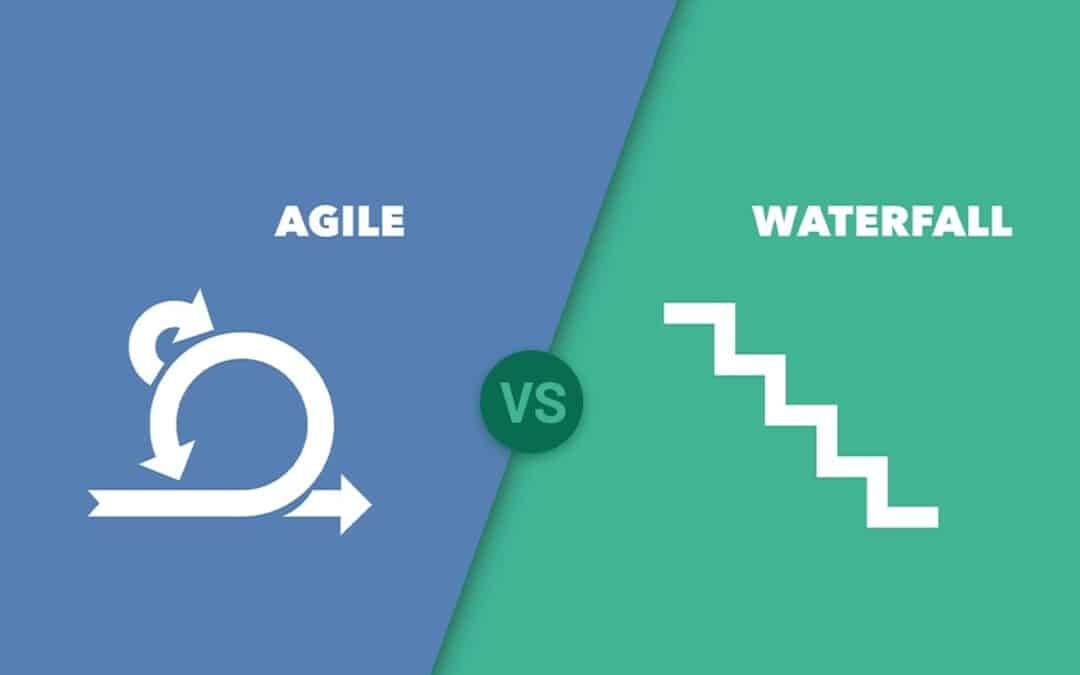
The choice between agile vs waterfall software development plays a major role in the success of custom software projects. Each approach shapes how the development process moves forward, how project timelines are defined, and how teams collaborate throughout the project lifecycle. The selected methodology also influences risk management, customer involvement, and the quality of the final product.
Agile and waterfall methodologies follow very different project management approaches, which can lead to very different outcomes if the choice does not align with business goals. A solid understanding of agile and waterfall helps businesses set realistic expectations, control engineering costs, and ensure the development team delivers software that supports long-term growth and project success. In this article, we will explore how agile vs waterfall software development influences the success of custom software projects.
What Is Software Development
Software development is the structured process used to plan, design, build, test, and deliver software solutions that support specific business goals. This process follows a defined software development life cycle, where each project phase contributes to the stability, performance, and scalability of the final product. Software development methodologies provide the foundation for how this work is organized, how teams collaborate, and how progress moves from one stage to the next.
Approaches such as agile and waterfall define how requirements are handled, how changes are managed, and how the development process adapts over time. The choice between agile vs waterfall software development influences project timelines, project scope, customer involvement, and overall flexibility. Agile and waterfall methodologies also shape how feedback is collected and how quickly working software reaches stakeholders.
Project management ensures that tasks stay aligned with business objectives and project requirements. A strong project management methodology helps control engineering costs, manage risk, and track progress across the project lifecycle.
What Is The Waterfall Software Development?
The waterfall methodology is a traditional project management approach built on a linear project life cycle, where each project phase follows a strict sequence. Work moves forward only after the previous phase reaches completion, which creates a clear and predictable development process. This structured flow makes waterfall development easier to plan and manage when project requirements remain stable and well defined from the start.
Waterfall project management typically follows distinct phases that cover the entire project lifecycle. These phases include requirements gathering, where all project requirements are documented in detail, followed by the design phase, development, testing, and deployment and maintenance. Each phase has specific deliverables and approval checkpoints before the next phase begins. This step-by-step approach helps project managers track progress and maintain control over timelines and budgets.
The waterfall approach places strong emphasis on comprehensive documentation and a fixed scope early in the project. A project manager plays a central role in coordinating the project team, managing inter project dependencies, and ensuring compliance with the original project plan. Waterfall focuses on predictability, control, and detailed upfront planning, which makes it suitable for projects with clear requirements, minimal change, and strict regulatory or compliance needs.
What Is Agile Software Development?
Agile development is a modern software development methodology built around an iterative approach that delivers value in small, functional increments throughout the development lifecycle. Instead of following a rigid sequence, the agile model allows teams to revisit planning, development, and testing multiple times across the entire project lifecycle. This agile philosophy prioritizes flexibility, customer collaboration, and continuous improvement, which helps teams respond quickly to changing project requirements.
Agile project management organizes work into short cycles that support regular evaluation and adjustment. Agile processes rely on frequent feedback loops, continuous feedback from stakeholders, and active customer involvement at every project phase. This approach ensures that working software reaches users early and evolves based on real customer feedback rather than assumptions made at the start of the project.
Agile teams often operate as self organizing teams with shared ownership across the project team. Strong team dynamics, ongoing collaboration, and transparent communication allow agile teams to track progress, manage risk, and maintain alignment with business goals. Agile projects benefit from faster adaptation, improved customer satisfaction, and a development process that supports long-term project success.
Agile Vs Waterfall Software Development: Key Differences
Agile and waterfall represent two distinct software development methodologies that influence how projects move from planning to delivery. Each project management approach defines the project lifecycle, team collaboration, customer involvement, and risk management in different ways. Understanding these differences helps teams select the right method based on project scope, complexity, and business goals.
Project Structure And Lifecycle
Waterfall projects follow a structured and sequential project lifecycle where each project phase begins only after the previous phase reaches completion. This waterfall model divides the entire project lifecycle into clearly defined stages, which allows project managers to create a detailed project plan and track progress against fixed milestones. Such structure supports predictability and works well when project requirements remain stable.
Agile projects rely on an iterative approach that breaks the development process into smaller cycles. The agile model revisits planning, development, and testing multiple times across the software development life cycle. This structure allows agile teams to adjust priorities, incorporate feedback, and refine the final product throughout the project lifecycle rather than waiting until the end.
Flexibility And Change Management
Waterfall project management depends on fixed project requirements that remain unchanged once the development process begins. Any modification to project scope often requires formal approvals and revisions to the project plan. This limited flexibility suits projects where requirements are well defined and unlikely to change.
Agile methodology supports a flexible approach that adapts throughout the development lifecycle. Agile projects welcome change as new information becomes available through customer feedback and market insights. This adaptability allows agile teams to respond quickly to evolving project requirements without disrupting overall project execution or delivery timelines.
Customer Involvement And Feedback
Waterfall project management typically involves customer input during the requirements phase and again during final delivery. Feedback remains limited during execution, which can create gaps between expectations and the final product. This approach assumes that all project requirements are accurate from the beginning.
Agile development emphasizes continuous feedback and consistent feedback from customers and stakeholders. Strong stakeholder involvement throughout each project phase ensures that the development team builds working software that reflects real user needs. Customer collaboration remains central to agile projects and supports higher customer satisfaction.
Team Dynamics And Collaboration
Waterfall relies on a defined team structure with clear role separation across departments. Communication often flows through the project manager, which can slow decision making and limit collaboration between team members. This structure works best for projects with clear responsibilities and minimal cross-functional overlap.
Agile teams operate with shared responsibility and stronger team dynamics. Collaboration remains constant across the project team, with development team members working closely on completed tasks and upcoming priorities. This approach supports faster problem resolution, better communication, and stronger alignment with project goals.
Documentation And Planning
The waterfall method places strong emphasis on comprehensive documentation created before development begins. Detailed project requirements, technical specifications, and design documents guide the entire development process. This approach supports clarity and control but leaves little room for adjustment.
The agile approach allows documentation to evolve alongside working software. Agile processes prioritize essential documentation while relying on ongoing collaboration and continuous feedback. This balance supports adaptability without sacrificing clarity across the development lifecycle.
Risk Management And Quality Control
Waterfall focuses on risk identification early in the project lifecycle, but testing occurs late in the development process. Issues often surface near the end of the project, which can increase costs and delay delivery for complex projects.
Agile reduces risk through early delivery, frequent testing, and short feedback cycles. Continuous improvement allows agile teams to address issues quickly and maintain quality throughout the project lifecycle. This proactive approach supports better outcomes and greater confidence in the final product.
Pros And Cons Of Agile And Waterfall Development
Agile and waterfall software development offer different strengths depending on project scope, complexity, and business priorities. Each software development methodology influences project timelines, customer involvement, and risk management. A clear view of these advantages and limitations supports better project management decisions and more successful outcomes.
Advantages Of The Waterfall Development
Waterfall methodology provides a structured project management approach with a clear project plan defined at the start. A fixed project scope allows project managers to outline the entire project lifecycle, estimate project timelines, and allocate resources with confidence. This predictability helps organizations maintain control over costs and deliverables throughout the development process.
Waterfall project management works well for projects with stable requirements and inter project dependencies. Comprehensive documentation supports clarity across the project team and reduces uncertainty during execution. This approach suits environments where compliance, approvals, and detailed planning remain essential for project success.
Disadvantages Of The Waterfall Development
Waterfall development relies on fixed project requirements, which limits flexibility once the project moves into execution. Any change to scope or functionality often requires formal approvals and revisions to the original project plan. This structure can slow response time when business needs evolve.
Complex projects may expose issues late in the project lifecycle due to limited customer involvement during development. Testing typically occurs after development, which increases the risk of costly changes near delivery. These constraints make waterfall less suitable for dynamic or fast-changing environments.
Advantages Of The Agile Development
Agile development supports an iterative development process that delivers working software in short cycles. Early releases allow teams to validate assumptions and gather customer feedback throughout the development lifecycle. This approach improves alignment between project requirements and the final product.
Agile methodology emphasizes customer collaboration and continuous improvement. Frequent feedback loops help agile teams adjust priorities and address risks early. This flexibility leads to higher customer satisfaction and better outcomes for projects with evolving requirements.
Disadvantages Of Agile Development
Agile projects may face challenges with predicting project timelines and engineering costs. The flexible approach prioritizes adaptability over fixed plans, which can complicate budgeting and long-term forecasting. Stakeholder expectations must remain aligned with this adaptive model.
Strong agile project management and experienced agile teams help address these challenges. Clear communication, disciplined agile processes, and active stakeholder involvement remain essential for maintaining control and achieving project success across agile projects.
When To Choose Agile Methodology
Agile methodology fits projects that require adaptability, close customer collaboration, and frequent delivery of working software. This project management approach supports evolving requirements and continuous feedback throughout the development lifecycle, which helps teams respond effectively to change and uncertainty.
Projects With Evolving Requirements
Agile development works best when project requirements remain flexible or unclear at the start. Many modern software products evolve based on user behavior, market shifts, or stakeholder priorities. Agile projects allow teams to refine requirements throughout the development process rather than locking decisions early.
The iterative development model supports regular adjustments without disrupting project execution. Agile teams revisit priorities during each cycle, which helps align the final product with real business needs. This flexibility reduces risk and supports better outcomes in dynamic environments.
High Need For Customer Feedback
Projects that depend on continuous feedback benefit greatly from agile project management. Regular stakeholder involvement ensures that customer expectations remain aligned with development progress. Frequent reviews allow teams to validate features early and make improvements before major resources are committed.
Customer collaboration remains central to agile methodology. Agile processes encourage ongoing communication between the development team and stakeholders, which increases transparency and customer satisfaction. This approach reduces the risk of delivering software that fails to meet user needs.
Complex And Adaptive Project Environments
Agile methodology suits complex projects where uncertainty remains high and change is expected. Agile teams respond quickly to new information through short development cycles and frequent testing. This adaptive structure supports effective risk management across the project lifecycle.
Hybrid approaches that combine agile and waterfall methodologies may also suit complex environments with inter project dependencies. Such models allow teams to maintain high-level planning while benefiting from agile flexibility during execution.
When To Choose Waterfall Methodology
Waterfall methodology suits projects that require strict planning, fixed requirements, and clear control over each project phase. This project management approach supports environments where predictability, documentation, and compliance remain priorities across the entire project lifecycle.
Projects With Fixed Scope
Waterfall development works well when project scope remains fixed from the beginning. Clearly defined project requirements allow teams to create a detailed project plan that covers the entire project lifecycle. This structure helps project managers estimate timelines, costs, and resources with accuracy.
Stable scope reduces uncertainty during project execution. Waterfall project management methodologies rely on upfront planning, which supports controlled delivery and predictable outcomes. This approach suits organizations that prefer minimal change once development begins.
Regulatory And Compliance Driven Projects
Industries that require strict regulatory compliance often benefit from the waterfall approach. Comprehensive documentation supports audits, approvals, and formal reviews at each project phase. Clear documentation also ensures traceability from requirements to the final product.
Waterfall focuses on structured processes and defined checkpoints, which helps teams meet legal and compliance standards. This level of control reduces risk in environments where deviation from requirements may lead to serious consequences.
Stable And Long-Term Systems
Waterfall methodology fits long-term infrastructure projects and stable systems with limited need for change. These projects often involve inter project dependencies that require careful coordination across teams and timelines.
Predictable project timelines and detailed planning support long-term execution. Waterfall development provides clarity and consistency, which helps teams manage complex dependencies and deliver reliable systems with minimal disruption.
How GainHQ Applies Agile Vs Waterfall Software Development
At GainHQ, agile vs waterfall software development decisions begin with a deep understanding of project requirements, business objectives, and technical constraints. Each project receives a tailored evaluation that considers project scope, project timelines, risk management needs, and long-term scalability. This assessment helps determine whether an agile approach, waterfall methodology, or a hybrid project management approach will deliver the best results.
GainHQ supports agile projects that require flexibility, continuous feedback, and strong customer collaboration. Agile teams focus on iterative development, frequent feedback loops, and early delivery of working software to ensure alignment with stakeholder expectations. For projects with fixed scope and clearly defined requirements, waterfall project management provides structure, predictability, and comprehensive documentation across the entire project lifecycle. There are several services GainHQ provides.
A dedicated project manager oversees execution, tracks progress, and ensures transparency at every project phase. GainHQ places strong emphasis on effective project management, team dynamics, and ongoing collaboration between stakeholders and the development team. This balanced approach helps manage engineering costs, reduce risk, and deliver a high-quality final product that supports project success and long-term business growth.
FAQs
What Is Agile Vs Waterfall Software Development?
Agile vs waterfall software development compares flexible, iterative delivery with a linear, structured approach. Each method suits different project scopes and risk levels.
Is Agile Always Better Than Waterfall?
Agile works well for changing requirements, while waterfall suits fixed scope projects. The right choice depends on project requirements and business priorities.
Can Agile And Waterfall Methodologies Be Combined?
Yes, many organizations use hybrid project management approaches that blend agile processes with waterfall planning.
Which Methodology Is Better For Complex Projects?
Agile often handles complex projects better due to continuous feedback and adaptability. Waterfall may struggle when requirements change.
How Does Customer Feedback Differ In Agile And Waterfall?
Agile encourages ongoing customer feedback throughout the project lifecycle. Waterfall typically gathers feedback during early planning and final delivery.
Does Agile Reduce Project Risk?
Agile reduces risk through early releases, frequent testing, and consistent stakeholder involvement.
How Does GainHQ Help With Agile Vs Waterfall Decisions?
GainHQ aligns software development methodologies with business goals, project scope, and team structure to ensure project success.
SaaS product development is the process of designing, building, and maintaining a SaaS product that is delivered over the internet and accessed through an internet connection. Unlike traditional software, which is typically installed locally and updated infrequently, a SaaS product is hosted in the cloud and continuously improved over time. This fundamental difference allows teams to respond faster to user needs and market changes.
Compared to traditional software, SaaS products are built for scalability, recurring usage, and ongoing value delivery. SaaS enables businesses to offer flexible access, subscription-based pricing, and seamless updates without user intervention. By removing installation barriers and simplifying maintenance, SaaS product development helps companies reach wider audiences while providing consistent performance and a better overall user experience.
What Is SaaS Product Development?
SaaS product development is the process of creating, delivering, and continuously improving a SaaS product that users access through an internet connection rather than installing on local machines. Unlike traditional software, which is often sold as a one-time purchase and updated manually, SaaS products are hosted in the cloud and evolve through regular updates and feature releases.
Compared to traditional software, a SaaS product is designed for scalability, availability, and long-term use. This approach allows teams to fix issues, release enhancements, and address customer feedback needs quickly. By removing installation complexity and maintenance overhead, SaaS enables businesses to serve more users efficiently while offering flexible pricing, easier access, and a consistently improved experience.
How the SaaS Product Development Lifecycle Works
The SaaS product development lifecycle defines how teams plan, build, release, and improve cloud-based products. A structured SaaS development process ensures scalability, quality, and long-term success while supporting continuous delivery and agile development practices.
Discovery and Market Research
The SaaS product development process begins with discovery, where teams validate ideas before investing in software development. This stage focuses on understanding the problem, identifying gaps in existing solutions, and evaluating whether the idea is viable in the current market. Product teams analyze competitors, industry trends, and pricing models while defining clear business objectives.
Market research also helps identify the target audience and their pain points. Interviews, surveys, and early user conversations provide insights into user behavior and expectations. A strong discovery phase reduces risk by ensuring the product addresses real problems rather than assumptions, setting a solid foundation for the entire development process.
Product Vision and Requirements Definition
Once the opportunity is validated, teams define the product vision and translate it into clear requirements. This stage connects business goals with user needs, outlining what the SaaS product should achieve and how success will be measured. Requirements typically include core functionality, user roles, performance expectations, and compliance considerations.
In SaaS development, requirements are often documented as user stories rather than rigid specifications. This approach supports flexibility and aligns well with agile development. A clear product vision ensures everyone involved in the software development effort works toward the same outcomes while allowing room for iteration.
UX Design and Prototyping
User experience design plays a critical role in SaaS product success because users pay interact with the product frequently over long periods. During this stage, designers create user flows, wireframes, and prototypes that visualize how the product will function. The goal is to ensure usability, clarity, and efficiency across key workflows.
Prototypes allow teams to test assumptions early in the SaaS development process. Feedback from stakeholders and potential users helps refine navigation, layouts, and interactions before development begins. Investing time in UX design reduces rework later and improves adoption once the product is released.
Architecture and Technical Planning
Before writing production code, teams plan the technical architecture that will support the product. This includes selecting frameworks, defining system components, and designing how services interact. Architecture decisions directly impact scalability, performance, and maintainability throughout the SaaS product lifecycle.
Technical planning also covers infrastructure, data storage, integrations, and deployment strategies. In the context of software development, this stage ensures the system can support future growth without frequent redesigns. A well-planned architecture allows teams to move faster during implementation while minimizing technical debt.
Development and Agile Implementation
The build phase is where ideas turn into a working product. Development is typically organized into short iterations or sprints, following agile development principles. Features are built incrementally, tested continuously, and reviewed frequently to ensure alignment with requirements.
This phase of the SaaS product development process emphasizes collaboration between developers, designers, and product managers. Continuous integration and automated testing help maintain quality while enabling frequent releases. Agile implementation allows teams to adapt quickly when priorities change or new insights emerge.
Testing, Quality Assurance, and Validation
Quality assurance ensures the product works as intended before it reaches users. Testing covers functionality, performance, security, and usability across different environments. In SaaS development, testing is not a one-time activity but an ongoing part of the development process.
Validation also includes user acceptance testing, where real users or internal teams confirm that features meet expectations. This stage reduces the risk of critical issues after launch and protects the product’s reputation. Strong quality practices support reliability and trust, which are essential for subscription-based products.
Launch, Monitoring, and Continuous Improvement
Launching a SaaS product is not the end of the lifecycle but the beginning of ongoing improvement. After release, teams monitor usage, performance, and user feedback to understand how users interact with the product. Analytics and monitoring tools provide visibility into adoption, engagement, and system health.
Insights gathered post-launch feed back into the SaaS product development process. Teams prioritize enhancements, fix issues, and release updates regularly. This cycle of monitoring and iteration allows SaaS products to evolve alongside user needs and market changes, ensuring long-term relevance and growth.
SaaS Product Development Strategy: From Idea to Market
A strong SaaS product development strategy bridges the gap between an initial idea and a market-ready solution. It aligns market research, product decisions, and execution with real demand, ensuring the product enters the SaaS market with clarity and purpose.
Identifying the Right Problem to Solve
Every successful SaaS product starts with a clearly defined problem. Before writing code or designing features, teams must understand what users struggle with and why existing solutions fall short. This step prevents building products based on assumptions rather than real needs. By analyzing pain points across industries and roles, teams can narrow their focus to problems worth solving.
Problem validation should be grounded in evidence, not intuition. Conversations with potential users, analysis of existing tools, and observation of workflows help confirm whether the problem is frequent, painful, and urgent. When a problem directly affects productivity, revenue, or efficiency, it is more likely to generate sustained market demand.
Conducting Market Research and Validation
Market research transforms ideas into informed opportunities. It helps teams understand competitors, pricing expectations, and gaps within the SaaS market. Effective research includes analyzing competing products, studying customer reviews, and identifying underserved segments.
Thorough market research also evaluates willingness to pay. Even if a problem exists, it must be important enough for users to invest in a solution. By combining qualitative insights with quantitative data, teams can validate whether the opportunity is large enough to justify long-term product development and growth.
Defining the Target Audience Clearly
A common mistake in SaaS product development is trying to serve everyone. Clearly defining the target audience ensures the product is designed for specific users with shared needs and behaviors. This includes identifying roles, company sizes, industries, and technical maturity levels.
A well-defined target audience influences feature priorities, messaging, onboarding flows, and pricing decisions. When teams understand who they are building for, they can make sharper trade-offs and avoid unnecessary complexity. This focus increases adoption by ensuring the product feels tailored rather than generic.
Assessing Market Demand and Timing
Understanding market demand goes beyond identifying a problem. Teams must evaluate whether the timing is right. Changes in technology, regulations, or user behavior can create new opportunities or make existing ideas obsolete. Assessing demand involves studying trends, growth signals, and adoption patterns across the SaaS model.
Timing also affects competitive pressure. Entering a crowded space requires differentiation, while entering too early may require educating the market. A strong SaaS product development strategy balances opportunity size with realistic entry conditions, ensuring resources are invested at the right moment.
Shaping the SaaS Business Model
The business model defines how the product creates and captures value. In SaaS, this often involves subscription pricing, but the structure can vary widely based on usage, features, or user tiers. Choosing the right model requires aligning pricing with perceived value and customer satisfaction.
The business model also influences product decisions. Features, limits, and upgrade paths should reinforce revenue goals without harming user trust. A clear model ensures sustainability, helping the product scale while maintaining predictable revenue and long-term viability.
Aligning Product Scope With Strategic Goals
Once the opportunity is validated, teams must decide what to build first. This means defining a focused product scope that delivers core value without unnecessary features. Strategic scope management prevents overbuilding and keeps the team aligned with initial goals.
This stage involves prioritizing functionality that directly supports the problem being solved. By limiting scope early, teams reduce development risk and speed up time to market. Strategic alignment ensures every feature contributes to user value and business objectives.
Planning the Go-to-Market Execution
A SaaS product development strategy must include a clear path to market. This involves defining positioning, messaging, and acquisition channels that resonate with the target audience. Go-to-market planning ensures the product is not only built correctly but also introduced effectively.
Execution planning covers onboarding, early feedback loops, and initial traction goals. Launching with a clear strategy helps teams learn quickly, refine messaging, and validate assumptions in real conditions. A strong go-to-market approach turns a validated idea into a real product presence within the SaaS market.
SaaS Architecture Best Practices for Building Reliable Products
Strong SaaS architecture best practices ensure reliability, scalability, and long-term maintainability. By designing the right cloud infrastructure, choosing the correct technology stack, and aligning systems around core functionality, teams can build SaaS products that perform consistently under real-world conditions.
Designing Cloud-Native Architecture From Day One
Modern SaaS products are built for the cloud, not adapted to it later. Cloud-native architecture leverages distributed systems, elastic resources, and managed services to deliver reliability at scale. Instead of relying on fixed servers, teams design applications that can scale horizontally and recover automatically from failures.
Cloud infrastructure enables redundancy, load balancing, and geographic distribution. When architecture is cloud-native from the start, teams avoid costly rewrites and ensure the product can grow without fundamental changes. This approach also simplifies deployments and improves uptime across diverse usage patterns.
Choosing the Right Cloud Platforms
Selecting the right cloud platforms is a critical architectural decision. Platforms differ in service maturity, global availability, pricing models, and ecosystem support. Teams must evaluate how well a platform aligns with product requirements, compliance needs, and future growth plans.
The right platform supports rapid development while offering stability and performance. Managed databases, messaging services, and monitoring tools reduce operational burden and allow teams to focus on product value. Poor platform choices can introduce limitations that surface only as the product scales.
Structuring Systems Around Core Functionality
Reliable SaaS architecture starts with a clear understanding of core functionality. This includes the essential workflows and capabilities that define the product’s value. Architecture should prioritize these functions, ensuring they are resilient, performant, and isolated from non-critical features.
By separating core functionality from auxiliary services, teams reduce the blast radius of failures. This structure ensures that essential features remain available even when secondary components experience issues. Clear functional boundaries also improve maintainability and testing throughout the product lifecycle.
Selecting a Scalable Technology Stack
The technology stack defines how the product is built, deployed, and maintained. A scalable stack supports growth in users, data, and features without degrading performance. Teams should evaluate languages, frameworks, and databases based on scalability, ecosystem maturity, and team expertise.
A well-chosen tech stack balances innovation with stability. While new tools may offer advantages, proven technologies often provide better long-term reliability. Stack decisions should also consider hiring availability and community support to ensure sustainability as the product evolves.
Designing for Fault Tolerance and Resilience
Failures are inevitable in distributed systems, which makes fault tolerance a core architectural concern. Reliable SaaS products are designed to handle partial failures gracefully without impacting users. This includes redundancy, retries, circuit breakers, and graceful degradation strategies.
Resilient architecture ensures that issues in one component do not cascade across the system. By anticipating failures and building safeguards, teams improve uptime and user trust. Fault tolerance is not an afterthought but a fundamental principle of SaaS architecture best practices.
Managing Data Architecture and Storage
Data architecture plays a central role in reliability and performance. SaaS products must handle growing datasets while ensuring consistency, availability, and security. Decisions around databases, replication, and partitioning directly affect system behavior under load.
Well-designed data layers separate read and write workloads, support backups, and enable recovery without downtime. Data architecture should align with product usage patterns and regulatory requirements. Poor data design often becomes a bottleneck that limits scalability and reliability.
Supporting Continuous Deployment and Evolution
SaaS products evolve continuously, making deployment architecture a critical consideration. Systems should support frequent updates without service interruption. This includes automated pipelines, versioned deployments, and backward compatibility strategies.
Architecture that supports continuous deployment enables faster iteration and quicker response to issues. It also reduces risk by allowing incremental changes rather than large, disruptive releases. By designing for change, teams ensure their SaaS architecture remains reliable as the product and user base grow.
SaaS Scalability Strategies: Design Patterns and Common Pitfalls
SaaS scalability strategies ensure that products can grow reliably as usage increases. As SaaS platforms attract a larger user base, systems must support higher traffic, expanding data volumes, and increased feature usage without performance degradation. Effective scalability strengthens user adoption and protects a seamless user experience as demand grows.
Horizontal Scalability as a Core Strategy
Horizontal scalability allows SaaS solutions to handle growth by adding more service instances instead of increasing server capacity. This approach distributes workloads efficiently and reduces dependency on individual components. As the user base grows, horizontally scalable systems maintain consistent performance and improve fault tolerance across SaaS platforms.
Load Balancing and Traffic Distribution
Load balancing is essential for managing user traffic at scale. By distributing incoming requests across multiple services, SaaS platforms prevent bottlenecks and downtime. Proper traffic distribution ensures response times remain stable, which directly influences user adoption and the overall quality of the seamless user experience.
Data Scalability and Performance Optimization
Data growth often becomes a limiting factor for SaaS solutions. Without proper planning, database performance degrades as usage increases. Techniques such as caching, read replicas, and partitioned storage help SaaS platforms maintain fast access to data while supporting a growing user base.
Product Scalability and Feature Management
Scalability extends beyond infrastructure to product design. Adding features without evaluating impact can complicate workflows and reduce usability. Successful SaaS platforms scale functionality carefully, ensuring new capabilities enhance value while preserving a seamless user experience for both new and existing users.
Common Pitfalls That Limit SaaS Scalability
Many scalability failures stem from tightly coupled systems, early overengineering, or ignoring growth signals. SaaS solutions that delay scalability planning often face performance issues that harm user adoption. Addressing architectural and product limitations early helps platforms scale efficiently and sustainably.
SaaS Security Best Practices and Compliance (OWASP, GDPR, SOC 2)
SaaS security best practices are essential for protecting applications that operate continuously in cloud environments. As SaaS products handle sensitive information and serve distributed users, strong data security becomes a core responsibility rather than an optional feature. Trust, compliance, and long-term adoption depend on how well security is built into the product.
Building Security Into the Architecture
Security should be embedded at the architectural level instead of being added later. Robust security measures include secure authentication, role-based access control, and isolation between tenants. Implementing robust security measures early reduces exposure to vulnerabilities and simplifies compliance requirements as the product scales.
Data Protection and Encryption Standards
Protecting sensitive information requires consistent data encryption across storage and transmission layers. Encryption ensures that even if data is accessed without authorization, it remains unreadable. Strong encryption practices help protect user data while supporting broader data security objectives within SaaS environments.
OWASP Risk Awareness and Mitigation
OWASP guidelines identify common security risks such as injection attacks, broken authentication, and misconfigured access controls. Addressing these risks involves secure coding practices, input validation, and continuous monitoring. Aligning development practices with OWASP recommendations strengthens overall application resilience.
Compliance With Data Protection Laws
SaaS products often operate across regions, making regulatory compliance a critical concern. Data protection laws such as GDPR define how personal information must be collected, stored, and processed. Meeting these requirements requires transparency, consent management, and clear data handling policies.
SOC 2 Controls and Operational Security
SOC 2 focuses on security, availability, and confidentiality controls within SaaS operations. Achieving SOC 2 compliance requires documented processes, access management, and incident response planning. These controls demonstrate that the organization consistently follows strong security practices.
Continuous Security Maintenance and Audits
Security is an ongoing process rather than a one-time effort. Regular security audits help identify weaknesses before they are exploited. Applying timely security patches ensures vulnerabilities are addressed as new threats emerge. Continuous monitoring and updates maintain data security as the product evolves.
SaaS Product Roadmap Planning for Long-Term Growth
A well-structured SaaS product roadmap defines how a product evolves. It connects vision, execution, and growth by outlining priorities that guide teams toward sustainable outcomes while balancing speed, quality, and long-term value.
The Role of a SaaS Product Roadmap
A SaaS product roadmap serves as a strategic guide that communicates direction rather than detailed tasks. It clarifies what the product aims to achieve and how those goals align with business objectives. Unlike short-term sprint plans, the roadmap provides a high-level view of progress across months or quarters.
This clarity helps stakeholders understand priorities and trade-offs. A strong roadmap ensures that decisions remain consistent as the product grows, reducing misalignment between teams and supporting long-term planning.
Minimum Viable Product as the Starting Point
Most roadmaps begin with a minimum viable product that delivers essential value with minimal complexity. The purpose of an MVP is to validate assumptions quickly while limiting risk. Instead of building every idea at once, teams focus on the smallest set of features that solve the core problem.
Launching an MVP allows real users to interact with the product early. Feedback gathered at this stage informs roadmap updates and highlights which areas deserve further investment. This approach ensures growth is driven by evidence rather than speculation.
Core Features as the Foundation
Core features define the product’s identity and primary use case. These capabilities should receive priority in the roadmap because they directly impact adoption and satisfaction. Without a strong foundation, additional features provide little value.
Clear identification of core features helps teams avoid unnecessary complexity. It also allows the development team to concentrate efforts on stability, performance, and usability, which are critical during early growth phases.
New Features and Strategic Expansion
As the product matures, new features support differentiation and retention. Roadmap planning evaluates each feature based on user value, development effort, and alignment with long-term goals. Not every request deserves immediate attention.
Strategic expansion ensures that new features enhance the product rather than dilute its focus. This disciplined approach prevents roadmap overload and protects product clarity as functionality increases.
Continuous Improvement Through Iteration
SaaS products succeed through continuous improvement rather than large, infrequent releases. Roadmaps should allow flexibility to incorporate insights from usage patterns, support interactions, and performance metrics.
Regular iteration helps teams refine existing features and address friction points. This ongoing process strengthens retention and keeps the product aligned with changing expectations without losing strategic direction.
Development Team Alignment and Ownership
A roadmap is effective only when the development team understands and supports it. Clear communication ensures developers know why certain priorities exist and how their work contributes to long-term goals.
Including the development team in roadmap discussions improves feasibility and execution quality. Shared ownership reduces delays and builds confidence in delivery commitments.
Roadmap Review and Adaptation Over Time
A SaaS product roadmap is not static. Market changes, user behavior, and technical constraints require regular review. Measuring outcomes such as adoption, engagement, and user satisfaction helps determine whether priorities remain valid.
Ongoing evaluation allows teams to adjust direction without losing momentum. This adaptive approach ensures the roadmap continues to support growth while responding to real-world conditions.
SaaS vs Web App vs Mobile App: Key Differences
Choosing between a SaaS application, a web solution, or a mobile product affects how users access features, how the product scales, and how it is maintained. Each model serves different needs, usage patterns, and business goals.
Core Concept and Delivery Model
The primary difference between SaaS vs web app vs mobile app lies in how the product is delivered and consumed. A SaaS application is hosted in the cloud and offered through a subscription model, where users access the product via a browser without local installation. SaaS apps are designed for continuous use and frequent updates.
Web and mobile apps, by contrast, are often built for specific use cases. A web app typically runs in a browser and may or may not follow a subscription model. Mobile apps are installed directly on devices and distributed through app stores, relying heavily on platform-specific ecosystems.
Access, Devices, and Usage Patterns
Users access SaaS products through an internet connection, making them available across devices without additional setup. This flexibility supports consistent experiences for distributed teams and frequent users. SaaS apps are often optimized for daily workflows and long sessions.
Web and mobile apps differ in access patterns. Web apps rely on browsers and are often task-focused, while mobile apps emphasize quick interactions and convenience. The access method directly influences how users engage with features and how often they return to the product.
Development and Maintenance Approach
SaaS apps follow a centralized development and maintenance model. Updates are released server-side, and all users benefit immediately without manual downloads. This simplifies long-term maintenance and ensures feature consistency across the user base.
Web and mobile apps require different maintenance efforts. Mobile apps depend on app store approvals and user updates, while web apps may vary in browser compatibility. These differences affect release cycles and resource allocation.
Scalability and User Management
A SaaS application is designed to support growth in users and usage without major changes to the core system. Multi-tenant architectures allow SaaS apps to serve many customers efficiently while managing permissions and data separation.
Web and mobile apps may scale differently depending on architecture and purpose. Many are built for narrower audiences or specific tasks, which limits flexibility as the user base grows. Scalability planning is often more complex for mobile-first products.
Cost Structure and Business Model
SaaS products usually rely on recurring revenue through subscriptions. This model aligns ongoing value delivery with predictable income. Businesses can adjust pricing tiers as usage grows, matching value with cost.
Web and mobile apps often use one-time purchases, ads, or in-app purchases. These models influence feature decisions, support requirements, and long-term sustainability.
Use Cases and Product Fit
SaaS vs web app vs mobile app decisions depend on user input needs and product goals. SaaS apps fit products that require frequent use, collaboration, and continuous improvement. Web and mobile apps work well for specific functions, consumer-focused tools, or location-based experiences.
Understanding how users access and interact with each model helps teams choose the right approach for their product vision and audience.
Common Challenges in SaaS Product Development and How to Solve Them
SaaS product development involves balancing technical execution, market needs, and long-term sustainability. As products scale and user demands increase, teams face recurring challenges that can impact growth, quality, and customer trust if not addressed strategically.
Identifying and Validating Customer Pain Points
One of the most critical challenges in SaaS product development is accurately identifying customer pain points. Many teams build features based on assumptions rather than evidence, which results in low adoption and wasted effort. When problems are poorly defined, even well-built solutions fail to deliver value.
Solving this challenge requires continuous engagement with users through interviews, support interactions, and usage data. Direct feedback helps teams understand what frustrates users, where workflows break down, and which problems deserve priority. Clear problem validation ensures the product addresses real needs instead of perceived ones.
Managing User Expectations Effectively
User expectations in SaaS products are shaped by experiences with other tools. Users often expect fast performance, regular improvements, and minimal downtime. When expectations are not managed carefully, even minor issues can feel significant.
Setting clear expectations through onboarding, product communication, and transparent roadmaps helps build trust. Regular updates and proactive messaging ensure users understand what the product can and cannot do. Managing expectations does not mean limiting ambition, but aligning promises with delivery.
Meeting Customer Expectations at Scale
Customer expectations extend beyond individual users to organizations that rely on the product daily. As usage grows, customers expect stability, responsiveness, and consistent support. Scaling without maintaining service quality can quickly erode confidence.
To address this, teams must invest in monitoring, support processes, and documentation. Consistent experiences across accounts reinforce reliability. Meeting customer expectations requires treating service quality as a core product feature rather than an afterthought.
Maintaining Strong Quality Assurance
Quality assurance becomes increasingly complex as SaaS products evolve. Frequent releases, multiple environments, and growing feature sets introduce risk. Without strong testing practices, defects can reach production and damage trust.
Automated testing, structured reviews, and clear release processes help maintain quality. Quality assurance should be integrated into development rather than treated as a final step. This approach reduces regressions and supports consistent performance across updates.
Standing Out Among Existing Solutions
Entering a market with existing solutions presents a major challenge. Competing products may already have strong brand recognition and loyal users. Attempting to match competitors’ features for features often leads to diluted value.
Differentiation requires focus. Teams must identify gaps that existing solutions overlook, such as usability, simplicity, or niche workflows. A clear value proposition helps attract users who feel underserved by current options.
Improving User Retention Over Time
User retention is a key indicator of SaaS success. High churn signals that users do not perceive enough ongoing value. Retention issues often stem from poor onboarding, unclear benefits, or unmet expectations.
Improving retention involves continuous improvement across the product experience. Regular enhancements, responsive support, and attention to feedback help users see long-term value. Retention is not driven by features alone but by consistent satisfaction and trust.
How to Choose the Right SaaS Product Development Partner
Choosing the right partner is a critical decision that can determine the success or failure of your product. SaaS development requires more than technical execution; it demands strategic thinking, domain expertise, and long-term commitment to building scalable products that evolve with the market.
Proven Experience in SaaS Development
A reliable partner should demonstrate clear experience in SaaS development, not just general software projects. SaaS products introduce challenges such as multi-tenant architecture, scalability, and continuous delivery that differ from traditional product development. Reviewing past work helps confirm whether the partner understands these complexities.
Experience with real-world SaaS products also indicates familiarity with common pitfalls. Teams that have navigated scaling, performance, and reliability issues are better equipped to anticipate problems before they arise.
Expertise in SaaS-Based Product Development
SaaS based product development requires a mindset focused on long-term value rather than one-time delivery. A strong partner understands subscription models, ongoing updates, and customer-driven improvement cycles. This perspective influences architectural decisions and prioritization.
Partners with SaaS-specific expertise can guide decisions beyond coding, including release strategies and feature evolution. This ensures the product remains viable and competitive as the user base grows.
Ability to Support the Full Product Development Lifecycle
Effective product development spans ideation, design, build, launch, and iteration. A suitable partner should support each phase rather than focusing narrowly on implementation. This holistic approach reduces handoffs and misalignment.
Partners that understand the full lifecycle can align technical work with business goals. This alignment helps ensure that early decisions support long-term scalability and maintainability.
Strength of the Development Team
The quality of the development team directly affects outcomes. Teams should include experienced engineers, architects, and product-focused contributors who collaborate effectively. Clear communication and shared ownership are essential.
Assessing team structure and roles provides insight into how work is executed. A balanced team reduces dependency on individuals and improves consistency across deliverables.
Approach to Developing SaaS Products Strategically
Developing SaaS products requires disciplined prioritization. A good partner focuses on delivering core value early while avoiding unnecessary complexity. This approach supports faster validation and controlled growth.
Strategic development ensures that features align with user needs and business objectives. Partners who emphasize strategy help avoid overbuilding and wasted effort.
Capability to Build and Scale a SaaS Product
When you develop a SaaS product, scalability must be considered from the beginning. Partners should demonstrate an ability to design systems that support growth without frequent rework. This includes infrastructure planning and performance optimization.
Scalability expertise protects long-term investment. A partner who plans for growth reduces future costs and operational risk.
Communication and Collaboration Practices
Strong collaboration is essential for successful product development. The right partner communicates clearly, shares progress transparently, and adapts to feedback. Regular updates and open dialogue prevent misunderstandings.
Effective communication also supports faster decision-making. Partners who collaborate well integrate smoothly with internal stakeholders.
Alignment With Business Goals
A partner should understand your business objectives, not just technical requirements. Alignment ensures that decisions support revenue, retention, and differentiation. This perspective improves prioritization throughout the project.
Business-aligned partners contribute insights that extend beyond development tasks. This added value strengthens outcomes.
Long-Term Partnership Potential
SaaS products evolve continuously, making long-term collaboration important. The right partner supports ongoing improvement rather than viewing delivery as an endpoint. Stability and commitment matter as much as initial capability.
Why GainHQ for SaaS Product Development
GainHQ helps businesses build SaaS products that are practical, scalable, and aligned with real market needs. Our approach combines technical expertise with product thinking to deliver SaaS solutions that support growth, retention, and long-term value.
GainHQ designs SaaS solutions with a strong focus on customer relationship management and workflow efficiency. Our experience with CRM systems allows us to build products that centralize data, improve visibility, and support smarter decision-making across teams. We understand how SaaS products must integrate seamlessly into daily operations to deliver measurable value.
We also help businesses design flexible pricing models that align with how customers actually use software. Whether it is a subscription model or usage based pricing, we ensure pricing supports adoption while remaining scalable as the user base grows. These models are built to match customer expectations and business objectives without unnecessary complexity.
Beyond development, GainHQ supports go-to-market readiness. Our understanding of content marketing helps SaaS products communicate value clearly and attract the right audience. By aligning product capabilities with messaging, we help businesses reach potential customers more effectively and convert interest into adoption.
With GainHQ, SaaS product development is not just about building features. It is about creating reliable, market-ready products that scale with demand, support customer relationships, and generate sustainable revenue over time.
FAQs
What makes a SaaS product development partner reliable?
A reliable partner demonstrates proven experience with SaaS solutions, understands long-term product ownership, and supports continuous improvement rather than one-time delivery.
Why is experience with customer relationship management important?
Experience with customer relationship management helps ensure SaaS products integrate well with CRM systems and support real-world sales, support, and customer workflows.
How should pricing models be handled in SaaS product development?
Effective SaaS pricing models align with user value and business goals. Common approaches include a subscription model and usage-based pricing, depending on how customers consume the product.
Why does SaaS product development require a different approach than traditional software?
SaaS products must support ongoing updates, scalability, and retention. This requires a different mindset focused on long-term value, reliability, and customer satisfaction.
How does content marketing support SaaS product success?
Content marketing helps SaaS products communicate value, educate users, and attract potential customers by aligning product capabilities with clear messaging.
What role do CRM systems play in SaaS growth?
CRM systems help SaaS businesses manage leads, users, and customer data efficiently, supporting retention and stronger customer relationships as the product scales.
How do SaaS solutions reach and retain potential customers?
SaaS solutions succeed by combining a strong product experience, clear pricing, and ongoing engagement strategies that build trust and encourage long-term use.
Picture a SaaS team in early 2026. They have a promising product idea, a capable development team, and enough runway for about nine months. Six months in, they still have not shipped. Every planning meeting ends with “just one more feature” added to the backlog. The designer wants polish. Engineering flags technical debt. The CEO insists on a competitive feature she saw at a conference. Nobody knows what the minimum viable product even looks like anymore.
This is not a rare story. A 2025 study found that 42% of startups fail because they misjudge market demand and build products nobody wants. Most of that failure starts here: in rooms where teams cannot agree on what to build first.
Now contrast that with a different startup. Same market, similar resources. They freeze their MVP scope at week four, ship at week ten, and gather user feedback before competitors finish their wireframes. The difference is not talent or funding. It is discipline around feature prioritization.
This guide will walk you through practical steps, frameworks, and a workflow you can apply this quarter. You will learn how to turn a messy backlog into a focused MVP that ships on time, validates your assumptions, and sets the foundation for future versions. No abstract theory. Just what works.
What Is MVP Feature Prioritization?
MVP feature prioritization is the process of selecting just enough features that let real users experience and validate the core value proposition of your product. It is not about building something half-broken or shipping the bare minimum to check a box. It is about making intentional choices so you can learn faster, delight users, and waste less.
A common misconception is that an MVP should please every stakeholder. It should not. The goal is to prove your core value proposition to a specific target audience, not to build a feature list that makes everyone in the company feel included.
Consider a social scheduling tool that launched in 2024. Their MVP supported only Instagram and Facebook posts, scheduled publishing, and analytics for three core metrics. No LinkedIn integration. No team collaboration features. No AI caption suggestions. Those came later. But the MVP was enough to test whether marketing managers would pay for a simple, focused solution.
Prioritization is also an iterative process. The scope you define at week two should look different after you gather user feedback at week eight. Effective MVP feature prioritization treats the backlog as a living document, not a one-time decision.
Category
MVP (Now)
Later Versions
Platforms
Instagram, Facebook
LinkedIn, TikTok, Pinterest
Core functionality
Schedule and publish posts
Team collaboration, approval workflows
Analytics
3 key performance indicators
Custom dashboards, export reports
Content creation
Manual entry
AI suggestions, templates
Features Of An MVP
Start with user outcomes, not feature names. Instead of writing “calendar view” on a sticky note, ask: what does the marketing manager need to accomplish? The answer might be “publish content consistently every week without missing deadlines.”
From that outcome, you can write user stories using a simple format: “As a [user], I want to [action] so that [outcome].” For example: “As a marketing manager, I want to see all scheduled posts on a calendar so that I can spot gaps in my content plan.”
Those user stories then become candidate features. The calendar view. The approval workflow. Content templates. But not all of them belong in the MVP.
Here is how a team might transform a messy wish list into a minimal, testable feature set:
List all outcomes your target users care about (from user interviews and market research, not assumptions)
Write user stories for the top three outcomes
Identify the simplest feature that enables each story
Cut anything that does not directly support those three outcomes
The result is a set of fundamental features that create basic functionality for your first real users. Everything else goes into a “later” list.
Why MVP Feature Prioritization Is Important For Startups and Product Teams
Prioritization directly affects your burn rate and time to market. Every feature in your MVP consumes engineering hours, design reviews, QA cycles, and documentation. A bloated MVP with too many features means more sprints before launch, more design debt to manage, and higher maintenance costs in year one.
But the bigger cost is time. The longer you wait to ship, the longer you wait to gather user feedback and learn. Smaller MVPs mean more experiments per quarter and clearer signals from potential users. You can test whether your value proposition resonates before you have spent six figures building the wrong thing.
A hypothetical scenario: a B2B SaaS team planned a 14-feature MVP and estimated a six-month timeline. After a prioritization exercise, they cut scope by 30%, removing unnecessary features and focusing on critical features. They launched in 10 weeks. The features they cut? Most of them never made it into the product at all because user behavior showed they were not needed.
Start With Outcomes: Business Goals And Product Vision
Every MVP in 2026 should tie directly to one to three measurable business goals. Not vague aspirations like “build a great product.” Specific targets like 100 design partner accounts by month three, 40% weekly active rate, or under 10-minute onboarding time.
A clear product vision constrains scope. It tells you what you are building and, just as importantly, what you are not. For a marketing collaboration platform, that vision might be: “Help marketing teams get content approved and published twice as fast by centralizing feedback and eliminating email threads.”
Misalignment shows up quickly. You will recognize it when the roadmap is packed with impressive features but nobody can explain how they connect to business value or key performance indicators. When engineers ask “why are we building this?” and the answer is “because the CEO wants it,” you have a prioritization problem.
Before your next planning session, complete this checklist:
Business goal: What specific metric will this MVP move?
Target segment: Who are the early adopters we are building for?
Primary problem: What pain point are we solving first?
Primary success metric: How will we know the MVP worked?
Completing this takes 30 minutes. Skipping it costs months.
Turning Goals Into Prioritization Criteria
Once you have your goals, translate them into scoring criteria. These become the shared language your team uses to evaluate every potential feature.
Most teams settle on three to five criteria. Common ones include impact on user adoption, impact on retention, strategic differentiation, implementation effort, and technical feasibility.
A SaaS team in 2025 might score features like this:
Feature
Activation Impact (1-5)
Effort (1-5, lower is better)
Differentiation (1-5)
Total
Onboarding wizard
5
2
3
10
Custom integrations
3
5
4
12
Email notifications
4
1
2
7
AI content suggestions
4
4
5
13
The totals help spot clear winners. But more importantly, the criteria end opinion wars. When someone argues for their favorite feature, you can point to the scores. The conversation shifts from “I think this is important” to “how does this score on our agreed criteria?”
Practical Frameworks For MVP Feature Prioritization
No single framework works for every team. The best approach is to mix and match lightweight methods based on your context, data availability, and team dynamics.
Impact-Effort matrices work well for quick visual sorting. MoSCoW helps when you have more ideas than capacity. Kano is useful when you can run short surveys with real prospects. RICE shines when you have traffic data or usage metrics to estimate reach.
The sections below explain each framework with concrete examples from products launched after 2020. Pick two or three that fit your situation and use them together.
Impact-Effort (Value vs Effort) Matrix
The Impact-Effort matrix plots features on two axes. The vertical axis measures impact on your target key performance indicators. The horizontal axis measures development effort. This creates four quadrants.
For a content collaboration tool, features might land like this:
Quick Wins go into the MVP. Big Bets need careful evaluation. Fill-ins can wait. Time Sinks get deprioritized or cut entirely.
A useful exercise: after your engineering team completes a technical spike on uncertain features, revisit the matrix. A feature that looked “low effort” might jump to “high effort” once someone investigates the implementation. Move it accordingly.
MoSCoW
MoSCoW is a fast sorting exercise for teams with more ideas than capacity. The name stands for Must have, Should have, Could have, and Won’t have for this release.
An MVP breakdown might look like this:
Category
Features
Must
Sign-up flow, core workflow (create and publish), basic analytics
Should
Email notifications, simple approval workflow
Could
Advanced filters, content templates, team roles
Won’t
Marketplace integration, API access, mobile app
The must have features form your MVP. Without them, the product does not function. Should and Could features get added if time allows after the core is complete.
A common mistake is putting half the backlog into Must. When everything is a must have, nothing is. Set a numeric cap: no more than 30% of features in the Must category. This forces real trade-offs.
Kano Model
The Kano model categorizes features based on their effect on customer satisfaction. There are three main categories.
Basic features are those users expect. If they are missing, users are frustrated. If they are present, users barely notice. Think secure login and working approvals in a collaboration tool.
Performance features follow a linear relationship: more is better. Faster load times, more automation options, better search. Users notice improvements here and will compare you to competitors on these dimensions.
Excitement features are unexpected features that create joy when present but do not cause frustration when absent. AI-powered content suggestions or playful animations fall here. These are usually innovative features that can wait for future development.
For MVP prioritization, cover the basics first. Include one or two performance features that differentiate you. Save most excitement features for later versions unless one is central to your value proposition.
To use Kano, run short surveys with 10-20 potential users. Ask questions like: “How would you feel if this feature was present?” and “How would you feel if this feature was absent?” The pattern of responses reveals which category each feature belongs to.
Relative Weighting And RICE For Data-informed Teams
Relative weighting assigns numeric scores to four dimensions: Benefit (business value if the feature exists), Penalty (negative impact if missing), Cost (resources required), and Risk (implementation uncertainty).
The formula: (Benefit + Penalty) / (Cost + Risk)
Higher scores indicate better MVP candidates. This method works well for features that affect trust or compliance, where the penalty for absence is significant even if the benefit is not flashy.
RICE stands for Reach, Impact, Confidence, and Effort. It works best when you have some data to estimate how many users a feature will affect.
Feature
Reach (users/quarter)
Impact (1-3)
Confidence (%)
Effort (person-months)
RICE Score
Job posting
5,000
3
80%
2
6,000
AI matching
2,000
2
40%
6
267
In this freelancer marketplace example, Job Posting scores much higher because it has high reach, high impact, reasonable confidence, and low effort required. AI Matching gets postponed despite being an exciting feature because the effort is high and confidence is low.
The value of RICE is forcing teams to make assumptions explicit. When you see a low confidence score, you know that feature needs more research before it earns a spot in the MVP.
From Idea Dump To MVP Scope: A Step-by-step Workflow
Here is a workflow a startup team can run in a single week to go from chaos to clarity.
A marketing team is planning their collaboration product for a Product Hunt launch in September 2025. They have a backlog of 60+ feature requests from customer feedback, competitor analysis, and internal brainstorms. They need to cut that to 12-15 core features for an MVP that can ship in two to three sprints.
The high-level steps:
Collect all ideas in one place (spreadsheet, Notion, or whiteboard)
Cluster related ideas into feature buckets (authentication, core workflow, analytics, integrations)
Score each cluster using your agreed criteria (impact, effort, risk)
Slice the top-scoring clusters into the smallest shippable version
Validate the proposed MVP with a pilot group of target users, gathering user feedback
By Friday, the team has a frozen MVP scope, a “next release” list for future versions, and a parking lot for long-shot ideas that need more research.
Collaborative Prioritization Sessions
Run a 90-minute prioritization workshop with founders, product, design, engineering, and marketing. Everyone who will touch the MVP should be in the room.
Set up a shared online board with all candidate features visible. Each person gets a fixed number of votes (dots or points) to distribute across features. Voting happens silently first. No lobbying, no persuading.
After voting, look at where scores diverge. If design rated a feature highly and engineering rated it low, that is a conversation worth having. Maybe design sees user value that engineering does not understand. Maybe engineering knows about hidden complexity that changes the calculus.
Set ground rules before the session: everyone scores independently first, then the team debates only the biggest discrepancies. This prevents the loudest voice from dominating.
Leave the meeting with three artifacts:
Frozen MVP scope: the features you are committing to build
Next release list: features for the version after launch
Parking lot: ideas that need more research or user validation
Validating The MVP Slice With Real Users
Prioritization is not complete until you check with real people. Design partner calls, unmoderated tests, or simple clickable prototypes can reveal whether your proposed MVP solves a problem users care about.
One team ran eight customer interviews in August 2025 before finalizing their scope. The interviews revealed that a flashy feature they had prioritized was less important than a simple improvement that removed a major friction point in the user journey. They swapped accordingly.
Track validation results in a lightweight spreadsheet. Note how many users confirm each feature’s value, what concerns they raise, and what they expected that was missing.
Questions to ask users about your proposed MVP scope:
Which of these features would you use in your first week?
What is missing that would prevent you from switching to this product?
Which features could you live without for the first few months?
What would make you recommend this to a colleague?
The answers help you separate what users say they want from what they need to accomplish their goals.
How Gain HQ Helps Teams Prioritize MVP Features In Real Workflows
Scattered feedback and slow sign-offs delay product launches more than technical complexity ever does. When comments live in email threads, Slack channels, and random Google Docs, product teams lose visibility into what stakeholders care about most.
Gain HQ solves this by centralizing content, managing approvals with clear stages, and keeping a transparent history of changes. Whether you are reviewing social posts, email campaigns, or product documentation, everything lives in one place with automated reminders and structured feedback loops.
This matters for MVP feature prioritization because the artifacts you create during planning need the same discipline as the product itself. Feature briefs, mockups, positioning documents, launch announcements, and onboarding emails all need stakeholder input before you can ship confidently.
Gain HQ also helps with the content that supports your launch. Release notes, help center articles, in-app copy, and email sequences all need to be ready when the product ships. Centralizing these workflows ensures your go-to-market materials are approved and aligned with what you have built, not what you planned six months ago.
FAQs
How Many Features Should An MVP Include?
There is no universal number, but most SaaS MVPs that launch in under three months focus on 8-15 small, coherent features that support one to two core jobs to be done. The key is limiting scope to what can be tested with real users in a single quarter. If you cannot describe your MVP in three sentences, it is probably too big.
How Often Should We Revisit Our MVP Priorities?
Review priorities at least once per sprint and more deeply after every major learning milestone such as a batch of user interviews or a pilot rollout. The iterative process of MVP development means your understanding improves over time. What seemed like a must have feature in week two might become a nice to have after you see how early users interact with your product.
What If Stakeholders Disagree On What Is “Must Have”?
Use predefined criteria like impact, effort, risk, and strategic fit. Run a short scoring exercise where each stakeholder rates features independently before discussing. This removes some of the politics and forces conversations to focus on the criteria rather than personal preferences. Frameworks like Impact-Effort or MoSCoW provide neutral ground for these debates.
Can We Still Prioritize Effectively Without Much User Data?
Yes, but you need to be intentional about gathering qualitative input. User interviews with even 5-10 potential users can inform early guesses. Competitor analysis reveals what the market considers table stakes. Expert interviews with people who know your target market add context. Pick simple frameworks, document your assumptions, and adjust once real usage data arrives.
How Do We Avoid MVP Scope Creep As We Get Closer To Launch?
Freeze MVP scope at a clear date. Any new ideas go into a separate “later” list. Only accept changes that directly fix critical usability or reliability issues discovered during testing. Disciplined use of a centralized tool helps keep discussions and approvals aligned with the frozen scope instead of constantly expanding it.
Industry: Multiple industries, including logistics, fintech, and retail Company Size: Mid-sized businesses and fast-growing startups Project Scope: Full-cycle custom software development Timeline: 90 to 150 days, depending on complexity Primary Goal: Replace fragmented tools with tailored software solutions that streamline processes and improve efficiency Outcome: Significant operational improvements, reduced manual work, better data security, enhanced customer satisfaction, and measurable business growth
Executive Summary
Custom software gives companies a measurable performance lift by replacing rigid, generic tools with data-driven systems designed around real workflows. Through custom software development, organizations deploy custom software solutions, bespoke software solutions, and tailored software solutions that match their exact processes. These custom solutions and customized solutions streamline operations, reduce manual effort, and provide visibility that standard tools cannot deliver.
With custom applications capturing accurate operational data, companies unlock key advantages such as faster decision-making, higher productivity, and reduced errors. The result is significant benefits in revenue operations, customer delivery, and internal efficiency.
By aligning technology with business reality, custom software consistently drives business growth, strengthens competitive edge, and supports long-term success across the entire organization.
Why Companies Outgrow Off The Shelf Tools
Many companies start with off-the-shelf software because it seems cost-effective and convenient. But once teams grow, customer volume increases, and daily operations become more complex, these generic software tools begin to fail in very visible, data-driven ways.
In one logistics company, GainHQ worked with, off-the-shelf solutions handled only 40 percent of their real workflow. The remaining 60 percent depended on spreadsheets, emails, and repetitive tasks that slowed dispatching by nearly 90 minutes per cycle. The software could not map their particular business routes or integrate with existing systems, forcing employees into manual workarounds that created errors and operational delays.
A retail chain faced similar friction. Their shelf software allowed basic stock tracking but could not support multi-warehouse transfers or regional ordering rules. As a result, managers were performing automating repetitive tasks manually every morning, updating more than 12 spreadsheets just to balance inventory. The system was not built for their specific business challenges, and the growing complexity of their business processes exposed the limits instantly.
A fintech startup experienced even deeper constraints. Off-the-shelf solutions could not handle their approval hierarchy or compliance workflows. Because the software could not reflect their real business operations, audit preparation took an extra 40 to 60 hours each cycle. Every missing feature meant another workaround, another risk point, and another layer of inefficiency.
Across these cases, one pattern emerged clearly. Off-the-shelf software works only when a business is small and simple. As soon as teams scale, operations expand, and data volume increases, shelf software collapses under the weight of real-world demands. Companies do not outgrow software because they want to. They outgrow it because the software cannot grow with them.
Company A: Operations Automation For A Mid-Sized Logistics Firm
Company: TransRoute Logistics Industry: Supply chain management and regional freight operations Team Size: 180 employees across 4 hubs
TransRoute Logistics had grown rapidly, but their operations team relied on spreadsheets, radio updates, and manual entry to coordinate daily routes. Dispatchers managed more than 300 shipments per day, yet they lacked the critical data needed to make fast decisions. Each handoff required phone calls, resulting in delays, duplicated work, and constant errors. Leadership wanted to enhance operational efficiency, streamline processes, and optimize processes without disrupting daily service.
The Challenge
TransRoute’s existing tools could not support advanced automation or automating routine tasks. Shipment status updates required manual logging. Inventory management data sat in separate systems that did not communicate. Supply chain management workflows involved ten different steps across disconnected tools. Without seamless integration, the team struggled to maintain accuracy.
The Custom Software Solution
GainHQ built an operations platform designed around TransRoute’s real workflow. Key components included:
Advanced automation for route assignments and delivery confirmations
Unified inventory management synced across warehouses
Reporting tools for real-time visibility into delays, capacity, and performance
Seamless integration with the firm’s legacy tracking system, enabling seamless data flow
Automating routine tasks such as ETA updates and driver check-ins
Central operational dashboard to monitor critical data live
The Impact
Within eight weeks of deployment, the company saw major improvements:
Operational efficiency increased by 37 percent
Routine task automation reduced manual work by 52 percent
Delivery accuracy improved due to real-time synchronization of critical data
Dispatch decisions became 30 percent faster thanks to streamlined processes
Warehouse teams avoided stock discrepancies through integrated inventory management
TransRoute’s leadership reported that the new platform transformed daily operations, eliminated communication gaps, and replaced five disconnected systems with a single reliable workflow. Custom softwareturned a heavily manual operation into a coordinated, data-driven supply chain engine.
Company B: Financial Workflow Modernization For A Growing Fintech Startup
Company: FinteraPay Industry: Fintech and digital payments Team Size: 45 employees Core Problem: Slow financial approvals, inconsistent reporting, and rising compliance risks
FinteraPay was scaling quickly, onboarding new clients every month, but their internal financial workflows were still being managed through email chains and spreadsheets. This created inconsistent reporting, missing documents, and repeated compliance flags during audits. Leadership realized that without stronger automation and better data security, the company could not sustain its growth or meet regulatory expectations.
The Challenge
FinteraPay struggled with:
Disconnected tools that offered no reliable data analytics
Manual approvals that delayed financial operations
Limited cloud computing capabilities are restricting remote team access
Compliance risks caused by poor document tracking
Reporting gaps that prevented real-time visibility
Lack of technical expertise to build new software internally
Their off-the-shelf systems were not designed for regulatory intensity or the speed of a fintech environment. The team urgently needed cloud solutions with strict data security protocols and structured workflows.
The Custom Software Solution
GainHQ delivered a full custom development project designed specifically for a fintech compliance environment. Key enhancements included:
A unified approval engine that automates multi-level financial sign-offs
Centralized document vault with encryption for better data security
Cloud computing integration to support remote finance teams
Data analytics dashboard for real-time reporting and audit trails
Automated reconciliation workflows to eliminate errors
A future safe architecture capable of supporting new software modules
The development process involved multiple iterations, stakeholder interviews, and risk modeling to ensure accuracy.
The Impact
After the custom software implementation:
Audit preparation time decreased by 60 percent
Compliance errors dropped by 72 percent
Reporting accuracy increased significantly
Finance teams gained access to cloud solutions with strong authentication
Leadership received real-time visibility through advanced data analytics
Manual workloads reduced enough to delay a planned 2-person hiring expansion
FinteraPay’s executives shared that this was one of the most valuable custom software projects they had undertaken. The systems now scale with the company, allowing them to operate confidently in a regulated, fast-moving market.
Company C: Retail Chain Inventory System Transformation
Company: UrbanMart Retail Group Industry: Retail business Store Count: 32 locations
UrbanMart was growing quickly, but its outdated inventory management system could not keep up. Stockouts, over-ordering, and slow replenishment cycles directly impacted customer satisfaction and overall customer experience. As the store network expanded, the old process no longer supported how modern businesses operate.
The Challenge
UrbanMart struggled with:
No real-time inventory visibility
Delayed supply chain management updates
Manual stock counts are causing errors
Inconsistent product availability is affecting customer satisfaction
Increasing pressure to improve store efficiency
The Custom Software Solution
GainHQ built a centralized inventory platform designed for multi-store operations. It featured:
Customer satisfaction improved due to consistent product availability
Store teams saved hours weekly previously spent on manual checks
UrbanMart now delivers a smoother, more reliable customer experience and operates with far better inventory control.
Cross Company Impact Analysis
Across all three companies, the benefits of custom software were consistent and measurable. Custom software enables businesses to replace slow, fragmented workflows with unified systems that support real time decision making and reduce operational friction. By enabling companies to automate tasks, centralize data, and build processes around their exact needs, custom solutions delivered meaningful business growth in a highly competitive business environment.
Operational efficiency improved by an average of 35 to 50 percent across logistics, fintech, and retail teams. Each company also strengthened its long term adaptability, preparing for future challenges through scalable architectures and cloud ready systems.
Custom software also opened the door to new technologies. Machine learning features helped predict inventory demand, artificial intelligence assisted with automated routing and financial checks, and digital transformation initiatives became easier to implement with cleaner, structured workflows.
The combined results showed a clear pattern: organizations that invest in tailored systems operate faster, make smarter decisions, and remain more competitive in rapidly changing markets.
How GainHQ Builds High Impact Custom Software
GainHQ uses a structured, data driven approach to software development that ensures every solution directly solves measurable business challenges. Instead of building generic tools, the team focuses on developing custom software that aligns precisely with each client’s operations, workflows, and growth plans.
Discovery And Process Mapping
GainHQ begins by analyzing current performance metrics, bottlenecks, and workflow inefficiencies. This clarity ensures the new platform is not just creating software but creating custom solutions that target proven gaps in productivity and accuracy.
Architecture Designed For Scalability
Every system is engineered as a set of tailored software components that scale as the organization grows. Load testing, capacity forecasting, and integration planning ensure the software aligns with future demand rather than short-term fixes.
Seamless Integration And Data Flow
GainHQ prioritizes seamless data flow across departments, making sure the new platform connects cleanly with existing tools. Real-time synchronization replaces manual updates and reduces data discrepancies by measurable margins.
Iterative Delivery With Quantifiable Improvements
Development happens in small, trackable increments. Each release is measured against KPIs such as error reduction, process speed, and user adoption rates. This ensures the project consistently delivers value at every stage.
Long Term Reliability And Maintenance
GainHQ provides ongoing maintenance that includes performance monitoring, security updates, and workflow adjustments. By evaluating system behavior over time, the team ensures the platform remains reliable, efficient, and ready for scale.
Through this disciplined approach, GainHQ consistently delivers scalable solutions that outperform off-the-shelf systems and give companies the custom capabilities they need to grow faster and operate with greater confidence.
Why Custom Software Pays Off Long Term
Custom software consistently delivers stronger long term success because it is built to address unique business needs rather than forcing teams into rigid, generic workflows. Companies gain a competitive advantage by using custom solutions and bespoke solutions that solve their specific business challenges with precision. Over time, this tailored approach compounds into higher efficiency, smoother operations, and clearer decision-making.
One of the key factors behind its long-term value is how effectively custom systems improve efficiency across departments. Instead of relying on multiple disconnected tools, organizations operate from a unified platform designed around their real workflows. This reduces errors, eliminates repetitive steps, and gives teams the agility to adapt quickly.
Custom software also matures with the business. As processes evolve, new features can be added without disruption, allowing the solution to grow alongside teams and technology. This flexibility makes it easier to enter new markets, support more users, and handle higher workloads without switching platforms.
For leaders focused on sustained business success, custom software becomes a strategic asset. It strengthens operational reliability, supports smarter resource allocation, and builds a foundation that keeps companies competitive far into the future.
Final Outcome And Strategic Advantages
Across all three companies, the custom software deployments delivered measurable, data-driven improvements that directly strengthened performance and long-term scalability. On average, organizations reported a 30 to 55 percent improvement in operational speed after implementation. These gains came from the ability to optimize processes, streamline processes, and eliminate manual bottlenecks that slowed teams down.
Customer-facing outcomes were equally strong. Improved customer satisfaction increased by 18 to 32 percent across logistics, retail, and fintech teams, driven by better response times, fewer operational errors, and more consistent service. Retail operations reported a noticeably enhanced customer experience as stockouts declined and in-store accuracy improved. Logistics teams saw customer complaints drop significantly as delivery timelines stabilized.
Custom systems also strengthened data protection. With better data security frameworks and centralized controls, the risk of data inconsistencies and access issues declined by more than 40 percent. This not only reduced compliance pressure but also gave leadership more confidence in system reliability.
The combination of efficiency, accuracy, and customer-centric improvementspositioned each company with a stronger competitive edge in its market. Faster internal operations enabled quicker decision-making, better service delivery, and more predictable performance. These improvements supported measurable business growth, helping each organization scale with fewer constraints and a clearer path toward long-term expansion.
Call To Action
Companies that want to break operational bottlenecks and scale with confidence need technology built around their real workflows. GainHQ specializes in custom software development that gives organizations the flexibility, control, and efficiency they cannot achieve with generic tools. Whether you need custom development for a complex workflow, tailored software solutions for a growing team, or fully bespoke software solutions designed from scratch, GainHQ delivers systems that align with your goals and evolve as your business expands.
If your current tools limit your growth or fail to support critical workflows, now is the right time to explore custom software solutions built for long term success. Reach out to GainHQ and start designing the system your business truly needs.
Minimum Viable Product (MVP) remains one of the most effective ways to test a business idea without committing to full-scale app development. Instead of investing heavily in a complete product, companies can build an MVP with only the essential features required to deliver the core value proposition. This approach allows teams to validate market demand, collect early user feedback, and identify product gaps before significant resources enter the development phase.
In 2026, MVP development cost planning requires a more strategic mindset than in previous years. Decisions around technology stack, programming languages, and development team location directly influence the overall cost and development time. Rising cloud infrastructure fees, higher expectations for performance, and increased reliance on third party integrations continue to push development expenses upward. At the same time, businesses face pressure to move fast while maintaining cost efficiency and product quality.
This guide breaks down MVP development cost, explains the MVP development process, and highlights the key factors that shape budget and timeline decisions. With a clear cost breakdown and practical insights, businesses can plan a realistic MVP budget, reduce hidden costs, and launch with confidence.
What Is Minimum Viable Product (MVP)
An MVP focuses on delivering a product with only essential features that clearly demonstrate the core value proposition to a defined target audience. Rather than building a fully polished solution, teams release a functional version that solves a core problem and allows real users to interact with the product in real-world scenarios. This approach supports faster market validation, lowers initial development costs, and reduces risk during the early stages of product development.
By launching early, businesses gain access to valuable user feedback that guides future development decisions and feature prioritization. An MVP also creates a disciplined development process where assumptions are tested with data instead of intuition, allowing founders and product teams to make informed investment decisions before committing to advanced features, multiple platforms, or long-term scaling.
Why Budget Planning Is Essential For MVP Development
Budget planning defines how efficiently a minimum viable product moves from idea to launch. Without a structured MVP development budget, teams face uncontrolled development expenses, shifting priorities, and delayed timelines. A clear financial plan supports smarter decisions across the entire MVP development process and protects long-term cost efficiency.
Prevent Scope Creep Early
Scope creep remains one of the most common reasons MVP projects exceed budget. Without a defined MVP budget, teams often add features based on assumptions rather than validated market demand. Each unplanned feature increases development costs, testing effort, and overall delivery time.
A structured budget forces teams to focus on essential features that support the core value proposition. Clear cost boundaries help product owners say no to low-impact ideas and protect the MVP from unnecessary complexity. This discipline keeps the development process aligned with real business goals instead of subjective preferences.
Control Development Expenses Across Phases
Every development phase carries different cost factors, from market research to frontend development and backend development. Budget planning clarifies how much to allocate for each phase and prevents overspending early in the project.
When teams understand cost distribution, resource allocation becomes more effective. Development teams avoid exhausting the budget before quality assurance testing or post launch preparation. This balance improves development speed while maintaining predictable MVP costs throughout the project lifecycle.
Align Product Decisions With Business Goals
An MVP exists to validate a business idea, not to replicate a full product. Budget planning ensures every development decision supports measurable business outcomes rather than technical experimentation.
Clear financial limits encourage teams to prioritize features that support market validation and early user feedback. This alignment prevents misdirected effort and keeps the MVP project focused on outcomes that justify future investment and scaling.
Reduce Hidden Costs And Budget Surprises
Hidden costs often appear in infrastructure, server costs, licensing, and third party integrations. Without upfront planning, these expenses quickly inflate the overall cost of MVP software development.
A realistic budget highlights potential risks before development begins. Teams can plan for payment gateways, payment processing fees, and ongoing maintenance instead of reacting after launch. This visibility protects financial stability and improves long-term cost management.
Improve Team Structure And Accountability
Budget planning clarifies team composition and responsibilities. Decisions around in house team versus outsourcing MVP development depend heavily on available budget and timeline expectations.
Defined budgets help project managers assign tasks efficiently and avoid overstaffing. Clear cost ownership across the MVP development team improves accountability and communication. This structure supports smoother execution and fewer delays caused by unclear responsibilities.
Support Smarter Technology Stack Choices
The technology stack plays a major role in MVP development cost. Budget awareness helps teams select programming languages, frameworks, and infrastructure that match both technical needs and financial limits.
Cost-conscious tech stack decisions reduce unnecessary complexity and improve maintainability. Cross platform frameworks often provide better cost efficiency for MVP app development across multiple platforms. These choices directly influence development time and future scalability.
Prepare For Post Launch And Growth
An MVP budget should not stop at launch. Post launch costs such as monitoring, updates, and ongoing maintenance require planning from the start.
Budget preparation ensures the product remains stable after release and supports continuous improvement based on user feedback. This forward-looking approach positions the MVP for sustainable growth instead of short-term validation alone.
Overview Of MVP Development Cost Range In 2026
In 2026, MVP development cost varies widely based on product scope, technical complexity, and execution strategy. On average, the cost to build an MVP falls between $20,000 and $120,000, covering everything from lean validation products to fully functional MVP software development projects. This range reflects differences in feature requirements, technology stack choices, development team structure, and platform selection.
Lower-cost MVPs usually focus on a single platform with clearly defined core features and limited third party integrations. These products aim to validate market demand quickly while keeping development expenses under control. Mid-range MVPs often include authentication, dashboards, basic payment processing, and scalable backend development. At the higher end, complex MVP projects involve advanced features, multiple platforms, custom workflows, and higher quality assurance requirements.
Several cost factors influence the final MVP budget, including development team location, programming languages, server costs, and integration needs. Understanding this cost range helps businesses set realistic expectations, plan resource allocation, and avoid underestimating the overall cost required for successful MVP launch and post launch growth.
How Much Does It Cost To Build An MVP?
The cost to build an MVP depends on how the product is structured, which features are prioritized, and how efficiently resources are allocated. Rather than a single fixed price, MVP development cost is best understood through a breakdown of expenses across each stage of the development process. This approach provides clearer expectations and supports better cost management.
Pre-MVP And Development Phase Costs
Cost Component
Description
Estimated Cost Range (USD)
Importance Level
Cost Reduction Tips
Market Research And Planning
Market research, competitor analysis, and requirement definition
MVP development cost depends on more than feature count alone. Budget outcomes reflect technical decisions, team structure, and long-term product goals. Understanding these cost factors helps businesses plan a realistic MVP development budget while improving cost efficiency across the entire development process.
Core Features And Feature Complexity
Core features define what the MVP delivers on day one. Each additional feature increases design effort, frontend development work, backend logic, and quality assurance testing. When teams attempt to include too many functions early, development expenses rise quickly without proven market demand.
A focused feature set helps validate the core value proposition and reduces MVP costs. Clear prioritization allows the development team to deliver faster, collect early user feedback, and refine the product based on real usage instead of assumptions. Feature complexity remains one of the strongest drivers of overall cost.
Technology Stack And Programming Languages
The technology stack influences scalability, maintenance effort, and long-term cost management. Some programming languages support rapid MVP software development, while others require more specialized expertise and higher hourly rates.
Modern frameworks improve development speed and performance but may introduce higher initial setup costs. Selecting a tech stack aligned with the MVP project scope prevents overengineering. Cost efficiency improves when technical choices support current needs rather than speculative future expansion.
Development Team Location And Structure
Development team location directly affects MVP development cost. In-house teams in North America typically command higher rates than outsourced teams in Eastern Europe or Asia, where skilled talent remains more cost-effective.
Team composition also matters. A balanced structure usually includes frontend and backend developers, a project manager, and quality assurance support. Clear role definition improves resource allocation and prevents delays that inflate development time and expenses.
Platform And Device Coverage
Platform decisions shape both development time and MVP app development cost. Building separate native applications for iOS and Android increases cost due to parallel development and testing requirements.
Cross-platform frameworks allow teams to support multiple platforms with shared code. This approach reduces cost to build while maintaining consistent functionality. Platform choice should reflect target audience behavior rather than assumptions about reach.
Third-Party Integrations And Services
Third-party integrations add functionality but increase development scope. Payment gateways, payment processing systems, analytics tools, and external APIs require additional development and testing effort.
Each integration introduces potential hidden costs through licensing, maintenance, and dependency management. Limiting integrations to essential services helps control MVP development costs and reduces complexity during early market validation.
Quality Assurance And Testing Scope
Quality assurance testing ensures product stability and usability. Limited testing increases the risk of post-launch issues that raise long-term costs.
A defined QA scope balances reliability with budget constraints. Early testing reduces rework and protects the overall cost estimate. Investing in quality assurance improves user experience and supports smoother MVP launch outcomes.
Post Launch And Maintenance Planning
Post-launch planning influences total MVP costs beyond initial development. Ongoing maintenance, server costs, performance monitoring, and updates require consistent budget allocation.
Teams that plan for post-launch expenses avoid financial strain after release. This approach supports continuous improvement based on user feedback and prepares the MVP for scalable growth without unexpected budget pressure.
How To Build An MVP With Cost Efficiency
Cost efficiency in MVP development depends on disciplined planning, controlled execution, and realistic technical decisions. Teams that manage scope carefully, choose the right development approach, and align resources with real market demand can reduce MVP development cost without compromising quality or validation outcomes.
Define A Clear MVP Scope Early
A clearly defined MVP scope establishes firm boundaries for budget, timeline, and feature expectations. When scope remains unclear, teams often add features reactively, which increases development expenses and disrupts the development process. Clear scope definition outlines the core problem, target audience, and success criteria before any coding begins.
This clarity helps the development team estimate effort accurately and allocate resources efficiently. Frontend development and backend development stay aligned with real requirements instead of assumptions. As a result, development speed improves, rework decreases, and the MVP development budget remains under control throughout each development phase.
Focus On Core Features First
Core features represent the minimum functionality required to validate market demand and test the core value proposition. Adding nonessential features early increases feature complexity, testing requirements, and overall MVP costs without proven business value.
A focused feature set allows teams to build an MVP faster and release it to users sooner. Early user feedback then guides future decisions based on actual behavior instead of speculation. This approach reduces development expenses, improves cost efficiency, and ensures that future enhancements align with real user needs rather than internal assumptions
Select Cost-Effective Technology Stack
The technology stack directly influences MVP development cost, maintenance effort, and scalability. Choosing well-supported programming languages and frameworks reduces development risk and minimizes dependency on specialized talent with higher rates.
A cost-effective tech stack supports current MVP goals without unnecessary complexity. Overengineering infrastructure or adopting experimental tools often increases development time and long-term maintenance costs. Practical tech stack decisions improve cost management, simplify onboarding for the development team, and create a stable foundation for future growth after market validation.
Use Cross-Platform Frameworks
Cross-platform frameworks offer a practical way to reduce MVP app development cost while supporting multiple platforms. Instead of maintaining separate native codebases, teams share logic and components across iOS and Android.
This approach lowers development time, reduces testing effort, and simplifies ongoing maintenance. For most MVP projects, cross-platform solutions provide sufficient performance and flexibility. Platform decisions should reflect target audience usage patterns and validation goals, not assumptions about long-term scale. When applied correctly, cross-platform development improves cost efficiency without sacrificing user experience.
Leverage Lean Development And Open Source Tools
Lean development practices focus on delivering value with minimal waste. Open source tools remove licensing fees and reduce setup time, which directly lowers development expenses during MVP software development.
These tools allow teams to iterate quickly and adapt based on user feedback. Lean execution improves flexibility across the development process while keeping costs predictable. When combined with clear scope and disciplined prioritization, lean development helps teams deliver a cost-effective MVP that supports fast learning and informed decision-making.
Choose Outsourcing Or In-House Model Wisely
The choice between an in-house team and outsourcing MVP development significantly affects the MVP development budget. In-house teams offer close collaboration but require long-term investment in salaries, infrastructure, and management.
Outsourcing provides access to an experienced development team at a lower cost, especially when working with teams in Eastern Europe or other cost-effective regions. This model improves flexibility and accelerates development speed. The right choice depends on internal expertise, project timeline, and long-term product strategy.
Manage Feedback And Iteration Cycles
Feedback management plays a critical role in controlling MVP development costs. Unstructured feedback often leads to frequent changes that increase development expenses and delay delivery timelines.
Early user feedback should focus on validating the core idea rather than requesting advanced features. Clear prioritization and scheduled iteration cycles help teams avoid scope creep. This disciplined approach keeps the MVP development process aligned with market validation goals and protects the overall cost estimate from unnecessary expansion.
Plan For Post-Launch Optimization
Post-launch planning ensures cost efficiency beyond the initial MVP launch. Expenses related to ongoing maintenance, server costs, performance monitoring, and updates often exceed expectations when ignored early.
Allocating budget for post-launch activities supports product stability and continuous improvement. This preparation allows teams to act on user feedback without financial strain. Forward-looking planning ensures sustainable growth, controlled development expenses, and a smoother transition from MVP to full product development.
How Gain HQ Supports Cost-Efficient MVP Development
Gain HQ helps businesses control MVP development costs by bringing structure and clarity to the entire development process. Instead of scattered documents and fragmented communication, teams manage requirements, feature priorities, and documentation in one centralized workspace. This visibility prevents unnecessary feature expansion, reduces rework, and keeps the MVP development budget aligned with real product goals.
Clear requirement management allows product managers and development teams to focus on essential features that support the core value proposition. When dependencies and scope remain transparent, teams avoid hidden costs caused by late-stage changes or misunderstood requirements. This structure also improves development speed by reducing back-and-forth during frontend development, backend development, and quality assurance testing.
Gain HQ also supports smarter post-launch decisions by organizing user feedback and product insights in one place. Teams can evaluate market demand, prioritize updates based on real data, and plan iterations without disrupting timelines. This approach leads to faster validation, better cost management, and more predictable MVP outcomes in 2026 and beyond.
FAQs
What Is The MVP Budget I Should Prepare?
Most startups allocate between $30,000 and $70,000 for initial MVP development, depending on feature scope, platform choice, and development team structure. Simple MVPs with essential features and limited integrations stay closer to the lower end, while more complex MVP projects require higher investment.
Why Are Hidden Costs Important?
Hidden costs such as third-party integrations, server costs, licensing, and ongoing maintenance often appear after development begins. These expenses inflate the MVP development budget and delay timelines without adding direct product value.
How Does Development Time Affect Cost?
Longer development time increases MVP development cost through higher labor and infrastructure expenses. Clear scope definition, efficient resource allocation, and an experienced development team help control timelines and reduce unnecessary costs.
Can I Build An MVP With A Small Budget?
Yes, a small budget can support MVP development when the focus remains on core features and market validation. Lean tools, cost-effective technology choices, and smart outsourcing decisions make it possible to reduce development expenses while maintaining quality.
What Is The Average MVP Development Timeline?
Most MVP projects require 8 to 16 weeks, depending on feature complexity, team size, and technology stack. Clear requirements and focused execution help shorten development time and improve cost efficiency.
Does MVP Cost Differ By Industry?
Yes, MVP development cost varies by industry due to differences in compliance, integrations, and feature requirements. Fintech and healthcare MVPs often require higher budgets than content or productivity tools due to added security and regulatory needs.
Should I Outsource MVP Development Or Build In-House?
Outsourcing MVP development often reduces costs and provides access to experienced development teams, especially for early-stage startups. In-house teams offer closer collaboration but require higher long-term investment and operational overhead.