
Software is changing fast. SaaS tools no longer just follow commands. They start to think, decide, and act. That shift comes from AI agents in SaaS. These agents handle tasks, learn from data, and respond in real time. Teams save time. Users get faster and smarter experiences.
Many businesses still treat AI as simple automation. That view is outdated. AI agents go beyond rules and scripts. They solve problems, predict needs, and improve workflows on their own. That makes them a powerful layer inside modern SaaS products.
This guide breaks down how AI agents in SaaS work, where they fit, and why they matter right now.
What Are AI Agents In SaaS
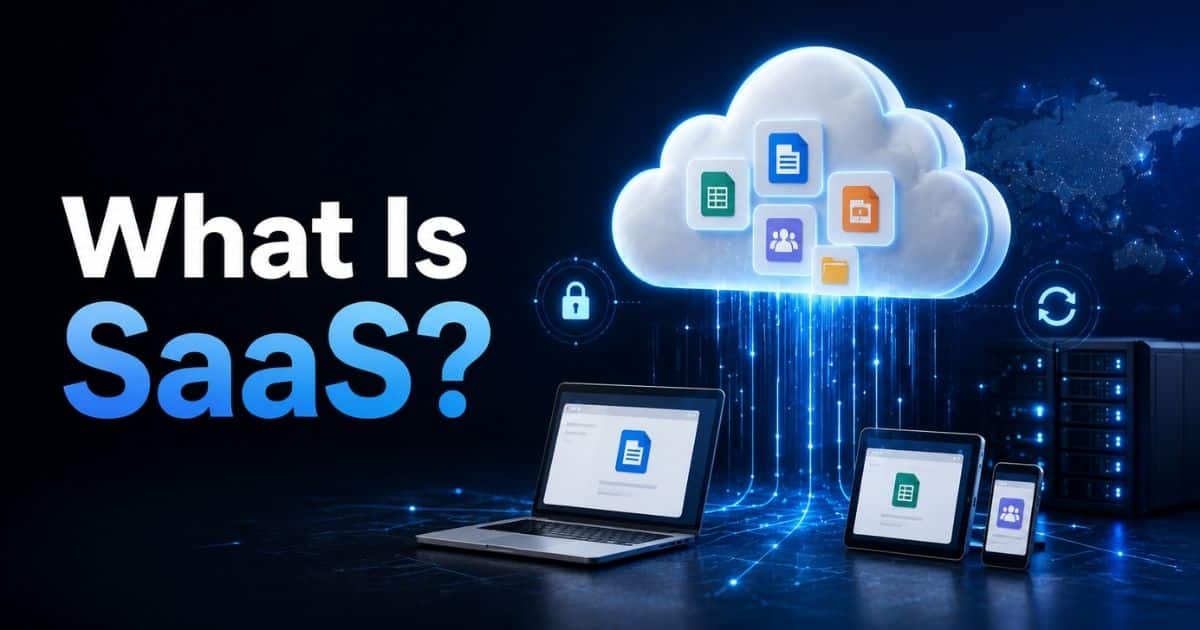
AI agents in SaaS are systems that can think, decide, and act inside software as a service platforms. These AI agents use artificial intelligence, machine learning, and generative AI to handle complex tasks with less human effort. SaaS companies use SaaS AI agents to process customer data, perform data analysis, and manage business processes. Unlike traditional SaaS, these agents can understand natural language, make API calls, and respond to user behavior in real time.
AI agents represent a shift in enterprise software and SaaS applications. They work like AI assistants across sales teams, operations teams, and HR agent workflows. Agents could answer routine inquiries, support project management, and reduce operational costs. With human oversight and strong data management, SaaS platforms gain better decision-making, cost efficiency, and customer satisfaction. This is the next wave of technological change in the SaaS industry.
How AI Agents In SaaS Change Traditional Software Models
Traditional software follows rules. Users click, and systems respond. AI agents in SaaS change that model. They act, learn, and adapt in real time. SaaS platforms now move from passive tools to active systems that support decision making, reduce effort, and improve results compared to traditional automation approaches.
Shift From Rule-Based Systems
Traditional SaaS depends on fixed logic. It runs on predefined workflows and static rules. AI agents change that by using machine learning and generative AI. They learn from data and adjust actions over time. This makes software more flexible and responsive.
Reports show over 60% of SaaS companies now invest in AI capabilities to move beyond rigid systems. AI agents in SaaS can handle repetitive tasks and complex issues without constant human input. This shift helps teams focus on strategic thinking instead of routine work.
Rise Of Agent-Driven Workflows
Agent workflows replace manual steps in many SaaS applications. AI agents manage tasks across systems through API calls and distributed systems. They connect tools like CRM, billing system, and project management platforms into one smart flow, forming the backbone of AI-driven automation in SaaS.
Studies show automation with AI agents can reduce operational costs by up to 30%. SaaS AI agents streamline operations for sales teams and operations teams. They also improve operational efficiency by handling specific tasks with speed and accuracy.
Move Toward Real-Time Decision Making
Traditional SaaS tools rely on user input for decisions. AI agents in SaaS bring real-time intelligence. They analyze customer data, user behavior, and system activity to guide actions instantly. This supports faster and better outcomes.
AI-powered systems now help enterprise applications react to changes as they happen. Around 70% of businesses report improved decision-making after AI adoption. AI agents support human agents and sales people by offering insights and next best actions.
Better Customer Experience With AI
Customer experience improves when SaaS platforms become proactive. AI agents answer questions, resolve issues, and personalize responses using natural language. They act like AI assistants inside web apps and web applications.
Data shows 65% of customers expect instant responses from software services. AI agents in SaaS help meet that demand. They increase customer satisfaction by handling routine inquiries and complex tasks without delay. This creates a smoother and more engaging experience.
New SaaS Business Models Emerge
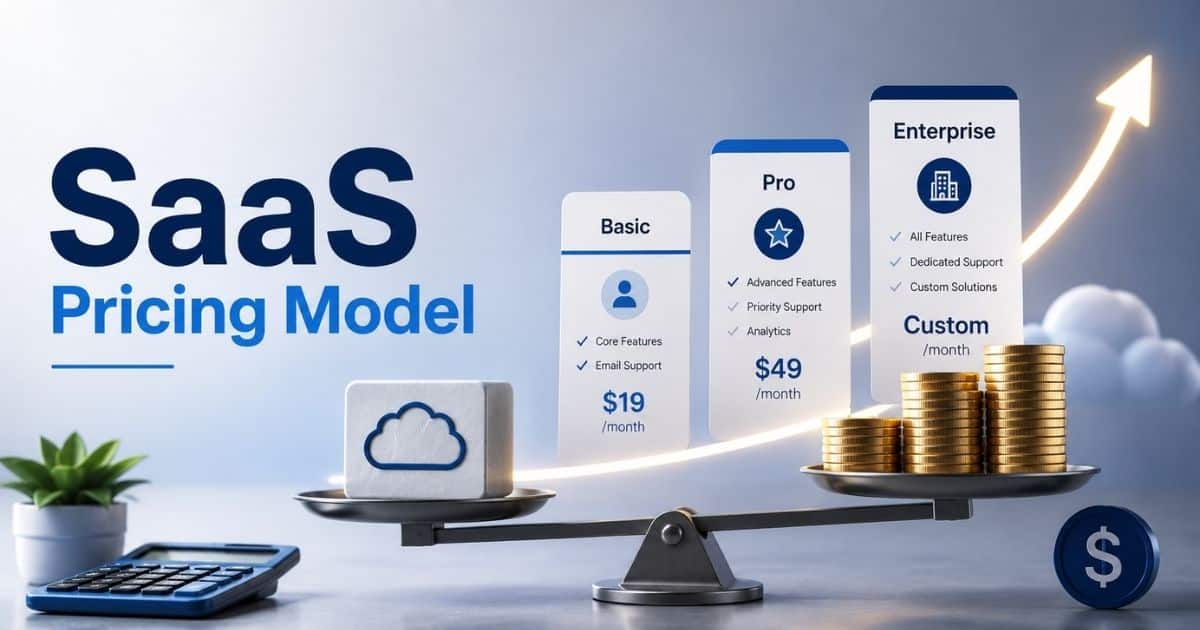
AI agents unlock new business models in the SaaS industry. SaaS vendors now offer AI powered features as core products, not add-ons. Pricing models also shift based on usage, automation level, and value delivered.
Agentic AI enables SaaS companies to enter new markets and build smarter SaaS products. These agentic systems create value through cost efficiency and performance gains. This transformation shows the strong transformative potential of AI agents in modern software.
Core Components Behind AI Agents In SaaS Architecture
AI agents in SaaS rely on a strong architecture. Each layer plays a clear role. These systems use data, models, and workflows to act with purpose. A solid setup helps SaaS platforms deliver speed, accuracy, and real value.
AI Models And Intelligence Layer
AI models form the brain of AI agents. These include machine learning and generative AI models. They process data, understand patterns, and support decision-making. SaaS AI agents depend on these models to handle complex tasks with accuracy.
Recent reports show over 65% of enterprise software now uses AI models for automation and insights. AI agents in SaaS use these capabilities to move beyond simple rules. This helps SaaS companies build smarter and more adaptive SaaS applications.
Data And Context Management
Data drives every AI agent. Customer data, user behavior, and system data shape how agents respond. Strong data management ensures accurate outputs and better performance. Without quality data and robust AI infrastructure for intelligent applications, AI agents fail to deliver value.
Around 80% of AI project time goes into data preparation and data analysis. SaaS platforms must manage large volumes of data across distributed systems. This helps AI agents understand context and improve customer experience in real time.
Agent Workflows And Orchestration
Agent workflows define how tasks move across systems. AI agents connect tools through API calls and automate business processes. They coordinate tasks across SaaS platforms, web apps, and enterprise applications.
Studies show companies using agent workflows see up to 40% gains in operational efficiency. SaaS AI agents streamline operations teams and sales teams. They reduce repetitive tasks and improve cost efficiency across business processes.
Integration And System Connectivity
AI agents need strong integration to work well. They connect with billing systems, CRM tools, and other SaaS products. This allows smooth data flow and real-time updates across the web application ecosystem.
Over 70% of SaaS vendors say integration is critical for AI adoption. AI agents in SaaS use API calls to access controls, trigger actions, and manage workflows. This makes enterprise applications more connected and efficient.
Human Oversight And Control Layer
Human oversight ensures AI agents stay accurate and safe. Human developers and teams monitor outputs, handle edge cases, and manage compliance requirements within a broader AI governance framework for SaaS platforms. This layer protects systems and improves trust.
Reports show 68% of businesses prioritize human oversight in AI systems. AI agents work best when human agents guide critical decisions. This balance supports better customer satisfaction, reduces risks, and improves long-term reliability.
Types Of AI Agents Used In SaaS Platforms
AI agents in SaaS come in different forms. Each type solves a specific task. Some focus on speed, while others handle complex issues. SaaS companies use a mix of agents to improve operations, customer experience, and decision-making.
Reactive AI Agents
Reactive AI agents respond to inputs in real time. They do not store long-term memory. They work best for simple and repetitive tasks like answering routine inquiries or handling support tickets. Many SaaS applications use them in chat and support tools.
About 55% of SaaS platforms use reactive AI agents for customer service tasks. These agents improve response time and reduce load on human agents. They rely on rules and basic machine learning to deliver fast and accurate outputs.
Goal-Based AI Agents
Goal-based AI agents focus on outcomes. They plan actions and choose the best path to reach a goal, often relying on generative AI applications and predictive models. These AI agents in SaaS are useful for sales teams, project management, and workflow automation.
Studies show goal-driven systems can improve task completion rates by up to 30%. SaaS AI agents use data analysis and user behavior to guide decisions. They support strategic thinking and help teams achieve better results with less effort.
Learning AI Agents
Learning AI agents improve over time. They use machine learning and customer data to adjust actions. These agents analyze feedback, detect patterns, and refine performance, so choosing the right AI models for startups and teams becomes critical. They play a key role in modern SaaS platforms.
Around 70% of AI adoption focuses on systems that learn from data. SaaS companies use these agents to improve customer experience and operational efficiency. They reduce errors and handle complex tasks with better accuracy over time.
Multi-Agent Systems
Multi-agent systems use multiple AI agents that work together. Each agent handles a specific task, but they share data and coordinate actions. This approach is common in large enterprise applications and distributed systems.
Reports show multi-agent setups can boost efficiency by over 40% in complex workflows. SaaS platforms use them to manage business processes across tools. They improve scalability and support advanced agent workflows in real environments.
Autonomous AI Agents
Autonomous AI agents act with minimal human input. They make decisions, execute tasks, and adapt to changes. These agents represent the next wave of agentic AI in the SaaS industry and broader AI in SaaS trends.
By 2026, experts expect over 50% of SaaS products to include autonomous AI capabilities. These agents streamline operations, reduce operational costs, and improve cost efficiency. They offer strong transformative potential for modern software as a service platforms.
Key Benefits Of AI Agents In SaaS For Businesses
AI agents in SaaS bring real value to modern businesses. They reduce manual effort, improve speed, and support better decisions. SaaS companies use AI agents to handle data, automate workflows, and improve customer experience across platforms.
Higher Operational Efficiency
AI agents in SaaS improve operational efficiency across teams. They handle repetitive tasks, manage workflows, and support operations teams in daily activities. This helps reduce workload and speeds up business processes.
Studies show AI-powered systems can boost productivity by up to 40%. SaaS AI agents streamline operations in enterprise applications and SaaS products. They reduce delays and improve performance across distributed systems and web applications.
Lower Operational Costs
AI agents reduce operational costs by automating routine work. Tasks like customer support, data entry, and reporting no longer need full manual effort. Smarter software tools that simplify day-to-day work help SaaS companies cut expenses without reducing output.
Reports suggest AI adoption can lower business costs by up to 30%. SaaS vendors use AI tools to replace repetitive tasks handled by human agents. This improves cost efficiency and supports scalable business models in the SaaS industry.
Better Decision Making
AI agents support faster and smarter decision-making. They analyze customer data, user behavior, and system data in real time. This helps teams act based on insights instead of guesswork.
Around 70% of businesses say AI improves data-driven decisions. AI agents in SaaS use machine learning and data analysis to guide actions. Sales teams and operations teams benefit from clear insights and better planning.
Improved Customer Experience
Customer experience improves with AI agents in SaaS. These agents answer questions, solve problems, and respond using natural language. They act as AI assistants inside SaaS platforms and web apps, and well-designed AI features can significantly increase engagement.
Data shows 65% of users expect instant responses from digital services. AI agents help meet that demand. They increase customer satisfaction by handling routine inquiries and complex issues quickly and accurately.
Scalable Growth And New Opportunities
AI agents support growth without increasing team size. SaaS companies can manage higher workloads and expand into new markets. These agents also enable new business models and pricing models.
Experts say AI-powered SaaS will drive the next wave of innovation. AI agents in SaaS help businesses adapt to technological change and build smarter SaaS applications. This creates long-term value and competitive advantage.
Real SaaS Use Cases Of AI Agents With Practical Examples
AI agents in SaaS already solve real business problems. They work across sales, support, HR, and operations. SaaS companies use these agents to automate tasks, analyze data, and improve outcomes. Real use cases show clear value, not theory.
Customer Support Automation
AI agents handle routine inquiries in SaaS applications. They answer questions, resolve common issues, and guide users through workflows. These AI assistants use natural language to speak directly with customers inside a web app or web application.
Reports show AI agents can handle up to 70% of support queries without human agents. SaaS platforms use these agents to improve customer experience and reduce response time. This also lowers operational costs and improves customer satisfaction across enterprise applications.
Sales Process Optimization
AI agents support sales teams with lead scoring, follow-ups, and outreach. They analyze customer data and user behavior to identify high-value prospects, often powered by a thoughtful LLM integration strategy for SaaS platforms. These agents help salespeople focus on deals instead of manual tasks.
Studies show AI-powered sales tools can increase conversion rates by 20% or more. SaaS AI agents improve decision-making and strategic thinking in sales workflows. They also automate repetitive tasks and improve operational efficiency in SaaS products.
HR And Talent Management
AI agents support HR agent workflows in enterprise software. They screen resumes, schedule interviews, and answer routine inquiries from candidates. These agents also assist with onboarding and employee queries.
Around 60% of HR teams now use AI tools for recruitment tasks. SaaS companies use AI agents to streamline operations in HR processes. This reduces manual work for human developers and HR teams while improving data management and accuracy.
Financial And Billing Automation
AI agents manage billing systems, invoices, and payment tracking in SaaS platforms. They detect errors, flag unusual activity, and ensure compliance requirements are met. These agents build on core artificial intelligence software capabilities to reduce risk and improve accuracy in financial processes.
Reports show automation can reduce billing errors by over 50%. SaaS vendors use AI agents to manage significant amounts of financial data. This improves cost efficiency and ensures smoother business processes in software-as-a-service environments.
Product Personalization And Insights
AI agents analyze user feedback, customer data, and usage patterns. They personalize features, recommend actions, and improve product experience. These agents help SaaS applications adapt to each user.
Data shows personalized SaaS experiences can increase user retention by up to 30%. AI agents in SaaS support better application development and product updates. They help SaaS companies build smarter solutions and unlock new markets with AI capabilities.
AI Agents In SaaS Vs Traditional Automation Tools
AI agents in SaaS go beyond basic automation. Traditional tools follow fixed rules and scripts. AI agents learn, adapt, and make decisions, reflecting broader advances in AI software development for intelligent products. This shift helps SaaS platforms handle complex tasks, improve efficiency, and deliver smarter outcomes across business processes.
Aspect | AI Agents In SaaS | Traditional Automation Tools |
|---|---|---|
Core Approach | Uses artificial intelligence, machine learning, and agentic AI | Uses rule-based logic and predefined workflows |
Decision Making | Supports real-time decision-making with data analysis | Follows fixed rules with no dynamic decisions |
Task Handling | Manages complex tasks and multi-step agent workflows | Handles repetitive tasks with limited flexibility |
Learning Ability | Learns from customer data and user behavior over time | Does not learn or improve without manual updates |
Adaptability | Adapts to new scenarios and edge cases | Breaks or fails outside predefined conditions |
Integration | Works across SaaS platforms using API calls and distributed systems | Limited integration and often siloed |
Customer Experience | Uses natural language to answer questions and personalize responses | Provides basic scripted responses |
Efficiency Impact | Improves operational efficiency and cost efficiency significantly | Saves time but offers limited performance gains |
Human Role | Works with human oversight for better outcomes | Requires constant human control and updates |
Business Value | Drives new business models and innovation in SaaS industry | Focuses on task automation without strategic impact |
How AI Agents In SaaS Improve Customer Experience
AI agents in SaaS improve how users interact with software. They respond fast, understand context, and adapt to user needs. Strong UI/UX design for SaaS products ensures these AI capabilities feel intuitive and seamless. SaaS platforms use these agents to deliver better support, smoother journeys, and more personalized experiences across every touchpoint.
Faster Response And Support
AI agents reduce wait time in customer support. They answer questions in seconds and resolve routine inquiries without delay. These AI assistants work inside SaaS applications and web apps using natural language.
Studies show over 65% of customers expect instant responses from software services. AI agents in SaaS help meet that demand. They support human agents by handling high volumes of queries. This improves customer satisfaction and keeps support teams focused on complex issues.
Personalized User Interactions
AI agents use customer data and user behavior to tailor responses. They recommend actions, features, and solutions based on real-time insights. This creates a more relevant experience for each user.
Reports show personalization can increase customer retention by up to 30%. SaaS AI agents help SaaS companies deliver smarter interactions across SaaS platforms. They improve customer experience by adapting to individual needs and preferences.
24/7 Availability Across Platforms
AI agents provide round-the-clock support. Users can get help at any time without relying on human agents. This is critical for global SaaS products and enterprise applications.
Around 70% of users expect support outside business hours. AI agents in SaaS ensure continuous service across web applications and digital platforms. This improves trust and keeps users engaged at all times.
Proactive Issue Resolution
AI agents do more than react. They detect problems early and take action. They monitor data, track user feedback, and identify patterns that signal issues.
Studies show proactive support can reduce churn by up to 25%. SaaS platforms use AI agents to fix issues before users notice them. This improves operational efficiency and strengthens customer relationships.
Consistent And Accurate Experience
AI agents deliver consistent responses across all channels. They follow defined logic and use updated data for every interaction. This reduces errors and improves service quality.
Reports show consistent service improves customer satisfaction by over 20%. AI agents in SaaS help maintain accuracy while handling significant amounts of data. With human oversight, they ensure reliable and high-quality customer experience.
Challenges Of Implementing AI Agents In SaaS
AI agents in SaaS offer strong value, but adoption is not simple. SaaS companies face technical, data, and operational barriers. These challenges affect performance, cost, and trust. A clear view helps teams plan better and avoid costly mistakes.
Data Quality And Availability Issues
AI agents depend on clean and structured data. Poor customer data leads to weak outputs and wrong decisions. Many SaaS platforms struggle with scattered data across systems and tools.
Reports show nearly 80% of AI project time goes into data preparation and data management. SaaS AI agents need consistent data analysis to perform well. Without strong data pipelines, agents fail to deliver reliable results in enterprise applications.
High Implementation And Maintenance Costs
AI adoption requires investment in AI models, infrastructure, and skilled human developers. Costs also rise with ongoing updates, monitoring, and scaling needs.
Studies suggest AI systems can increase initial tech costs by up to 25%. SaaS vendors must balance cost efficiency with performance. Without a clear plan, AI agents in SaaS can increase operational costs instead of reducing them.
Integration With Existing Systems
AI agents must connect with existing SaaS products, billing systems, and enterprise software. Integration often becomes complex due to legacy systems and limited API access.
Around 70% of SaaS companies report integration challenges during AI adoption. AI agents rely on API calls and distributed systems to function. Weak integration slows workflows and reduces operational efficiency across business processes.
Accuracy And Edge Case Risks
AI agents can struggle with complex issues and edge cases. They may produce incorrect responses or fail in unusual scenarios. This creates risks in customer experience and decision-making.
Reports show over 40% of businesses face accuracy issues in AI systems. SaaS platforms must test agent workflows and monitor outputs closely. Human oversight helps reduce errors and improve reliability in real-world use.
Compliance And Security Concerns
AI agents handle sensitive data, which raises compliance requirements and security risks. SaaS companies must follow data protection laws and maintain strong access controls by embracing principles of ethical AI software and governance.
Studies show 60% of organizations see compliance as a major barrier to AI adoption. AI agents in SaaS must protect customer data and ensure safe operations. Strong governance helps reduce risks and builds trust with users.
How To Implement AI Agents In SaaS Step By Step
AI agents in SaaS need a clear plan. Random setup leads to failure. SaaS companies must align goals, data, and systems first. A step-by-step approach helps reduce risk, control costs, and deliver real business value.
Step 1: Define Clear Use Cases
Start with a specific task. AI agents work best when the scope is clear. Focus on problems like routine inquiries, data analysis, or support for sales teams. Avoid broad goals in early stages.
Reports show over 60% of AI projects fail due to unclear objectives. SaaS companies should map business processes and identify where AI agents add value. This step sets direction for agent workflows and improves success rates in SaaS applications.
Step 2: Prepare And Structure Data
Strong data is critical for AI agents in SaaS. Clean customer data and system data improve accuracy. Data management must cover storage, access, and quality checks across SaaS platforms.
Studies show 80% of AI effort goes into data preparation. SaaS vendors must unify data from web applications, billing systems, and enterprise software. This helps AI models deliver better results and supports real-time decision-making.
Step 3: Choose The Right AI Models
Select AI models based on the task. Machine learning models handle predictions, while generative AI supports natural language tasks. The right mix improves performance and cost efficiency and is a core part of any plan to integrate AI into SaaS products.
Around 65% of SaaS companies now invest in AI capabilities for better outcomes. AI agents use these models to solve complex tasks and support business processes. This step defines how intelligent the agent becomes in real scenarios.
Step 4: Build And Integrate Agent Workflows
Agent workflows connect systems and tasks. AI agents must integrate with SaaS products, CRM tools, and project management platforms using API calls. This ensures smooth operations across distributed systems and must align with broader best practices of SaaS architecture.
Reports show companies with strong integration see up to 40% higher operational efficiency. SaaS AI agents streamline operations teams and reduce repetitive tasks. Integration also supports better user experience across the web app ecosystem.
Step 5: Monitor, Test, And Improve
AI agents need constant monitoring. Track performance, accuracy, and user feedback. Identify edge cases and fix issues quickly. Human oversight ensures reliability and compliance requirements.
Studies show 70% of AI success depends on continuous improvement. SaaS platforms must refine agent workflows over time. This improves customer satisfaction, reduces operational costs, and ensures long-term value from AI adoption.
When Businesses Should Use AI Agents In SaaS
AI agents in SaaS do not fit every situation. Timing matters. Businesses need clear signals before adoption. The right moment depends on data readiness, workload, and goals. A smart approach avoids waste and drives real impact.
High Volume Of Repetitive Tasks
Businesses with many repetitive tasks gain quick value from AI agents. Tasks like routine inquiries, data entry, and basic support drain time and resources. AI agents handle these tasks with speed and accuracy as part of modern scalable SaaS tools for growth.
Reports show automation can reduce manual workload by up to 40%. SaaS companies use AI agents to support operations teams and reduce pressure on human agents. This improves operational efficiency and frees teams for strategic thinking.
Growing Customer Data And Complexity
Large amounts of customer data create challenges. Manual systems fail to process data at scale. AI agents in SaaS use data analysis and machine learning to turn data into insights.
Studies show 70% of businesses struggle with data management at scale. AI agents help SaaS platforms understand user behavior and improve decision-making. This leads to better customer experience and smarter business processes.
Need For Faster Decision-Making
Fast decisions matter in modern business. Traditional SaaS tools depend on human input, which slows response time. AI agents support real-time decision-making with accurate insights.
Around 65% of companies say speed is critical for growth. AI-powered SaaS applications help teams act faster. Sales teams and operations teams benefit from quick insights and better planning across enterprise applications.
Rising Operational Costs
High operational costs push businesses to adopt AI agents. Manual workflows increase expenses and reduce cost efficiency. AI agents reduce costs by automating tasks and improving performance when supported by scalable software architecture for high-growth products.
Reports suggest AI adoption can lower costs by up to 30%. SaaS vendors use AI tools to optimize business models and streamline operations. This helps maintain profitability while scaling SaaS products.
Need For Better Customer Experience
Customer expectations are higher than ever. Users expect fast and personalized service. AI agents in SaaS help meet these demands with instant responses and tailored interactions.
Data shows 65% of customers expect quick support across digital platforms. AI agents improve customer satisfaction by handling complex issues and routine inquiries. This strengthens trust and supports long-term growth in the SaaS industry.
Future Trends Of AI Agents In SaaS And What To Expect
AI agents in SaaS are evolving fast. New capabilities are shaping how software works and how businesses operate. SaaS companies now move toward smarter, more autonomous systems. The next phase focuses on scale, intelligence, and real business impact.
Rise Of Agentic AI Systems
Agentic AI is becoming a core part of SaaS platforms. These agentic systems can plan, act, and adapt with minimal input. They move beyond simple automation and support full workflows across business processes, reshaping the future of SaaS development.
Experts expect over 50% of enterprise software to include agentic AI features by 2026. AI agents in SaaS will handle complex tasks with greater efficiency. This shift will change how SaaS applications operate and deliver value.
Multi-Agent Collaboration
Future SaaS systems will use multiple AI agents that work together. Each agent will handle a specific task, but share data and coordinate actions. This improves performance across distributed systems.
Studies show multi-agent setups can boost operational efficiency by up to 40%. SaaS companies will rely on these systems to manage large-scale operations. This approach supports better decision-making and faster execution.
Deeper Personalization With AI
AI agents will deliver more advanced personalization. They will use customer data and user behavior to adapt experiences in real time. This goes beyond basic recommendations.
Reports show personalized SaaS experiences can improve retention by over 30%. AI agents in SaaS will create tailored journeys for users. This improves customer experience and strengthens long-term engagement.
Expansion Into New Business Models
AI agents will reshape SaaS business models. SaaS vendors will offer AI-powered services as core features. Pricing models will shift based on usage, outcomes, and automation levels.
Experts say AI-driven SaaS will unlock new markets and revenue streams. AI agents in SaaS will help businesses scale faster and improve cost efficiency. This change will redefine how software-as-a-service platforms compete.
Stronger Focus On Trust And Compliance
Trust and compliance will become more important. AI agents must handle data securely and meet strict compliance requirements. Businesses will invest in better access controls and governance.
Around 60% of companies see compliance as a key factor in AI adoption. AI agents in SaaS will need strong human oversight to manage risks. This will ensure safe, reliable, and scalable AI systems in enterprise applications.
Final Thoughts
AI agents in SaaS are no longer optional. They are becoming a core layer in modern software. SaaS companies that adopt early gain speed, efficiency, and better decision-making. Those who delay risk falling behind in a fast-changing market.
AI agents move software from tools to active systems. They handle complex tasks, reduce operational costs, and improve customer experience. From sales teams to operations teams, every function benefits from smarter workflows and real-time insights.
Success depends on the right approach. Strong data, clear use cases, and human oversight make the difference. Businesses that focus on value, not hype, see real results.
FAQs
What Makes AI Agents In SaaS Different From Regular AI Tools?
AI agents in SaaS act with autonomy. They do not just assist. They complete tasks, make decisions, and manage workflows across SaaS platforms. Regular AI tools support tasks, but agents handle full business processes.
Can AI Agents In SaaS Replace Human Teams Completely?
No, AI agents cannot fully replace human agents. They handle repetitive tasks and support decision-making, but human oversight is still critical. Complex issues, strategy, and compliance still need human judgment.
Are AI Agents In SaaS Secure For Handling Customer Data?
Yes, AI agents can be secure if built with proper access controls and data management. SaaS companies must follow compliance requirements and monitor systems closely. Security depends on implementation, not just technology.
Do Small SaaS Companies Benefit From AI Agents?
Yes, small SaaS companies can benefit a lot. AI agents reduce operational costs and help streamline operations without large teams. They also help enter new markets faster with a better customer experience.
How Fast Is AI Agent Adoption In The SaaS Industry?
AI adoption is growing rapidly. Around 79% of companies already use AI agents, and many plan to expand usage. AI agents in SaaS are moving from experiments to core enterprise applications.