Real estate companies today face a fundamental challenge. Portfolios have grown more complex, spanning multiple asset types, jurisdictions, and ownership structures. Spreadsheets and disconnected legacy systems simply cannot keep pace with modern operational demands.
Real estate software development addresses this gap by creating purpose-built digital systems that understand how property businesses actually work. From acquisitions and leasing through maintenance coordination and investor reporting, custom platforms connect every operational function into a unified system.
GainHQ builds these platforms for property managers, asset managers, and real estate investors who need technology that fits their specific workflows. The following sections walk through core modules, technology considerations, implementation steps, and realistic budgets for projects launching in 2024 through 2026.
What Is Real Estate Software Development
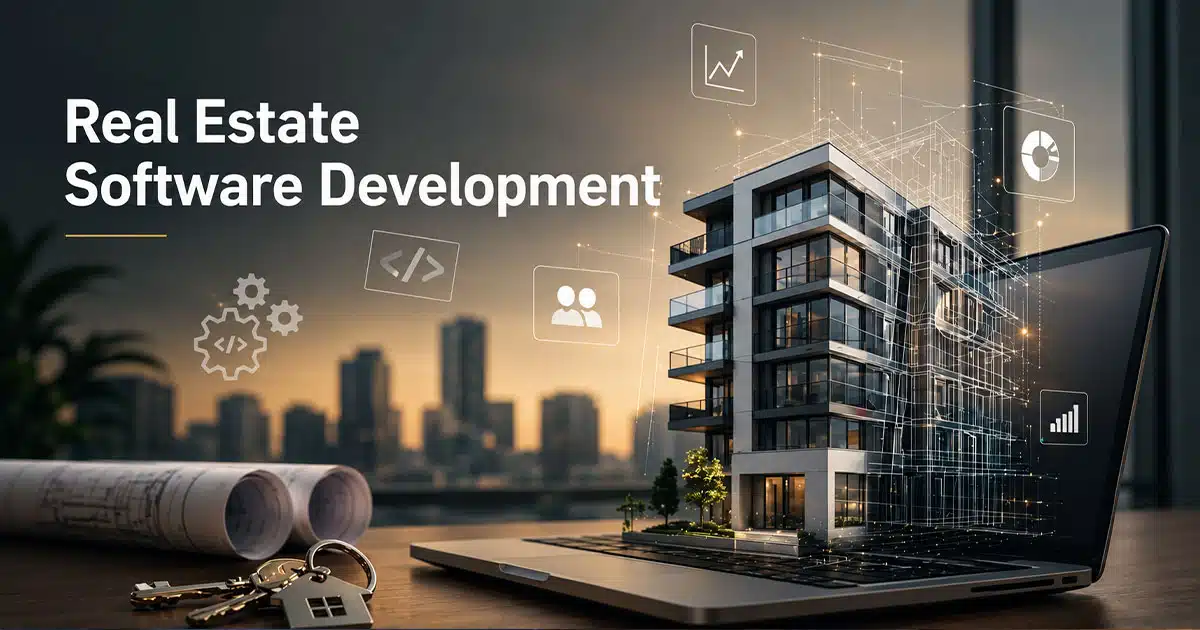
Real estate software development refers to the creation of digital solutions that support operations across the real estate market. It helps manage real estate development projects, streamline real estate transactions, and simplify workflows for real estate agents. These systems often include real estate management software and real estate development software tailored for different business needs.
Modern platforms combine customer relationship management, project management tools, and smart handling of property listings to improve efficiency. Teams can track deals, monitor progress, and maintain clear communication in one place. With the rise of real estate app development, businesses now offer mobile access for faster decisions.
Advanced features like accurate property valuation and data insights also support better planning. Overall, real estate software development enables smarter, faster, and more organized real estate development and operations.
Why Smarter Property Operations Need Custom Real Estate Software
Compared to generic tools, custom software development meaning and benefits become clear when real estate teams need systems aligned tightly with their own leasing, operations, and reporting workflows.
Modern property operations demand speed, accuracy, and flexibility. Custom real estate software aligns with unique workflows, supports better decisions, and brings control across systems, teams, and data for long-term operational efficiency and growth.
Centralized Transaction And Property Control
Custom platforms bring transaction management and property management systems into one unified space. That reduces manual errors and fragmented workflows. Teams can monitor deals, leases, and ownership records without switching tools.
Better control also improves visibility across operations. Businesses handle managing property listings with accuracy and consistency. It ensures updated data across channels, which helps build trust with clients and stakeholders.
Strong Support For Complex Projects
Large-scale real estate projects often involve multiple stakeholders, timelines, and dependencies. Custom real estate development solutions support complex projects with structured workflows and better coordination.
Tools designed for project managers simplify planning, resource allocation, and tracking. This improves project management efficiency and ensures every stage of the development process stays aligned with goals.
Industry-Specific Features And Flexibility
Generic tools rarely meet the needs of commercial real estate or specialized operations. Comparing custom vs off-the-shelf software helps clarify when purpose-built platforms are worth the investment. Custom platforms include key features tailored for real estate brokers, developers, and enterprises.
Flexible systems adapt to changing business processes and scale with growth. They also integrate with existing systems, which reduces disruption and ensures smoother adoption across teams.
Data-Driven Decisions And Financial Clarity
Custom software delivers valuable insights through analytics and reporting. Real-world examples of how custom software transformed companies show similar gains in speed, accuracy, and decision quality. Teams can track property values, monitor performance, and evaluate opportunities with confidence.
Integrated financial management tools help manage budgets, revenue, and expenses in one place. This clarity supports better planning and ensures long-term profitability for real estate developers.
Better Execution Across Development Phases
Custom solutions improve efficiency across every software development phase and operational stage. They support construction management, track project health, and streamline task management.
Automation reduces repetitive work and improves accuracy. Teams gain better control over timelines and outcomes, which highlights the key benefits of tailored systems for modern property operations.
Key Real Estate Software Solutions For Modern Portfolios
Most successful modern real estate platforms are architected as integrated suites of modules rather than monolithic single-purpose systems. Each module operates both independently and in concert with others, creating a unified data layer that eliminates silos. Applying principles of scalable software architecture for high-growth products ensures these suites can handle growing portfolios and feature complexity. This modular approach allows organizations to launch quickly with a focused MVP and progressively add capabilities over time.
Property And Lease Management Systems
A centralized property and lease management system serves as the foundational data backbone for all other platform functions. The system maintains a comprehensive registry of every unit or space in the portfolio, including physical attributes, location within the property, and condition status. The lease management component tracks all contractual agreements, including tenant identity, lease dates, monthly rent, security deposits, and special terms.
Contemporary property management software generates occupancy heatmaps visualizing which units are leased versus vacant by building floor and cluster. Rent roll exports provide standardized formats that list all leased units, including tenant names, rent amounts, and delinquency status. Cash flow forecasting projects expected rental income based on current lease terms and historical turnover assumptions.
Integration with accounting software such as QuickBooks or Xero ensures that lease data automatically drives financial records. Automated reconciliation flags discrepancies between PMS records and banking transactions, eliminating the hours property managers previously spent on manual verification.
Real Estate CRM And Lead Management
A dedicated real estate CRM tracks leads from originating channels like Zillow, Realtor.com, and social advertising into a unified pipeline. Each lead moves through defined stages toward a signed lease or purchase agreement. The system maintains contact information, property preferences, timeline, and complete engagement history.
Automated follow-up sequences engage leads based on their stage and behavior, ensuring no inquiry falls through cracks. Tour scheduling integrates with agent calendars, automatically selecting available time slots and sending confirmation details. Lead scoring algorithms combine qualification signals with behavioral patterns to surface high-probability prospects.
Real estate professionals today expect instant responses to inquiries and mobile-first communication. A lead submitting an inquiry on Sunday evening expects automated acknowledgment immediately and human response by Monday morning. Modern platforms support SMS, WhatsApp, and in-app chat alongside traditional email, recognizing that younger demographics prefer messaging apps and benefit from flexible software solutions that adapt as communication habits evolve.
Tenant, Owner, And Investor Portals
Property management portals provide tenant self-service for rent collection, maintenance request submission, community announcements, and digital lease access through web and mobile app interfaces. Payment functionality allows tenants to pay using credit cards, bank transfers, or recurring ACH payments with integrated payment gateway security.
Owner and investor dashboards aggregate portfolio KPIs including occupancy rates, delinquency metrics, distribution information, and IRR per asset or fund. Quarterly reporting automation consolidates financial data, occupancy trends, and capital improvement status into standardized reports that can be securely shared rather than emailed as attachments.
A 2026-ready investor portal provides a logged-in dashboard showing current portfolio occupancy, performance trend charts, upcoming capital needs, and downloadable tax documents. Property owners and real estate investors can instantly assess portfolio health without waiting for manual report compilation.
Maintenance And Facilities Management
Maintenance management begins with work order creation, whether initiated by tenants through portals, entered by property staff, or scheduled proactively based on preventive maintenance calendars. Each work order captures issue description, location, category, priority level, and estimated resolution time.
Mobile app development for maintenance teams allows technicians to access assigned jobs, view complete work order history, capture on-site photos and videos, and record time and materials used. Mobile apps function offline for properties with spotty connectivity, synchronizing updates when connection resumes.
Vendor rate cards maintain negotiated pricing for common services, enabling cost comparison and budget forecasting. Analytics identify patterns across work orders by building, equipment type, and vendor, supporting capital expenditure planning by highlighting assets approaching end of useful life.
Analytics, Reporting, And Forecasting
Executive dashboards aggregate real estate portfolio data and present KPIs relevant to each role. Executives view portfolio-wide occupancy, blended average rent, NOI, and year-to-date performance. Asset managers view property-specific occupancy by unit type, rent growth, and maintenance expense run-rate. Building operators see maintenance queue status, vendor performance, and energy usage trends.
Advanced platforms employ machine learning artificial intelligence to generate forward-looking insights. Churn risk scoring identifies tenants at elevated non-renewal risk based on payment patterns and engagement. Dynamic pricing suggestions analyze market trends, unit characteristics, and competitor offerings to recommend optimal rental rates. Demand forecasting combines lease expiration timing with employment and population trends to predict leasing difficulty.
Technology Stack And Integrations For Real Estate Platforms
Technology stack selection should follow operational goals, required scale, and integration landscape rather than emerging trends. A platform serving a 500-unit regional portfolio will have different requirements than a national REIT managing 100,000 units across diverse markets.
Web And Mobile Application Stack
Modern web portals typically employ React or Vue.js for their component-based architecture and performance capabilities. Cross-platform mobile app development for iOS and Android uses React Native or Flutter, allowing a single codebase to compile for both platforms and reducing development costs compared to native development.
Responsive design ensures interfaces adapt gracefully from desktop browsers to tablet and smartphone screens. Offline-first architecture caches essential data locally, allowing technicians and leasing agents to access information without active network connectivity. Accessibility standards ensure portals are usable by individuals with visual or motor impairments.
Backend, Databases, And Hosting
Backend systems for large portfolios are increasingly designed as microservices, where distinct functional areas operate as independent services communicating via APIs. This architecture enables independent scaling during peak leasing season and independent deployment of updates without risking system-wide instability.
Structured relational data including property records, leases, and financial transactions is typically stored in PostgreSQL or MySQL. Elasticsearch augments relational databases for fast property search functionality across descriptions and tenant records. AWS, Azure, or Google Cloud serve as hosting infrastructure, with multi-region deployments for portfolios spanning multiple countries.
Integrations With MLS, Payments, And Productivity Tools
Integration with internet data exchange and multiple listing service feeds is critical for residential real estate platforms. RESO Web API provides standardized access to MLS data including property details, photos, and transaction history. Real estate platforms must handle MLS updates through scheduled syncs or real-time event streams.
Payment gateway integration with providers like Stripe or regional alternatives enables online payment processing. PCI-DSS compliance is achieved by using hosted payment forms rather than storing card data directly. Document signing integration with DocuSign or Adobe Sign enables tenants to review and sign leases digitally. Accounting connections ensure lease data and payments automatically flow to financial records.
Security, Compliance, And Data Protection
Encryption in transit and at rest protects sensitive data from unauthorized access. Role-based access control systems define what users can view and modify based on their responsibilities. Multi-factor authentication adds verification beyond passwords.
Privacy regulation compliance is mandatory for platforms serving European markets (GDPR) or California residents (CCPA). Real estate platforms handle sensitive financial information, identity documents, and in some cases health information related to accommodations. Regular security audits and penetration testing identify vulnerabilities before malicious actors discover them.
Using AI, Automation, And IoT In Real Estate Software
Concrete AI implementations include lead scoring algorithms that predict conversion probability, rent pricing suggestions based on market analysis, and anomaly detection in utility usage that identifies potential leaks or equipment malfunctions. Automated document management using natural language processing can scan and categorize lease documents, extracting key data automatically.
Smart building sensors track HVAC, lighting, and water usage by zone, identifying efficiency opportunities. Access control systems support security analysis while occupancy sensors inform facility design. Lessons from a software build vs buy case study can help teams decide whether these IoT and analytics layers should be custom built or integrated from existing tools. These data streams feed into maintenance and ESG dashboards for sustainability reporting.
Virtual and augmented reality capabilities enable real estate virtual tours, allowing prospects to explore properties remotely before scheduling in-person visits. Virtual property tours have become standard expectations for many tenant demographics.
Step-by-Step Process For Building Real Estate Software With GainHQ
The following roadmap reflects typical 2024 through 2026 engagements for custom real estate software development, with realistic timelines ranging from 4 to 9 months for comprehensive platforms, aligned with broader software development timeline patterns.
Discovery, Vision, And Requirements
GainHQ leads workshops mapping current workflows, pain points, and integration landscape across leasing, property management, and finance teams. Actual observations of staff performing daily work often surface needs that stakeholders do not articulate in abstract discussion.
Deliverables include user journey maps showing current and desired future workflows, a prioritized feature backlog organized by business impact, and rough budget and timeline ranges for the full platform.
Product Design And Prototyping
UX designers develop wireframes and clickable prototypes allowing leasing agents, property managers, and executives to interact with the platform before development begins. Ongoing learning from resources like the GainHQ blog on software and product design helps teams apply modern UX practices. User validation sessions reveal usability issues and preference misalignments early.
A design system codifies reusable UI components and branding guidance, ensuring consistency across the platform and accelerating future development.
Agile Development, Testing, And Releases
Development proceeds in two-week sprints, with each sprint culminating in a demo of working features to client stakeholders. Using structured technical roadmap planning for product strategy keeps these sprints aligned with long-term business goals. Working software emerges incrementally, enabling early validation and catching misalignments before months of work proceed incorrectly.
Automated test suites alert developers when changes break existing functionality. Manual testing by QA specialists focuses on user experience, edge cases, and integration between features. User acceptance testing validates that delivered software meets requirements before go-live.
Data Migration, Integration, And Rollout
Migrating legacy data from spreadsheets or older systems requires consolidation and cleansing. Address data may need standardization against postal databases. Tenant records may require deduplication. Lease terms need normalization to consistent formats.
Pilot launches on 2 to 3 selected properties enable real-world testing before full deployment across the portfolio, similar in spirit to launching an MVP in software development to validate assumptions with real users. Rollout typically proceeds in waves by geography or function.
Training, Support, And Continuous Improvement
User training is designed for specific roles rather than generic software instruction. Leasing agents learn lead capture and lease execution. Property managers learn occupancy management and maintenance coordination. Accountants learn financial reconciliation.
Ongoing support includes monitoring, bug fixes, and incremental feature releases. Usage analytics inform continuous improvement, identifying heavily used features and abandoned workflows.
Cost Drivers And Timelines For Real Estate Software Projects
Budgets and timelines vary substantially based on scope, user base size, integrations required, and organizational readiness. Broader software development budget planning principles apply here as well. The following provides realistic 2024 through 2026 ranges for planning purposes.
Scope, Complexity, And Feature Depth
A basic tenant portal enabling rent payment processing and maintenance request submission might require 8 to 12 weeks with budgets ranging from $80,000 to $120,000. For a broader view of custom software development costs and key factors, similar ranges apply across industries. A comprehensive property management suite combining lease management, CRM, tenant portal, maintenance management, and reporting typically requires 18 to 26 weeks with budgets from $250,000 to $450,000.
Multi-country portfolios with different languages, currencies, and regulatory regimes demand significantly greater effort, often extending 6 to 12 months with budgets from $600,000 to $1.5 million or more.
Integrations, Data Migration, And Legacy Constraints
Integration with a single modern API is relatively straightforward, requiring 1 to 2 weeks of effort. Integration with legacy systems lacking modern APIs may require 4 to 6 weeks and ongoing maintenance. Designing these connections within a scalable software architecture is critical as multiple integrations compound complexity.
Migrating decades of historical lease data and documents with inconsistent formats can require 8 to 12 weeks of cleansing and validation effort.
Team Composition And Engagement Model
A compact team of 3 to 4 developers plus designer and QA working together typically delivers functional products within 3 to 6 months. Larger structures tackling complex requirements provide specialization but require more coordination overhead, and the choice of software development pricing models influences how these teams are engaged.
Fixed-scope engagements define features, timeline, and budget upfront. Product partnership models operate with monthly engagement fees and flexible scope as learning emerges.
Typical Timelines For Real Estate Software In 2024 Through 2026
A focused MVP addressing a specific pain point can launch in 3 to 4 months, with cost profiles similar to those outlined in a SaaS development cost guide for businesses. A robust platform including lease management, CRM, tenant portal, and reporting typically requires 6 to 9 months. Multi-product ecosystems may require 12 to 18 months.
Phased approaches often accelerate time-to-value by launching smaller initial releases, enabling learning from real users before committing to additional modules.
Planning Budgets With GainHQ
GainHQ collaborates with clients to prioritize lean, high-impact feature sets for phase one within defined budget ranges. Choosing between time and material vs fixed price contracts shapes how those budgets are managed in practice. Realistic budgets include contingency buffers of 15 to 25 percent to absorb unforeseen challenges.
Structured change management processes define how new requirements emerging mid-project are evaluated for cost and timeline impact.
Best Practices For Successful Real Estate Software Implementation
Delivery of working code is only part of implementation success. Adoption and ROI require alignment between software capabilities, organizational processes, user training, and measurement systems.
Aligning Software With Business KPIs
Define success metrics before development starts. What business outcomes should the software enable? How will success be measured six months after launch? A multifamily operator might target reducing average days-to-lease from 35 to 25 days. A commercial investor might target reducing quarterly reporting time from two weeks to two days.
These KPI targets inform feature prioritization throughout development.
Data Quality, Governance, And Ownership
Data quality issues in source systems perpetuate into new platforms if not cleansed before migration. Allocate 2 to 4 weeks before migration to deduplicate records, standardize formatting, and validate against known sources.
Establish clear data ownership defining which department maintains property master data, financial data, and lease records.
User Adoption And Training Strategies
Involve leasing agents, property managers, and maintenance technicians in design workshops early. When users see their feedback reflected in design choices, they support implementation rather than resist it.
Designate internal champions who receive deeper training and become first-line support for colleagues.
Incremental Rollouts And Feedback Loops
Launch in phases by region, asset type, or function so issues can be corrected before full deployment. Pilot periods of 2 to 4 weeks surface real-world issues with limited downside.
Collect feedback systematically through surveys, focus groups, and support ticket analysis rather than relying on the loudest voices.
Long Term Roadmapping And Innovation
Product roadmaps should evolve based on usage data, stakeholder feedback, market trends, and portfolio growth. Regular quarterly reviews ensure roadmaps reflect current priorities.
Periodic strategy reviews evaluate emerging opportunities including AI enhancements, new integrations, and UX refinements, guided by an evolving SaaS product roadmap that keeps priorities aligned with business outcomes.
Why Partner With GainHQ For Real Estate Software Development
GainHQ specializes in building real estate and PropTech platforms rather than operating as a generic software development firm, backed by broader custom software development services across multiple industries. Domain knowledge means the team understands MLS standards, lease structures, CAM reconciliation, and regulatory variations across jurisdictions from day one.
Modern technology expertise translates to cloud-based architecture, microservices design, and mobile-first experiences built on contemporary platforms designed for growth. Strong UX capabilities ensure platforms are intuitive for leasing agents, property managers, and tenants rather than fighting through poor design.
GainHQ supports clients through the full development lifecycle from discovery and design through rollout, training, and long-term optimization. The same team that understands requirements and design decisions also builds and deploys the software, ensuring coherent execution.
The right custom solutions platform can transform scattered real estate operations into a unified system that grows with your portfolio. Reach out to discuss your current portfolio operations and explore where custom real estate software could unlock measurable gains for your organization.
Frequently Asked Questions
How Do I Know If My Real Estate Business Is Ready For Custom Software?
Clear signals include managing thousands of units across multiple disconnected systems, heavy spreadsheet usage for rent rolls and reporting, duplicated data entry across tools, and difficulty producing timely portfolio reports to investors. Even smaller portfolios may justify custom tools if they operate in niche segments with unique workflows or compliance requirements that off-the-shelf solutions cannot address.
Can I Start With A Small Real Estate Software MVP And Expand Later?
Starting with a focused MVP is often best practice. Launch just a tenant portal with payments and maintenance before adding CRM, analytics, or investor dashboards. GainHQ designs architectures allowing new modules and integrations to be added without rewriting the core platform. As shown in a case where a startup launched an MVP in 90 days, an initial investment of $100,000 to $150,000 might deliver a functional MVP, validating the approach before committing to larger platform investments.
What Internal Team Do I Need To Work Effectively With GainHQ?
Designate a product owner or project sponsor with authority to make decisions about requirements and priorities. Include representatives from leasing, property management, finance, and IT who provide input and validate designs. The product owner should commit 25 to 30 hours per week to the engagement. Consistent involvement during discovery, sprint demos, and user acceptance testing is critical to smooth project execution.
How Do You Handle Data Security For Sensitive Tenant And Investor Information?
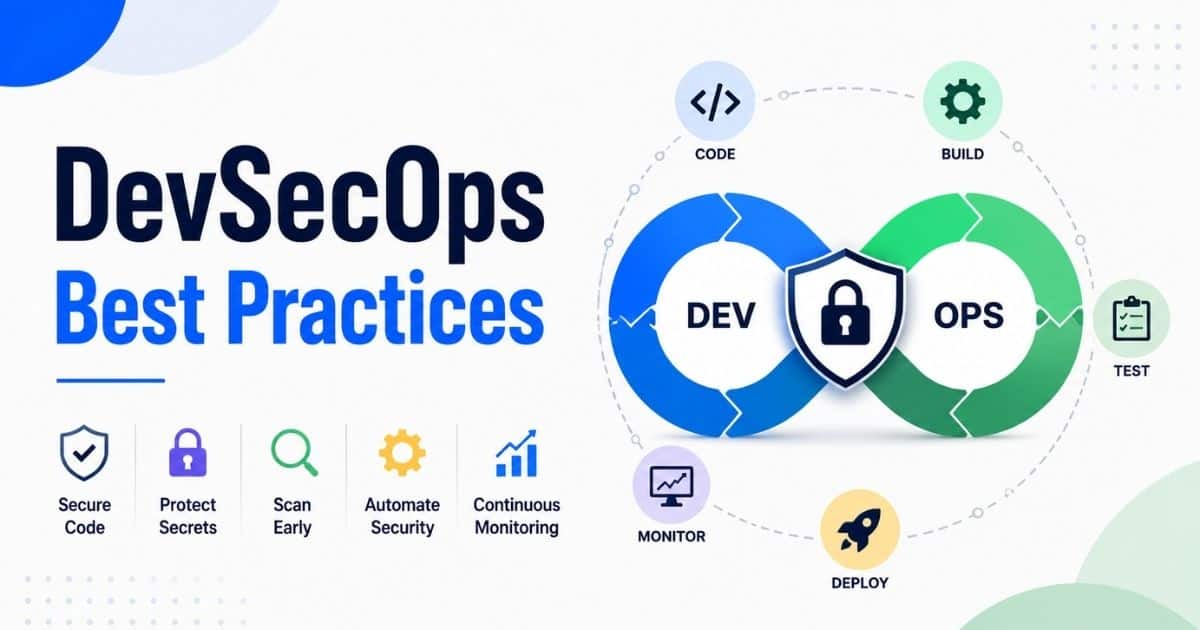
GainHQ incorporates secure development practices from the beginning rather than treating security as afterthought. Code reviews, automated security scanning, encryption in transit and at rest, and strict role-based access control protect sensitive data. Platforms align with relevant regulations including GDPR and CCPA where applicable. Regular security audits and penetration testing identify vulnerabilities proactively.
What Happens After The Initial Real Estate Platform Is Launched?
After go-live, GainHQ supports monitoring, bug fixing, incremental feature releases, and periodic roadmap sessions based on usage metrics. Most engagements include an initial support period of 30 to 90 days for stabilization. Options include ongoing SLA-based support or product partnership arrangements to keep the platform aligned with evolving business needs and future trends in the real estate industry, similar to the approaches described in successful SaaS launch stories and best practices for post MVP development growth strategy.