Software products rarely fail because of one major issue. Most problems build up quietly over time. Outdated code, security gaps, unused licenses, poor documentation, and growing technical debt can all affect performance, compliance, and customer trust. Many businesses do not notice these issues until they cause downtime, security incidents, or unexpected costs.
A software product audit helps uncover those hidden risks before they become bigger problems. It gives you a clear view of your software's health, security, quality, and compliance. More importantly, it helps you understand what needs attention and where to invest your resources.
Whether you manage a SaaS platform, enterprise application, or custom software product, regular audits can improve reliability, reduce risk, and support long-term growth, and ongoing insights from the GainHQ blog on software development and digital transformation can help you act on those audit findings effectively. This guide covers everything you need to know about software product audits, from the audit process and key evaluation areas to common findings, benefits, and best practices.
What Is A Software Product Audit?
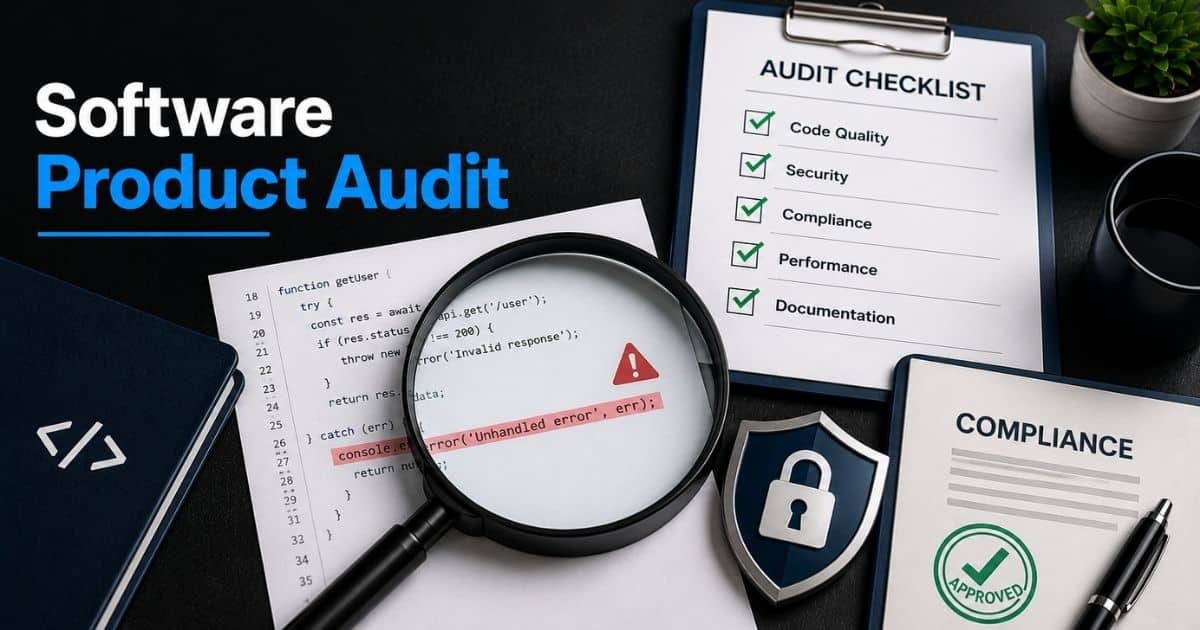
A software product audit is a structured review of software products, software systems, and software processes to evaluate performance, security, compliance, and overall quality. The audit process helps organizations understand how their software supports business operations and where improvements are needed. A typical software product audit includes reviewing source code, software licensing agreements, documentation, infrastructure, and software usage. The goal is to define audit objectives, identify security risks, and ensure compliance with industry regulations.
Depending on the audit scope, an audit team may conduct a software security audit, software quality audit, compliance audit, or software license audit. Internal audits are usually handled by in-house teams, while an external software audit brings in external auditors or third-party auditors for independent evaluation. Many organizations also use automated tools, code review practices, and static analysis tools to assess software quality and security vulnerabilities.
A complete audit plan starts with a software inventory and gathering documentation. Auditors then review critical systems, software installations, licensing agreements, and data protection measures. The entire audit process helps document findings, uncover compliance gaps, eliminate redundant software, reduce security concerns, and support risk mitigation, cost savings, regulatory compliance, and long-term software development success.
Why A Software Product Audit Is Important
Many teams focus on new features, deadlines, and customer requests. Software health often gets less attention. A software product audit helps uncover hidden risks, quality issues, and compliance gaps before they become expensive problems. It gives businesses a clearer picture of how well their software products support long-term growth.
Security Risks Often Stay Hidden
Security issues do not always show obvious warning signs. Weak access controls, outdated encryption methods, and vulnerable third-party components can exist for years without detection. A software security audit helps identify security vulnerabilities before attackers find them.
Recent cybersecurity reports show that around 60% of data breaches involve a human element such as errors, phishing, or stolen credentials. Another study found that human error contributes to 74% of breaches. Regular software audits reduce security risks through code review, vulnerability checks, and stronger data protection measures.
Compliance Problems Can Become Expensive
Many companies assume their software already meets legal and regulatory requirements. That assumption can be costly. A compliance audit reviews software systems, documentation, and software processes against industry standards and legal regulations.
Software audits also examine software licensing agreements and software usage. Auditors can uncover unauthorized software installations, unused licenses, or license compliance issues. Annual reviews help organizations ensure compliance and avoid penalties, contract disputes, and unexpected audit costs.
Technical Debt Slows Growth
Technical debt grows quietly. Quick fixes, outdated code, and poor architecture decisions often create problems that become harder to solve later. A software quality audit helps teams understand the true condition of their source code and development practices, while a dedicated technical debt management guide for software teams can provide strategies to keep that debt under control.
The audit process may include static analysis tools, manual code review, and quality assurance assessments. Audit reports often reveal outdated documentation, inefficient workflows, and software quality concerns. Early action makes future software development faster, safer, and more cost-effective.
Software Costs Add Up Quickly
Many businesses pay for software they no longer need. Redundant software, duplicate tools, and unused licenses create unnecessary expenses. A software inventory is often one of the first steps in a software audit process because it exposes waste that is easy to miss.
Regular software audits support cost optimization by reviewing software applications, cloud software subscriptions, and software license usage. Audit findings often reveal opportunities for cost savings while improving operational efficiency across business operations.
Audits Build Trust And Reliability
Customers, investors, and partners expect software products to be secure and reliable. A quality audit and security audit demonstrate a commitment to software quality, regulatory compliance, and risk mitigation.
Software audits provide transparency into the technical health of critical systems. External auditors bring external expertise and an independent perspective. Internal software audits help teams continuously improve. Together, they strengthen software security, improve reliability, and increase confidence in the product's future. Recent surveys also show that 62% of organizations were audited by a major software vendor in the past year, making audit readiness more important than ever.
Signs Your Software Product Needs An Audit
Software problems rarely appear overnight. Most issues build slowly in the background. Security gaps, outdated code, compliance issues, and rising costs often go unnoticed until they affect customers or business operations. A software product audit helps uncover those risks early and provides a clear path for improvement.
Frequent Security Issues
Security incidents are one of the strongest signs that a software audit is overdue. Unpatched vulnerabilities, weak access controls, and outdated security practices can expose sensitive data and critical systems.
Recent cybersecurity reports show that 31% of data breaches now start with software vulnerabilities, making them a bigger threat than stolen passwords. Security audits help identify security vulnerabilities, review data protection measures, and reduce the risk of a costly data breach. Regular software audits also reveal security gaps before cybercriminals can exploit them.
Software Performance Keeps Declining
Users notice slow applications quickly. Long load times, system crashes, and unstable features often point to deeper issues inside software systems. Poor performance can affect customer satisfaction and daily business operations.
A software quality audit examines source code, infrastructure, and software processes to identify the root cause. Code review and automated tools can uncover technical debt, outdated components, and inefficient workflows. Audit findings often reveal opportunities to improve software quality and overall reliability, especially when combined with proven SaaS performance optimization best practices.
Compliance Requirements Are Hard To Meet
Regulatory compliance becomes more difficult as software products grow. New features, third-party integrations, and changing legal regulations can create compliance gaps that teams fail to notice.
A compliance audit reviews software usage, software licensing agreements, documentation, and security controls. The audit process helps ensure compliance with industry standards and regulations such as GDPR. Regular reviews also reduce the risk of penalties, contract disputes, and audit failures caused by outdated documentation or missing records.
Software Costs Keep Increasing
Rising software expenses are another common warning sign. Many organizations continue paying for software applications they no longer use. Duplicate tools and unused licenses can quietly increase costs every month.
A software inventory helps the audit team identify redundant software, expired subscriptions, and unused licenses. License compliance checks also verify that the organization's software usage aligns with licensing agreements. Many businesses discover cost optimization opportunities simply by reviewing their software installations and cloud software subscriptions.
Development Becomes More Difficult
Software development should become easier as teams gain experience. If every update takes longer than expected, technical debt may be slowing progress. Small changes can create new bugs when software architecture becomes difficult to maintain.
A software audit examines source code quality, development workflows, and quality assurance practices. Process audits often reveal bottlenecks, outdated practices, and hidden risks. Research also shows that insecure code remains a major concern, with 74% of organizations reporting at least one security incident linked to coding flaws in the past year. Regular audits support risk mitigation and help teams build more stable software products.
What Areas Are Reviewed During A Software Product Audit?
A software product audit goes far beyond a quick code review. Auditors evaluate multiple parts of the software ecosystem to understand its health, security, compliance, and performance. A complete review helps uncover risks, improve software quality, and create a roadmap for future improvements.
Source Code Quality
Source code is one of the first areas reviewed during a software audit. Auditors examine code structure, maintainability, and overall software quality. Poor code can increase bugs, slow development, and make future updates more difficult.
Most audit teams use code review techniques and static analysis tools to identify issues. They look for technical debt, duplicated code, outdated practices, and quality assurance gaps. A software quality audit helps determine whether the codebase can support long-term software development goals.
Security And Data Protection
Software security is a critical part of every audit process. Security audits focus on finding vulnerabilities that could expose customer data or disrupt business operations. Auditors review authentication systems, access controls, encryption methods, and security policies.
A software security audit also checks for outdated dependencies, exposed credentials, and weak configurations. Security vulnerabilities often remain hidden until an attack occurs. Regular software audits help identify those risks early and strengthen data protection across critical systems.
Licensing And Compliance
License compliance is another major focus area. Auditors review software installations, software usage records, and software licensing agreements. The goal is to ensure the organization's software usage aligns with legal requirements and vendor contracts.
A software license audit can reveal unauthorized installations, expired subscriptions, and unused licenses. Compliance reviews also assess adherence to industry regulations and regulatory compliance requirements. Addressing compliance gaps early helps avoid penalties, disputes, and unnecessary costs.
Architecture And Infrastructure
Software architecture determines how well a product can scale and perform over time. During the audit process, auditors evaluate system design, integrations, databases, cloud software environments, and infrastructure reliability.
Architecture reviews often uncover bottlenecks that affect performance and growth. An audit may also reveal outdated technologies, inefficient workflows, and redundant software. Modern software systems need a scalable software architecture for high-growth products as a strong technical foundation to support business operations and future expansion.
Documentation And Processes
Documentation and software processes are often overlooked until problems arise. Auditors review technical documents, operational procedures, development workflows, and audit records. Outdated documentation can create confusion and increase project risks.
Process audits help evaluate how teams build, test, deploy, and maintain software products. Auditors also gather documentation to verify audit objectives and ensure compliance with internal policies. Strong documentation improves transparency, supports risk mitigation, and makes the entire audit process more effective.
How The Software Product Audit Process Works
A software product audit follows a structured path. Each stage helps uncover risks, improve software quality, and support better business decisions. A clear audit process ensures nothing important gets missed and provides useful insights for future improvements.
Set Clear Audit Goals
Every software audit starts with clear audit objectives. Teams must define what they want to evaluate before the review begins. Some audits focus on software security, while others focus on compliance, software quality, or software licensing.
The audit scope should cover the most important areas of the software product. Clear goals help the audit team prioritize resources and avoid unnecessary work. An effective audit plan also makes it easier to measure results and document findings at the end of the process.
Create A Software Inventory
A complete software inventory is the foundation of the entire audit process. Auditors gather documentation, list software applications, and review software installations across the organization. Missing assets can lead to inaccurate findings and compliance issues.
Many organizations discover redundant software, unused licenses, or outdated systems during this step. Recent industry research found that companies waste an average of 25% of their software spending on unused or underused software licenses. A software inventory helps support cost optimization and license compliance efforts and can also inform more accurate SaaS development cost planning for new products.
Review Security And Code Quality
Security audits and software quality reviews often happen together. Auditors examine source code, system configurations, access controls, and development practices. Code review and static analysis tools help identify hidden issues that affect performance and reliability.
Security vulnerabilities receive special attention because they can lead to data breaches and operational disruptions. A software security audit also evaluates data protection measures, encryption standards, and authentication controls, and many teams pair this with focused SaaS security best practices for modern cloud products. Strong software quality and security reduce long-term risk and improve customer confidence.
Check Compliance And Licensing
Compliance reviews ensure the organization's software usage aligns with licensing agreements and legal requirements. Auditors examine software licenses, subscriptions, contracts, and regulatory obligations. A software license audit often uncovers expired licenses or unauthorized software usage.
Many businesses face growing audit pressure. Recent surveys show that 62% of organizations were audited by a major software vendor in the past year. Regular software audits help ensure compliance, reduce legal risks, and prevent unexpected penalties, especially when combined with awareness of hidden software development and ownership costs that can surface during these reviews.
Deliver Findings And Action Plans
The final stage focuses on the audit report. Auditors document findings, prioritize risks, and provide actionable recommendations. The report often includes compliance gaps, security concerns, technical debt, and software process improvements.
A good software audit does more than identify problems. It creates a roadmap for enhancing security, improving software development workflows, and reducing costs. Organizations that act on audit findings can improve efficiency, strengthen regulatory compliance, and support long-term business operations.
Software Product Audit Checklist: What To Evaluate
A successful software product audit follows a structured checklist. Each item helps auditors assess software quality, security, compliance, and performance. A thorough review reduces blind spots and ensures critical systems, software processes, and business operations receive proper attention.
1. Software Inventory And Asset Review
A software inventory should be the first item on every software audit checklist. Auditors need a complete list of software applications, cloud software subscriptions, software installations, and supporting tools. Missing assets can create compliance issues and security concerns.
Many organizations discover redundant software and unused licenses during this stage. Industry studies show companies waste a significant portion of software spending on underused applications. A detailed inventory supports cost optimization, license compliance, and better software usage management across the organization.
2. Security And Vulnerability Assessment
Security audits focus on identifying security vulnerabilities that may expose sensitive data or critical systems. Auditors review authentication controls, encryption methods, permissions, and overall software security practices. Vulnerability scanning tools help uncover known weaknesses before attackers find them.
Recent reports show that 74% of data breaches involve human error or stolen credentials. A software security audit helps reduce those risks by evaluating data protection measures and uncovering security gaps. Strong security reviews are an important part of risk mitigation and long-term business continuity.
3. License And Compliance Review
A software license audit verifies that software usage aligns with software licensing agreements and vendor contracts. Auditors review licenses, subscriptions, purchase records, and deployment data. The goal is to ensure compliance and avoid legal problems.
License compliance reviews often reveal expired licenses, unauthorized installations, and license limit violations. Auditors also examine regulatory compliance requirements and industry regulations. Addressing compliance gaps early helps organizations avoid penalties, contract disputes, and unnecessary financial risks.
4. Code Quality And Technical Debt Analysis
Source code quality plays a major role in software performance and reliability. A software quality audit evaluates code structure, maintainability, and development standards. Code review sessions and static analysis tools help identify weaknesses that affect software quality.
Technical debt is another key area of evaluation. Older code, outdated frameworks, and quick fixes can slow future software development. Audit findings often highlight opportunities to improve quality assurance practices, simplify maintenance, and support faster product growth, and they can inform whether a refactor vs rebuild modernization strategy is the better path forward.
5. Documentation And Process Evaluation
Documentation is often overlooked until problems appear. Auditors gather documentation, review software processes, and evaluate how teams manage development, testing, deployment, and support activities. Outdated documentation can create confusion and operational risks.
Process audits help determine whether workflows support efficiency and quality. Auditors review audit objectives, key metrics, and internal controls throughout the audit process. Strong documentation and clear processes improve transparency, support regulatory compliance, and make future audits easier to complete.
Common Problems Found During A Software Product Audit
Most software audits uncover more than one problem. Some issues affect security, while others impact costs, performance, or compliance. Finding these problems early helps organizations reduce risks, improve software quality, and avoid larger challenges in the future.
Outdated Security Controls
Security weaknesses are among the most common audit findings. Old encryption protocols, weak passwords, outdated libraries, and poor access controls can create serious security risks. Many teams assume their software security measures are sufficient until an audit proves otherwise.
A software security audit helps identify security vulnerabilities before they lead to a data breach. Recent reports show that exploited vulnerabilities accounted for 20% of breach incidents, nearly triple the rate seen a few years ago. Regular software audits help close security gaps and improve data protection across critical systems.
License Compliance Problems
Software licensing issues often remain hidden for years. Organizations may exceed license limits, install unauthorized software, or continue paying for expired subscriptions. A software license audit helps uncover these compliance issues before vendors do.
Audit teams review software usage, software installations, and software licensing agreements. Many audits reveal unused licenses and redundant software that increase costs without adding value. Proper license compliance reduces legal risks and supports better cost optimization throughout the organization.
Growing Technical Debt
Technical debt is another issue frequently found during the audit process. Quick fixes, outdated frameworks, and poor development practices can make software products harder to maintain. Problems often become visible when updates take longer or bugs appear more often, prompting teams to consider more flexible custom software solutions instead of continually patching legacy tools.
A software quality audit examines source code quality, architecture, and development workflows. Code review activities and static analysis tools help identify weak areas. Addressing technical debt early improves software quality and supports long-term software development goals.
Missing Or Outdated Documentation
Documentation often falls behind as software evolves. Teams update features but forget to update technical records, deployment guides, or system documentation. Outdated documentation creates confusion and slows decision-making.
Auditors gather documentation to verify software processes and compliance requirements. Missing records can lead to compliance gaps and operational risks. Strong documentation supports knowledge sharing, simplifies future audits, and improves overall business operations.
Inefficient Processes And Tools
Many software audits reveal process-related issues rather than technical failures. Teams may rely on manual workflows, duplicate tools, or outdated procedures that reduce efficiency. Small inefficiencies can create major costs over time.
Process audits evaluate how teams build, test, deploy, and maintain software systems. Audit findings often highlight opportunities to streamline everyday processes and improve quality assurance efforts. Organizations that address these issues often achieve better productivity, lower costs, and more reliable software products. Recent studies show that employees can spend up to 20% of their workweek searching for information or dealing with inefficient processes, making workflow improvements a valuable audit outcome.
Benefits Of Conducting A Software Product Audit Regularly
A software product audit is not just about finding problems. It helps businesses improve security, reduce costs, strengthen compliance, and build better software products. Regular reviews give teams a clear picture of what works well and what needs attention before issues become expensive.
Stronger Security Protection
Security threats continue to evolve every year. New vulnerabilities appear in software applications, cloud environments, and third-party tools. A software security audit helps identify security vulnerabilities before attackers can exploit them.
Security audits review access controls, encryption methods, authentication systems, and data protection practices. IBM's latest Cost of a Data Breach report found that the global average breach cost reached $4.88 million in 2024. Regular software audits help reduce security risks and support stronger risk mitigation strategies.
Better Compliance Management
Compliance requirements are becoming more complex across industries. Businesses must meet legal regulations, licensing agreements, and data protection standards. Missing a requirement can result in fines, penalties, and reputational damage.
A compliance audit helps ensure compliance with GDPR, industry standards, and software licensing agreements. Audit teams review software usage, software installations, and regulatory compliance practices. Regular audits reduce compliance gaps and help organizations stay prepared for external audits and vendor reviews.
Lower Software Costs
Many companies spend more on software than they realize. Unused licenses, duplicate subscriptions, and redundant software often remain hidden for years. A software inventory helps identify waste and improve software asset management.
A software license audit can uncover expired licenses, unauthorized installations, and underused applications. Gartner estimates that organizations can waste a significant share of software spending due to poor license management. Regular audits support cost optimization and help businesses make smarter technology investments, especially when paired with guidance on hidden costs across the software lifecycle.
Higher Software Quality
Software quality affects user satisfaction, performance, and long-term growth. Poor code quality often leads to bugs, downtime, and slower development cycles. A software quality audit helps teams understand where improvements are needed.
Code review sessions, static analysis tools, and process audits help uncover technical debt and quality assurance issues. Audit findings often reveal opportunities to improve software development practices, strengthen workflows, and build more reliable software systems that support business operations.
Greater Customer Trust
Customers expect software products to be secure, stable, and reliable. Security incidents and service disruptions can quickly damage trust. Regular software audits demonstrate a commitment to quality, security, and accountability.
An audit report provides transparency into the technical health of a product. Strong security controls, documented processes, and regulatory compliance help build confidence among customers, partners, and investors. Regular reviews also show that the organization takes software quality and data protection seriously, which can become a competitive advantage in the market.
How Much Does A Software Product Audit Cost?
The cost of a software product audit varies based on product size, codebase complexity, infrastructure, compliance requirements, and audit scope. A small SaaS application may require only a few days of review, while large enterprise systems often need a deeper assessment covering security, architecture, licensing, and technical debt analysis.
Audit Type | Typical Cost Range (USD) | Best For |
|---|---|---|
Basic Software Health Audit | $2,000 – $5,000 | Small applications and startups |
Source Code Audit | $3,000 – $10,000 | Code quality, maintainability, and technical debt review |
Software Security Audit | $5,000 – $20,000+ | Security vulnerabilities, risk assessment, and data protection |
Software License Audit | $2,000 – $8,000 | License compliance and software usage review |
Compliance Audit | $5,000 – $25,000+ | GDPR, HIPAA, ISO 27001, and regulatory compliance |
SaaS Product Audit | $5,000 – $15,000 | SaaS platforms and cloud software products |
Enterprise Software Audit | $15,000 – $50,000+ | Large systems with multiple integrations and infrastructure layers |
External Software Audit | $5,000 – $30,000+ | Independent review by third-party experts |
Several factors influence the final cost. Audit scope, number of software applications, infrastructure complexity, documentation quality, and security requirements all play a role. External auditors typically charge more than internal audits because they bring specialized expertise and an independent perspective.
Although audits require an upfront investment, they often deliver long-term value through cost optimization, risk mitigation, improved software quality, stronger security, and better compliance management. For many organizations, identifying a single critical vulnerability or licensing issue can offset the entire audit cost.
Mistakes To Avoid During A Software Product Audit
A software product audit can deliver valuable insights, but only when done correctly. Many organizations rush the process or overlook important details. Small mistakes can lead to incomplete findings, missed risks, and poor decision-making that affects software quality and security.
Unclear Audit Objectives
Many audits start without clearly defined goals. Teams know they need an audit but fail to define audit objectives and audit scope. As a result, the audit process becomes unfocused and important issues may go unnoticed.
A clear audit plan helps the audit team prioritize critical systems, compliance requirements, and software security concerns. Well-defined objectives also make the audit report more useful. Organizations can take action faster when findings are tied to specific business goals and measurable outcomes.
Incomplete Software Inventory
A software inventory is the foundation of every software audit. Missing software applications, cloud software subscriptions, or software installations can create gaps in the review. Auditors cannot evaluate assets they do not know exist.
Many companies struggle with software visibility. Recent research shows that organizations use hundreds of applications across departments, making asset tracking increasingly difficult. A complete inventory helps uncover redundant software, unused licenses, and hidden compliance issues before they become larger problems.
Ignoring Security Assessments
Some teams focus only on code quality or software licensing. Security reviews receive less attention until a security incident occurs. That approach can leave critical vulnerabilities undiscovered.
A software security audit should be a core part of the entire audit process. Security audits evaluate access controls, data protection measures, encryption protocols, and known vulnerabilities. Vulnerability scanning and code review activities help identify security gaps that could lead to data breaches or service disruptions.
Overlooking Documentation
Documentation often receives little attention during audits. Teams may review source code and infrastructure but ignore outdated documentation, policies, and technical records. Missing information can make audit findings incomplete.
Auditors need accurate records to assess software processes, regulatory compliance, and operational controls. Outdated documentation can create compliance gaps and increase risks during external audits. Strong documentation also makes future audits faster and more effective.
Failing To Act On Findings
An audit has limited value if recommendations are ignored. Many organizations complete a software audit, receive the audit report, and delay corrective actions. Risks remain unresolved and the same issues appear in future audits.
Audit findings should lead to clear action plans. Teams need to prioritize security vulnerabilities, technical debt, license compliance issues, and process improvements. Organizations that act quickly gain stronger software security, better software quality, and improved business operations from every audit.
What To Do After A Software Product Audit
A software product audit is only valuable when teams act on the findings. The audit report provides a roadmap, but real improvements come from execution. Clear priorities and timely action help turn audit insights into stronger software quality, security, and performance.
Prioritize Critical Risks First
Not every audit finding carries the same level of risk. Some issues require immediate attention, while others can be addressed over time. Security vulnerabilities, compliance gaps, and critical system failures should always be at the top of the list.
A good audit team ranks findings based on business impact and urgency. Recent cybersecurity reports show that organizations take an average of several months to fully remediate critical vulnerabilities. Faster action reduces security risks and protects business operations from unnecessary exposure.
Fix Security And Compliance Gaps
A software security audit often uncovers weaknesses that need immediate correction. Vulnerability scanning, code review results, and compliance assessments provide a clear view of where improvements are needed.
Teams should address security gaps, update outdated encryption protocols, strengthen access controls, and improve data protection measures. Compliance issues also deserve attention. Resolving license compliance problems and regulatory compliance gaps helps ensure compliance with legal regulations and industry standards.
Address Technical Debt
Technical debt can slow software development and increase maintenance costs. Audit findings often reveal outdated frameworks, inefficient code structures, and architectural weaknesses. Ignoring these issues can make future updates more difficult.
A software quality audit provides valuable insight into source code quality and software processes. Teams should create a roadmap to improve software quality, modernize critical systems, and strengthen quality assurance practices. Small improvements made early often prevent larger problems later.
Optimize Software Assets
Many audits uncover redundant software, unused licenses, and underutilized software applications. Those issues increase costs without adding value. A software inventory helps organizations identify opportunities for cost optimization.
Teams should review software usage, remove unnecessary applications, and update software licensing agreements where needed. Industry studies continue to show that organizations waste a notable share of software spending on unused software and duplicate tools. Engaging tech consulting services for modern businesses can further help align audit-driven changes with broader digital transformation goals. Regular reviews help maximize the value of technology investments.
Build An Improvement Roadmap
The final step is creating a long-term action plan. Audit findings should not remain inside an audit report. Each recommendation needs an owner, a timeline, and clear success metrics.
An improvement roadmap helps track progress across software security, software quality, compliance, and operational efficiency. Regular software audits work best when they become part of an ongoing improvement strategy. Organizations that continuously review and improve their software products are better prepared for growth, customer expectations, and future challenges.
How GainHQ Helps Businesses Audit And Improve Software Products
A software audit is only valuable when it leads to meaningful improvements. GainHQ helps businesses go beyond basic assessments by providing a complete review of software quality, security, architecture, compliance, and development processes.
Our team evaluates source code, identifies technical debt, reviews infrastructure, and uncovers security vulnerabilities that may affect performance or business operations. We also assess software licensing, documentation, workflows, and scalability to provide a clear picture of your product's technical health.
After the audit, GainHQ delivers actionable recommendations instead of generic findings. Our experts help prioritize fixes, strengthen software security, improve code quality, address compliance gaps, and optimize development processes through dedicated custom software development services. Whether you manage a SaaS platform, enterprise application, or custom software solution, GainHQ helps you reduce risk, improve efficiency, and build software products that are ready for long-term growth, as shown in real-world stories of how custom software transformed companies.
FAQs
Can A Software Product Audit Help During Due Diligence?
Yes, a software product audit is often part of technical due diligence before acquisitions, investments, or partnerships. It helps buyers and investors evaluate software quality, security risks, technical debt, and scalability before making important business decisions, including whether to build vs buy software for new capabilities or how custom platforms can win, as illustrated in a software build vs buy case study.
Does A Software Product Audit Require Access To Source Code?
No, not every software audit requires full source code access. Some audits focus on infrastructure, software licensing, compliance, security controls, or software processes. However, source code access provides deeper insights into software quality and potential risks.
Can Small Businesses Benefit From Software Audits?
Yes, small businesses can gain significant value from regular software audits. Early audits help identify security vulnerabilities, compliance issues, and unnecessary software costs before they become larger and more expensive problems.
What Documents Should Be Prepared Before A Software Audit?
Organizations should prepare software inventories, licensing agreements, architecture diagrams, security policies, compliance records, and technical documentation. Complete records help the audit team evaluate software systems more efficiently and produce a more accurate audit report, which is especially important for teams planning a successful SaaS launch with structured execution or investing in UI/UX design services for SaaS products.
Can A Software Audit Improve Software Scalability?
Yes, a software audit can reveal architecture limitations, performance bottlenecks, and infrastructure weaknesses that affect growth. Audit findings help teams optimize software systems, improve resource usage, and prepare software products for future business demands by applying SaaS performance optimization best practices on top of a scalable architecture for high-growth products.