Why Businesses Choose A Dedicated Development Team In 2026

Why Businesses Choose A Dedicated Development Team In 2026

Building software today demands speed, flexibility, and the right talent. Many companies struggle to scale teams without increasing costs or delays. A dedicated development team solves that gap. It gives access to skilled developers who focus only on your project.

No distractions, no constant hiring cycles. Teams work as an extension of your business. You control the process while experts handle execution. This model fits startups, SaaS companies, and growing enterprises.

It supports long-term product development and faster delivery. Understanding how it works helps you make smarter decisions and stay ahead of competitors.

What Is A Dedicated Development Team

A dedicated development team is a group of skilled professionals hired to work only on your software development project. A software development company usually provides that team. It includes software developers, senior engineers, and a project manager who handle the development process from start to finish. Unlike a traditional in-house team, a dedicated software development team works as your extended unit with a deep understanding of your business goals and project requirements.

The dedicated development team model gives full control over the entire project. You can track progress with project management tools and adjust the team composition based on project scope. Many companies hire dedicated development teams to access a global talent pool, improve cost efficiency, and scale faster without expanding internal resources

Differences Between A Dedicated Development Team And Other Hiring Models

Different hiring models offer different levels of control, cost, and flexibility. A dedicated development team gives you focused delivery and long-term support, while other models suit short-term or limited needs.

AspectDedicated Development TeamOther Hiring Models
ControlFull control over the team and workflowLimited control, depends on contract or setup
CostPredictable and optimized for long termVaries based on scope or hourly rates
FlexibilityHigh flexibility to scale team sizeLess flexible, often fixed structure
CommitmentLong-term partnership with focus on growthShort-term or project-based engagement
FocusDedicated only to your projectShared attention across multiple clients
ScalingEasy to scale up or downSlower scaling due to hiring limits
ManagementShared or supported by project managerMostly managed by internal team or vendor
ExpertiseAccess to specialized and senior talentMay vary, depends on availability
RiskLower risk due to stable team structureHigher risk with turnover or inconsistent quality

Key Roles And Team Structure Inside A Dedicated Development Team

A dedicated development team works like a well-organized group where each person has a clear role. Everyone knows what to do and how to contribute to the software development project. This setup keeps work smooth and helps teams move faster with fewer mistakes. It also keeps the focus on business goals and project requirements without confusion.

Project Manager Role

The project manager keeps everything on track. This person connects your business goals with daily work. They plan timelines, manage tasks, and make sure nothing falls behind. Research shows that around 37% of software projects fail due to unclear goals. A project manager helps avoid that by keeping direction clear from the start.

They also handle communication between stakeholders and the development team. A project manager uses project management tools to track progress and manage risks. This makes the entire project easier to control and keeps everyone aligned. With strong coordination, your software development process runs more smoothly and stays on schedule.

Software Developers Role

Software developers are the ones who build your product. They write code, fix issues, and add new features. In a dedicated development team, they focus only on your project, which improves quality and speed. They follow the project scope and use the right tech stack to deliver solid results, so you can make an informed decision when comparing hiring in-house developers vs outsourcing.

Many companies choose to hire dedicated developers instead of building an in house team. This gives access to global talent and skilled professionals. Developers in this setup work closely with the team and improve the software step by step. Their focus on one project helps reduce errors and supports continuous development.

QA Engineers Role

QA engineers make sure everything works as expected. They test the software at different stages and find bugs before users do. This step is important because fixing issues later can cost much more. In many cases, fixing a bug after release can cost up to 30 times more than fixing it early.

They work closely with developers to test performance, security, and usability. This helps improve the final product and gives users a better experience. In a dedicated team, QA engineers play a key role in keeping quality high and making sure the software meets business objectives.

UI UX Designers Role

UI UX designers focus on how the product looks and feels. They make sure users can easily navigate and enjoy using the software. Good design matters a lot. Studies show that 88% of users may not return after a bad experience. That makes this role very important in any dedicated team development, especially when building consistent SaaS design systems for scalable products.

They work with developers and project managers to turn ideas into clean and simple designs. Their work helps improve usability and keeps the product aligned with user expectations. In a dedicated team structure, designers ensure consistency across the entire project and support a better overall experience.

DevOps Engineers Role

DevOps engineers help the team release updates faster and keep systems running smoothly. They manage deployment, automation, and system performance. This role supports continuous development and helps avoid delays. Many modern software companies rely on DevOps best practices to improve delivery speed and stability.

In a dedicated remote development team, DevOps engineers also handle cloud systems and infrastructure. They use automation tools to reduce manual work and improve efficiency. Their role helps the team release updates more often while keeping the system stable and reliable.

Business Use Cases Where A Dedicated Development Team Delivers Maximum Value

A dedicated development team works best when your project needs focus, speed, and long term support. It fits different business situations where flexibility and control matter. Many companies use this model to scale faster and build reliable software solutions. It also helps when internal resources are limited or when niche expertise is required.

Startup And Product Growth

Startups often need to move fast and test ideas quickly. A dedicated development team gives them access to skilled professionals without long hiring cycles. This helps startups build MVPs and improve products based on user feedback. Studies show that startups using external development support can reduce time to market by up to 40%.

This model also supports continuous development. Startups can scale their team size based on project needs. It removes the pressure of building a full in-house team early. With the right team structure, startups can focus on business goals while experts handle the technical side.

SaaS And Platform Development

SaaS companies rely on steady updates and system stability. A dedicated software development team helps manage ongoing development and product improvements. This setup ensures faster releases and better performance. Many SaaS businesses use this model to maintain product quality while following structured SaaS product development practices as they scale features.

A dedicated team approach also improves collaboration. Developers, QA engineers, and DevOps experts work together on the same project. This reduces delays and improves efficiency. It also supports long-term growth and keeps the software aligned with user needs and market demands, especially for businesses investing in scalable SaaS tools that power global growth.

Enterprise Digital Transformation

Large enterprises often struggle with legacy systems. A dedicated development team helps modernize old systems and build new software solutions. This approach supports digital transformation and improves operational efficiency, especially when combined with strategic technology consulting services for modern business growth. It also helps enterprises reduce risks during large scale changes.

Enterprises benefit from strong project management and dedicated engineering teams. These teams work closely with internal staff to ensure smooth integration. According to industry data, digital transformation can increase productivity by up to 20%. A dedicated team helps achieve that with better control and structured execution.

E-commerce Platform Development

E-commerce businesses need fast performance and reliable systems. A dedicated remote development team helps build and maintain scalable platforms. This includes handling traffic spikes, payment systems, and user experience. Strong development support ensures smooth customer journeys, backed by scalable software architecture for high-growth products.

This model also supports ongoing updates and feature improvements. E-commerce platforms often need constant optimization. A dedicated team can focus on these changes without affecting the core system. This improves sales performance and keeps the platform competitive in a fast-moving market.

Long-Term And Complex Projects

Complex software projects need deep understanding and long-term commitment. A dedicated development team works best in such cases. It provides stability and consistent progress over time. This helps reduce risks and keeps the project aligned with business objectives.

Such a team also adapts to changing project demands. You can adjust team size and skills as needed. This flexibility is important for long-term success. With strong project management and experienced developers, businesses can complete complex projects with better results and fewer delays.

Cost Factors And Pricing Models Of A Dedicated Development Team

Cost plays a big role when you decide to hire a dedicated development team. Different pricing models help match project needs with budget and flexibility. Some models offer fixed pricing, while others depend on time and resources. Understanding these options helps you choose the right dedicated team model for your business goals.

Fixed Price Model

The fixed price model works best when your project scope is clear. You agree on a total cost before work starts. This gives full control over the budget and helps plan expenses in advance. Many companies prefer this model for short term projects or small software development tasks, especially after comparing time and material vs fixed price trade-offs.

This approach reduces financial risk. However, it offers less flexibility if project requirements change. It works well when the software development process is stable. The dedicated development team follows a set plan and delivers based on agreed milestones. This keeps the project predictable and easy to manage.

Time And Material Model

The time and material model charges based on actual work hours and resources used. This model fits projects with changing requirements. It gives full flexibility to adjust the project scope during development. Many companies choose this model when they need ongoing development and continuous updates, as explained in broader software development pricing models.

This approach allows better control over the development process. You can scale the team size as needed. According to industry data, flexible models like this improve adaptability by over 30% in long term projects. It works well with a dedicated remote development team that supports evolving business needs.

Dedicated Team Model Pricing

The dedicated team model uses a monthly pricing structure. You pay for a full team that works only on your project. This includes software developers, QA engineers, and a project manager. It gives you access to a stable team and predictable costs within your broader custom software development cost planning.

Many companies prefer this model for long term projects. It supports better collaboration and team consistency. A dedicated development team model also improves cost efficiency by reducing hiring and training costs. This setup helps businesses focus on growth while the dedicated software team handles the development work.

Hybrid Pricing Model

The hybrid model combines fixed and flexible pricing. It works well for projects with mixed requirements. Some parts of the project may use fixed pricing, while others use time and material. This gives a balance between cost control and flexibility, especially for businesses planning SaaS development cost across multiple phases.

This approach is useful for large or complex software development projects. It allows better project management and resource allocation. Businesses can adjust the team structure based on project demands. This model helps optimize cost while still maintaining high quality and adaptability.

Step-by-Step Process To Hire And Onboard A Dedicated Development Team

Hiring a dedicated development team needs a clear and structured approach. Each step helps you align business goals with the right skills and team setup. A smooth onboarding process also improves communication and speeds up delivery. When done right, it helps you build a strong, dedicated software development team that fits your project needs.

Define Project Requirements And Scope

Start by clearly defining your project requirements. This includes features, tech stack, timeline, and budget. A well-defined project scope helps you find the right dedicated development team. It also reduces confusion during the software development process. Many project failures happen due to unclear goals, so this step is critical.

Clear requirements help the software development company understand your expectations. It also makes it easier to plan team structure and development capacity. When project goals are defined early, the entire project runs more smoothly. This step sets the base for successful dedicated team engagement and better project outcomes.

Choose The Right Engagement Model

Next, choose the right dedicated team engagement model. You can hire a dedicated development team, use staff augmentation, or go for a full outsourcing software development model. Each option fits different project demands and business goals, so it helps to understand in house vs outsourcing software development trade-offs clearly. The dedicated team model works best for long-term projects with ongoing development needs.

This choice affects how your development team works and how much control you keep. Many businesses prefer the dedicated team approach for better collaboration and flexibility. It also helps you build your own dedicated development team without the cost of in-house hiring. The right model improves cost efficiency and project control.

Evaluate Skills And Team Composition

Review the skills and experience of the development team before hiring. Look for dedicated software developers, QA engineers, and a project manager. A strong team composition ensures smooth project execution. It also helps cover all areas of the development process and makes it easier to choose a custom software development partner that truly aligns with your goals.

According to industry data, teams with diverse skill sets deliver projects up to 25% faster. Make sure the team matches your tech stack and project requirements. A dedicated engineering team with niche expertise can handle complex software solutions better. This step ensures you hire skilled professionals who can meet your business objectives.

Onboard The Dedicated Team Properly

Onboarding is a key step when you hire dedicated developers. Share project details, tools, and workflows with the team. Introduce them to your company culture and communication style. This helps the dedicated remote team understand your expectations faster and sets the foundation for applying proven scaling engineering team strategies later.

Use project management tools to set tasks and track progress. A dedicated project manager can help manage coordination and communication. Proper onboarding improves collaboration and reduces delays. It also ensures the team integrates well with your existing team or internal staff, leading to better project outcomes.

Track Progress And Manage Performance

After onboarding, focus on tracking progress and managing performance. Regular updates help you stay aligned with the development process. Use project management tools to monitor tasks and milestones. This keeps the entire project on track.

A dedicated development team depends on clear feedback and communication. According to reports, consistent monitoring can improve project success rates by up to 40%. Regular reviews help you adjust the team size or direction if needed. This step ensures continuous development and keeps your software solutions aligned with business goals.

Common Challenges With A Dedicated Development Team

A dedicated development team can deliver great results, but it also comes with challenges. Clear communication, proper management, and aligned expectations play a big role. Many issues come from unclear processes or lack of coordination. Understanding these challenges helps you get better results from your dedicated software development team.

Communication Gaps And Misalignment

Communication gaps can create serious problems in a dedicated development team. When team members do not share updates clearly, delays and misunderstandings happen. This affects the entire project and slows down delivery, especially in complex SaaS development services engagements. A project manager helps reduce this issue by keeping communication structured.

Different time zones can also create challenges, especially with a dedicated remote development team. According to research, poor communication can lead to a 56% drop in project success. Regular meetings and clear project management tools help keep everyone aligned. Strong communication improves collaboration and supports smooth software development.

Time Zone And Cultural Differences

A dedicated remote team often works across different regions. This creates time zone differences that affect real-time communication. It can delay feedback and slow down decision-making. Planning work hours carefully helps reduce this problem and keeps the development process moving, which is critical when implementing long-term SaaS scalability strategies.

Cultural differences can also impact teamwork and expectations. A clear understanding of work style and company culture helps the team adjust better. Many software development companies train their teams to handle global collaboration. This improves teamwork and ensures the dedicated team structure works smoothly across locations.

Scope Creep And Changing Requirements

Project requirements can change during development. This is called scope creep. It happens when new features get added without proper planning. This can delay the entire project and increase the dedicated development team services cost, especially if the original software development budget did not account for such changes.

A strong project manager helps control scope changes. Clear documentation and defined project scope keep the team focused. According to PMI, 52% of projects fail due to scope creep and poor requirement management. A dedicated team model works best when changes are managed properly and aligned with business goals.

Team Management And Control Issues

Managing a dedicated software team can be challenging if roles are not clearly defined. Without proper project management, tasks can overlap or get delayed. This affects team efficiency and overall development capacity, and can undermine even well-planned initiatives based on solid SaaS architecture best practices.

A dedicated team approach gives control, but it still needs active management. Using project management tools helps track progress and assign tasks. Regular updates and clear workflows help maintain structure. Strong leadership ensures the team stays focused and delivers software solutions as planned.

Cost And Resource Planning Challenges

Planning the dedicated development team cost can be tricky. Factors like team size, tech stack, and project demands affect the final budget. Without proper planning, costs can go higher than expected, particularly for complex initiatives with significant SaaS development cost components.

Companies often choose this model to improve cost efficiency. However, poor resource planning can reduce those benefits. Using a global talent pool can help reduce costs while maintaining quality. A well-planned, dedicated team ensures better control over budget and delivers strong results for long-term projects, regardless of whether you ultimately favor custom software vs SaaS for your solution.

Proven Tips To Manage And Scale A Dedicated Development Team Successfully

Managing and scaling a dedicated development team needs the right approach. A strong strategy helps you align the team with business goals and project requirements. It also improves delivery speed and quality. With clear planning, such a team can support continuous development and handle complex software development projects with ease.

Set Clear Business Goals And Scope

Clear business goals guide the entire project. A dedicated development team depends on a well-defined project scope and expectations. When goals are clear, the development process stays focused and efficient. It also helps avoid confusion and scope changes later.

A dedicated software development team works better when aligned with business objectives. A project manager ensures every team member understands the goals. Research shows that clear project requirements improve success rates by up to 30%. This step strengthens the dedicated team model and supports smooth software development.

Define Strong Team Structure And Roles

A clear team structure improves coordination and output. A dedicated engineering team should include software developers, senior engineers, QA experts, and a project manager. Each role supports different parts of the development process. This creates balance and improves team performance and follows proven scaling engineering team strategies.

A well-planned team composition helps manage project demands effectively. It also improves development capacity and reduces delays. Compared to a traditional in-house team, this approach gives better flexibility and access to a global talent pool. A structured team ensures better control over the entire project.

Use Efficient Project Management Tools

Project management tools help track progress and manage tasks. Tools like Jira or Asana make it easy to monitor the entire project. They support better communication between team members and improve visibility. This is important for a dedicated remote development team building scalable SaaS tools for global growth.

These tools also help track milestones and manage workflows. A dedicated project manager uses them to stay updated on development progress. According to studies, project management tools can improve productivity by around 20%. This helps maintain a smooth software development process and keeps the team aligned.

Focus On Communication And Collaboration

Strong communication keeps the dedicated team engagement model effective. Regular meetings and updates help team members stay aligned. It also reduces misunderstandings and improves workflow. A remote team needs clear communication channels to perform well, particularly when delivering end-to-end SaaS development services.

A project manager plays a key role in managing communication. A dedicated software team works best when collaboration is open and consistent. This helps improve technical skills and team efficiency. Better communication supports software solutions that match project needs and business goals.

Scale Team Based On Project Needs

Scaling is a major advantage of a dedicated development model. You can adjust team size based on project needs and project scope. This flexibility helps control costs and improve delivery speed. It also supports long-term and short-term projects, especially for companies executing ambitious SaaS scalability strategies.

Many companies hire dedicated developers from a global talent pool to scale faster. This reduces local hiring challenges and improves access to skilled professionals. Scaling helps increase development capacity and supports ongoing development without affecting the existing team. It keeps the project on track and aligned with business objectives.

Track Performance And Improve Continuously

Tracking performance helps improve team output and software quality. A dedicated team approach works best when you monitor progress regularly. This helps identify issues early and improve the development process, which is essential in the fast-changing landscape of the future of SaaS development in a cloud-first world.

Continuous improvement supports better results over time. A dedicated project manager can use project management tools to track performance. Studies show that regular tracking can improve efficiency by up to 25%. This ensures better cost efficiency and stronger outcomes for software development projects.

Final Thoughts

A dedicated development team gives businesses a flexible and reliable way to handle software development. It supports better control, faster delivery, and access to skilled professionals. This model fits different project needs, from startups to large enterprises. It also helps manage complex software solutions with ease.

With the right structure, clear goals, and strong project management, such a team can deliver strong results. It improves cost efficiency, supports continuous development, and keeps your project aligned with business goals. Choosing the right dedicated team model helps you scale faster and stay competitive in modern software development.

FAQs

Can Dedicated Teams Fit Agile Workflows?

Yes, a dedicated development team fits Agile workflows with sprint planning and continuous delivery. It improves collaboration and keeps the software development process efficient.

What Affects Dedicated Team Cost?

Dedicated development team cost depends on team size, tech stack, and senior engineers. Project scope and location also impact the final budget.

Can Teams Handle Complex Architectures?

Yes, a dedicated team can manage complex systems with niche expertise. Strong project management and skilled developers ensure scalable software solutions.

How Remote Teams Maintain Code Quality?

A dedicated remote development team ensures quality through code reviews and testing. Project management tools and QA processes keep standards consistent across team members.

Can Teams Handle Changing Requirements?

Yes, a dedicated team structure adapts quickly to new project requirements. A project manager helps align updates without affecting the overall development process.

Hire Software Developers Checklist For Smart Hiring Decisions
Hire Software Developers Checklist For Smart Hiring Decisions

Finding the right software developers in 2026 remains a challenge even for experienced hiring managers. The 2025 Stack Overflow Developer Survey revealed that 75% of recruiters face persistent talent shortages, with demand outpacing supply 2:1 in key technology stacks.

It helps you avoid common hiring mistakes, evaluate real technical skills, and align developers with your project goals. Whether you run a startup or scale an enterprise, this hiring process framework supports better decisions across both local and remote hiring scenarios.

This guide provides a practical hire software developers checklist you can follow for every software development project.

What Does A Software Developer’s Checklist Mean

A software developer’s hiring checklist is a structured sequence of validation steps designed to match candidates against defined job requirements. According to McKinsey’s 2025 digital talent report, 42% of tech hires face skill mismatches when companies skip proper evaluation steps. This checklist covers everything from writing the job description to onboarding new hires successfully.

Companies using comprehensive checklists achieve 35% higher retention rates per Deloitte’s Human Capital Trends 2025. The GitHub Octoverse Report found that 68% of developers leave within their first year due to a poor fit. A proper checklist shifts focus from credentials to proven delivery, helping you find highly skilled developers who integrate seamlessly with your existing development team.

Hire Software Developers Checklist For Smart Hiring Decisions

Structured hiring processes help companies fill roles 50% faster according to Lever’s 2025 Recruiting Benchmarks analysis of 10 million hires. CareerBuilder surveys show that 62% of bad hires stem from unclear requirements at the start.

Define Project Scope Clearly

Start by documenting project goals, technology stacks, and success metrics in a one-page brief. Involve your CTO and product managers to separate must-have technical expertise from nice-to-have specific skills. A 2025 Gartner study of 500 enterprises found that precise scoping cuts mismatched hires by 45%.

Define delivery expectations upfront. For example, shipping an MVP by Q3 or modernizing a legacy system by year's end gives candidates clear targets. For MVP initiatives, disciplined MVP feature prioritization makes these timelines realistic. This clarity helps hiring managers evaluate whether a candidate passes the bar for your software development team's needs.

Choose Hiring Model

Your hiring model depends on timeline, budget constraints, and required expertise. In-house developers offer control but face 18-month ramp-up periods per McKinsey research. Outsourced models dominate with 58% of firms using them according to Deloitte 2025, achieving 40-60% cost savings compared to local US companies, so take time to compare hiring in-house developers versus outsourcing software development for your specific context.

Dedicated development teams work well for complex, long-term projects. Freelance developers suit short-term gaps. Consider a hybrid hiring approach that blends in-house leads with offshore software development execution for a balance of cost and speed benefits.

Evaluate Technical Skills

Deploy coding tests that mirror production tasks rather than abstract puzzles. HackerRank’s 2025 data on 2 million assessments shows that live coding effectively filters 80% of applicants who lack the required programming language proficiency.

Test stack-specific knowledge relevant to your project. Python roles should include pandas or similar libraries for data tasks. Full-stack developers need frontend and backend evaluation. Check GitHub profiles for green CI/CD pipelines on sample repos, which correlates with 2x faster developer onboarding.

Assess Problem-Solving Ability

Strong problem-solving abilities separate good developers from great ones. Use whiteboard sessions or timed challenges where top performers solve 70% more efficiently, according to a 2025 Google engineering hiring study.

Ask candidates to explain past projects where they faced constraints. How did they make trade-offs? Soliant Consulting’s research shows 55% of hires fail at articulating their decision-making process. The ideal candidate demonstrates clear reasoning under pressure.

Review Communication And Collaboration

Technical expertise means little if a developer cannot work with other team members effectively. GitLab’s 2025 remote work report found that fluent communication skills and async tool mastery predict 40% better team output.

Conduct phone screens to detect red flags early. Test how candidates explain complex topics to non-technical stakeholders. For remote software developers, especially, a strong communication style and comfort with collaboration tools like Slack or Jira become critical for team integration.

Validate Long-Term Fit

Arrange team meet-and-greets before final offers. Reference checks focused on challenges rather than generic praise reduce churn by 28% per Namely’s HR benchmarks. Ask references about weaknesses and how candidates handled difficult situations.

SHRM research indicates 65% of long-term successful hires excel in adaptability. Assess whether the candidate aligns with your company culture and work processes beyond just coding skills.

Key Skills To Look For In Software Developers

Prioritizing demonstrated skills over degrees yields 3x better outcomes according to Stack Overflow’s 2025 survey, where 87% of successful hires emphasize portfolios over credentials.

Programming Languages Expertise

Look for mastery in 2-3 programming languages relevant to your stack. JavaScript remains dominant at 63% usage among developers, followed by Python at 49% and Java at 38%. Require 3+ years with production code for mid-level roles.

Junior developer candidates need solid fundamentals in at least one language. Senior software engineers should demonstrate optimization for scale. A Node.js expert handling 10k requests per second with minimal latency shows practical expertise.

Strong language expertise also improves adaptability across different projects. Developers who understand core programming concepts can switch between technologies faster and contribute effectively in evolving environments.

Framework And Tools Knowledge

Modern software development relies on frameworks. React and Vue lead frontend adoption at 40%. Django and Spring power backend systems at 25%. Docker and Kubernetes dominate DevOps workflows at 70% according to JetBrains State of Developer Ecosystem 2025.

Evaluate familiarity with your specific technology stacks. AWS experience reduces infrastructure costs by 35%. The skill set should match your project management needs and existing development team capabilities.

Knowledge of tools and frameworks also impacts delivery speed. Developers familiar with modern ecosystems can build, deploy, and scale applications more efficiently without relying heavily on external support, especially when working within established SaaS design systems that streamline UI and component decisions.

System Design Understanding

Senior roles require system design competency. Candidates should explain architectures handling 1M+ users, covering load balancing, caching, and database scaling, and demonstrate familiarity with scalable software architecture for high-growth products. Pramp data shows 45% of technical interviews test this area.

Failures in system design lead to $200k+ in rework costs. Ask candidates to whiteboard a high-level design for a feature similar to your product. Their approach reveals depth of technical expertise.

Strong system design skills ensure scalability and long term stability. Developers who understand architecture can prevent bottlenecks and design systems that grow with user demand while staying current with latest trends in software development.

Debugging And Testing Skills

Developers practicing test-driven development ship 40% fewer bugs per Microsoft engineering studies. Expect test coverage exceeding 80% using frameworks like Jest or Cypress.

Ask about debugging approaches for production incidents. How do they isolate issues? Skilled programmers demonstrate systematic investigation rather than guesswork. This translates directly to faster delivery in your software development project.

Effective debugging skills reduce downtime and improve reliability. Developers who can quickly identify and fix issues help maintain consistent performance and user satisfaction.

Version Control Practices

Git fluency is non-negotiable. Evaluate understanding of branching strategies like GitFlow or trunk-based development. GitHub insights show open-source contributors display 25% higher productivity in professional settings.

Review pull request history for code quality. Clean commits, meaningful descriptions, and responsiveness to review feedback indicate strong collaboration habits essential for seamless integration with your team.

Strong version control practices also improve team collaboration. Developers who follow structured workflows ensure smoother code integration and reduce conflicts during development cycles.

Hiring Models For Software Development Teams

Selecting the right model balances cost, speed, and control. Deloitte 2025 reports 58% of firms use outsourced models for significant cost savings.

In-House Developers

Full-time hires provide control and IP ownership for core teams. Robert Half’s 2025 Salary Guide shows total costs reach $150k+, including benefits. Expect 6-month ramp-up periods before full productivity.

In-house works best for proprietary technology requiring deep institutional knowledge. About 30% of Fortune 500 companies prefer this model for innovation-critical roles. The trade-off is higher fixed price commitments and longer time-to-hire.

Freelance Developers

Gig platforms enable 48-hour project starts at $30-80 hourly rates. Upwork statistics reveal 35% turnover among freelancers, creating knowledge loss risks. Coordination overhead adds approximately 20% to project timelines.

Freelance developers fit one-off projects or temporary capacity needs. They struggle with long-term team integration and rarely match the consistency of remote employees in dedicated roles.

Dedicated Development Teams

Offshore dedicated development teams from regions like Eastern Europe average $40k annually per developer. Clutch research shows 2x velocity improvements with 90% retention through long-term contracts.

This model works for sustained product development. eBay scaled Black Friday traffic handling using dedicated teams. The key is establishing clear communication protocols and work life balance expectations across time zone differences.

Outsourced Development Agencies

End-to-end agencies manage complex applications with 25% faster delivery per Gartner. They handle hiring, project management, and technical execution. The trade-off includes potential vendor lock-in and 15% premium costs, so study a broader outsource software development guide before committing to this model.

Agencies suit companies lacking internal technical expertise or facing urgent deadlines. Evaluate past projects and references carefully before commitment, using the same rigor you would apply when you choose a custom software development partner.

Hybrid Hiring Approach

McKinsey reports 70% adoption of hybrid models blending in-house leads with offshore execution. This approach cuts costs 50% while retaining strategic control over architecture and team lead decisions, aligning closely with the pros and cons in an in house vs outsourcing software development comparison.

Build core competencies internally while leveraging global talent pools for execution capacity. Combining this with agile offshore software development practices balances budget constraints with quality requirements for sustainable growth.

Common Hiring Mistakes That Impact Development Outcomes

Standish Group data shows hiring mistakes derail 46% of projects, with each bad hire costing $100k+ in lost productivity and turnover.

Hiring Without a Clear Scope

Vague job listings attract 50% wrong-fit candidates, according to Indeed research. Never post a job posting without specific job requirements, required programming languages, and expected deliverables.

Run a scoping workshop before writing any job description. Align on must-haves versus nice-to-haves. Document success metrics that new hires will be measured against.

Ignoring Soft Skills

LinkedIn research shows 55% of hiring failures stem from poor collaboration rather than technical gaps. The software engineer role requires working with product, design, and other team members daily.

Assess soft skills through behavioral interviews. Ask about conflict resolution, feedback reception, and cross-functional project experience. Remote developers especially need strong async communication habits.

Overlooking Portfolio Depth

Resumes mislead 40% of the time. Demand live demonstrations of past projects with code reviews. GitHub profiles reveal actual coding skills and consistency better than credentials.

For new team members, verify 3+ shipped projects relevant to your needs. Academic projects alone rarely prepare developers for production environments.

Focusing Only On Cost

The cheapest hires underperform 2x according to McKinsey analysis. Bargain rates often mean hidden fees, lower output, or higher supervision needs that offset initial savings.

Calculate total cost, including onboarding, management overhead, and potential rework. A slightly higher rate for qualified candidates delivers better ROI.

Skipping Technical Assessment

Companies skipping coding tests face 60% post-hire training requirements per HackerRank. Never assume technical expertise from interviews alone.

Implement practical assessments mirroring real work. Review code quality, problem-solving approach, and ability to explain decisions. This separates highly skilled developers from those who interview well but deliver poorly.

Cost Factors In Hiring Software Developers

Global average hiring costs reach $85k annually per developer, with factors creating 4x variation according to 2025 Levels. fyi data, so thoughtful software development budget planning becomes essential before you start interviewing, especially if you’re estimating a broader SaaS development cost envelope rather than a single project.

Experience Level Impact

Junior developer roles command $50-80k annually. Mid-level positions average $100-120k. Senior software engineers and architects reach $150-200k. Each experience tier adds approximately 50% premium for complex decision-making capability.

Match seniority to project needs. Over-hiring wastes budget. Under-hiring creates technical debt requiring expensive fixes later.

Experience level also affects productivity and delivery speed. Senior developers often reduce project timelines and improve architecture decisions, which offsets higher salaries through better efficiency and fewer long-term issues.

Geographic Cost Differences

US companies pay $140k average for mid-level developers. Eastern Europe offers $35-50k for a comparable skill set. India ranges $20-40k. Clutch reports that time zone coordination adds roughly 10% overhead to remote hiring arrangements.

Geographic arbitrage enables hiring remote developers at significant savings without sacrificing quality. Many tech talent hubs produce excellent candidates at a fraction of US costs.

However, remote hiring requires strong communication and management practices. Clear workflows and alignment help maintain productivity and ensure distributed teams deliver consistent results across time zones.

Project Complexity Influence

AI and machine learning roles command 30% premiums. Microservices architecture experience adds $10k+ annually. Security-focused positions increasingly demand competitive benefits to attract scarce talent.

Complex software development projects require a higher investment upfront. Attempting to hire below market for specialized roles extends timelines and reduces candidate quality, so factor these realities into your custom software development cost estimates.

Higher complexity also increases dependency on specialized skills and tools. Investing in the right expertise early helps avoid delays and ensures that critical components are built correctly from the start.

Hiring Model Cost Structure

Freelance hourly rates save 20% short-term but lack predictability. Dedicated team monthly contracts enable better budget planning. In-house includes benefits overhead of 25-30% beyond base salary.

Model selection should match project duration and stability needs. Short sprints favor flexibility. Long-term development favors fixed arrangements, so take time to understand different software development pricing models and how time and material vs fixed price contracts affect risk and control.

Each hiring model also impacts team continuity and knowledge retention. Stable team structures improve collaboration and reduce the risk of losing critical project knowledge during transitions.

Hidden Cost Considerations

SHRM estimates onboarding costs $15k per hire including training, equipment, and productivity ramp. Turnover costs reach 1.5x annual salary when counting recruitment, lost knowledge, and team disruption.

Account for proper onboarding, internal documentation creation, and structured onboarding process development. These investments reduce hidden fees from failed hires and enable new developers to integrate seamlessly faster while helping you control hidden costs in software development over the long term.

Hidden costs also include delays caused by poor hiring decisions and productivity loss during transitions. Planning for these factors helps create more accurate budgets and improves long-term hiring efficiency.

Best Ways To Discover And Evaluate Software Talent

Combining multiple sourcing channels uncovers 80% more qualified candidates according to AngelList data, improving match rates by 50%.

Developer Hiring Platforms

Toptal and Arc vet the top 3% of applicants through rigorous screening. LinkedIn yields 40% of tech hires at 2x faster rates than traditional job boards. Google Careers and specialized sites attract different candidate pools.

Mix premium platforms with niche communities. Stack Overflow Jobs, local meetups, and industry-specific boards surface candidates not actively browsing mainstream sites.

Using a combination of platforms improves reach and diversity of talent. Different channels attract different skill levels, so a multi-platform approach increases the chances of finding candidates that match your exact requirements and supports future engineering team scaling strategies as your product grows.

Technical Assessment Methods

HackerRank and Codecademy assessments filter 90% of unqualified applicants efficiently. Pair programming during interviews predicts 70% of on-the-job fit accurately.

Design assessments reflecting actual work. Building a REST API, debugging existing code, or reviewing a pull request reveals practical coding skills better than algorithmic puzzles.

Well-structured assessments reduce hiring bias and improve decision accuracy. Practical tasks aligned with real project needs help identify candidates who can contribute immediately after onboarding.

Portfolio And Code Review

GitHub profiles with 50+ stars indicate community recognition of quality. Review recent pull requests for clean code, meaningful commits, and responsive collaboration.

Request walkthroughs of past projects during interviews. How candidates explain architecture decisions reveals depth beyond surface-level familiarity.

Evaluating code quality and problem-solving approach helps identify long-term contributors. Strong portfolios also demonstrate consistency and the ability to handle real-world development challenges.

Trial Project Evaluation

Two-week paid pilots confirm 85% of velocity predictions according to Vetted research. Trial projects expose work style, communication, and actual output quality.

Define clear deliverables and evaluation criteria before trials. This protects both parties and creates objective metrics for hire decisions.

Trial engagements also reveal how well candidates adapt to your workflow and team dynamics. This reduces hiring risks and ensures better alignment with project expectations.

Community And Referral Sources

Reddit, Hacker News, and developer Discord servers surface engaged tech talent. Referrals from current team members retain 2x longer than cold applicants.

Build referral programs with meaningful incentives. Your existing software development team knows quality developers and can vouch for cultural fit.

Community-driven sourcing helps identify passionate developers who actively contribute and learn. These candidates often bring stronger engagement and long-term commitment to your team.

Final Thoughts On Hiring Software Developers

Hiring software developers requires a clear process, defined goals, and careful evaluation at every stage. Teams that follow a structured checklist reduce hiring risks, improve developer quality, and achieve better project outcomes. From defining project scope to assessing technical expertise and communication, each step plays a direct role in long term success.

Businesses that invest time in evaluating candidates, testing real skills, and aligning developers with business goals build stronger teams. A thoughtful hiring approach not only improves delivery speed but also ensures scalability and consistency. With the right strategy, companies can create reliable development teams that support growth, innovation, and sustainable success.

FAQs

How To Hire Developers For Complex Projects

Complex projects benefit from agencies handling 70% better outcomes per Gartner research. Define the scope with prototypes before hiring. Break requirements into phases with clear milestones. Consider dedicated development teams over freelance developers for sustained complexity. Long-term relationships reduce context-switching costs.

What Skills Matter Beyond Coding

Communication skills drive 40% of team productivity per GitLab studies. Look for ownership mentality, collaboration across functions, and calm incident handling. Remote software developers need exceptional async communication and self-direction. Technical expertise alone fails without these complementary capabilities.

How To Reduce Hiring Risks

Trial projects and thorough reference checks cut bad hires by 50%. Never skip technical assessments regardless of impressive credentials. Verify claims through past projects review and team meet-and-greets. Multiple evaluation touchpoints reveal inconsistencies before commitment.

When To Choose Outsourcing Over In-House

Outsource when ramp-up timelines exceed 6 months or when budget constraints prevent competitive benefits packages. Remote hiring from global talent pools accelerates timelines significantly. In-house fits core product roles requiring deep institutional knowledge. Balance strategic positions internally while leveraging outsourced execution capacity.

How To Evaluate Developer Performance

Track velocity, bug rates, and code review participation during the first 90 days. Compare against onboarding benchmarks from similar hires. Regular 1:1s with the team lead surface issues early. The structured onboarding process should include clear milestones for the candidate to pass evaluation.

Software Development For Startups And Funded Companies

Software Development For Startups And Funded Companies

The global software market hit $823.92 billion in 2025 and continues growing at 11.8% CAGR. Yet 90% of startups fail within five years, with 42% failing due to no market need. For startup founders, software development is not just about writing code. It determines burn rate, runway, and investor confidence. This guide covers the entire startup software development process, from validating your product idea to scaling engineering teams after funding rounds.

Startups that follow a structured development process improve product market fit and reduce costly mistakes. From choosing the right tech stack to managing development teams, each decision impacts growth speed. Understanding how to build, test, and scale software early helps founders move faster, use resources efficiently, and create products that meet real market demand.

What Software Development Requires In Early Stages

Early-stage startups operate under tight timelines, limited budgets, and high uncertainty. Research shows 42% of startups fail due to lack of product market fit, not poor execution. Strong early-stage decisions in product planning and development directly influence survival and long-term growth.

Product Vision Clarity

A clear product vision defines the foundation of every successful startup. Founders must identify the core problem, target outcome, and value proposition before any development begins. Without this clarity, teams often build features without direction, leading to wasted effort and early pivots. Studies show nearly 35% of startups change direction due to unclear initial positioning.

A simple vision framework helps structure thinking. Define the problem, identify the target user, and outline how success will be measured. This clarity aligns development with business goals and ensures every feature contributes to solving a real need.

Problem Solution Fit

Problem solution fit validates whether the idea solves a real and urgent need. Direct conversations with potential users remain the most reliable way to test demand. Startups that conduct 40 to 100 user interviews gain stronger insights into user expectations and willingness to pay.

Skipping validation leads to costly mistakes. Building without confirmed demand increases the risk of failure significantly. Early validation reduces uncertainty and helps teams focus on solutions that users actually value.

Target User Definition

Defining the right target user prevents misalignment between product and market needs. Startups that lack clear user segmentation often build generic solutions that fail to resonate. Research shows 23% of failures occur due to a poor understanding of users.

Creating user personas based on behavior, goals, and pain points improves decision-making. Frameworks like jobs to be done help teams focus on user intent rather than surface-level demographics. This leads to more relevant features and stronger engagement.

MVP Scope Planning

MVP scope planning ensures that development focuses only on essential features. Successful startups use structured MVP feature prioritization to limit their MVP to 3 to 5 core features that directly solve the primary problem. This approach reduces complexity and accelerates time to market.

Lean MVP strategies cut development time by up to 70% compared to feature-heavy builds. A focused product allows faster testing, quicker feedback, and more efficient iteration cycles. This improves learning speed and reduces wasted development effort.

Budget And Timeline

Accurate budget and timeline planning are critical for managing startup's runway. Most MVP projects range between $50,000 and $150,000 with timelines of 3 to 6 months. Poor estimation often leads to delays and budget overruns.

Studies show nearly 70% of projects exceed initial budgets. Clear planning, phased development, and controlled scope help avoid these risks. Startups must align development timelines with available funding to ensure sustainability.

Lean Development Approach

Lean development emphasizes iteration, feedback, and continuous improvement. Instead of building large systems upfront, teams release smaller updates and test them with users. This approach accelerates learning and reduces risk.

Modern tools like low-code platforms allow faster development cycles. Research shows companies adopting lean and low code methods improve delivery speed by up to 10x. For startups, this means faster validation, lower costs, and better use of limited resources.

Step-by-Step Startup Product Development Journey From Idea To Launch

Startup product development follows a structured path from idea validation to market launch. Most startups complete this journey in 4 to 9 months. Teams that follow defined stages reduce failure risk and improve product readiness before launch.

Idea Validation Stage

The first stage focuses on validating whether the idea solves a real problem. Startups use landing pages, surveys, and early prototypes to test demand. A common benchmark is a 10% conversion rate on landing pages, which signals strong interest from potential users.

Early validation reduces the risk of building unwanted products. A well known example is Dropbox, which gained thousands of signups through a simple demo before development began. This approach saves time and ensures teams invest in ideas with real demand.

Requirement Planning Phase

Requirement planning translates validated ideas into structured product plans. Teams document user stories and prioritize features using frameworks like MoSCoW. This helps separate essential features from optional ones and keeps the scope controlled.

Clear documentation improves coordination across teams. Involving multiple stakeholders ensures important use cases are captured while avoiding unnecessary complexity. Planning tools help maintain visibility and keep development aligned with goals.

Design And Prototyping

Design and prototyping turn ideas into visual representations. Wireframes and interactive prototypes help teams test usability and refine user experience before development starts. This phase typically takes 2 to 4 weeks, depending on complexity.

Testing prototypes early reduces costly redesign later. Studies show usability testing at this stage can cut redesign costs by up to 40%. It also ensures the product aligns with user expectations before coding begins.

Agile Development Cycles

Agile development breaks the project into smaller iterations called sprints. Each sprint focuses on delivering specific features while allowing flexibility for adjustments. This method improves speed and keeps development aligned with user feedback.

Teams using agile methods often see 20 to 30% improvement in delivery speed. Regular updates, reviews, and standups ensure progress stays consistent. Agile cycles also allow faster response to changes in market needs.

Testing And QA

Testing ensures the product works as expected before launch. Allocating around 20% of development time to testing helps identify issues early. Automated testing tools reduce manual effort and improve reliability.

Continuous testing throughout development prevents major issues later. Research shows automated testing can eliminate up to 50% of production bugs. This improves product quality and reduces post launch fixes.

Product Launch Execution

The launch phase introduces the product to real users. Startups often begin with beta testing to gather feedback and identify performance issues. A controlled rollout helps validate the product in real conditions.

A strong launch strategy improves adoption. Coordinating marketing with release timing increases visibility and engagement. Data shows most downloads and signups happen early, making launch execution critical for initial traction.

How To Choose The Right Technology Stack

Choosing the right technology stack directly impacts development speed, scalability, and long term product success. Poor decisions at this stage contribute to nearly 18% of startup failures. A balanced approach between speed and future readiness helps startups build scalable software without unnecessary complexity.

Frontend Backend Selection

Selecting the right frontend and backend technologies ensures faster development and easier maintenance. Popular combinations like React and Node.js dominate adoption due to strong community support and availability of developers. Frameworks such as Next.js also support SEO friendly applications, making them suitable for growth-focused startups.

Using widely adopted technologies reduces hiring challenges and improves long-term flexibility. Startups benefit from proven ecosystems that offer stability, regular updates, and integration support. This foundation helps teams focus more on product development instead of technical limitations.

Scalability Requirements Planning

Planning for scalability early prevents costly redesigns later. Startups should consider how their system will handle 10x or even 100x growth in users and data. Even if initial usage is low, systems should support expansion without major architectural changes.

Cloud based infrastructure allows startups to scale resources as needed. This reduces upfront investment while maintaining flexibility. Designing with scalability in mind ensures the product can grow smoothly with user demand.

Architecture Model Choice

Choosing between monolithic and microservices architecture depends on team size and product complexity. Resources that compare microservices vs monolith architecture show that most startups begin with a monolithic approach because it simplifies development and speeds up initial releases.

As the product grows, teams can gradually shift to microservices for better scalability and flexibility. Starting simple avoids unnecessary complexity and allows faster time to market. This approach aligns with practical startup constraints.

Cloud Platform Usage

Cloud platforms provide the infrastructure needed to build and scale applications efficiently. Services like AWS and GCP offer tools for storage, computing, and deployment without requiring heavy upfront investment, especially when part of a future proof tech stack for scalable growth.

Using cloud solutions reduces infrastructure costs and simplifies management. Startups can focus on building features while the platform handles scaling, security, and reliability. This improves efficiency and supports faster growth.

Flexibility Vs Speed

Startups must balance flexibility with speed when choosing a tech stack. Faster development allows quicker market entry, while flexible systems support long term growth. Guides on how to choose a tech stack show that finding the right balance depends on business priorities and product goals.

Technologies that offer both speed and adaptability help startups avoid rework later. A practical approach is to prioritize speed initially while keeping future scalability in mind. This ensures steady progress without limiting growth potential.

Overengineering Avoidance

Avoiding unnecessary complexity is critical in early-stage development. Overengineering slows progress and increases costs without immediate benefits. Many startups waste time building features or systems they do not need yet.

Following simple development principles helps teams stay focused on core requirements. Building only what is necessary reduces development time and allows faster iteration. Complexity can be added later when the product demands it.

How To Build SaaS Products For Venture-Backed Startup Growth

SaaS continues to dominate startup business models due to predictable recurring revenue and scalability. The global SaaS market is expected to surpass $1 trillion within the next decade. For venture-backed startups, building a scalable SaaS product requires strong architecture, efficient monetization, and long-term growth planning from the start.

SaaS Architecture Design

A strong SaaS architecture supports rapid growth without performance issues. Event-driven systems and modular designs help manage increasing user activity and data flow. Following best practices of SaaS architecture and planning for high availability ensures the system remains stable as usage scales.

Designing with scalability in mind allows startups to handle large user bases without major rework. Systems built for reliability and flexibility support long-term product stability and reduce operational risks as the platform grows.

Multi-Tenant Systems

Multi-tenant architecture allows multiple users or organizations to share the same infrastructure while keeping data isolated. This approach reduces infrastructure costs and improves efficiency in scalable SaaS tools that power global business growth. Proper data separation ensures security and compliance.

Using shared systems with strong access controls balances cost and performance. It also simplifies maintenance and updates, allowing startups to scale without managing separate environments for each customer.

Subscription Model Setup

A well-structured subscription model drives predictable revenue. Startups often use tiered pricing to serve different customer segments. Flexible billing systems allow upgrades, downgrades, and usage-based pricing, and should align with the chosen software development pricing models to keep margins healthy.

Monitoring metrics like churn rate and average revenue per user helps optimize pricing strategies. A strong subscription model supports steady growth and improves financial planning for scaling businesses.

Security And Compliance

Security is critical for SaaS platforms handling user data. Compliance with standards such as GDPR and SOC2 builds trust and protects against legal risks. Applying principles of scalable software architecture for high growth products, data protection measures must be integrated from the beginning.

Investing in security reduces the risk of costly breaches and ensures long term reliability. Startups that prioritize compliance early avoid disruptions and maintain credibility with customers and partners.

API First Development

API first development enables seamless integrations with other tools and platforms. This approach expands product capabilities and creates opportunities for partnerships. APIs also improve flexibility for future development and underpin many SaaS scalability strategies.

Integration-driven ecosystems help SaaS products grow faster by connecting with widely used tools. This increases product value and improves customer retention through better usability and connectivity.

SaaS Scaling Strategy

Scaling strategies ensure the system can handle increasing demand without performance issues. Technologies like containerization and auto scaling allow platforms to adapt to traffic spikes automatically, which is central to structured SaaS product development from build to scale.

Efficient scaling reduces downtime and improves user experience. As customer demand grows, a well-planned scaling strategy ensures the product continues to perform reliably without manual intervention.

When To Hire A Fractional CTO Or Outsource Development Teams

Startups face unique challenges when deciding between building an in-house team or working with outsourced development teams. This decision affects cost, speed, and long-term scalability. Around 60% of startups outsource development in early stages to move faster and access specialized skills without heavy upfront investment.

In House Vs Outsourced

Choosing between in-house and outsourced teams depends on control, flexibility, and growth plans. In-house teams provide deeper alignment with business strategy and better control over building software. However, outsourced development teams help startups handle market demands quickly and adapt to rapid changes, and a detailed in house vs outsourcing software development comparison can clarify which model fits each stage.

Many early-stage startup projects begin with outsourcing to accelerate progress. As companies grow, they often transition to hybrid models. Established companies usually rely more on internal teams, but startups benefit from external expertise during the discovery phase and early development phases.

Fractional CTO Fit

A fractional CTO supports early-stage companies by guiding architecture, selecting the right tech stack, and defining the software development process. Comparative guides on fractional CTO vs outsourcing for startups help founders understand when this role is critical, especially when they lack technical expertise but need to make key decisions around scalable software solutions.

Fractional CTOs also help align software product development with business objectives. They ensure the product moves toward a market-ready product while avoiding unnecessary complexity. Their involvement reduces risks and improves long-term technical direction.

Outsourcing Cost Tradeoffs

Outsourcing improves cost efficiency by providing access to global talent at lower rates. Startups can invest saved resources into product growth and feature development. Choosing the right custom software development partner ensures a company can help deliver innovative solutions without the cost of a full internal team.

However, cost savings must be balanced with quality. Selecting the right development partner ensures access to strong programming language expertise and modern development practices. Proper vendor evaluation prevents issues in later stages of development.

Remote Team Execution

Effective execution with remote teams requires structured communication and the right project management tools. Tools like Jira and Slack help track progress, manage tasks, and maintain transparency across distributed teams, while a shared SaaS design system for scalable products keeps user experience consistent across distributed contributors.

Teams that follow agile methodology and agile development methodologies improve delivery speed and flexibility. Regular updates and collaboration ensure that development efforts stay aligned with goals. Strong coordination helps teams handle the complexities of remote work efficiently.

Outsourcing Risk Factors

Outsourcing introduces risks related to communication, quality, and ownership. Clear agreements, proper documentation, and defined processes help mitigate these risks. Startups must also consider software compliance and data security when working with external teams.

Implement continuous testing and automated testing practices to maintain quality. Continuous support and monitoring ensure issues are addressed quickly. A structured risk management approach reduces failure rates and keeps projects on track.

Technical Leadership Ownership

Strong technical leadership ensures that all development efforts align with business goals. Whether working with an in-house team or outsourced partners, someone must oversee architecture, quality, and delivery.

This leadership role ensures the product evolves through each development phase toward a stable and scalable system. It also supports continuous improvement and ensures that key features are delivered effectively. With the right leadership, startups can build cloud infrastructure and cloud services that support future growth and long-term success.

Common Product Development Mistakes That Slow Startup Growth

Startup failure often traces back to poor execution in the software development process rather than a lack of effort. Data shows 42% of startups fail due to no market need, while many others struggle with avoidable product decisions. Avoiding these mistakes helps startups move faster toward product-market fit and long-term growth.

Feature Overload Risk

Adding too many features early slows development and increases complexity. Startups often try to build complete products instead of focusing on a minimum viable product. This leads to longer timelines and higher costs without validating real demand.

Focusing only on essential features improves speed and learning. A lean approach allows teams to test ideas faster and adjust based on results. This improves software product development outcomes and reduces wasted effort in early stages.

Ignoring User Feedback

Ignoring user feedback breaks the feedback loop required for continuous improvement. Startups that fail to collect user feedback miss insights into real usage patterns and customer behavior. This leads to products that do not match user expectations.

Regular feedback collection during each development cycle helps refine features and improve usability. Teams that act on feedback early are more likely to achieve product-market fit and build solutions that users value.

Weak Product Roadmap

A weak roadmap leads to misaligned priorities and unclear goals. Without a clear plan, development teams work on tasks that do not support business objectives. This reduces efficiency and delays progress toward a market-ready product.

A strong roadmap connects feature development to measurable outcomes. It helps teams prioritize work, track progress, and stay aligned with long-term goals. Clear planning improves decision-making and ensures steady product growth.

Wrong Tech Choices

Choosing the wrong technologies can create long-term challenges in scalability and maintenance. Using unsupported programming languages or unstable frameworks increases technical risk. Rebuilding systems later often costs significantly more than initial development.

Startups should evaluate the right tech stack based on scalability, support, and flexibility. Avoid adopting cutting-edge technologies without proven use cases. Balanced decisions support stable growth and reduce future rework.

Timeline Underestimation

Underestimating timelines creates pressure on development teams and leads to missed deadlines. Many startups fail to account for delays during the development phase, especially when requirements change or new features are added.

Adding buffer time and planning realistically improves execution. Better estimation supports smoother workflows and reduces stress across development teams. It also helps align expectations with stakeholders and investors.

Poor Team Communication

Poor communication disrupts collaboration and slows progress. Misalignment between development teams leads to confusion, errors, and delays. This is especially common in distributed or outsourced environments.

Using structured communication and project management tools improves coordination. Regular updates, clear documentation, and continuous support help teams stay aligned. Strong communication ensures that development efforts remain focused and efficient.

Scaling Engineering Teams After Seed And Series Funding

After seed and Series A funding, startups often scale engineering teams from a handful of developers to dozens within months. This rapid growth introduces coordination challenges, quality risks, and process gaps. Structured scaling ensures teams maintain speed while building reliable systems that support long term growth.

Hiring Strategy Planning

Hiring the right mix of talent sets the foundation for scalable teams. Early focus should be on experienced developers who can define standards and mentor new hires. Fast hiring without structure leads to inconsistent practices and slows development over time.

Building a hiring pipeline before funding closes helps reduce delays. Startups that plan can onboard talent faster and maintain development velocity. Strong hiring decisions support both immediate execution and long-term team stability.

Team Structure Models

Team structure determines how effectively work gets delivered. Smaller, autonomous teams of 6 to 10 members improve accountability and reduce bottlenecks. Cross-functional teams handle design, development, and testing within the same unit.

This structure reduces dependency delays and improves delivery speed. Clear ownership within teams ensures tasks move efficiently across the development cycle. Well-organized teams maintain productivity even as headcount increases.

Code Quality Control

Maintaining code quality becomes critical as teams grow. Without clear standards, technical debt increases and slows progress. Practices like code reviews and automated checks help maintain consistency across development efforts.

Strong quality control reduces bugs and improves system reliability. Teams that enforce coding standards early avoid costly rework later. This ensures that scaling does not compromise product stability.

Development Process Setup

Scaling teams requires a structured development process that supports frequent releases. Adopting modern workflows like trunk-based development helps teams collaborate efficiently and release updates faster.

A well-defined process improves coordination and reduces conflicts between teams. Continuous improvement practices ensure that workflows evolve as the team grows. This keeps development aligned with changing business needs.

Cross-Team Collaboration

Collaboration across teams becomes more complex as organizations grow. Without clear communication channels, silos form and slow progress. Structured collaboration practices help maintain alignment across teams.

Regular knowledge sharing and documentation improve transparency. Teams that communicate effectively reduce duplication of work and improve overall efficiency. Strong collaboration supports consistent progress across multiple teams.

Speed Vs Stability

Balancing speed and stability is essential during scaling. Startups must continue delivering new features while maintaining system reliability. Focusing only on speed increases risk, while focusing only on stability slows innovation.

Modern deployment practices help maintain this balance. Continuous integration and deployment pipelines allow faster releases without compromising quality. This approach ensures systems remain stable while supporting ongoing growth and development.

What Comes After MVP In Startup Product Development

After launching an MVP, the focus shifts from validation to growth and retention. Many startups struggle at this stage, with retention rates averaging around 40% after the first month. Moving beyond MVP requires structured iteration, performance improvements, and alignment with long-term business goals.

User Feedback Analysis

User feedback becomes the primary driver of product direction after MVP. Startups must collect user feedback through support channels, surveys, and usage analytics to understand real pain points. Without structured feedback, teams risk building features that do not improve user experience.

Analyzing feedback helps identify what users value most and where friction exists. High satisfaction signals indicate areas to expand, while negative feedback highlights gaps. This approach ensures development efforts focus on improvements that directly impact retention and engagement.

Product Iteration Cycles

Continuous iteration allows startups to refine their product quickly. Short development cycles with testing and validation help teams experiment with new ideas and measure results. This approach supports faster learning and reduces the risk of large, untested changes.

Regular iteration improves key metrics such as engagement and retention. Teams that test changes frequently can validate assumptions before committing significant resources. This keeps product development aligned with user needs and market demands.

Feature Expansion Strategy

Expanding features after MVP should follow a clear strategy. Adding new features without direction leads to complexity and reduced product focus. Each addition should solve a specific user need or improve existing functionality.

Feature prioritization must connect to measurable outcomes. Startups should focus on features that increase retention, improve user experience, or drive revenue. This ensures growth remains sustainable and aligned with business objectives.

Performance Optimization

Performance improvements play a major role in user satisfaction. Slow or unreliable systems increase churn and reduce engagement. Case studies of successful SaaS launch stories show that identifying bottlenecks early helps improve system responsiveness and overall product quality.

Optimizing performance often delivers better results than adding new features. Faster load times and stable systems improve user trust and retention. This strengthens the foundation for scaling the product further.

Scaling Readiness Planning

Preparing for growth requires testing system limits and identifying potential failures. Startups must ensure their infrastructure can handle increased traffic and usage without disruptions. Planning prevents issues during rapid expansion.

Scalability planning supports consistent performance as demand grows. Systems designed for expansion reduce downtime and improve reliability. This ensures the product can support a growing user base without major changes.

Business Goal Alignment

Post MVP development must align with business goals to ensure long-term success. Every development decision should contribute to growth, revenue, or strategic positioning. Without alignment, teams may focus on low-impact activities.

Clear metrics and success criteria guide decision making. Continuous improvement depends on tracking outcomes and adjusting strategies based on results. This alignment ensures the product evolves in a way that supports sustainable growth.

Realistic Startup Software Development Timeline And Milestones

Startup timelines vary based on scope, team size, and technical complexity. Most MVP builds take 12 to 16 weeks, though timelines can double if requirements are unclear or resources are limited. A structured timeline with defined milestones helps teams stay aligned and deliver a market-ready product efficiently.

MVP Timeline Estimation

MVP timelines depend heavily on team capacity and clarity of requirements. Solo founders often take around 3 months to develop a basic version, while small development teams can complete it in 6 to 10 weeks with focused execution.

Accurate estimation reduces risk and improves planning. A clearly defined minimum viable product with essential features allows faster delivery and early validation. This approach ensures that startups can test ideas without overextending time or budget.

Development Speed Factors

Development speed is influenced by team experience, tools, and familiarity with the tech stack. Experienced developers work faster and make fewer errors, while less experienced teams may require additional time for complex tasks. A well-chosen startup tech stack for high growth teams also has a major impact on velocity.

Other factors such as communication, tooling, and process efficiency, also impact velocity. Teams that use modern tools and follow structured workflows can maintain consistent progress and reduce delays during the development cycle.

Milestone Planning Structure

Breaking development into milestones helps teams track progress and stay focused. Early milestones may include prototype development within the first few weeks, followed by alpha and beta releases in later stages.

Clear milestones improve transparency and accountability. They allow founders to monitor progress, communicate updates to stakeholders, and ensure that development stays aligned with timelines and business objectives.

Delay Risk Management

Delays are common in startup projects due to changing requirements and unforeseen challenges. Without proper risk management, small delays can grow into major setbacks. Tracking progress regularly helps identify issues early.

Using tools like burndown charts and sprint tracking improves visibility. Early detection of delays allows teams to adjust plans, reallocate resources, and maintain overall timeline stability.

Funding Stage Alignment

Development timelines must align with funding stages to ensure sustainability. Pre-seed startups focus on building an MVP, while seed stage companies invest in improving product quality and early scaling. Understanding top MVP development trends for startups can help teams match investment rounds with the right validation and build strategies.

As funding increases, development scope expands. Aligning milestones with funding ensures resources are used efficiently and supports steady growth without overcommitting beyond available capacity.

Progress Tracking Metrics

Tracking performance metrics helps measure development efficiency and product quality. Metrics such as velocity, bug rates, and delivery timelines provide insights into team performance.

Consistent monitoring allows teams to identify trends and improve processes. Maintaining low defect rates and stable delivery speeds ensures the product evolves smoothly and meets user expectations.

How To Choose The Right Development Partner For Startup Success

Choosing the right development partner directly impacts speed, quality, and long term scalability. Research shows startups working with experienced partners launch products up to 30% faster. The right custom software development company not only helps build products but also supports the entire startup journey from idea to growth.

Technical Expertise Evaluation

Technical expertise defines the foundation of a strong partnership. Evaluate whether software developers have experience with your tech stack and can adapt to emerging technologies. Teams with diverse skills handle complex requirements more effectively.

Look for partners who understand different business models and can align development with your goals. Strong technical expertise ensures that software development tailored to your needs supports both current requirements and future expansion.

Portfolio And Case Studies

A strong portfolio reflects real execution capability. Review multiple startup projects and assess whether the partner has experience working with early-stage companies. Case studies should highlight measurable results, not just completed features.

Partners with proven success across similar products reduce risk. Their experience helps navigate unique challenges and ensures your product moves efficiently from concept to a market-ready solution.

Communication And Workflow

Effective communication is critical when outsourcing software development. Clear workflows, regular updates, and transparent collaboration improve execution quality. Poor communication often leads to delays and misalignment.

Testing collaboration through a short engagement helps evaluate working style. Strong communication enables teams to align development efforts with business priorities and deliver innovative solutions consistently.

Pricing Model Clarity

Understanding pricing structures prevents unexpected costs. Different models, such as fixed pricing or time-based billing, suit different project types. Startups must evaluate which model aligns with their budget and flexibility needs.

Clear pricing also reflects professionalism. Partners who offer software development services with transparent cost breakdowns help maintain trust and improve long-term collaboration.

Long Term Partnership

A development partner should support growth beyond initial launch. Startups need ongoing support as products evolve and new features are introduced. Short-term vendors often create gaps when scaling begins.

Long-term partnerships ensure continuity and stability. Teams familiar with your product can adapt faster and maintain consistency across development cycles, improving overall efficiency.

Scalability And Support

Scalability is essential for sustainable startup success. Partners must provide support that grows with your product and user base. This includes infrastructure scaling, performance optimization, and continuous updates.

Reliable partners offer continuous support and adapt to changing needs. Their ability to offer software development aligned with growth ensures your product remains competitive and stable as demand increases.

Why GainHQ Is A Trusted Software Development Partner For Startups

GainHQ acts as a strategic software development company that focuses on building scalable, secure, and custom solutions aligned with real business needs. The team combines technical expertise with structured workflows, helping startups move from idea to product with clarity and speed.

Unlike typical vendors, GainHQ works as a long-term technology partner. It supports the full software development process, including planning, development, testing, and ongoing support. This approach reduces hidden costs and improves product quality over time.

With experience across SaaS, cloud services, and modern tools, GainHQ helps startups build reliable products that scale. The focus remains on delivering practical, outcome-driven solutions that support growth and long term success.

FAQs

What Factors Affect Startup Development Cost

Team location creates the largest variance. US developers charge $150 per hour while offshore teams average $40. Scope determines whether MVP costs land at $100K or higher. Overall budgets range from $50K to $500K, depending on complexity and feature requirements.

How Long Does Startup Product Development Take

MVP development takes 3-6 months. Full product launches extend to 9-12 months, including iteration cycles. The startup software development company you choose affects these timelines significantly. Faster timelines are possible with experienced development teams and clear scope definition.

Should Startups Choose In-House or Outsourcing

Outsourcing early saves approximately 50% while preserving runway. Transition to in-house teams post-Series A when product stability and IP control become priorities. A hybrid model often works best for balancing cost efficiency and control.

What Tech Stack Works Best For Startups

MERN stack (MongoDB, Express, React, Node) shows 60% adoption among startups for its speed and developer availability. This development software approach balances flexibility with ecosystem support. Choosing the right tech stack depends on scalability needs and team expertise.

How Can Startups Validate Ideas Before Development

Landing pages with clear value propositions should achieve 10% conversion rates before building. This threshold indicates sufficient market interest to justify development investment. Early validation reduces risk and improves chances of product market fit.

How Vendor Lock-In Impacts Business Flexibility And Growth
How Vendor Lock-In Impacts Business Flexibility And Growth

Vendor lock-in makes your business depend on one provider. Over time, switching becomes hard and expensive. Contracts, data formats, and system limits keep you tied to the same vendor. That reduces your ability to move or explore better options.

You also lose control over pricing and decisions. Even when the service no longer fits your needs, change feels risky. This often slows down innovation and growth.

In this guide, you will understand vendor lock-in in simple terms. You will also learn practical ways to avoid it and keep your business flexible and ready for change.

What Is Vendor Lock-In

Vendor lock-in happens when a business depends on a single vendor for software, cloud services, or infrastructure. Vendor lock-in occurs when systems rely on proprietary technologies, proprietary data formats, or specific vendor platforms. A cloud provider may control how your data, source code, and workloads run inside a cloud environment. Over time, the same vendor becomes hard to replace due to compatibility issues and technical debt.

Switching costs become high due to data migration, data transfer, and significant egress fees. Long-term contracts and contractual constraints add more pressure. In many cases, one cloud provider or one platform limits flexibility and slows innovation. Customer lock-in also grows when other tools or other systems do not integrate well.

To avoid vendor lock-in, businesses focus on cloud interoperability, app portability, and multi-cloud strategies. Using multiple cloud providers and open standards helps mitigate vendor lock-in and reduce long-term risks.

How Vendor Lock-In Restricts Business Flexibility

Vendor lock-in reduces control over systems, cost, and future plans. A single vendor often shapes how your cloud environment evolves. Over time, switching becomes complex and expensive. That directly impacts agility, innovation, and business priorities across teams.

Limited Control Over Cloud Architecture

A cloud provider often dictates how your cloud architecture is designed. Many companies rely on one cloud platform and build systems around that vendor’s platform. This creates dependency on proprietary technologies and specific vendor platforms.

Gartner reports that over 85% of organizations will adopt a cloud-first strategy by 2027. Yet many face lock-in due to poor cloud interoperability. Once a single vendor controls core systems, flexibility drops. Moving to a different vendor later becomes difficult due to compatibility issues and proprietary formats.

High Switching Costs And Financial Pressure

Vendor lock-in leads to high switching costs. Data migration and data transfer from one cloud environment to another can trigger significant egress fees. Some cloud vendors charge high fees just to move data out.

Flexera’s 2024 report shows that 32% of cloud spend is wasted due to poor cost control. Long-term contracts and financial penalties make things worse. Businesses stay with the same vendor to avoid higher costs, even when the vendor’s quality drops or services no longer match business needs.

Data Lock-In And Migration Challenges

Data lock in happens when data sits in proprietary data formats. That makes it hard to move data across other systems or other vendors. A cloud vendor may not support easy data transfer to a new provider.

IDC highlights that data migration projects often exceed budgets by 30% due to complexity. Without app portability and cloud interoperability or a well-planned cloud migration strategy for enterprises, moving to a new system becomes risky. Businesses delay change, which increases technical debt and limits future scalability.

Reduced Innovation And Slower Growth

Vendor lock slows innovation. Teams must follow the vendor’s development platform and tools. That limits experimentation with low-code tools or other tools from different vendors.

McKinsey notes that companies that adopt multi-cloud strategies can improve innovation speed by up to 20%. A single vendor setup often restricts concept deployment and access to public clouds. Over time, slower innovation affects competitive advantage and long-term growth.

Contractual Constraints And Long-Term Risks

Long-term commitments and contractual constraints create customer lock-in. Many companies sign multi-year deals with one cloud provider. That reduces flexibility when business priorities change.

Statista data shows that over 60% of enterprises worry about risks of vendor lock-in. Breaking free becomes difficult due to legal and financial limits. Businesses stay locked even when better services exist. That increases long-term risks and reduces control over infrastructure and systems.

Impact Of Vendor Lock-In On Business Growth

Growth stalls when vendor lock-in drains your budget and blocks your path to breakthroughs. The costs compound over time, but even more damaging is how lock-in positions you against competitors who maintain flexibility.

Increased Costs And Budget Constraints

The financial pain from vendor lock-in hits you right away and accumulates without mercy. SaaS vendors increased prices by 8.8% in 2023, more than doubling regular consumer inflation rates. That year, 73% of all SaaS vendors raised their prices. Some increases were dramatic: HubSpot raised prices by 12%, Microsoft by 15%, and Webflow by a staggering 23%.

Software prices climbed 62% over the past decade, over three times the average inflation rate. Researchers surveyed 100 different business apps and found that 67 raised their prices an average of 98% between 2009 and 2019.

Your vendor knows switching takes years and costs millions in unplanned spending. This gives them massive pricing power. Support fees and mandatory upgrades become especially painful. These costs can account for 20% of a software license fee each year and increase over time, potentially surpassing the original cost of the software.

You pay for features that may not be relevant or necessary while being forced to integrate systems that don't line up with your operational objectives. This inefficiency drains resources slowly, making it harder to invest in projects that propel growth.

Barriers To Breakthroughs

Vendor lock-in doesn't just cost money. It costs you speed in breakthroughs. Your constraints become their priorities when you're tied to a single vendor's release schedule. New capabilities arrive when they decide to build them, not when your business needs them.

Organizations delay projects for months because they're waiting for their vendor to deliver functionality that's already available elsewhere. Your vendor's technology roadmap may not keep up with industry breakthroughs or may be slow to fix issues. The technology you once loved could be put on ice or killed altogether.

You can adopt breakthroughs as they become available in the market when you maintain choice across vendors and platforms, not as they filter through a single vendor's roadmap. But lock-in forces you to stay in line with one technology roadmap, keeping you captive to their decisions. You run up against strategic limits and stifled breakthroughs if your vendor doesn't offer the capabilities you're looking for.

Competitive Disadvantages

Vendor lock-in leaves you vulnerable because you cannot adopt better technologies or more competitive solutions when the market shifts easily. You lose the power to define your own roadmap, losing control over your business's direction and future.

Lock-in reduces flexibility to adopt new technologies or scale operations, making it difficult to be competitive. Getting stuck with a rigid vendor stalls growth and limits breakthroughs. Your team's power to pivot gets restricted. Over time, dependency on one service provider traps your operations in costly and outdated systems.

Vendors behave differently when they know you have alternatives. Pricing becomes more competitive. Support becomes more responsive. But when you're locked in, you accept slower cycles in breakthroughs because your vendor's roadmap becomes your roadmap. You compromise on requirements because switching costs are too high to consider alternatives.

Common Ways Businesses Get Locked Into Vendors

Understanding the mechanisms behind vendor lock-in helps you recognize the warning signs before you're trapped. These patterns emerge through business decisions that seem innocent at first.

Proprietary Technologies And Formats

Proprietary file formats create powerful vendor dependencies because the developing vendor controls their internal structures and encoding details without full public disclosure of specifications. This opacity forces you to rely on vendor-provided tools or undertake reverse engineering that can get pricey. The process may yield incomplete fidelity and introduce errors in data translation.

Proprietary formats work best within a specific vendor's ecosystem. You must rely on proprietary software, such as Microsoft Word for .doc files, to create, edit and render them reliably. Attempts to use alternative software result in compatibility failures most of the time.

The economic consequences are substantial. Inadequate interoperability caused by proprietary formats in design and engineering tools generates annual costs estimated at $15.80 billion in the U.S. capital facilities industry. These costs include rework, delays and inefficient information flows.

Contractual Obligations And Long-Term Agreements

SaaS providers structure contracts to discourage switching with multi-year commitments, upfront payments and auto-renewal clauses. Some introduce tiered pricing models where your historical data usage makes it punitive to reduce your service level, even during migration.

Long-term contracts include penalties for early termination. Licensing clauses include auto-escalating fees or per-feature licensing with annual increases tied to inflation plus premiums. Contracts may mandate fees escalating 5-10% each year with add-ons required for core functionality.

Organizations trapped in vendor lock-in situations face switching costs that are 16 times higher than those with proper prevention planning. Recent studies show businesses working with qualified legal counsel during vendor selection can negotiate provisions that preserve vendor independence.

Data Migration Complexities

Many SaaS platforms store your data in proprietary formats or databases that you can't export without difficulty. Most offer some export functionality but provide incomplete data or formats that aren't usable elsewhere.

A CRM may let you export contact details but not full relationship histories, custom fields or automation rules. Your most valuable business data becomes trapped within the platform. Only partial migration becomes possible.

Data stored in non-standard proprietary formats can incur high extraction costs. You sometimes need paid vendor services or custom development. You face heightened risk of data inaccessibility if vendors discontinue support, alter policies or face insolvency.

Software And Platform Dependencies

High switching costs emerge from investments in training, customization and integration that you would need to replicate with a new vendor. Technical debt accumulates as systems become tailored to specific vendor platforms and create dependencies that are hard to untangle.

Cloud interdependencies through interlinked services like identity management create replication hurdles. Shared networking or authentication constructs across services reduce mobility as untangling risks outages.

Vendors mandate their consultants for implementations. Custom configurations that only vendor experts can maintain reduce mobility by building internal skill gaps. This professional services dependency makes you reliant on the same vendor for ongoing support and modifications.

Hidden Costs Of Staying Locked In

The costs you see on invoices represent just a fraction of what vendor lock-in extracts from your business. The real financial damage accumulates quietly in maintenance fees, abandoned optimization projects, and countless hours spent building workarounds.

Higher Maintenance And Support Fees

Software maintenance fees pay for ongoing product development and support, but here's what vendors don't advertise upfront: this maintenance business is very profitable for them. You pay for the software once, but you pay maintenance fees again and again, year after year.

A few years ago, 15-18% of the software license fee was typical for annual maintenance. Vendors now quote 20% or even more. A five percent difference in maintenance fees costs you $125,000 over five years on a $500,000 license deal. That equates to a 25% price increase.

Support contracts can run up to 20% of the purchase price. These rates inflate costs over time. What's worse is how these costs grow without providing any additional value. You pay nowhere near as much upfront as you do in maintenance fees over the life of your system.

Missed Opportunities For Cost Optimization

The compounding effect is what makes vendor lock-in damaging. Every additional integration, workflow, and team dependency makes the eventual cost of switching larger. Organizations that delay acting on lock-in do not avoid the cost. They defer it and increase it.

You find that much of your spend is locked into multi-year agreements when you look to cut costs or streamline processes. That budget is committed whatever your business needs now. You cannot cut what you are obliged to keep paying for.

Your position weakens too. A vendor that knows you cannot walk away has little commercial reason to sharpen pricing or improve terms. Renewal conversations become a formality rather than a negotiation. You pay more, year on year, for the same capability.

Time And Resources Spent On Workarounds

Organizations trapped in vendor-locked systems divert precious resources away from innovation and toward infrastructure management. Engineering talent gets consumed by working around limitations rather than building competitive advantages.

You pay twice during migrations while you confirm outputs and reroute traffic safely through dual-run infrastructure. Engineering rewrite costs become painful because they're nonlinear. A single proprietary SDK dependency can propagate across data ingestion, training, serving, and monitoring.

The hidden glue code is often the most expensive part: scripts, connectors, and temporary transformations that became permanent. Operations teams pay the interest rate on lock-in every day through fragmented monitoring, incident response complexity, and capacity planning tied to provider constraints.

How To Avoid Vendor Lock-In And Maintain Business Agility

Avoiding vendor lock-in requires you to think over architectural decisions and plan strategically from day one. Lock-in is an architectural problem, not a procurement mistake.

Adopt Open Standards And Interoperability

Open standards make interoperability durable, portable and resilient across agencies, vendors and platforms. Systems that rely on proprietary data formats, custom APIs or closed identity models make switching vendors risky.

Architectures built on open protocols like OAuth 2.0, OpenID Connect, SAML 2.0 and SCIM allow identity, access and provisioning layers to evolve independently of any single vendor implementation. Standards define interfaces, not implementations, so you're free to create behind those interfaces using different technologies and platforms.

Open standards move interoperability from a series of custom projects to a built-in capability that scales. Standards-based data and integrations let you migrate systems one step at a time, pilot new tools without committing to full replacement and respond to policy changes without rewriting everything.

Build A Multi-Cloud Strategy

Roughly 86% of enterprises already operate in multi-cloud environments to avoid vendor lock-in and hold pricing power when contracts renew, especially when they follow smooth cloud migration planning for growing teams. Spreading applications and data across AWS, Azure, Google Cloud and other providers eliminates single points of failure.

Vendors know you have viable alternatives already running in production, and pricing discussions become more competitive. Multi-cloud architectures force you to adopt portable data formats and standardized APIs from the start, making future migrations easier exponentially.

Surveys confirm that avoidance of dependencies (41%) and adherence to compliance requirements (42%) drive companies towards multi-cloud, ahead of technical reasons such as resilience (32%). Different regions and industries often require specific compliance capabilities, and multi-cloud enables you to place workloads in jurisdictions with appropriate regulatory frameworks.

Using non-vendor-specific APIs or abstractions like Kubernetes can reduce or eliminate vendor lock-in with multi-cloud. Keep in mind you'll need to ensure your network connections to each cloud are commensurate with your expected performance.

Keep Data And Applications Portable

Portability means applications and systems can be transferred from one environment to another with minimal effort, especially when you use an API-first architecture for scalable systems that decouples services from any single provider. Containerization with Docker packages applications with all dependencies in standardized images that can run on almost any environment, and applying best practices of SaaS architecture ensures this portability aligns with security and performance goals. Kubernetes, available in all common public clouds and on-premises, allows containerized applications to be moved between different clouds with minimal adaptation effort.

Define your resources as code using tools such as HashiCorp Terraform, AWS Cloud Development Kit and Pulumi. Terraform allows infrastructure to be defined as code and resources provisioned in different clouds using the same scripts. A subsequent change of provider usually requires only minor adjustments to the Infrastructure as Code scripts instead of rewriting everything.

Adopt open formats like Apache Iceberg or Delta Lake, which offer ACID transactions, schema evolution and time travel while remaining vendor-neutral, and combine them with SaaS scalability strategies for sustainable SaaS growth to avoid performance bottlenecks as you expand. Use standard cloud storage services such as AWS S3, Azure Blob Storage or Google Cloud Storage with open file formats rather than proprietary ones.

Negotiate Flexible Contracts

Cloud service providers should not have mandatory minimum commitments or mandatory long-term contracts, because these often hide expenses similar to the ones outlined in the software development hidden costs guide. Pay-as-you-go pricing with no contractual commitment provides you with knowing how to shut down your environment, export your data and virtual machines, and walk away without incurring further expense.

The vendor contract should include transparent and enforceable procedures for price adjustments, including periods during which vendors may not increase fees, notice for fee increases, and percentage caps for fee increases. You may consider defining certain occurrences as material breaches that are incapable of cure, shortening the applicable cure period, and obtaining a termination right if fees are increased by a certain amount.

Work with legal, procurement, and vendor management teams to secure terms that provide room to pivot, including swap rights, license transfer rights across business units, and downgrade clauses for events like mergers or workforce reductions. Add pricing protections such as capped renewal increases and volume-based discount schedules to maintain predictability over time.

Assess Vendors Really Before Commitment

Companies should vet several potential vendors via a formal RFP process. This process should confirm that the vendor and services are worthy of reliance by your company and allow you to develop relationships with potential replacement vendors that do not win the RFP initially. Such relationships may allow for a quicker transition to such a vendor if the need arises.

Examine their terms of service and SLAs closely when entering into an agreement with a cloud vendor to understand how the company handles data and application migration in terms of the legal and financial obligations to be met. Note that many providers charge a fee when their customers migrate data and other applications out of the cloud service. Knowing how much it will cost to migrate to another vendor in terms of both money and time helps you plan for an exit if your business priorities change.

Double-check your contracts for auto-renewal, as many vendors auto-renew contracts for a new term unless they're first notified by you. Keep a close eye on your contracts, monitor your contractual commitments and know when the terms finish.

Final Thoughts

Vendor lock-in threatens your business agility and growth, but you can break free with the right strategies, especially if your roadmap includes SaaS development services that prioritize portability and open standards from day one. Focus on open standards, multi-cloud architectures, and data portability from day one to align with the future of SaaS development in a cloud-first world. These strategies help you avoid vendor lock-in before it traps you.

Nearly half of organizations struggle with cloud lock-in. The risks grow over time. Higher costs and slower innovation await those who ignore this problem.

Evaluate your current vendor relationships now. Negotiate flexible contracts and keep your data portable, especially when planning SaaS product development to build, launch and scale successfully. Maintain the freedom to choose the best cloud services to meet your business needs.

FAQs

How Does API Dependency Create Hidden Vendor Lock-In Across Cloud Services?

Yes, heavy reliance on a cloud vendor’s APIs creates deep vendor lock-in. Many cloud services use non-standard APIs that limit cloud interoperability across different vendor platforms.

What Impact Does Identity And Access Management Have On Vendor Lock-In?

Robust identity and access controls based on SaaS security architecture best practices can reduce dependency on any single provider while still protecting sensitive data. Identity systems inside one cloud provider often control access across the entire cloud environment. That creates strong dependency on a single vendor.

Can Observability And Monitoring Tools Cause Vendor Lock-In Issues?

Poorly designed monitoring stacks that ignore SaaS security best practices for 2026 often bake in proprietary agents and closed data flows that increase lock-in risk. Yes, observability tools tied to a vendor’s platform can create lock-in. Logs, metrics, and alerts often stay inside proprietary systems and formats.

How Do AI And Data Pipelines Increase Data Lock-In in Cloud Platforms?

AI pipelines often depend on a cloud vendor’s platform, storage, and proprietary data formats. That creates strong data lock-in within one cloud environment.

Does Edge Computing Reduce Or Increase Vendor Lock-In Risks?

No, edge computing does not always reduce vendor lock-in. Many edge solutions still depend on a single vendor or one platform for control and updates.

How To Choose Software Development Agency For Your Business
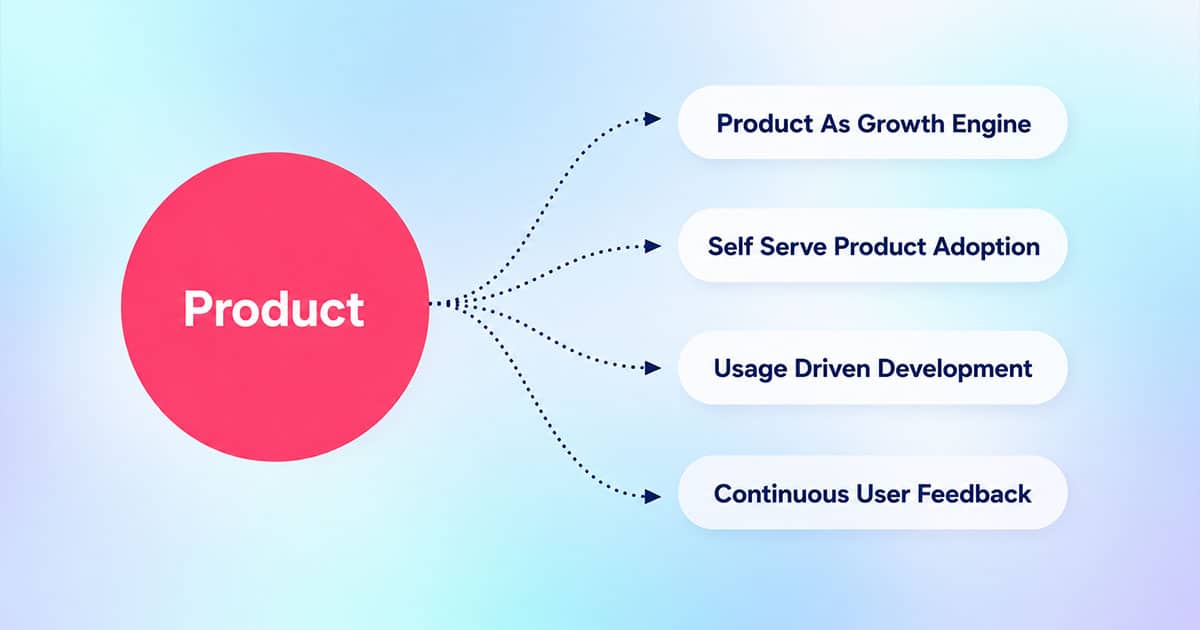
How To Choose Software Development Agency For Your Business

Choosing a software development agency plays a major role in how efficiently your product is built and scaled. The right partner brings more than technical skills. It understands your business goals, aligns with your workflow, and helps turn ideas into practical solutions without unnecessary delays or complexity.

With many agencies available, the decision should focus on expertise, communication, and proven results. A good agency maintains transparency, follows a structured process, and adapts to your needs. Taking time to evaluate options carefully helps you avoid risks and ensures a smoother development journey.

What Is A Software Development Agency

A software development agency specializes in creating custom software solutions to solve specific business problems. The development process encompasses everything from conceptualization and design to programming, testing, and ongoing maintenance. Unlike internal teams, agencies assemble multidisciplinary experts, including software developers, designers, DevOps engineers, and project managers, for project-based or long-term engagements.

The industry has evolved significantly since early outsourcing models in the 1990s. Today, 85% of Fortune 500 firms partner with agencies for digital transformation, according to Deloitte’s 2024 Tech Trends report. These software companies handle full development lifecycles using agile or fixed price models. Research shows agencies deliver 2.5x faster prototyping than internal teams, making them valuable partners when speed matters.

What Services Does a Software Development Agency Provide

Software agencies offer end-to-end services from ideation to post-launch maintenance. According to Gartner's 2025 forecasts, these services address 80% of digital needs for growing businesses.

Custom Software Development

A custom software development company builds tailored solutions for unique business processes. This includes requirements analysis, architecture design, coding, and integration with existing systems. Custom development comprises 45% of agency revenue, with projects averaging $150K to $1M and 4 to 12 month timelines per Clutch 2024 data, and understanding custom software development cost factors helps you plan realistic budgets. Businesses report 50% reduced operational costs through bespoke solutions that fit their exact workflows.

Web And App Development

Web development covers browser-based applications using frameworks like React and Angular, and many organizations now rely on custom software development services to ensure these solutions align with long term business goals. Mobile app development spans iOS, Android native, and cross-platform options like Flutter and React Native. The mobile app market will hit $420B by 2026, according to Statista. Hybrid apps cut development time by 30% while enabling omnichannel experiences that boost user engagement.

Product Design And UX

UI/UX design focuses on user-centered prototypes through tools like Figma and Sketch. Agencies conduct user research, wireframing, and usability testing to refine digital solutions. UX improvements lift conversion rates by 200 to 400% according to Forrester research. A dedicated design team ensures your software solution resonates with target users from day one.

Maintenance And Support

Post-launch maintenance covers bug fixes, updates, and performance optimization. Retainer contracts account for 60% of long term agency income per GoodFirms data. Well-maintained software lasts 5x longer, and predictive maintenance using AI reduces issues by 40%. This ongoing support protects your investment and keeps your software project running smoothly.

Cloud And DevOps Services

Cloud migration to AWS, Azure, or GCP combined with CI/CD pipelines accelerates delivery, especially when part of a future-proof tech stack for scalable growth. DevOps adoption speeds delivery by 39x according to the Puppet State of DevOps 2025 report. About 75% of agencies offer these services, helping businesses scale to handle user growth without infrastructure headaches.

How To Choose The Right Software Development Agency

Choosing the right custom software development partner reduces project risks and improves delivery outcomes. A structured approach ensures better alignment, faster execution, and stronger long-term results for your business.

Project Scope Definition

A clearly defined project scope prevents 45% of cost overruns, according to PMI research. Before approaching agencies, document your goals, target users, and rough timelines. Agencies can help refine requirements through discovery phases and proof of concept work that typically costs 5 to 10% of total budget. This investment saves significant resources later.

Clear scope definition improves alignment between business objectives and technical execution. It also reduces ambiguity during the development process. When expectations are documented early, both sides can plan resources, timelines, and deliverables more accurately.

Technical Expertise Validation

Review certifications, code samples, and architecture capabilities. Agencies with 5+ years of stack depth deliver 30% fewer bugs per IEEE studies. Ask about their experience with programming languages relevant to your project. Request technical workshops before signing to verify their technical capabilities match your software development needs.

Validating expertise ensures the agency can handle both current requirements and future scalability. It also helps identify whether the team follows modern development standards and best practices. This reduces risks related to performance, security, and long-term maintenance.

Portfolio Depth Analysis

Examine 10 to 20 past projects for relevance to your industry and scale. Top agencies show 80% on time delivery rates per Clutch research. Look for case studies demonstrating similar software project complexity. Review their company’s portfolio for live products you can test rather than just screenshots.

A strong portfolio reflects consistent delivery and practical experience, and detailed case studies such as build vs buy custom software decisions, reveal how agencies solve real business problems. It provides insight into how the agency approaches problem-solving and handles complex requirements. Real product examples give a clearer picture of their capabilities than generic descriptions.

Communication Workflow Check

Poor communication dooms 56% of projects according to the Project Management Institute 2025 data. Ask about daily standups, weekly demos, and tools like Slack or Jira. Ensure your communication style aligns with theirs. A dedicated project manager should serve as your consistent point of contact throughout the development process.

Effective communication ensures transparency and smooth collaboration. Regular updates and structured workflows help teams stay aligned and address issues quickly. Strong communication practices also build trust and improve overall project efficiency.

Pricing Model Comparison

Common pricing models include fixed price, time and materials, and dedicated teams. Time and materials offers flexibility for agile projects and saves up to 20% per Upwork data, and understanding time and material vs fixed price tradeoffs helps you match the model to your risk profile. Understand what assumptions underpin estimates and what triggers cost increases. This transparency prevents budget surprises.

Each model suits different project types. Fixed price works well for clearly defined scopes with minimal changes, while time and materials support evolving requirements. Dedicated teams provide long-term collaboration and stability for ongoing development. Choosing the right model depends on your project complexity and need for flexibility.

Clear pricing structures also improve trust between both parties. When agencies explain cost breakdowns and potential variables, it becomes easier to plan budgets and avoid unexpected overruns.

Support And Scalability

Ensure your development partner has a roadmap for growth. Scalable solutions handle 5x user spikes without proportional cost increases, which depends heavily on scalable software architecture for high-growth products. Ask about their approach as your business expands and how they support your growth strategy through ongoing development.

Strong scalability planning ensures your product can grow without major technical limitations. A reliable partner prepares infrastructure, architecture, and resources to handle increasing demand efficiently.

Ongoing support plays a critical role in long-term success. Regular updates, performance monitoring, and feature enhancements keep your product competitive. A partner that supports continuous improvement helps your business adapt and scale with confidence.

Key Evaluation Criteria For Software Development Agencies

Choosing the right agency requires evaluating factors that directly impact delivery, quality, and long-term success. Research shows these criteria can predict up to 85% of project outcomes when applied correctly.

Industry Experience Relevance

Industry experience plays a critical role in reducing onboarding time and improving execution. Agencies with domain expertise in fintech, healthcare, or logistics achieve 40% faster onboarding because they already understand workflows, compliance requirements, and user expectations. Around 60% of agencies specialize in specific industries, which gives them an advantage in delivering relevant solutions.

Domain knowledge helps avoid common pitfalls and reduces the need for repeated explanations. Agencies familiar with your industry can anticipate challenges and suggest proven approaches. This leads to faster decision-making and smoother collaboration throughout the project lifecycle.

Technology Stack Capability

Strong technology stack capability ensures efficient development and future scalability. Agencies experienced in frameworks like React, Node.js, and Docker can reduce development time by up to 25%. This efficiency comes from familiarity with tools, best practices, and optimized workflows.

Stack alignment is essential for long-term success and should be evaluated alongside scalable software architecture principles. Choosing an agency that understands your required technologies prevents costly changes later, and strategic tech consulting services can help assess those decisions upfront. Asking about experience with emerging technologies also helps ensure your product remains competitive and adaptable to future needs.

Team Structure And Roles

A well-structured team improves coordination and delivery speed. Effective agencies typically operate with teams ranging from 10 to 50 members, including project managers, developers, and QA engineers. Clear role distribution ensures accountability and efficient execution.

Understanding team composition helps assess whether the agency has the capacity to handle your project. Structured teams reduce delays by up to 35% compared to loosely organized groups. A balanced team also improves communication and ensures each phase of development receives proper attention.

Delivery Timeline Reliability

Consistent delivery is a key indicator of a reliable agency. Agencies with 90% or higher on-time delivery rates demonstrate strong planning and execution capabilities. Agile development firms often achieve 75% of their planned velocity targets, which reflects predictable performance.

Evaluating past timelines provides insight into how the agency handles pressure and deadlines. Consistency matters more than occasional fast delivery. Agencies that meet deadlines regularly help maintain project momentum and build trust with stakeholders.

Quality Assurance Practices

Quality assurance ensures the final product meets performance and reliability standards. Agencies that use automated testing tools like Selenium and follow test-driven development practices reduce defects by up to 50%. Strong QA processes prevent issues from reaching production.

A mature QA approach includes staging environments, continuous testing, and structured user acceptance testing. These practices ensure stability before launch and reduce post release problems. Investing in quality early saves time and cost in the long run while improving user experience.

Common Mistakes When Selecting A Development Agency

Choosing a software development agency without proper evaluation leads to costly errors and delays. Many businesses rush the process instead of choosing a software development partner based on structured criteria. Research shows that about 65% of firms repeat mistakes that increase rework costs by 20 to 40%, making careful selection essential for project success.

Choosing Based On Cost

Selecting a partner based only on price often leads to poor outcomes. The cheapest software development firm usually lacks senior software developers or skips key quality assurance steps. This approach increases risks and reduces long-term value.

A reliable software development company focuses on delivering business outcomes rather than low hourly rates. The right software development company balances cost, quality, and delivery timelines. When you choose a custom software partner based on value, you improve the chances of a successful project and avoid expensive rework later.

Ignoring Communication Gaps

Poor communication remains a major reason for failure when choosing a software development agency. Undefined or weak communication skills lead to delays and confusion. Without clear communication channels, teams struggle to align on project requirements and priorities.

A right software development partner ensures clear communication throughout the software development process. Strong communication skills and structured updates improve collaboration and reduce risks. Early interactions should demonstrate expertise in managing discussions and maintaining transparency.

Overlooking Technical Depth

Many potential software development companies present polished portfolios that fail to reflect real capabilities. Without proper validation, businesses risk choosing a software development firm that cannot handle complex software development needs.

Evaluate technical expertise by reviewing past projects, previous projects, and the company’s portfolio. A proven track record and strong industry expertise indicate the ability to deliver scalable digital solutions. Assess programming languages, team composition, and the development team structure to ensure the agency can meet your expectations.

Skipping Trial Engagement

Skipping a trial phase increases the risk of a poor fit when choosing a custom software development partner. Pilot engagements help research companies evaluate how a development agency works in real conditions. This step is critical when outsourcing software development to external teams.

A trial allows you to assess project management practices, communication style, and the ability to handle your software project. It also helps confirm alignment with your business goals, development process, and overall approach to building software solutions.

Ignoring Security And Ownership Factors

Overlooking data security and intellectual property protection creates long term risks. Many businesses fail to verify how a development partner manages sensitive information and ownership rights. This can lead to serious issues after project completion.

A right development partner ensures secure systems, clear contracts, and proper ownership agreements. Strong policies protect your business and support ongoing maintenance. This step is essential for building trust and ensuring your software development partner supports long-term growth.

In-House vs. Agency Hiring Decision Factors

Agencies scale 3x faster for 40% less initial cost, according to Deloitte 2024 research. Understanding tradeoffs helps you choose the right approach.

FactorIn-House TeamDevelopment Agency
CostHigh fixed costs ($300K/year for small team)Variable costs (20-50% savings typical)
SpeedSlow ramp-up (3-6 months hiring)Fast start (weeks to begin)
ExpertiseLimited to current hiresBroad specialist access
FlexibilityLow scaling abilityHigh dynamic adjustment
RiskFull exposure on your sideShared via contracts and SLAs

Cost And Resource Impact

In-house developers cost $100K+ per year each before benefits and overhead. Agencies charge $50 to $80 per hour for offshore teams, often with better access to specialized skills. For many software development needs, comparing custom vs off the shelf software clarifies when outsourcing software development makes financial sense.

Speed Of Execution

Agencies launch 50% quicker through pre-vetted teams ready to work. Building an internal team requires 3 to 6 months of recruiting and onboarding. When time to market matters, agency partnerships deliver faster results.

Access To Expertise

Agencies tap into 100+ specialists across different technologies and domains, similar to Gain Solutions’ custom software development services. In-house hiring cycles limit you to available candidates in your market. For projects requiring diverse technical expertise, agencies provide broader capabilities.

Long Term Flexibility

Agencies adjust team size dynamically based on project phases. Internal teams remain fixed costs regardless of workload fluctuations. This flexibility helps when your business model requires scaling up or down based on demand, especially when you invest in flexible custom software solutions instead of rigid tools.

Risk And Control Balance

Agencies share risk through contracts with defined deliverables and SLAs. In-house teams offer full control but higher failure exposure. Internal team projects fail 31% of the time versus 19% for well-selected agency partnerships.

Tools And Processes Agencies Use For Delivery

Modern agencies rely on structured tools and workflows to deliver projects efficiently. These systems improve visibility, reduce delays, and ensure consistent progress across every stage of development.

Agile Delivery Frameworks

About 71% of agencies use Scrum or Kanban frameworks, delivering 1.5x more value than traditional approaches. Agile tools boost productivity by 37% according to VersionOne research, and they are especially important in SaaS product development lifecycles. Sprint-based development creates predictable delivery rhythms and regular opportunities to adjust priorities.

This approach allows teams to respond to changes quickly and align development with evolving business needs. Regular sprint reviews and planning sessions ensure continuous progress and better collaboration between stakeholders and development teams.

Project Management Tools

Platforms like Jira and Asana track 90% of tasks effectively. These tools reduce delays by 25% through visibility into progress and blockers. Ask which tools they use and ensure you will have access to track your project.

Clear task tracking improves accountability and helps teams stay aligned on priorities. With shared dashboards, stakeholders can monitor timelines, identify risks early, and make informed decisions without relying on constant updates.

Communication Systems

Slack and Microsoft Teams enable daily syncs that cut issues by 40%. Regular communication matters more than any specific tool. A proven process for updates ensures you never wonder about project status.

Strong communication systems create transparency and reduce misunderstandings. Teams that maintain consistent updates and clear channels improve coordination and deliver projects more efficiently.

Testing And QA Processes

CI/CD pipelines with tools like Jenkins achieve 80% test coverage. This automation drops defects by 60% compared to manual-only testing. Strong testing practices indicate mature development capabilities.

Continuous testing ensures issues are detected early in the development cycle. Automated workflows improve quality and reduce the risk of major problems after release, making the final product more reliable.

Deployment And Monitoring

Kubernetes and monitoring tools like New Relic achieve 99.99% uptime and form a core part of SaaS scalability strategies for sustainable growth. Ask how they handle deployments and incident response. These practices ensure your software solution performs reliably after launch.

Effective monitoring allows teams to detect and resolve issues quickly. A strong deployment strategy ensures smooth releases and consistent performance, supporting long term product stability and user satisfaction.

Questions To Ask Before Finalizing A Development Agency

Asking the right questions before finalizing a development agency reduces risk and improves project success rates. Research shows structured evaluation uncovers up to 90% of potential issues early. These questions help you assess reliability, capability, and long-term fit before committing.

Past Project Outcomes

Ask for specific metrics from past clients showing 95% on time delivery and ROI examples. Request references you can contact directly. Past projects reveal patterns that predict your experience.

Strong agencies provide measurable outcomes, not just feature lists. Look for consistency across projects, including delivery timelines and business impact. Verified results give confidence in their ability to deliver similar outcomes for your project.

Team Availability And Bandwidth

Current team load should be below 70% to ensure dedicated attention for your project. Ask who specifically will work on your software project and their availability commitment.

Clear visibility into team allocation prevents delays caused by overbooked resources. Knowing the assigned team structure helps you understand how your project will be managed from start to finish.

Risk Handling Approach

Contingency plans should cover at least 20% scope changes without major disruption. Ask how they handled unexpected challenges in previous projects. Their answer reveals problem-solving maturity.

Experienced teams anticipate risks and prepare mitigation strategies in advance. A strong risk handling approach ensures that unexpected issues do not derail timelines or budgets.

Change Management Process

Agile backlogs should handle 15 to 25% requirement alterations smoothly. Understand how changes get prioritized and priced. Clear change management protects both parties from scope disputes.

Well-defined processes for handling changes improve flexibility without losing control. This ensures that evolving requirements are managed efficiently while maintaining project stability.

Post Launch Support

SLAs should include response times under 4 hours and 85%+ uptime guarantees. Post-launch maintenance determines long-term success. Understand ongoing costs and support options before signing.

Reliable support ensures your product continues to perform after launch. A strong post-launch plan helps address issues quickly and supports future improvements as your business grows.

How GainHQ Helps You Choose And Build With Confidence

GainHQ works as a reliable software development partner that focuses on clarity, execution, and long-term value, sharing insights through the software development blogs. Instead of just delivering code, the team aligns closely with your business goals, helping you define project scope, validate ideas, and choose the right approach before development begins. This reduces risk and ensures every step moves toward measurable outcomes.

With strong technical expertise and a structured development process, GainHQ supports everything from planning to post launch maintenance, including scalable SaaS tools that power global business growth and successful SaaS launch case studies. Clear communication, dedicated project management, and scalable solutions help businesses build confidently. As your product evolves, GainHQ continues to support growth with ongoing improvements and reliable delivery.

FAQs

How To Evaluate A Software Development Agency’s Real Expertise

Request code reviews, live product demos, and relevant certifications. Real expertise shows through 80% code reuse rates and under 5% bug rates post launch. Ask to see architecture diagrams and speak directly with the technical lead who would work on your project. Verify claims by contacting past clients about their experience.

What Red Flags To Watch When Hiring An Agency

Watch for vague portfolios without live product examples, staff turnover exceeding 20%, and the absence of clear SLAs. These signals indicate 50% higher failure risk. Also, beware of estimates significantly below market rates or promises that seem too aggressive for the project requirements.

How To Compare Multiple Software Development Agencies Effectively

Score agencies on 10 metrics weighting of cost at 20% and expertise at 30%. Send structured RFPs to enable direct comparison. Create a simple scorecard covering technical fit, domain experience, communication style, and support capabilities. This structured approach yields 25% better outcomes.

What Engagement Model Works Best With An Agency

Dedicated teams work best for long-term relationships, preferred by 60% of businesses. Time and materials suits iterative projects with evolving requirements. Match the model to your situation for 30% savings. Fixed price works well with well-defined scopes with clear deliverables.

How To Ensure Long-Term Success With A Development Agency

Schedule quarterly reviews with defined KPIs to track progress. Sustained successful collaboration yields 2.5x ROI compared to transactional relationships. Invest in relationship building and treat your agency partner as an extension of your team for the best results.

Product Led Engineering Strategy For Faster Product Innovation

Product Led Engineering Strategy For Faster Product Innovation

Product-led engineering strategy represents a fundamental shift in how engineering teams approach software development. Instead of building features based on assumptions, teams center every decision around real product usage and measurable business outcomes. The product becomes the primary driver of user acquisition, activation, and customer retention.

Companies adopting this led approach see significant results. Research shows 30% faster feedback collection and 27% quicker onboarding processes. Product-led organizations achieve up to 40% higher adoption rates in self-serve SaaS models. Customer acquisition costs drop by 50% or more as users self-onboard through intuitive product experiences.

Long-term growth comes from focusing on customer success metrics. Retention lifts of 20-30% become possible when engineering teams own the entire user journey. Customer lifetime value increases through expansion loops tied directly to product usage data. The product led growth model creates sustainable revenue compounding that sales-led strategies struggle to match.

7 Product Led Engineering Strategy For Real Execution

Successful product led companies share common execution patterns. These seven strategies transform how engineering teams build, measure, and iterate on products.

1. Product As Growth Engine

The product serves as your primary growth engine when acquisition and retention mechanics embed directly into core functionality. Slack demonstrates this perfectly. Their viral sharing features drove 50,000 users within 24 hours of launch without any marketing spend. The product itself became the go to market strategy, especially when teams validate this engine early using a focused lean startup minimum viable product.

Product led businesses design features that naturally encourage sharing and collaboration. Every user becomes a potential customer acquisition channel. New user acquisition happens through product usage rather than marketing campaigns. Engineering teams build referral loops, collaboration features, and sharing capabilities as core product elements.

Market research shows product led organizations grow faster because the value proposition proves itself through usage. Users experience business value before making purchasing decisions, particularly when companies invest in scalable SaaS application development that can support rapid self-serve growth. The decision making process shifts from sales presentations to hands-on product trials.

2. Engineering Ownership Of Experience

Engineering teams own the complete user journey, not just code deployment. Developers take accountability for metrics like activation rates, customer satisfaction scores, and retention numbers. This shift in ownership creates customer obsession throughout the entire organization.

Spencer Stuart research highlights how this approach empowers engineers with deep understanding of customer needs. Products built this way show 25% better alignment with actual pain points. Engineers participate in customer feedback sessions and user research. They see firsthand how their work impacts the customer experience.

Technical expertise combines with customer empathy to produce better solutions. Product managers and engineers share responsibility for outcomes, often adopting modern DevOps best practices for 2026 to keep collaboration and delivery tightly aligned. Cross-functional teams make informed decisions based on real user behavior rather than assumptions.

3. Self-serve Product Adoption

Intuitive onboarding reduces friction and support costs. Pendo data shows self-serve approaches cut support tickets by 15%. Users reach value in minutes through progressive disclosure and contextual guidance. The product teaches itself.

Product teams design user journeys that anticipate customer expectations. Help content appears at the right moment. Features reveal themselves based on user readiness. Onboarding flows adapt to user behavior and user needs.

Self-serve models serve customers at scale without proportional headcount increases. Engineering teams build scalable systems that guide users automatically. Customer churn decreases when users find value quickly. Reduce customer churn becomes an engineering objective, not just a customer success goal.

4. Usage Driven Development

Real product usage data dictates the product roadmap. Gocious reports manufacturers redirecting capital to high-ROI modules based on daily usage signals. Features with low adoption get sunset rather than maintained. Efficiency improvements of 15-20% follow from this data-driven approach.

Feature adoption rate becomes a key metric for engineering decisions. Teams stop building features nobody uses. Data-driven decision-making replaces opinion-based prioritization. Product leaders use telemetry to understand what drives business growth.

Usage-driven development aligns technical debt priorities with user impact. Platform investments connect to measurable outcomes. Engineering-led improvements focus on capabilities users depend on rather than theoretical best practices, using disciplined MVP feature prioritization methods to decide what to build next.

5. Continuous User Feedback

In-app surveys, session replays, and qualitative feedback integrate directly into development workflows. Research shows this approach accelerates insights 30% faster than traditional methods. Engineering teams see user struggles in real time and respond quickly.

User feedback loops close within days rather than weeks. Automated alerts notify teams of friction points. Analyzing data becomes a continuous activity rather than quarterly research projects. The entire company gains visibility into user experience.

Customer feedback shapes sprint priorities. Engineering teams run continuous learning cycles that inform new features and improvements. The product evolves based on actual customer needs rather than planned roadmaps created months earlier.

6. Activation And Retention Focus

North star metrics like time-to-first-value guide engineering priorities. Product-led organizations see 2x retention through personalized nudges and activation optimization. Magic moments receive engineering investment proportional to their impact on paying customers.

Top-performing product-led companies achieve 40% day-one retention compared to the 20% industry average. Engineering teams instrument activation funnels and optimize conversion paths. Customer retention becomes an engineering responsibility alongside product management.

Retention focus changes how teams think about technical work. Performance improvements tie to activation metrics. Bug fixes prioritize issues blocking user activation. The organization functions around keeping users successful.

7. Cross-Team Alignment

Unified KPIs across engineering, product, and sales teams reduce silos and improve outcomes. Data transparency enables cross-functional collaboration that increases customer lifetime value by 25%. Teams share dashboards and review metrics together.

Product strategy aligns with engineering capacity and market demands. Sales teams understand product capabilities and upcoming features. Customer success shares feedback that shapes engineering priorities. The led organization operates as one unit focused on user outcomes.

Alignment requires shared tools and regular communication. Weekly reviews bring together perspectives from across the organization. User adoption metrics matter to everyone, not just product teams. Market trends inform engineering decisions through clear communication channels.

Why Product Led Engineering Speeds Up Product Innovation

Product led engineering accelerates innovation through systematic elimination of delays. Teams ship faster, learn faster, and adapt faster than traditional approaches allow.

Faster Time To Market

Self-serve funnels widen top-of-funnel by 10x according to ProductLed.org research. Product led growth shortens sales cycles from 90 days to under 30 days. Engineering teams ship to real users faster because feedback loops validate direction quickly.

Reduced approval cycles and faster testing enable rapid iteration. Teams deploy daily rather than quarterly, similar to how a focused team can launch a production-ready MVP in 90 days by keeping scope tight and feedback loops short. Market trends shape product direction in real time rather than through annual planning cycles.

Continuous Product Iteration

Feature flags enable 50% more experiments yearly compared to traditional release approaches. Teams run A/B tests on new features before full rollout. Continuous improvement becomes the default operating mode rather than periodic enhancement projects.

Each release generates data that informs the next iteration. Learning compounds over time. Products evolve based on evidence rather than assumptions about customer expectations.

Real Time User Feedback

Analytics platforms cut decision latency significantly. Pendo reports 30% faster insight generation through real-time data collection. Engineering teams see user behavior immediately after deployment and adjust accordingly.

Session replays reveal user struggles within hours. Survey responses arrive continuously. The feedback loop optimization creates competitive advantage for teams that act on insights quickly.

Experimentation Driven Development

Releases become hypotheses to test rather than features to ship. Dropbox’s referral loops grew users 3900% in 15 months by treating features as experiments. Each deployment teaches the team something new about user needs.

Product market fit improves through systematic experimentation. Teams test multiple solutions before committing to full development. Failed experiments cost less because they stop early.

Reduced Dependency On Sales

Lower sales dependency reduces customer acquisition costs by 40-60%. Resources shift from sales operations to R&D and product development. Manufacturing companies using Gocious achieve global product launches 25% faster through self-serve approaches.

Product usage demonstrates value directly to prospects. The user journey replaces sales presentations. Competitive advantage comes from product quality rather than sales team size.

What Systems Make Product Led Engineering Possible

Technical infrastructure determines whether product led engineering succeeds. These five systems form the foundation for data driven decisions and rapid iteration.

Product Analytics Systems

Platforms like Amplitude or Mixpanel track user cohorts and behavior patterns with 99% uptime reliability. Industry surveys show product analytics presence in 70% of successful product led implementations. These systems reveal how users engage with features and where they struggle.

Analytics infrastructure requires investment upfront but pays dividends through better decisions. Teams instrument products comprehensively from early stages. Cohort analysis reveals retention patterns. Funnel tracking shows conversion rates at each step.

Feature Flagging Infrastructure

Tools like LaunchDarkly enable instant feature rollouts and 20% faster iteration cycles. Teams toggle hundreds of flags to control feature exposure. Gradual rollouts reduce risk. A/B tests run on live traffic without deployment changes.

Feature flags separate deployment from release. Code ships continuously while features activate when ready. Testing happens with real users in controlled segments. Rollbacks happen instantly without code changes.

Scalable Backend Architecture

Microservices architectures handle 10x throughput increases without redesign. Netflix processes billions of events daily through scalable systems designed for growth. Backend infrastructure must support rapid experimentation without becoming a bottleneck, which is why many teams adopt an API-first architecture for scalable systems.

Modular design enables parallel development. Teams work independently without coordination overhead. Services scale individually based on demand. Technical debt stays contained within service boundaries.

Data Collection Pipelines

Kafka streams and similar tools process 1M+ events per second for real-time analysis. Data pipelines feed ML models that predict churn and identify expansion opportunities, all running on scalable software architecture for high-growth products. Collection infrastructure determines how quickly teams can act on insights.

Real-time ingestion enables real-time response. Batch processing handles historical analysis. Data warehouses store information for long-term trend analysis. Pipeline reliability determines data quality and team confidence in metrics.

Cross Functional Collaboration Tools

Platforms like Linear or Jira with usage dashboards align teams on priorities. Shared visibility reduces misalignment by 35%. Tools surface user data alongside engineering tasks and product plans.

Collaboration infrastructure connects feedback to action. Customer issues link to engineering tickets. Product requests connect to user research. The entire organization sees the same information and works toward shared goals.

Role Of Product Usage Data In Engineering Decisions

Product usage data transforms engineering from output-focused to outcome-focused. Teams make informed decisions based on evidence rather than intuition.

Feature Adoption Tracking

Funnel analysis reveals that 60% of features go unused after launch. Teams that track feature adoption rate identify underperforming features quickly. Pruning unused features improves performance by 15% and reduces maintenance burden.

Adoption tracking shapes roadmap prioritization. Features with high adoption receive enhancement investment. Low-adoption features get investigation or removal. Data replaces opinion in product strategy discussions.

User Behavior Analysis

Heatmaps and session recordings identify user drop-offs and confusion points. HubSpot improved activation by 22% through behavior analysis that revealed UX issues. Teams see exactly where users struggle and succeed.

Behavior analysis complements quantitative metrics with qualitative understanding. Teams watch real user sessions to understand why metrics move. Pattern recognition reveals common pain points. User journey optimization follows specific evidence.

Data Driven Prioritization

ICE scoring (impact, confidence, ease) structures prioritization decisions. Product led teams hit roadmap targets 3x more often than teams using intuition-based planning. Data creates alignment around what matters most.

Prioritization frameworks work when data supports estimates. Impact connects to user metrics and business value. Confidence reflects data quality. Ease reflects technical understanding. Decisions follow evidence.

Retention And Activation Signals

Day-one retention and magic moment tracking identify critical experiences. Top product led organizations achieve 40% D1 retention versus 20% industry average. Engineering teams optimize the moments that drive long-term engagement.

Activation signals define engineering priorities. Features that drive activation receive investment. Experiences that predict retention guide product vision. Metrics create focus across the entire company.

Feedback Loop Optimization

Automated alerts close feedback cycles from weeks to days. Gocious demonstrates rapid portfolio shifts based on tightened feedback loops. Teams respond to user signals faster than competitors.

Loop optimization requires tooling and process changes. Alerts notify teams of metric movements. Dashboards show real-time status. Review cadences ensure teams act on information. Speed compounds into competitive advantage.

Engineering Practices That Support Faster Release Cycles

Release velocity determines how quickly teams learn and improve. These practices enable rapid iteration while maintaining high quality code standards.

Continuous Integration And Deployment

CI/CD pipelines via GitHub Actions or similar tools enable daily deploys. GitLab reports 200% velocity increases from mature CI/CD practices. Code moves from commit to production in minutes rather than days.

Continuous deployment requires automation investment. Build pipelines run automatically. Test suites execute on every change. Deployment happens without manual intervention. Velocity increases compound over time.

Modular System Design

Hexagonal or clean architecture patterns enable parallel development. Coupling reduction of 50% allows teams to work independently. Changes stay contained within module boundaries.

Modular design supports rapid iteration by limiting blast radius. Features deploy independently. Teams move without coordination overhead. System complexity stays manageable as products grow.

Automated Testing Workflows

80% code coverage through tools like Cypress reduces bugs by 70%. Automated tests catch regressions before production. Teams deploy confidently because tests verify behavior.

Testing automation requires upfront investment but accelerates long-term velocity. Test suites run in minutes. Coverage reports guide additional testing. Confidence enables faster iteration.

Rapid Iteration Cycles

Work-in-progress limits and 3-day sprint cycles accelerate delivery. Spotify’s squad model demonstrates 4x throughput improvement through rapid iteration practices. Small batches reduce risk and increase learning speed.

Short cycles create frequent checkpoints. Teams adjust direction quickly. Feedback incorporates rapidly. Continuous learning happens through frequent releases rather than big-bang deployments.

Release Monitoring And Rollbacks

Tools like Sentry enable 99.99% uptime through automatic issue detection. Auto-rollback handles 90% of issues within seconds. Production problems resolve before users notice.

Monitoring infrastructure supports confident deployment. Error rates track automatically. Performance metrics surface problems. Rollback capabilities reduce deployment risk. Teams ship faster because recovery happens quickly.

Growth Loops And Product Led Development Execution

Growth loops create self-reinforcing cycles that drive user acquisition and expansion. Engineering teams build these mechanics directly into products, while planning SaaS scalability strategies for sustainable growth so loops don’t overload infrastructure.

Freemium And Trial Models

Notion’s freemium approach converts 10-15% of free users monthly through usage-triggered upgrade prompts. Users experience value before purchasing. Conversion happens naturally through product usage.

Freemium models require careful design of free versus paid boundaries. Free tiers demonstrate value. Paid features address advanced user needs. Upgrade triggers activate at natural moments.

Product Led Acquisition Loops

Dropbox referral loops achieved 4M users in 15 months at 60% lower customer acquisition costs. Users invite other users through product mechanics. Network effects create exponential growth.

Acquisition loops embed in core product experiences. Sharing features spread products naturally. Collaboration requires invitations. Value increases with more users. Growth compounds through usage.

In Product Conversion Paths

Contextual CTAs boost upgrade conversions by 30% according to Pendo research. Upgrade prompts appear when users hit limits or need advanced features. Conversion happens at moments of high intent.

Conversion paths require careful placement. Prompts appear at relevant moments. Messaging connects to user context. Friction stays minimal. Users upgrade because they want more value.

Expansion And Upsell Triggers

Milestone-based triggers activate on usage thresholds. Slack’s paid limits drive 20% month-over-month growth through expansion mechanics. Existing users become larger accounts over time.

Expansion triggers tie to value realization. Users upgrade when they need more. Pricing aligns with value delivered. Growth happens through customer success rather than sales pressure.

Network And Viral Effects

Airtable templates drive 50% viral coefficient through sharing mechanics. Products spread through user communities. Each user potentially brings additional users.

Viral design requires features worth sharing. Templates, workflows, and collaboration create natural sharing moments. Users become advocates through product experience. Growth accelerates without marketing spend.

Final Discussion

Product-led engineering strategy shapes how modern teams deliver faster innovation while staying aligned with real user needs. A strong product-led approach ensures every decision connects back to customer value, not just internal assumptions. When business strategy aligns with product-led strategy and a clear post-MVP development growth strategy, teams can respond to market shifts with clarity and speed.

A product-led environment builds a culture where customer-centric thinking drives priorities across the entire customer journey. Product teams that focus on key elements like feedback loops, experimentation, and rapid iteration are better positioned to drive growth without relying heavily on external push tactics.

Long-term success depends on how well teams integrate insights into execution. Clear ownership, shared goals, and continuous validation help organizations reduce friction and improve outcomes. A well-defined product-led strategy does not just improve delivery speed; it strengthens product relevance, customer trust, and sustainable growth, especially when paired with expert custom software development services that can translate strategy into robust products.

FAQs

How Product-Led Engineering Improves Innovation Speed

Product-led engineering improves innovation speed by embedding real-time feedback loops directly into development workflows. Teams using this approach cut iteration times from quarters to weeks. Data shows 30% faster feedback collection and 50% more experiments per year compared to traditional approaches. Engineers see user behavior immediately after deployment, enabling rapid adjustments. Feature flags allow testing hypotheses quickly without full rollouts.

Which Metrics Matter In Product-Led Engineering

Key metrics include activation rate with a target of 40%, day-90 retention above 25%, and lifetime value to customer acquisition cost ratio exceeding 3:1. Expansion revenue should represent at least 30% of total revenue. Engineering-specific metrics include deployment frequency, time to restore service, and feature adoption rate. Teams track north star metrics for each product area and connect team KPIs to those outcomes.

How Engineering Teams Use Product Data Effectively

Engineering teams use product data through cohort analysis for prioritization, session replays for bug identification, and predictive churn models with 85% accuracy. Daily dashboards show feature adoption and user behavior patterns. Teams instrument all new capabilities with events tracking activation, usage depth, and retention impact. Data informs sprint planning and shapes technical debt priorities.

What Challenges Affect Product-Led Engineering Adoption

Data silos cause 40% of product-led engineering failures according to industry research. Cultural resistance from sales-led organizational norms creates friction during transitions. Privacy compliance under GDPR adds approximately 20% to initial setup time and ongoing operational complexity. Over-reliance on quantitative data can ignore important qualitative insights and create echo chambers. Initial infrastructure costs exceed $500K for comprehensive analytics and feature flagging stacks.

How To Transition To Product-Led Engineering Strategy

Transition successfully by piloting with one squad first and measuring results before scaling. Instrument analytics comprehensively over three months. Train teams on self-serve mindset over six weeks. Measure ROI through customer acquisition cost payback targeting under 12 months. Intercom scaled to $100M ARR using this phased approach. Start with discovery and alignment in month one, mapping user journeys and identifying key metrics. Pilot outcome-based sprints in month two.