
Scaling engineering organization demands more than hiring more developers or adding new tools. Growth introduces complexity across architecture, workflows, communication, and ownership. Without clear systems, teams slow down, quality drops, and delivery becomes unpredictable.
Strong organizations align structure, processes, and technology with business goals from the start. Leaders must balance speed with stability while maintaining engineering culture and accountability. Clear metrics, defined roles, and scalable architectures play a critical role.
A thoughtful approach to scaling engineering organization ensures consistent output, faster releases, and long-term sustainability, even as teams expand across functions, geographies, and product lines.
What Is Scaling Engineering Organization?
Scaling engineering organization refers to how an engineering team evolves as a company grows. It is not just about hiring more engineers. It involves shaping the engineering organization structure, refining team structure, and aligning engineering leaders with clear goals. Many software development companies face this during rapid growth. Without the right model, teams work in silos, and communication challenges appear. A successful engineering team depends on strong collaboration, defined roles, and balanced technical decisions.
Scaling engineering teams also means improving team performance without adding unnecessary complexity. Senior engineers guide new team members and reduce knowledge gaps. The hiring process, onboarding process, and career paths must stay clear. Engineering leaders focus on sustainable growth, transparent communication, and predictable outcomes. This helps the entire team deliver meaningful work, maintain company culture, and gain a competitive edge.
Scaling Engineering Organization Fundamentals And Principles
Strong foundations define how an engineering organization handles rapid growth. Clear structure, aligned goals, and disciplined execution reduce chaos. Without core principles, teams face delays, quality issues, and poor coordination. The right approach ensures predictable outcomes, better team performance, and aligns with broader enterprise scalability strategies for growth and long term success.
Clear Engineering Organization Structure
A clear engineering organization structure helps teams work without confusion. Roles, ownership, and reporting lines must stay well defined. Many fast growing companies fail here. A 2023 McKinsey report shows that unclear structure reduces productivity by up to 25%. That directly impacts feature development and delivery timelines.
Engineering leaders should assign clear ownership to each team. Middle managers bridge gaps between senior engineers and new engineers. This reduces communication challenges and avoids creating silos. A strong structure also supports internal mobility and career paths, which improves retention of engineering talent.
Balanced Team Structure And Size
Team structure plays a key role in scaling engineering teams. Small teams often move faster and make better decisions. Amazon’s two-pizza team rule highlights this well. Teams of 6–10 engineers show higher efficiency and better collaboration. Larger teams often slow down due to coordination overhead.
A balanced team size helps avoid unnecessary complexity. New hires should join stable teams with clear expectations. Senior engineers guide new team members and maintain code quality. This setup improves team performance and keeps the entire team focused on user needs and meaningful work.
Strong Hiring And Onboarding Process
A structured hiring process ensures the right engineering talent joins the team. Relying solely on technical skill creates gaps later. Cultural fit and communication matter just as much. According to LinkedIn data, companies with strong onboarding improve retention by 82%.
The onboarding process should help new employees understand internal tools, team workflows, and company culture. A smooth experience reduces knowledge gaps and avoids an intimidating experience for new engineers. Engineering leaders should spend time refining the interview process to match long term goals and scaling phases.
Transparent Communication And Collaboration
Transparent communication keeps the entire team aligned. Without it, cross team collaboration breaks down. Many organizations struggle here, especially with remote work and distributed teams. A GitLab report shows that 65% of remote teams face communication challenges during scaling.
Clear expectations and regular updates improve coordination across different groups like product management and engineering. Teams work better when they share context and decisions openly. This approach prevents delays, supports better decision making, and ensures a positive experience for both existing engineers and new hires.
Focus On Sustainable Growth And Technical Decisions
Sustainable growth depends on smart technical decisions. Quick fixes often lead to technical debt. Over time, this slows down scaling engineering organization efforts. Stripe reported that developers spend up to 33% of their time dealing with technical debt.
Engineering leaders must focus on iterative thinking and long term planning. Avoid adding unnecessary complexity to systems. Choose tools and architectures that scale with the company. This helps maintain predictable outcomes and supports a clear path forward as the engineering organization matures.
Key Challenges That Slow Down Scaling Engineering Organization
Every scaling engineering organization faces obstacles that slow progress and reduce efficiency. Rapid growth exposes weak processes, unclear ownership, and gaps in communication. Without addressing these issues early, teams lose focus, productivity drops, and long term success becomes difficult.
Unclear Ownership And Roles
Unclear ownership creates confusion across the engineering organization. Teams work without defined responsibility. That leads to delays and repeated work. A McKinsey study shows that role ambiguity can reduce team performance by up to 30%. This becomes a major issue during rapid growth.
Engineering leaders must define clear ownership for each team and project. Middle managers help connect different groups and ensure accountability. Clear expectations allow engineers to focus on meaningful work. This also improves decision making and reduces friction across the entire team.
Communication Gaps Across Teams
Communication challenges increase as the team grows. Cross team collaboration becomes harder with more engineers and remote work setups. A GitLab report found that 65% of remote teams struggle with communication alignment. That directly affects feature development and delivery speed.
Transparent communication helps solve this issue. Regular updates and shared documentation keep everyone aligned. Product management and engineering teams must stay connected. This avoids confusion, supports better coordination, and ensures predictable outcomes across the engineering organization.
Poor Hiring And Onboarding Process
A weak hiring process brings long term problems. Many organizations focus only on technical skill. That often leads to poor cultural fit and knowledge gaps. According to LinkedIn, 50% of new hires fail due to mismatch in expectations, not lack of skill.
The onboarding process also matters. New engineers need clarity on internal tools, workflows, and team structure. A structured approach creates a positive experience for new employees. It helps them contribute faster and supports sustainable growth across scaling engineering teams.
Rising Technical Debt And Complexity
Technical debt grows fast during scaling phases. Teams often rely on quick fixes to meet deadlines. Over time, this creates unnecessary complexity. Stripe reports that developers spend about 33% of their time dealing with technical debt, and a structured technical debt management guide for software teams becomes critical. That slows down progress significantly.
Engineering leaders should focus on clean architecture and long term technical decisions. Senior engineers must guide the team toward better practices. Reducing technical debt improves team performance and helps the engineering organization maintain speed without sacrificing quality.
Lack Of Scalable Team Structure
An ineffective team structure limits growth. Small teams may work well early, but issues appear as the company grows. Without the right structure, teams become disconnected and silos form. This reduces collaboration and slows scaling engineering organization efforts.
The right model supports cross team collaboration and clear ownership. Engineering leaders should adjust team structure based on growth stage and business goals. A flexible approach ensures better alignment, improves engineering talent utilization, and creates a path forward for long term success.
Team Structure Models That Support Scaling Engineering Organization
The right team structure helps an engineering organization handle rapid growth without chaos. Poor structure leads to delays, silos, and low team performance. A strong model improves collaboration, ownership, and delivery speed. It also supports sustainable growth and better use of engineering talent, which is essential in end to end SaaS product development from build to scale.
Small Autonomous Teams
Small teams help scaling engineering teams move faster and stay focused. Most high-performing software development companies prefer teams of 6–10 engineers. Amazon’s two-pizza rule supports this idea. Smaller groups reduce communication challenges and speed up decision making.
Each team owns a clear area of the product. That ensures full ownership and accountability. Senior engineers guide new team members and maintain quality. This model improves feature development and helps the entire team deliver predictable outcomes with less unnecessary complexity.
Functional Team Structure
A functional team structure groups engineers by skill sets such as frontend, backend, or DevOps. This model works well during early growth stage. It helps build strong technical skill and deep expertise. According to Deloitte, specialized teams can improve efficiency by up to 20% in early phases.
However, this model may create silos as the engineering organization grows. Cross team collaboration becomes harder. Engineering leaders must ensure transparent communication between different groups. Without that, teams focus only on their domain and lose alignment with user needs and product goals.
Cross Functional Product Teams
Cross functional teams combine engineers, product management, and designers into one unit. This model improves collaboration and reduces delays. Spotify popularized this approach with squads and often pairs it with shared SaaS design systems for scalable products. It helps teams work closely on feature development and deliver faster results.
Each team owns a specific product area. That ensures clear ownership and better alignment with user needs. This structure also improves team performance and supports iterative thinking. Many fast growing companies use this model to maintain speed while scaling engineering organization.
Hybrid And Scalable Structure
A hybrid model combines functional expertise with cross functional teams. Larger companies often use this approach. It allows flexibility as the engineering organization matures. Teams can adapt based on scaling phases and business priorities.
Engineering leaders play a key role in shaping this model. They balance technical decisions with team needs. A report by McKinsey shows that adaptable structures improve productivity by up to 30% in complex environments. This model supports long term success, reduces knowledge gaps, and creates a clear path forward for scaling engineering organization.
Processes And Workflows For Scaling Engineering Organization Efficiently
Clear processes and workflows help an engineering organization handle rapid growth without losing speed or quality. Without structure, teams face delays, confusion, and inconsistent output. Efficient workflows improve team performance, reduce technical debt, and ensure predictable outcomes across scaling engineering teams.
Agile Workflows With Clear Cadence
Agile workflows support scaling engineering organization by breaking work into small, manageable cycles, especially when compared with more linear approaches like Waterfall software development methodologies. Teams use sprints, standups, and retrospectives to stay aligned. According to the State of Agile Report, 71% of companies report faster delivery after adopting Agile practices.
Clear cadence helps the entire team plan better and reduce uncertainty. Engineering leaders set expectations and ensure consistent execution, which is especially important for distributed or agile offshore software development collaborations. This approach improves feature development and keeps teams focused on user needs without adding unnecessary complexity.
Defined Code Review And Quality Standards
Code review plays a key role in maintaining quality as the team grows. Without standards, code quality drops and technical debt increases. Google research shows that structured code reviews reduce defects by up to 60%.
Senior engineers should guide new engineers through clear review practices. This reduces knowledge gaps and improves technical skill across the engineering team. A strong review culture ensures better decision making and supports long term success in scaling engineering teams.
Automation And Internal Tools Usage
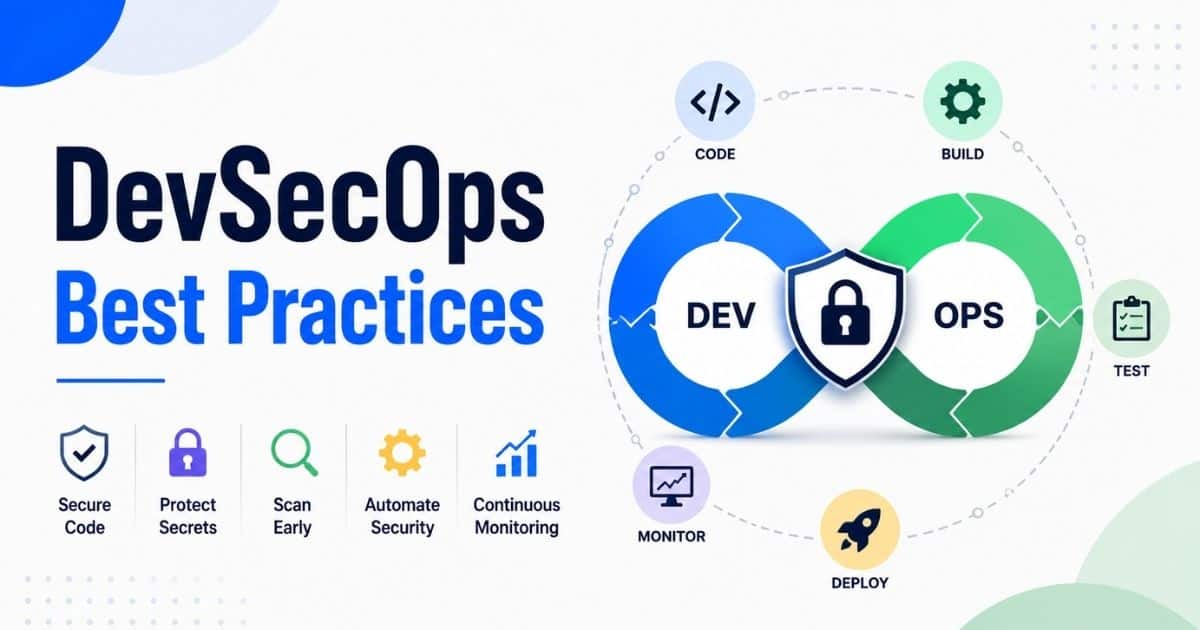
Automation helps teams work faster and reduces manual effort, and is a core principle in modern DevOps best practices for software teams. Internal tools support workflows such as testing, deployment, and monitoring. According to GitHub, teams using CI/CD pipelines deploy code 2–3 times more frequently than others.
Engineering leaders should invest in internal tools that scale with the company. This reduces repetitive tasks and improves team performance. It also allows engineers to spend time on meaningful work instead of routine operations.
Strong Documentation And Knowledge Sharing
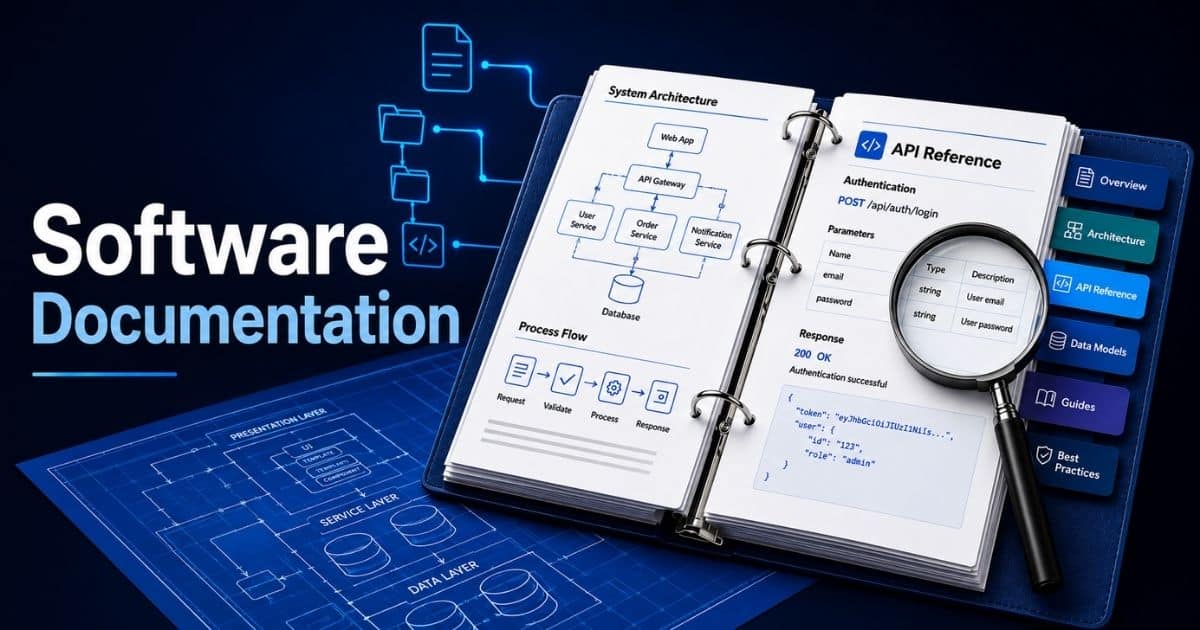
Documentation helps new team members understand systems quickly. Without it, knowledge gaps slow down progress. Stack Overflow reports that 70% of developers rely on internal documentation to complete tasks efficiently.
Clear and updated documentation supports cross team collaboration. It ensures that existing engineers and new hires stay aligned. This approach reduces communication challenges and improves onboarding process across the engineering organization.
Data Driven Decision Making And Metrics
Metrics guide better decision making in scaling engineering organization. Teams should track deployment frequency, lead time, and failure rates. DORA metrics show that high-performing teams deploy 208 times more frequently than low-performing teams.
Engineering leaders must focus on measuring success with clear KPIs. Data helps identify bottlenecks and improve workflows. This creates predictable outcomes and supports sustainable growth as the engineering organization matures.
Technology Stack Decisions In Scaling Engineering Organization
Technology stack decisions shape how an engineering organization handles rapid growth. The wrong choices create bottlenecks, increase technical debt, and slow teams down. The right stack improves team performance, supports scalability, and creates a future-proof tech stack for scalable growth that ensures predictable outcomes across scaling engineering teams.
Right Architecture For Growth Stage
Architecture must match the company’s growth stage. Small teams often start with monoliths. That works well for speed and simplicity, but over time many teams must evaluate microservices vs monolith architecture for their product. As the team grows, this model may limit scaling engineering organization. According to NGINX, over 60% of companies move to microservices during rapid growth.
Engineering leaders should avoid premature changes. Microservices add complexity if introduced too early, so any monolith-to-microservices migration must be planned carefully. Senior engineers must evaluate trade offs based on team size and product needs. The right architecture supports feature development without adding unnecessary complexity.
Scalable Infrastructure And Cloud Adoption
Cloud infrastructure supports flexible scaling for fast growing companies and becomes a core pillar of any well designed cloud migration strategy for enterprises. Platforms like AWS and Azure allow teams to adjust resources based on demand. Flexera reports that 87% of enterprises use multi cloud strategies to improve scalability.
This approach helps engineering teams handle traffic spikes and maintain performance. It also reduces operational overhead for new engineers and existing engineers, especially when following a well planned cloud migration strategy for growing teams. Engineering leaders should focus on cost control and efficiency while selecting infrastructure for long term success.
Standardized Tech Stack Across Teams
A standardized tech stack reduces confusion across the engineering organization. Different tools across teams create knowledge gaps and slow down collaboration. According to Stripe, inconsistent stacks increase onboarding time by up to 30%.
Engineering leaders should define clear standards for frameworks, languages, and tools and follow a structured approach to choosing the right tech stack for growth. This helps new team members adapt quickly. It also improves cross team collaboration and ensures consistent code quality across scaling engineering teams.
Tooling For Developer Productivity
The right tools improve how teams work and deliver results. Internal tools for testing, deployment, and monitoring help reduce manual effort. GitHub data shows that teams using automation tools improve deployment frequency by 2–3 times.
Engineering teams should focus on tools that enhance developer experience. This helps engineers spend time on meaningful work instead of repetitive tasks. Better tooling improves team performance and supports sustainable growth across the engineering organization.
Managing Technical Debt And Complexity
Technical debt grows when teams prioritize speed over quality. This becomes a major issue during scaling phases. Stripe reports that developers spend around 33% of their time fixing technical debt. That slows down progress and affects delivery timelines.
Engineering leaders must enforce clean code practices and regular refactoring, weighing whether to refactor or rebuild legacy systems as they grow. Senior engineers should guide technical decisions and reduce unnecessary complexity. This approach ensures long term stability and helps the engineering organization scale without performance issues.
Metrics And KPIs That Guide Scaling Engineering Organization
Metrics and KPIs give clarity during scaling engineering organization. Without data, teams rely on guesswork. That leads to poor decisions and inconsistent outcomes. The right metrics help engineering leaders track progress, improve team performance, and ensure sustainable growth.
DORA Metrics For Delivery Performance
DORA metrics measure how well an engineering team delivers software. Key metrics include deployment frequency, lead time, change failure rate, and recovery time. Google’s DORA research shows elite teams deploy 208 times more frequently than low performers.
These metrics help engineering leaders understand delivery speed and stability. Teams can identify bottlenecks and improve workflows. Clear tracking ensures predictable outcomes and supports scaling engineering teams without adding unnecessary complexity.
Team Velocity And Throughput
Team velocity tracks how much work a team completes in a sprint. Throughput measures completed tasks over time. These metrics help evaluate team performance and planning accuracy. According to Scrum.org, consistent velocity improves delivery predictability by over 30%.
Engineering leaders should avoid over focusing on numbers alone. Context matters. A healthy engineering organization balances speed with quality. These metrics help teams work efficiently while maintaining focus on user needs and meaningful work.
Code Quality And Technical Debt Metrics
Code quality metrics highlight issues in the codebase. Common measures include defect rate, code coverage, and static analysis results. Poor quality leads to higher technical debt. Stripe reports that developers spend about 33% of their time fixing such issues.
Senior engineers must guide the team on maintaining standards. Regular reviews and testing improve technical skill across the engineering team. Tracking these metrics helps reduce risks and ensures long term success for scaling engineering organization.
Employee Retention And Engagement
Retention and engagement metrics reflect team health. High turnover affects engineering talent and slows progress. LinkedIn data shows that companies with strong engagement see 59% lower attrition rates.
Engineering leaders should focus on career paths, internal mobility, and company culture. A positive experience helps retain new hires and existing engineers. Strong engagement improves collaboration and supports sustainable growth across the engineering organization.
Cycle Time And Lead Time Efficiency
Cycle time measures how long it takes to complete a task. Lead time tracks the full journey from idea to release. Shorter times indicate efficient workflows. According to Atlassian, reducing cycle time improves delivery speed by up to 25%.
Engineering leaders should monitor these metrics closely. They help identify delays in feature development and decision-making. Better efficiency ensures teams deliver faster without sacrificing quality, which is critical for scaling engineering teams successfully.
Best Practices And Proven Strategies For Scaling Engineering Organization
Strong strategies help an engineering organization scale without chaos. Growth brings pressure on teams, systems, and leadership. Clear practices reduce risk, improve team performance, and support long term success. The right approach keeps scaling engineering teams efficient and aligned.
Clear Ownership And Accountability
Clear ownership keeps the engineering team focused and efficient. Each team must have defined responsibilities and full ownership of their work. Without this, confusion slows progress and creates delays. McKinsey reports that clear accountability improves productivity by up to 25%.
Engineering leaders should assign ownership at both team and individual levels. Middle managers help ensure alignment across different groups. This reduces communication challenges and avoids creating silos. Clear expectations allow engineers to focus on meaningful work and deliver predictable outcomes.
Strong Engineering Leadership Alignment
Aligned engineering leaders create stability during rapid growth. Leadership gaps often lead to poor decision-making and inconsistent priorities. According to Harvard Business Review, aligned leadership teams are 1.9 times more likely to achieve strong performance.
Engineering leaders should stay connected with product management and business goals. Regular communication helps maintain focus across the engineering organization. This ensures better technical decisions and supports a clear path forward as the company grows.
Continuous Skill Development And Growth
Engineering skill sets must evolve as the team grows. New technologies and tools require constant learning. LinkedIn reports that 94% of employees stay longer at companies that invest in career development.
Senior engineers should mentor new engineers and guide their growth. Clear career paths and internal mobility improve retention of engineering talent. This helps build a successful engineering team and supports sustainable growth across scaling engineering teams.
Focus On Collaboration Over Silos
Cross-team collaboration improves efficiency and innovation. Many organizations struggle with silos as they scale. Salesforce data shows that collaborative teams are 25% more productive than isolated teams.
Engineering leaders should encourage transparent communication and shared goals. Teams work better when they understand how their work connects to others. This approach reduces knowledge gaps and improves coordination across the entire team.
Prioritize Simplicity And Avoid Complexity
Unnecessary complexity slows down scaling engineering organization. Many fast growing companies add too many tools and processes too early. This creates confusion and increases technical debt. Stripe reports that developers lose nearly one-third of their time due to complexity.
Engineering leaders should focus on simple and scalable solutions. Senior engineers must evaluate trade offs before making technical decisions. A simple approach improves team performance, supports faster feature development, and ensures long term success.
Final Thoughts
Scaling engineering organization requires more than adding more engineers or tools. A clear structure, strong leadership, and efficient workflows create the foundation for growth. Teams perform better when roles stay defined, communication remains transparent, and technical decisions support long term goals.
Engineering leaders must balance speed, quality, and sustainability at every growth stage. The right team structure, metrics, and technology stack help avoid unnecessary complexity and technical debt. Focus on collaboration, clear ownership, and continuous improvement keeps the entire team aligned.
A thoughtful approach ensures predictable outcomes, better team performance, and a strong path forward as the engineering organization matures.
FAQs
How Do Scaling Engineering Organization Efforts Impact Internal Mobility And Career Paths In Large Teams?
Yes, scaling engineering organization directly improves internal mobility when structured well. Clear career paths and defined roles help engineers move across different groups. This boosts retention and strengthens engineering talent without relying solely on external hiring.
Can Scaling Engineering Teams Maintain Innovation While Standardizing Processes?
Yes, scaling engineering teams can maintain innovation with the right balance. Standard processes reduce chaos, while small teams and senior engineers focus on creative problem-solving. This ensures team performance without adding unnecessary complexity.
What Role Does Cultural Fit Play In Scaling Engineering Organization At Rapid Growth Stage?
Cultural fit becomes critical during rapid growth. New hires who align with company culture adapt faster and improve collaboration. Poor fit leads to communication challenges and weak team performance across the engineering organization.
How Do Engineering Leaders Avoid Trade-Off Issues In Technical Decisions At Scale?
No, trade-offs cannot be avoided completely in scaling engineering organization. Engineering leaders must evaluate technical decisions based on long-term success, team structure, and user needs. Clear priorities reduce risk and ensure predictable outcomes.
How Do Fast-Growing Companies Handle Knowledge Gaps Across New Team Members?
Fast-growing companies reduce knowledge gaps through strong onboarding process and documentation. Senior engineers guide new engineers and support learning. This creates a positive experience and helps the entire team stay aligned.