
Building software today demands speed, flexibility, and the right talent. Many companies struggle to scale teams without increasing costs or delays. A dedicated development team solves that gap. It gives access to skilled developers who focus only on your project.
No distractions, no constant hiring cycles. Teams work as an extension of your business. You control the process while experts handle execution. This model fits startups, SaaS companies, and growing enterprises.
It supports long-term product development and faster delivery. Understanding how it works helps you make smarter decisions and stay ahead of competitors.
What Is A Dedicated Development Team
A dedicated development team is a group of skilled professionals hired to work only on your software development project. A software development company usually provides that team. It includes software developers, senior engineers, and a project manager who handle the development process from start to finish. Unlike a traditional in-house team, a dedicated software development team works as your extended unit with a deep understanding of your business goals and project requirements.
The dedicated development team model gives full control over the entire project. You can track progress with project management tools and adjust the team composition based on project scope. Many companies hire dedicated development teams to access a global talent pool, improve cost efficiency, and scale faster without expanding internal resources
Differences Between A Dedicated Development Team And Other Hiring Models
Different hiring models offer different levels of control, cost, and flexibility. A dedicated development team gives you focused delivery and long-term support, while other models suit short-term or limited needs.
| Aspect | Dedicated Development Team | Other Hiring Models |
|---|---|---|
| Control | Full control over the team and workflow | Limited control, depends on contract or setup |
| Cost | Predictable and optimized for long term | Varies based on scope or hourly rates |
| Flexibility | High flexibility to scale team size | Less flexible, often fixed structure |
| Commitment | Long-term partnership with focus on growth | Short-term or project-based engagement |
| Focus | Dedicated only to your project | Shared attention across multiple clients |
| Scaling | Easy to scale up or down | Slower scaling due to hiring limits |
| Management | Shared or supported by project manager | Mostly managed by internal team or vendor |
| Expertise | Access to specialized and senior talent | May vary, depends on availability |
| Risk | Lower risk due to stable team structure | Higher risk with turnover or inconsistent quality |
Key Roles And Team Structure Inside A Dedicated Development Team
A dedicated development team works like a well-organized group where each person has a clear role. Everyone knows what to do and how to contribute to the software development project. This setup keeps work smooth and helps teams move faster with fewer mistakes. It also keeps the focus on business goals and project requirements without confusion.
Project Manager Role
The project manager keeps everything on track. This person connects your business goals with daily work. They plan timelines, manage tasks, and make sure nothing falls behind. Research shows that around 37% of software projects fail due to unclear goals. A project manager helps avoid that by keeping direction clear from the start.
They also handle communication between stakeholders and the development team. A project manager uses project management tools to track progress and manage risks. This makes the entire project easier to control and keeps everyone aligned. With strong coordination, your software development process runs more smoothly and stays on schedule.
Software Developers Role
Software developers are the ones who build your product. They write code, fix issues, and add new features. In a dedicated development team, they focus only on your project, which improves quality and speed. They follow the project scope and use the right tech stack to deliver solid results, so you can make an informed decision when comparing hiring in-house developers vs outsourcing.
Many companies choose to hire dedicated developers instead of building an in house team. This gives access to global talent and skilled professionals. Developers in this setup work closely with the team and improve the software step by step. Their focus on one project helps reduce errors and supports continuous development.
QA Engineers Role
QA engineers make sure everything works as expected. They test the software at different stages and find bugs before users do. This step is important because fixing issues later can cost much more. In many cases, fixing a bug after release can cost up to 30 times more than fixing it early.
They work closely with developers to test performance, security, and usability. This helps improve the final product and gives users a better experience. In a dedicated team, QA engineers play a key role in keeping quality high and making sure the software meets business objectives.
UI UX Designers Role
UI UX designers focus on how the product looks and feels. They make sure users can easily navigate and enjoy using the software. Good design matters a lot. Studies show that 88% of users may not return after a bad experience. That makes this role very important in any dedicated team development, especially when building consistent SaaS design systems for scalable products.
They work with developers and project managers to turn ideas into clean and simple designs. Their work helps improve usability and keeps the product aligned with user expectations. In a dedicated team structure, designers ensure consistency across the entire project and support a better overall experience.
DevOps Engineers Role
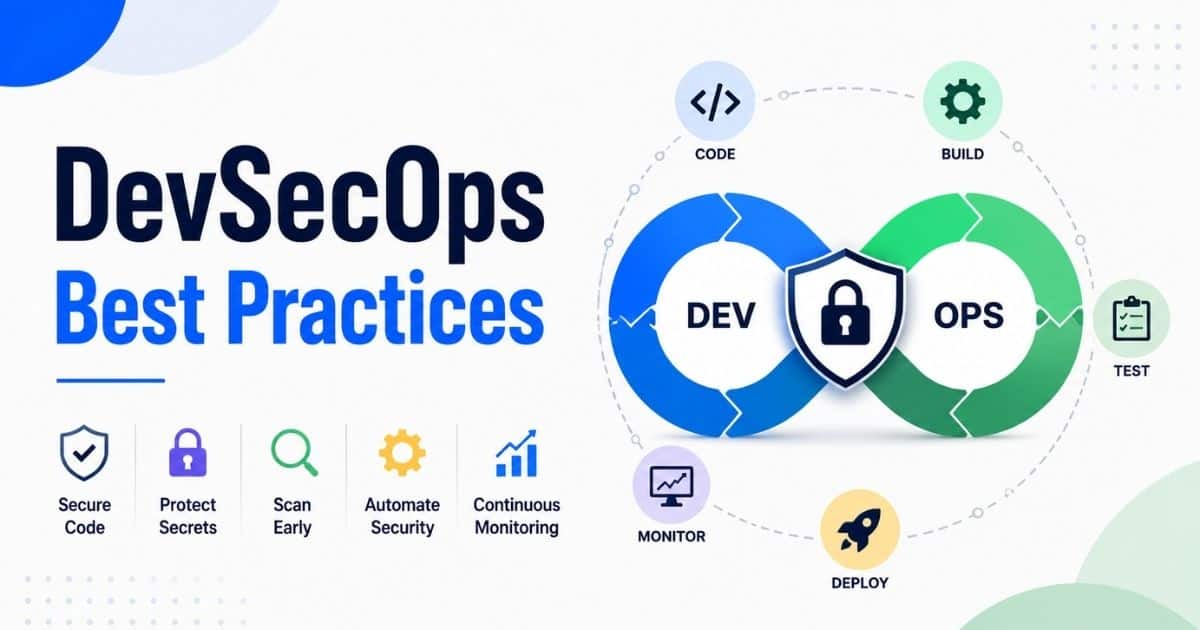
DevOps engineers help the team release updates faster and keep systems running smoothly. They manage deployment, automation, and system performance. This role supports continuous development and helps avoid delays. Many modern software companies rely on DevOps best practices to improve delivery speed and stability.
In a dedicated remote development team, DevOps engineers also handle cloud systems and infrastructure. They use automation tools to reduce manual work and improve efficiency. Their role helps the team release updates more often while keeping the system stable and reliable.
Business Use Cases Where A Dedicated Development Team Delivers Maximum Value
A dedicated development team works best when your project needs focus, speed, and long term support. It fits different business situations where flexibility and control matter. Many companies use this model to scale faster and build reliable software solutions. It also helps when internal resources are limited or when niche expertise is required.
Startup And Product Growth
Startups often need to move fast and test ideas quickly. A dedicated development team gives them access to skilled professionals without long hiring cycles. This helps startups build MVPs and improve products based on user feedback. Studies show that startups using external development support can reduce time to market by up to 40%.
This model also supports continuous development. Startups can scale their team size based on project needs. It removes the pressure of building a full in-house team early. With the right team structure, startups can focus on business goals while experts handle the technical side.
SaaS And Platform Development
SaaS companies rely on steady updates and system stability. A dedicated software development team helps manage ongoing development and product improvements. This setup ensures faster releases and better performance. Many SaaS businesses use this model to maintain product quality while following structured SaaS product development practices as they scale features.
A dedicated team approach also improves collaboration. Developers, QA engineers, and DevOps experts work together on the same project. This reduces delays and improves efficiency. It also supports long-term growth and keeps the software aligned with user needs and market demands, especially for businesses investing in scalable SaaS tools that power global growth.
Enterprise Digital Transformation
Large enterprises often struggle with legacy systems. A dedicated development team helps modernize old systems and build new software solutions. This approach supports digital transformation and improves operational efficiency, especially when combined with strategic technology consulting services for modern business growth. It also helps enterprises reduce risks during large scale changes.
Enterprises benefit from strong project management and dedicated engineering teams. These teams work closely with internal staff to ensure smooth integration. According to industry data, digital transformation can increase productivity by up to 20%. A dedicated team helps achieve that with better control and structured execution.
E-commerce Platform Development
E-commerce businesses need fast performance and reliable systems. A dedicated remote development team helps build and maintain scalable platforms. This includes handling traffic spikes, payment systems, and user experience. Strong development support ensures smooth customer journeys, backed by scalable software architecture for high-growth products.
This model also supports ongoing updates and feature improvements. E-commerce platforms often need constant optimization. A dedicated team can focus on these changes without affecting the core system. This improves sales performance and keeps the platform competitive in a fast-moving market.
Long-Term And Complex Projects
Complex software projects need deep understanding and long-term commitment. A dedicated development team works best in such cases. It provides stability and consistent progress over time. This helps reduce risks and keeps the project aligned with business objectives.
Such a team also adapts to changing project demands. You can adjust team size and skills as needed. This flexibility is important for long-term success. With strong project management and experienced developers, businesses can complete complex projects with better results and fewer delays.
Cost Factors And Pricing Models Of A Dedicated Development Team
Cost plays a big role when you decide to hire a dedicated development team. Different pricing models help match project needs with budget and flexibility. Some models offer fixed pricing, while others depend on time and resources. Understanding these options helps you choose the right dedicated team model for your business goals.
Fixed Price Model
The fixed price model works best when your project scope is clear. You agree on a total cost before work starts. This gives full control over the budget and helps plan expenses in advance. Many companies prefer this model for short term projects or small software development tasks, especially after comparing time and material vs fixed price trade-offs.
This approach reduces financial risk. However, it offers less flexibility if project requirements change. It works well when the software development process is stable. The dedicated development team follows a set plan and delivers based on agreed milestones. This keeps the project predictable and easy to manage.
Time And Material Model
The time and material model charges based on actual work hours and resources used. This model fits projects with changing requirements. It gives full flexibility to adjust the project scope during development. Many companies choose this model when they need ongoing development and continuous updates, as explained in broader software development pricing models.
This approach allows better control over the development process. You can scale the team size as needed. According to industry data, flexible models like this improve adaptability by over 30% in long term projects. It works well with a dedicated remote development team that supports evolving business needs.
Dedicated Team Model Pricing
The dedicated team model uses a monthly pricing structure. You pay for a full team that works only on your project. This includes software developers, QA engineers, and a project manager. It gives you access to a stable team and predictable costs within your broader custom software development cost planning.
Many companies prefer this model for long term projects. It supports better collaboration and team consistency. A dedicated development team model also improves cost efficiency by reducing hiring and training costs. This setup helps businesses focus on growth while the dedicated software team handles the development work.
Hybrid Pricing Model
The hybrid model combines fixed and flexible pricing. It works well for projects with mixed requirements. Some parts of the project may use fixed pricing, while others use time and material. This gives a balance between cost control and flexibility, especially for businesses planning SaaS development cost across multiple phases.
This approach is useful for large or complex software development projects. It allows better project management and resource allocation. Businesses can adjust the team structure based on project demands. This model helps optimize cost while still maintaining high quality and adaptability.
Step-by-Step Process To Hire And Onboard A Dedicated Development Team
Hiring a dedicated development team needs a clear and structured approach. Each step helps you align business goals with the right skills and team setup. A smooth onboarding process also improves communication and speeds up delivery. When done right, it helps you build a strong, dedicated software development team that fits your project needs.
Define Project Requirements And Scope
Start by clearly defining your project requirements. This includes features, tech stack, timeline, and budget. A well-defined project scope helps you find the right dedicated development team. It also reduces confusion during the software development process. Many project failures happen due to unclear goals, so this step is critical.
Clear requirements help the software development company understand your expectations. It also makes it easier to plan team structure and development capacity. When project goals are defined early, the entire project runs more smoothly. This step sets the base for successful dedicated team engagement and better project outcomes.
Choose The Right Engagement Model
Next, choose the right dedicated team engagement model. You can hire a dedicated development team, use staff augmentation, or go for a full outsourcing software development model. Each option fits different project demands and business goals, so it helps to understand in house vs outsourcing software development trade-offs clearly. The dedicated team model works best for long-term projects with ongoing development needs.
This choice affects how your development team works and how much control you keep. Many businesses prefer the dedicated team approach for better collaboration and flexibility. It also helps you build your own dedicated development team without the cost of in-house hiring. The right model improves cost efficiency and project control.
Evaluate Skills And Team Composition
Review the skills and experience of the development team before hiring. Look for dedicated software developers, QA engineers, and a project manager. A strong team composition ensures smooth project execution. It also helps cover all areas of the development process and makes it easier to choose a custom software development partner that truly aligns with your goals.
According to industry data, teams with diverse skill sets deliver projects up to 25% faster. Make sure the team matches your tech stack and project requirements. A dedicated engineering team with niche expertise can handle complex software solutions better. This step ensures you hire skilled professionals who can meet your business objectives.
Onboard The Dedicated Team Properly
Onboarding is a key step when you hire dedicated developers. Share project details, tools, and workflows with the team. Introduce them to your company culture and communication style. This helps the dedicated remote team understand your expectations faster and sets the foundation for applying proven scaling engineering team strategies later.
Use project management tools to set tasks and track progress. A dedicated project manager can help manage coordination and communication. Proper onboarding improves collaboration and reduces delays. It also ensures the team integrates well with your existing team or internal staff, leading to better project outcomes.
Track Progress And Manage Performance
After onboarding, focus on tracking progress and managing performance. Regular updates help you stay aligned with the development process. Use project management tools to monitor tasks and milestones. This keeps the entire project on track.
A dedicated development team depends on clear feedback and communication. According to reports, consistent monitoring can improve project success rates by up to 40%. Regular reviews help you adjust the team size or direction if needed. This step ensures continuous development and keeps your software solutions aligned with business goals.
Common Challenges With A Dedicated Development Team
A dedicated development team can deliver great results, but it also comes with challenges. Clear communication, proper management, and aligned expectations play a big role. Many issues come from unclear processes or lack of coordination. Understanding these challenges helps you get better results from your dedicated software development team.
Communication Gaps And Misalignment
Communication gaps can create serious problems in a dedicated development team. When team members do not share updates clearly, delays and misunderstandings happen. This affects the entire project and slows down delivery, especially in complex SaaS development services engagements. A project manager helps reduce this issue by keeping communication structured.
Different time zones can also create challenges, especially with a dedicated remote development team. According to research, poor communication can lead to a 56% drop in project success. Regular meetings and clear project management tools help keep everyone aligned. Strong communication improves collaboration and supports smooth software development.
Time Zone And Cultural Differences
A dedicated remote team often works across different regions. This creates time zone differences that affect real-time communication. It can delay feedback and slow down decision-making. Planning work hours carefully helps reduce this problem and keeps the development process moving, which is critical when implementing long-term SaaS scalability strategies.
Cultural differences can also impact teamwork and expectations. A clear understanding of work style and company culture helps the team adjust better. Many software development companies train their teams to handle global collaboration. This improves teamwork and ensures the dedicated team structure works smoothly across locations.
Scope Creep And Changing Requirements
Project requirements can change during development. This is called scope creep. It happens when new features get added without proper planning. This can delay the entire project and increase the dedicated development team services cost, especially if the original software development budget did not account for such changes.
A strong project manager helps control scope changes. Clear documentation and defined project scope keep the team focused. According to PMI, 52% of projects fail due to scope creep and poor requirement management. A dedicated team model works best when changes are managed properly and aligned with business goals.
Team Management And Control Issues
Managing a dedicated software team can be challenging if roles are not clearly defined. Without proper project management, tasks can overlap or get delayed. This affects team efficiency and overall development capacity, and can undermine even well-planned initiatives based on solid SaaS architecture best practices.
A dedicated team approach gives control, but it still needs active management. Using project management tools helps track progress and assign tasks. Regular updates and clear workflows help maintain structure. Strong leadership ensures the team stays focused and delivers software solutions as planned.
Cost And Resource Planning Challenges
Planning the dedicated development team cost can be tricky. Factors like team size, tech stack, and project demands affect the final budget. Without proper planning, costs can go higher than expected, particularly for complex initiatives with significant SaaS development cost components.
Companies often choose this model to improve cost efficiency. However, poor resource planning can reduce those benefits. Using a global talent pool can help reduce costs while maintaining quality. A well-planned, dedicated team ensures better control over budget and delivers strong results for long-term projects, regardless of whether you ultimately favor custom software vs SaaS for your solution.
Proven Tips To Manage And Scale A Dedicated Development Team Successfully
Managing and scaling a dedicated development team needs the right approach. A strong strategy helps you align the team with business goals and project requirements. It also improves delivery speed and quality. With clear planning, such a team can support continuous development and handle complex software development projects with ease.
Set Clear Business Goals And Scope
Clear business goals guide the entire project. A dedicated development team depends on a well-defined project scope and expectations. When goals are clear, the development process stays focused and efficient. It also helps avoid confusion and scope changes later.
A dedicated software development team works better when aligned with business objectives. A project manager ensures every team member understands the goals. Research shows that clear project requirements improve success rates by up to 30%. This step strengthens the dedicated team model and supports smooth software development.
Define Strong Team Structure And Roles
A clear team structure improves coordination and output. A dedicated engineering team should include software developers, senior engineers, QA experts, and a project manager. Each role supports different parts of the development process. This creates balance and improves team performance and follows proven scaling engineering team strategies.
A well-planned team composition helps manage project demands effectively. It also improves development capacity and reduces delays. Compared to a traditional in-house team, this approach gives better flexibility and access to a global talent pool. A structured team ensures better control over the entire project.
Use Efficient Project Management Tools
Project management tools help track progress and manage tasks. Tools like Jira or Asana make it easy to monitor the entire project. They support better communication between team members and improve visibility. This is important for a dedicated remote development team building scalable SaaS tools for global growth.
These tools also help track milestones and manage workflows. A dedicated project manager uses them to stay updated on development progress. According to studies, project management tools can improve productivity by around 20%. This helps maintain a smooth software development process and keeps the team aligned.
Focus On Communication And Collaboration
Strong communication keeps the dedicated team engagement model effective. Regular meetings and updates help team members stay aligned. It also reduces misunderstandings and improves workflow. A remote team needs clear communication channels to perform well, particularly when delivering end-to-end SaaS development services.
A project manager plays a key role in managing communication. A dedicated software team works best when collaboration is open and consistent. This helps improve technical skills and team efficiency. Better communication supports software solutions that match project needs and business goals.
Scale Team Based On Project Needs
Scaling is a major advantage of a dedicated development model. You can adjust team size based on project needs and project scope. This flexibility helps control costs and improve delivery speed. It also supports long-term and short-term projects, especially for companies executing ambitious SaaS scalability strategies.
Many companies hire dedicated developers from a global talent pool to scale faster. This reduces local hiring challenges and improves access to skilled professionals. Scaling helps increase development capacity and supports ongoing development without affecting the existing team. It keeps the project on track and aligned with business objectives.
Track Performance And Improve Continuously
Tracking performance helps improve team output and software quality. A dedicated team approach works best when you monitor progress regularly. This helps identify issues early and improve the development process, which is essential in the fast-changing landscape of the future of SaaS development in a cloud-first world.
Continuous improvement supports better results over time. A dedicated project manager can use project management tools to track performance. Studies show that regular tracking can improve efficiency by up to 25%. This ensures better cost efficiency and stronger outcomes for software development projects.
Final Thoughts
A dedicated development team gives businesses a flexible and reliable way to handle software development. It supports better control, faster delivery, and access to skilled professionals. This model fits different project needs, from startups to large enterprises. It also helps manage complex software solutions with ease.
With the right structure, clear goals, and strong project management, such a team can deliver strong results. It improves cost efficiency, supports continuous development, and keeps your project aligned with business goals. Choosing the right dedicated team model helps you scale faster and stay competitive in modern software development.
FAQs
Can Dedicated Teams Fit Agile Workflows?
Yes, a dedicated development team fits Agile workflows with sprint planning and continuous delivery. It improves collaboration and keeps the software development process efficient.
What Affects Dedicated Team Cost?
Dedicated development team cost depends on team size, tech stack, and senior engineers. Project scope and location also impact the final budget.
Can Teams Handle Complex Architectures?
Yes, a dedicated team can manage complex systems with niche expertise. Strong project management and skilled developers ensure scalable software solutions.
How Remote Teams Maintain Code Quality?
A dedicated remote development team ensures quality through code reviews and testing. Project management tools and QA processes keep standards consistent across team members.
Can Teams Handle Changing Requirements?
Yes, a dedicated team structure adapts quickly to new project requirements. A project manager helps align updates without affecting the overall development process.