API Security Best Practices: A Practical Guide For Secure APIs
by Daniel Wright | Sep 15, 2026 | Software Development Insights
Table of Contents
- What Is API Security?
- API Security Vs Application Security
- Common API Security Risks
- 8 Best API Security Practices In 2026
- API Security Throughout The Development Lifecycle
- How Do You Secure APIs In Production?
- SaaS API Security
- API Security Testing Checklist
- How Can You Prevent Common API Attacks?
- API Security Best Practices Checklist
Every modern app relies on dozens of connections working behind the scenes, and that's where security questions start piling up. Teams often ask whether API security and application security are the same thing, and the honest answer is no. They overlap, but each one protects a different part of your system.
Application programming interfaces have become the backbone of how apps share data, which makes them a growing target for attackers looking for weak points. At the same time, the applications themselves, the interfaces people actually use, carry their own set of risks.
Understanding where API security ends and application security begins helps you build defenses that actually match the threats you face. This article breaks down both concepts, shows how they differ, and explains why your security strategy needs to address them separately, not as one blanket solution.
What Is API Security?
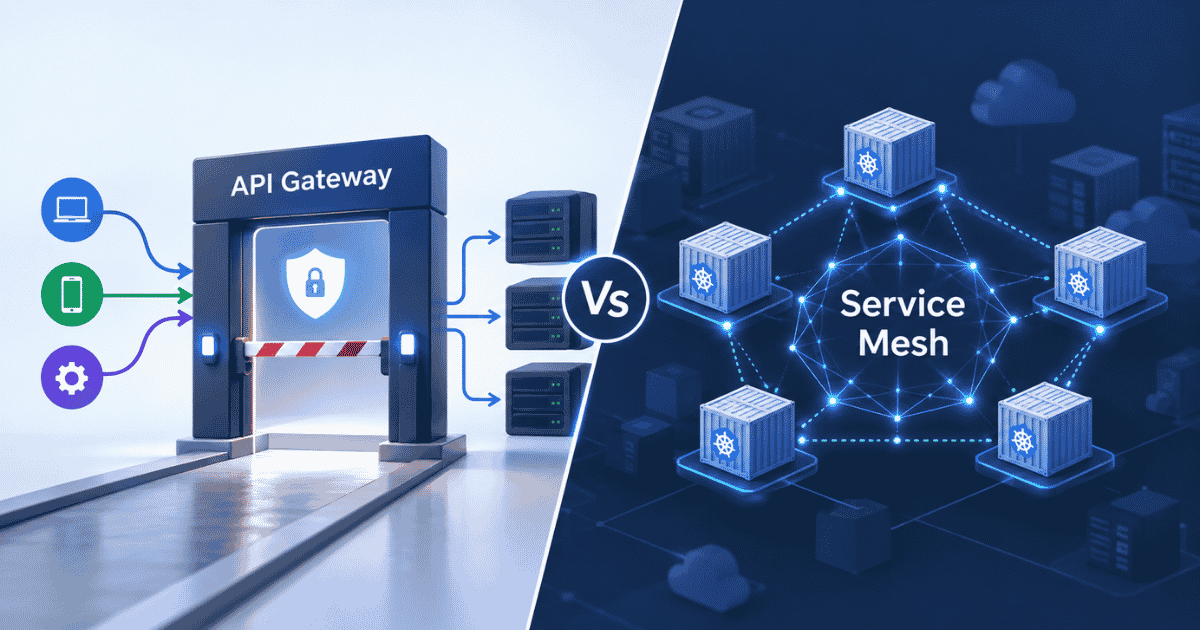
API security is the practice of protecting APIs from attacks that expose sensitive data or disrupt services. It covers authentication, authorization, encryption, and monitoring across every API endpoint your systems expose. Most teams follow OWASP API Security guidance, especially the OWASP API Security Top 10, to catch risks like broken authentication and excessive data exposure. Strong setups combine API gateways for traffic control with API-first architecture patterns and transport layer security to encrypt data in transit. Together, these layers keep APIs reliable, compliant, and resistant to evolving threats.
API Security Vs Application Security
API security and application security often get mixed up, but they protect different layers of your tech stack. API security focuses on securing application programming interfaces, the channels that let one system talk to another. It deals with things like verifying every API client, encrypting data in transit, and blocking automated abuse aimed at endpoints. Application security is broader. It covers the entire application, including the user interface, business logic, and backend code, not just the communication layer.
Both aim to protect legitimate users and stop data breaches, but the threats differ. Application security spends a lot of effort on issues like cross-site scripting, where attackers inject malicious scripts into web pages. API security focuses more on authentication methods, rate limiting, and data exposure through endpoints. Most teams need to implement authentication carefully in both areas, since weak login or token handling can undermine either layer. In practice, API security is a subset of application security, but it needs its own dedicated tools and testing approach because APIs behave differently than traditional web pages.
Aspect | API Security | Application Security |
|---|---|---|
Primary focus | Protecting application programming interfaces and data exchange | Protecting the full application, including UI and logic |
Main threats | Broken authentication, excessive data exposure, endpoint abuse | Cross-site scripting, injection attacks, session hijacking |
Key controls | Authentication methods, rate limiting, API gateways | Input validation, secure coding, access controls |
Who interacts | API client, external systems, third-party integrations | Legitimate users through browsers and apps |
Testing approach | API-specific scanning, contract testing, fuzzing | Web app scanning, code review, penetration testing |
Scope | Narrower, communication layer only | Broader, entire application stack |
Common API Security Risks
Attackers don't need to work hard when APIs have obvious weak spots. Here are the common api vulnerabilities that show up again and again, and why they matter.
Broken Object Level Authorization
This happens when an API doesn't check if a user actually owns the data they're requesting. Someone tweaks an ID in the URL, and suddenly they're viewing another person's records. It's one of the easiest security threats to exploit and one of the easiest to miss. Every request needs a proper ownership check, not just a login check. Security teams that treat authentication and authorization as the same thing usually end up with this gap somewhere in their system.
Broken Authentication
Weak authentication is like leaving a spare key under the doormat. Attackers steal tokens, guess passwords, or exploit poor session handling to get in as someone else. Using OpenID Connect gives you a proven framework instead of rolling your own login system from scratch. Token expiration and session limits matter here too. If authentication is shaky, everything built on top of it is shaky as well, no matter how solid the rest of the API looks on paper.
Excessive Data Exposure
Some APIs return way more data than the app actually displays, trusting the frontend to hide the sensitive bits. That trust is misplaced. Anyone calling the API directly sees the full response, hidden fields included. The fix is filtering data server-side, not client-side. Only send what's actually needed for that specific request. It's a small change that shrinks your exposure significantly and keeps sensitive fields out of responses where they never needed to be in the first place.
Unrestricted Resource Consumption
Without limits, an API is an open invitation for abuse. Attackers can flood endpoints with requests and trigger a denial of service, and even normal traffic spikes can cause real damage without caps in place. Rate limiting and quotas fix this by controlling how much any single client can request. It protects performance just as much as security. To protect APIs long term, resource limits aren't optional; they're basic infrastructure every API needs from day one.
Security Misconfiguration
Most breaches don't start with genius hacking. They start with a default password nobody changed or a debug mode left on in production. These small oversights add up, and attackers actively scan for them because they're easy wins. Automated security testing catches a lot of these gaps before code ships. Regular audits help too, since configurations drift as teams make changes over time. Keeping things clean isn't exciting work, but it closes real entry points fast.
Improper API Inventory Management
You can't secure an API you forgot existed. Old versions, test endpoints, and shadow APIs often skip updates entirely because nobody's tracking them anymore, and that's exactly what attackers look for. A full, current inventory is step one toward a strong api security posture. Document every API's version, owner, and access level. It's tedious, but it closes gaps that even the best schema validation and testing tools won't catch if they don't know an endpoint exists.
8 Best API Security Practices In 2026
APIs expose application logic to the outside world, which makes them a constant target. These best practices align closely with emerging software development trends for 2026 and help you lock down api access, protect user data, and stay ahead of attackers heading into 2026.
Use Strong Authentication
Weak login systems are still one of the easiest ways attackers gain unauthorized access. Solid user authentication should never rely on passwords alone.
JSON Web Tokens are a common choice for verifying identity without constant server lookups. Pair them with short expiration times and refresh tokens, so a stolen access token doesn't stay valid forever. Multi-factor authentication adds another layer that's hard for attackers to bypass, even with stolen credentials.
Enforce Granular Authorization
Authentication confirms who someone is. Authorization decides what they can actually do. Many breaches happen because that second step is too loose or missing entirely.
Attribute-based access control lets you set precise rules based on role, department, or context, instead of giving broad access by default. This keeps users from reaching data or actions outside their actual job. It's a small setup effort that prevents a lot of damage later, especially in systems with many user types.
Encrypt API Traffic
Unencrypted traffic is basically an open invitation. Anyone intercepting it can read every request and response moving between systems.
Mutual TLS ensures both the client and server verify each other before any data moves, not just one side trusting the other blindly. Combine this with strong transport encryption to encrypt sensitive data in transit. This one step blocks a huge chunk of interception attempts before they even get started, no matter how the rest of your API is built.
Validate API Requests
Every request coming into your API should be treated as untrusted until proven otherwise. Skipping validation is how bad data slips through and causes real damage.
Schema checks confirm that incoming api data matches the expected format, type, and size before anything gets processed. This blocks malformed requests and stops many injection attempts early. It also protects application logic from being triggered incorrectly by input nobody expected. Strict validation is tedious to set up, but it pays off constantly.
Protect API Keys And Secrets
Hardcoded keys sitting in source code are a gift to attackers who gain access to your repository, even briefly. This mistake happens more often than most teams admit.
Store secrets in environment variables instead, never directly in code. Rotate keys regularly and limit what each key can actually do. If a key does leak, scoped permissions and quick rotation minimize the damage. This one habit alone prevents a huge number of real-world api access breaches every year.
Apply Rate Limiting
Without limits, your API is exposed to abuse, scraping, and outright denial-of-service attempts. Attackers love systems with no caps in place.
Setting clear limits on how often a client can call your API protects both performance and security at once. It also helps control costs on usage-based infrastructure. Combine rate limiting with monitoring, so unusual spikes get flagged fast. This keeps normal users unaffected while making abuse noticeably harder to pull off.
Minimize Sensitive Data
The less sensitive information an API returns, the less there is to lose if something goes wrong. This principle sounds obvious, but it's skipped constantly.
Only send back fields the client actually needs to access data for its specific task. Avoid returning full user objects when a name and ID would do the job. This limits what attackers gain even if they do get unauthorized access somewhere in the chain. Less exposure means less risk, plain and simple.
Secure Error Responses
Detailed error messages feel helpful during development, but they hand attackers a map straight to your system's weak points.
Avoid exposing stack traces, database structure, or internal logic in production error messages. Generic responses on the outside, detailed logs on the inside- that's the right balance. This keeps debugging easy for your team without giving attackers a blueprint. Secure error handling is one of those small details that quietly closes off a lot of reconnaissance attempts before they even start.
API Security Throughout The Development Lifecycle
Security can't be a last-minute check before launch. It needs to run through every stage of building an API, from the first design sketch to the final deploy.
Secure API Design
Good security starts on paper, not in code. Before writing anything, teams should map out how data flows, who can access what, and how service-to-service communication will be authenticated. Defining a clear JSON schema early on sets expectations for what valid input actually looks like. This stage also decides how refresh tokens will work and how long sessions should last. Getting these decisions right early saves a lot of rework and patching later.
Secure API Development
This is where design turns into actual code, and small mistakes here create real vulnerabilities. Following a structured software development life cycle helps teams bake security into every phase. Developers need to encrypt data both in transit and at rest, not just assume the web server handles it automatically. Strict data validation should happen on every input, not just the obvious ones. Secrets, keys, and tokens should never sit in plain code. Building security in from the start is far easier than bolting it on after something breaks in production.
API Security Testing
Once the API exists, it needs to be tested as an attacker would test it. This means checking authentication flows, trying to bypass authorization, and confirming that JSON schema validation actually rejects bad input instead of just logging it. Choosing the right API testing tools makes these checks consistent and automatable. Testing should also confirm refresh tokens expire and rotate properly. Manual review still matters, but it shouldn't be the only line of defense. Skipping this step means shipping unknown risks straight to real users.
CI/CD Security Checks
Security checks belong inside the pipeline, not as a separate afterthought. Every build should run automated scans for common vulnerabilities before code reaches staging. This includes checking that service-to-service communication is properly authenticated and that no secrets accidentally get committed. Embedding robust software testing strategies into CI/CD keeps these safeguards repeatable. Catching issues here is far cheaper than catching them after deployment. A good CI/CD setup treats security failures the same way it treats broken builds, blocking the merge until it's fixed.
Pre-Production Security Review
This is the last checkpoint before real users touch the system. Teams should confirm the web server is properly configured, encryption is active everywhere it should be, and no debug settings slipped through. It's also the right time to double-check data validation rules and confirm refresh tokens and sessions behave as expected under load. Using a structured software release checklist here keeps these reviews consistent. This review isn't about finding new problems. It's about confirming everything built earlier actually works together correctly before it goes live.
How Do You Secure APIs In Production?
Once an API goes live, the work isn't over. Production is where real traffic, real attackers, and real security vulnerabilities show up, so protection needs to stay active every single day.
Monitor API Traffic
You can't protect what you can't see. Watching traffic at the api layer helps you spot patterns before they turn into problems.
Set up dashboards that track request volume, response times, and unusual spikes in real time. Modern SaaS monitoring tools make it easier to collect and correlate these signals. Strict transport security should be enforced everywhere, with no exceptions for internal traffic. Combine this with solid encryption protocols so data stays protected even while it's being monitored. Visibility is the foundation everything else builds on.
Detect Suspicious Activity
Not all traffic is legitimate, and telling the difference matters. Malicious traffic often looks different once you know what to watch for.
Look for repeated failed logins, unusual request patterns, or sudden spikes from a single source. These are classic signs of an attack in progress. Intelligent detection powered by AI in SaaS security and monitoring can surface these faster than manual reviews. Automated alerts help your team react fast instead of finding out after the damage is done. Catching this early protects both your systems and your existing users from real harm.
Maintain Detailed API Logs
Logs are your memory when something goes wrong. Without them, you're guessing what happened instead of knowing.
Record every request, response, and authentication attempt at the api layer. This helps you trace security vulnerabilities back to their source quickly during an incident. Logs also help prove compliance and support audits down the line. Keep logs secure themselves, since they often contain sensitive details attackers would love to access.
Rotate Credentials And Secrets
Old credentials are a liability, even if nothing's gone wrong yet. Treat rotation as routine maintenance, not a reaction to a breach.
Regularly refresh API keys, tokens, and passwords, especially after employee changes or suspected exposure. This limits how long a leaked credential stays useful to an attacker. Combine rotation with strong encryption protocols so credentials stay protected in storage too. It's a simple habit that closes a door attackers rely on.
Manage API Versions And Deprecated Endpoints
Old endpoints don't disappear on their own, and that's a problem. Forgotten versions often keep running quietly at the api layer, long after anyone's paying attention to them.
These leftover endpoints rarely get patched, which means known security vulnerabilities just sit there waiting to be found. Attackers actively scan for old versions since they're usually easier targets than current ones. Set clear deprecation timelines, notify existing users well in advance, and shut down old endpoints completely once traffic moves off them. A clean, current API footprint is much easier to defend.
SaaS API Security
Multi-tenant systems add a layer of complexity most single-tenant apps never deal with. Strong SaaS architecture and SaaS api protection have to keep every customer's data separate while still running on shared infrastructure, at every stage of the api lifecycle.
Tenant-Level Authorization
In a SaaS platform, one tenant's data should never leak into another's view, even by accident. Following core SaaS architecture best practices, every request needs to confirm which tenant it belongs to before returning anything.
This check has to happen at the application layer, not just at login. A valid session alone doesn't guarantee someone's requesting data from their own tenant. REST APIs handling multi-tenant traffic need this logic baked into every endpoint, not bolted on as an afterthought once something goes wrong.
Cross-Tenant Data Protection
This risk sits right next to tenant-level authorization but deserves its own attention. Even with proper checks in place, shared databases and shared infrastructure create room for mistakes.
Isolating tenant data logically, and sometimes physically, reduces the blast radius if something does go wrong. A solid SaaS security architecture reinforces this isolation across every layer. Regular testing should specifically try to access data across tenant boundaries, not just within one. This is one of the more overlooked security threats in SaaS, since it doesn't show up in normal single-tenant testing at all.
Role-Based Access Control
Not every user inside a tenant should have the same level of access, and treating them equally is a mistake. An admin and a regular team member need very different permissions.
Role-based access control assigns permissions based on what someone's job actually requires, nothing more. This keeps unauthorized users, even ones with valid logins, from reaching data or actions outside their role. Thoughtful SaaS development services will design this in from day one. It's a core piece of api protection that scales well as your customer base and their teams grow larger.
Secure Third-Party Integrations
SaaS products rarely stand alone. A thoughtful API integration strategy recognizes they connect to dozens of other tools, and each connection is a potential opening if it's not handled carefully.
Every third-party integration should use scoped credentials, limited to exactly what that integration needs to function. Avoid handing out broad access just for convenience during setup. Review these connections regularly throughout the api lifecycle, since permissions often get forgotten long after the initial integration was configured and approved.
Webhook Security
Webhooks push data out automatically, which makes them easy to overlook from a security standpoint. But an unverified webhook endpoint is an open door for attackers.
Always verify webhook signatures before trusting the payload they deliver. Use unique secrets per integration, and rotate them periodically like any other credential. Without this step, unauthorized users could send fake payloads that your system happily accepts and processes as if they were legitimate.
API Security Testing Checklist
Testing shouldn't be a one-time event before launch. A recurring SaaS technical audit mindset helps make it a repeatable checklist that gets run every time something meaningful changes in your API.
Authentication Testing
Start by confirming that login flows actually work the way they should, under normal and abnormal conditions alike. Test expired tokens, reused sessions, and repeated failed authentication attempts to see how the system responds.
Check that the API locks out or flags accounts after too many failed attempts. Confirm your app store tokens securely, not in plain text or exposed storage. Weak authentication testing here means everything built on top of it is untrustworthy too.
Authorization Testing
Authentication only confirms identity. Authorization confirms what that identity is allowed to do, and this step gets skipped more often than it should.
Test that users can only reach data and actions tied to the permissions their role actually grants. Try accessing another user's resources directly through the API, not just through the app interface. This catches broken object-level authorization before real users ever stumble onto it by accident.
Input Validation Testing
Every input field is a potential entry point, so testing needs to cover more than just the expected use cases. Try sending malformed data, oversized payloads, and unexpected data types.
Confirm the API rejects bad input instead of silently accepting it or crashing. A structured software product audit often uncovers weak validation paths. This step catches injection risks and schema violations early, before they reach production. Consistent security policies around validation across every endpoint make this testing far more reliable and predictable.
Rate Limit Testing
Rate limits only matter if they actually hold up under real pressure. Testing here means simulating high request volumes to confirm limits trigger as expected.
Check what happens when a single client sends far more requests than allowed in a short window. The API should throttle or block the excess, not slow to a crawl for everyone. This testing also confirms rate limiting doesn't accidentally block normal traffic from real users going about their day.
Sensitive Data Testing
This step checks exactly what your API sends back in every response, field by field. Look for data that shouldn't be there, like internal IDs, full user objects, or unmasked personal details.
Confirm sensitive information stays out of logs and error messages too. Test that even successful responses don't leak more than necessary. This is one of the easier issues to catch early, but one of the most damaging when it slips through unnoticed into production.
API Configuration Testing
Configuration mistakes are quiet but common, and they rarely show up unless someone specifically looks for them. Check for default credentials, open debug modes, and missing security headers.
Confirm consistent security policies are actually applied across every environment, not just production. Review settings regularly, since configurations drift as teams make changes over time. This testing catches the small oversights that automated scans sometimes miss entirely.
How Can You Prevent Common API Attacks?
Knowing the risks isn't enough. Preventing them takes specific steps for each attack type, since one fix rarely covers them all.
BOLA Attacks
Broken object-level authorization attacks happen when someone changes an ID in a request and gets access to data that isn't theirs. It's simple, but it works often because many APIs check who you are, not whether you actually own the thing you're requesting.
The fix is adding ownership checks to every single request, not just at login. Every API call that touches a specific object needs to confirm the requester actually has rights to it. Skipping this check anywhere in your API leaves a door open, even if every other endpoint is locked down tight.
Injection Attacks
SQL injection and similar attacks work by sneaking malicious code into input fields the API wasn't expecting. If that input goes straight into a database query, attackers can read, change, or delete data they should never touch.
Prevent this by validating and sanitizing every input, and using parameterized queries instead of building queries from raw strings. Never trust data just because it came through your own app. Treat every input as suspicious until it's checked, no matter where the request appears to come from.
Brute-Force Attacks
Attackers don't always need to be clever. Sometimes they just try thousands of password or token combinations until one works, especially against accounts with weak credentials.
Lock accounts or add delays after repeated failed attempts. Multi-factor authentication makes brute-force attempts far less useful, since a stolen password alone won't get an attacker in. Monitoring for unusual login patterns also helps catch these attacks early, before they succeed on any single account.
API Abuse
Not every attacker breaks in through a vulnerability. Sometimes they just use your API the way it was built, but far more aggressively than intended, scraping data or draining resources.
Rate limiting and usage quotas are your main defense here. Set clear limits on how often any single client can call your API, and monitor for traffic that looks automated or unusually persistent. This keeps normal users unaffected while making abuse noticeably harder and less profitable to pull off.
Shadow And Zombie APIs
Shadow APIs are versions nobody documented. Zombie APIs are old versions everyone forgot to shut down. Both sit quietly outside normal monitoring, which makes them dangerous.
Keep a complete, current inventory of every API your company runs, including internal and third-party ones. Regularly scan your systems for endpoints that aren't on that list. Once found, either bring them under proper security controls or retire them completely. You can't protect what you don't know exists.
API Security Best Practices Checklist
Use this as a quick reference to check where your API stands and where it still needs work.
Authentication And Authorization
Confirm every user and system calling your API proves who they are before anything else happens. Use strong authentication methods, not just basic passwords sitting alone.
Add multi-factor authentication wherever possible, especially for accounts with elevated access. Separate authentication from authorization clearly, since knowing who someone is isn't the same as knowing what they're allowed to do. Review permissions regularly, and remove access the moment someone no longer needs it.
Data Protection
Encrypt data both in transit and at rest, without exceptions for "internal" traffic that feels safe. Attackers don't care whether traffic is internal or external.
Minimize what your API returns in every response. Only send fields a client actually needs for that specific task. Mask or strip sensitive fields from logs and error messages too. The less data exposed at any single point, the less there is for an attacker to steal if something goes wrong.
Access Control
Set clear rules for who can reach what, based on role and context, not convenience. Broad access might feel easier to manage, but it multiplies your risk everywhere.
Apply the same access rules consistently across every environment, not just production. Check for unused accounts or stale permissions on a regular schedule. Every unnecessary access point is one more thing an attacker could potentially use, so trim access down to exactly what's needed.
Testing And Monitoring
Run security tests regularly, not just before a major release. Robust SaaS infrastructure practices depend on this discipline. Include authentication, authorization, and input validation in every testing cycle, since gaps often hide in the details.
Monitor traffic continuously for unusual patterns, repeated failures, or sudden spikes. Strong SaaS security best practices treat this as an ongoing obligation. Keep detailed logs so you can trace issues quickly if something does happen. Testing catches problems before launch. Monitoring catches the ones that slip through anyway, once real traffic starts hitting your API.