API Security Testing: How To Find And Fix API Vulnerabilities
by GainHQ Editorial Team | Sep 16, 2026 | Software Development Insights | Editorial policy
Table of Contents
- What Is API Security Testing?
- How Does API Security Testing Work?
- What Should You Test During API Security Testing?
- How To Test API Authentication And Authorization
- How To Test API Business Logic And Abuse Risks
- How To Test Different API Types
- How To Automate API Security Testing
- What Are The Best API Security Testing Tools?
- Best Practices For API Security Testing
- Final Discussion
APIs can expose far more than data. A weak API can give attackers a path to user accounts, business logic, and sensitive backend systems. OWASP notes that poorly secured APIs can provide direct access to sensitive data, making security testing a critical part of modern application security.
API security testing helps teams find weaknesses before attackers do. It checks authentication, authorization, input validation, API endpoints, and other security controls. Modern testing can also combine automated scanning with manual checks to uncover issues that automated tools may miss.
Whether you are building a new API or securing an existing one, a clear testing process can reduce security risks and improve your overall security posture.
What Is API Security Testing?
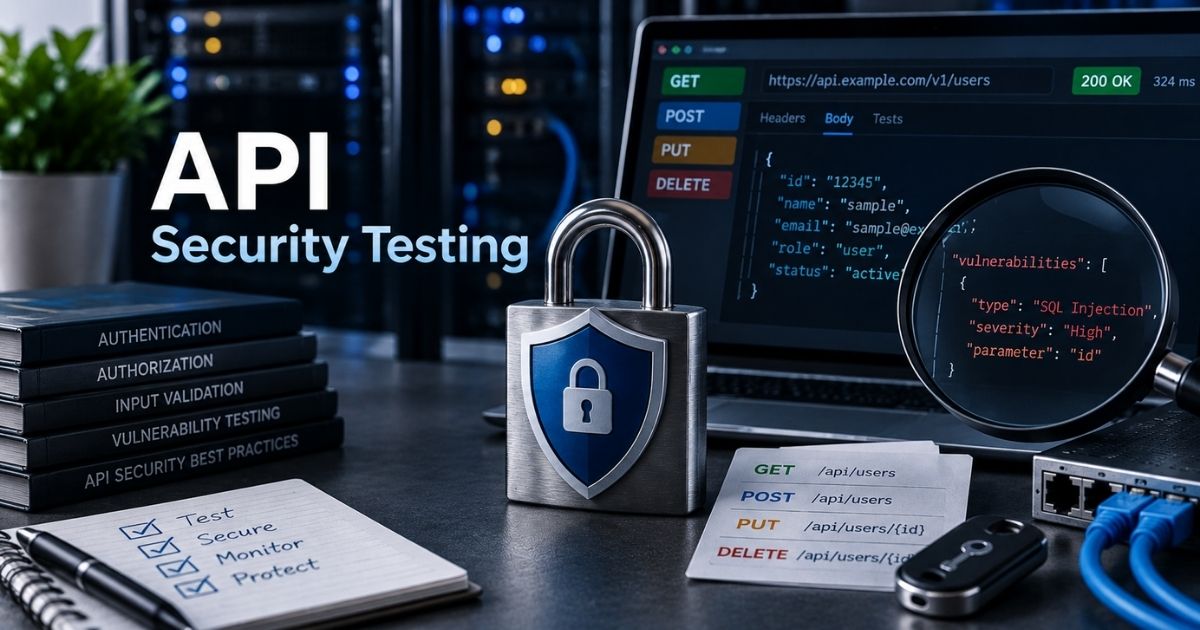
API security testing is the process of checking application programming interfaces for security vulnerabilities that attackers could exploit. It examines how APIs handle authentication, authorization, API requests, input validation, sensitive data, and other security controls. Since APIs can expose application logic and backend data, weak controls can create serious security risks.
API security testing focuses on the API itself, not just the application around it. Testers interact with API endpoints and inspect how the API responds to valid, invalid, and potentially malicious requests. The testing process can include automated testing, manual testing, and dynamic application security testing to identify vulnerabilities that may otherwise remain hidden.
How Does API Security Testing Work?
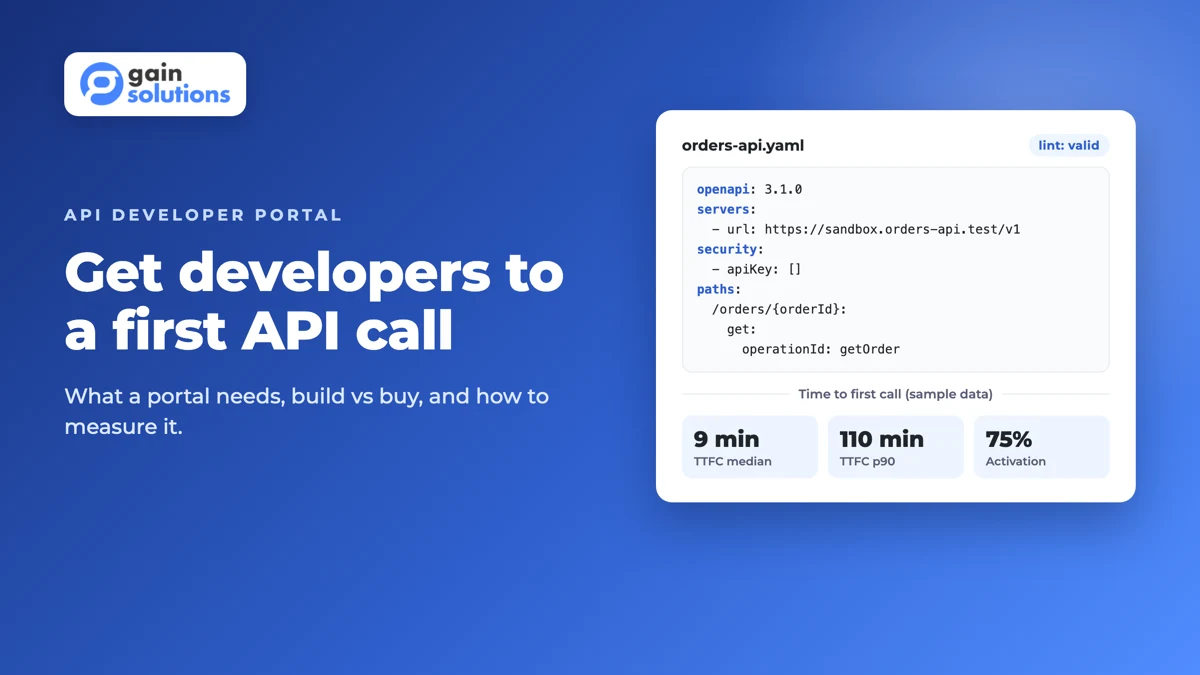
API security testing follows a clear process. Teams first define what they can test, map the available API endpoints, and understand who can access each resource. They then test authentication, authorization, input handling, and other security controls. OWASP recommends discovering both documented and undocumented endpoints because API documentation may not show the full attack surface.
Define The Testing Scope
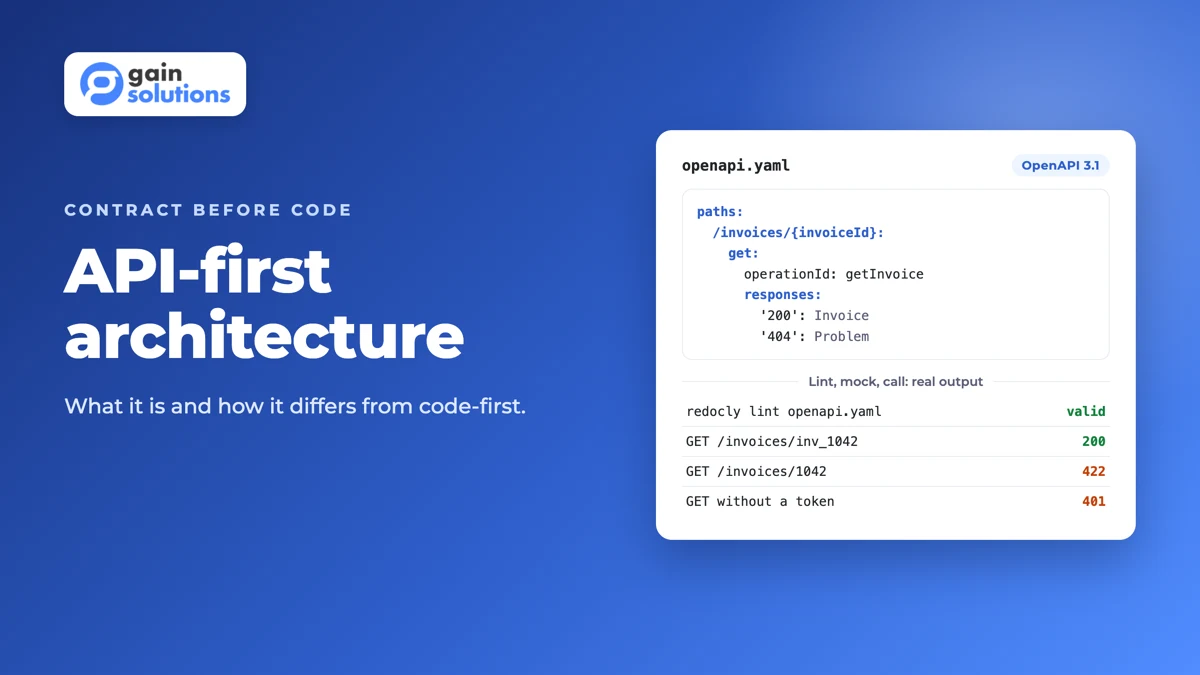
Start by deciding what the security testing will cover. List the APIs, environments, API endpoints, user roles, authentication mechanisms, and testing methods involved. Define what is allowed and what is off-limits. A staging environment is usually safer for active testing than production. Scope should also include internal APIs, third-party integrations, and older API versions when they are part of the software system. A well-defined API integration strategy and an API-first architecture ensure that these interfaces align with security, performance, and business goals. Clear boundaries help security teams focus on relevant security risks and avoid unnecessary disruption. Proper authorization matters too. OWASP recommends establishing permissions before an API security assessment begins.
Discover And Inventory API Endpoints
Create an accurate API inventory before testing security controls. Start with API documentation, OpenAPI definitions, Swagger files, and existing API requests. Then look for undocumented endpoints, older versions, internal APIs, and routes exposed through client-side code. API documentation may not show the complete attack surface. OWASP recommends finding both documented and undocumented endpoints and parameters. An automated API inventory can help maintain coverage as the API changes. A complete inventory also makes vulnerability scanning and automated testing more reliable because security teams know what they need to test.
Identify Authentication And User Roles
Next, identify how the API verifies users and applications. Common authentication mechanisms include API keys, bearer tokens, OAuth, JWTs, and session cookies. Check how tokens are issued, validated, expired, and revoked. Then create test accounts with different roles where possible. One user should not automatically have access to another user's resources. Multiple identities make authorization testing much more useful. OWASP recommends using separate identities for cross-user testing because many API vulnerabilities only appear when requests are compared across users.
Map Resources And Permissions
Map each important resource to the users and actions allowed to access it. Check who can view, create, update, or delete each resource. Then compare the behavior across roles and accounts. Pay close attention to object IDs, tenant IDs, and other identifiers inside API requests. A user who can access their own order should not automatically access another user's order by changing an ID. Such tests can expose Broken Object Level Authorization. OWASP considers cross-user authorization testing one of the strongest ways to confirm BOLA because it tests a real access boundary.
Test Security Controls
Now test the API's security controls with normal, invalid, modified, and potentially malicious API requests. Check authentication, access controls, input validation, rate limits, security misconfiguration, and sensitive data handling. Fuzz testing can send unexpected input to identify weaknesses. Automated tools can handle repetitive checks, while manual testing can uncover complex security issues and business-logic flaws. Dynamic application security testing also evaluates a running API by sending real requests and examining responses. The goal is to identify vulnerabilities that could expose data or allow unauthorized actions.
Validate Findings And Retest Fixes
A scanner result is not automatically a confirmed vulnerability. Review the request, response, evidence, and affected endpoint before reporting an issue. High-risk findings should be reproduced manually when possible. OWASP recommends manually replaying critical and high-severity findings before reporting them. After developers apply security fixes, run the relevant tests again. Regular retesting helps confirm that the vulnerability is fixed and that later API changes have not introduced new security issues. Automated regression tests can make continuous testing easier across the software development lifecycle.
What Should You Test During API Security Testing?
API security testing should cover more than authentication. A complete assessment checks how APIs handle identities, permissions, input, sensitive data, resource usage, and security controls. OWASP's API Security Top 10 highlights authorization, authentication, resource consumption, business flows, SSRF, inventory, and configuration among the major API security risks.
Authentication And Token Security
Test how the API verifies users and protects its authentication mechanisms. Check API keys, bearer tokens, OAuth, JWTs, sessions, token expiration, and revocation. Try invalid, expired, modified, or missing credentials and check how the API responds. Broken authentication can allow attackers to impersonate legitimate users and access protected resources. OWASP's testing framework recommends authenticated testing because many API security issues only appear behind authentication. Testing with multiple identities can also reveal weaknesses that a single test account would miss.
Authorization And Access Control
Authentication confirms who a user is. Authorization decides what that user can access. Test both object-level and function-level access controls across different users, roles, and resources. Change object identifiers and check whether one user can access another user's data. Also test whether lower-privileged users can access administrative functions. OWASP identifies Broken Object Level Authorization and Broken Function Level Authorization as major API risks. Its testing guidance recommends multiple identities because cross-user testing can provide stronger evidence of unauthorized access.
Input Validation And Injection
Test every part of an API request that accepts user-controlled data. Check query parameters, path values, request bodies, headers, and other inputs. Send unexpected types, malformed values, oversized data, and potentially malicious input. Look for SQL injection, NoSQL injection, command injection, cross-site scripting, and other injection attacks. Fuzz testing can send many unusual inputs automatically and help identify unexpected API behavior. OWASP's API security testing framework includes data validation and injection testing because weak validation can allow attackers to manipulate how software systems process API requests.
Sensitive Data Exposure
Inspect API responses to see whether they return more information than a user or application needs. Look for passwords, tokens, personal information, internal identifiers, system details, and other sensitive information. Also check error responses for stack traces or configuration details. In the current OWASP Top 10, excessive data exposure and mass assignment are covered under Broken Object Property Level Authorization. The focus is whether users can access or modify object properties they should not control. Testing should compare responses and permissions across different identities and roles.
Rate Limiting And Resource Consumption
Test how APIs handle repeated, expensive, or unusually large requests. Focus on login, OTP, password resets, payments, searches, file uploads, and other resource-heavy operations. Check whether the API limits request frequency, payload sizes, pagination, batching, and other resource use. Unrestricted resource consumption can cause service disruption, denial-of-service conditions, or unexpected operational costs. OWASP recommends testing how APIs handle resource-intensive requests and concurrent activity. Use controlled traffic and an authorized test environment because aggressive testing can affect availability.
API Configuration And Security Controls
Review the API and its supporting software systems for insecure default settings and weak security controls. Check TLS, CORS, HTTP methods, security headers, error messages, exposed services, outdated components, and unnecessary features. Security misconfiguration can expose sensitive data or system details and may create paths to unauthorized access. Also check whether the same security measures apply across development, staging, and production environments. Automated tools can find many common configuration issues, but manual testing remains useful for complex cases. OWASP specifically lists missing TLS, improper CORS, verbose errors, and insecure defaults as possible misconfiguration risks.
OWASP API Security Risk Mapping
OWASP API Risk | What To Test | Potential Impact |
|---|---|---|
Broken Object Level Authorization | Change object IDs and test access across users or tenants | Unauthorized data access |
Broken Authentication | Test invalid, expired, modified, and missing credentials | Account compromise |
Broken Object Property Level Authorization | Test restricted fields for unauthorized reading or modification | Sensitive data exposure or manipulation |
Unrestricted Resource Consumption | Test request rates, payload sizes, pagination, batching, and expensive operations | DoS, service disruption, or increased costs |
Broken Function Level Authorization | Test whether lower-privileged users can access restricted functions | Privilege escalation |
Unrestricted Access To Sensitive Business Flows | Test high-value workflows for excessive or automated abuse | Business losses or workflow abuse |
Server-Side Request Forgery | Test user-controlled URLs and callback functionality | Access to internal resources |
Security Misconfiguration | Test defaults, exposed services, TLS, CORS, headers, and errors | Data or system exposure |
Improper Inventory Management | Find undocumented, deprecated, and exposed API versions | Unprotected attack surface |
Unsafe Consumption Of APIs | Test how external API responses are validated and processed | Downstream compromise |
How To Test API Authentication And Authorization
Authentication and authorization are closely related, but they answer different questions. Authentication checks who is making an API request. Authorization checks what that user can access or do. A proper security testing process evaluates both. OWASP recommends authenticated testing with multiple identities because many API vulnerabilities only appear after access controls come into play.
API Key And OAuth Testing
Check how API keys and OAuth flows issue, transmit, validate, and revoke access. Test missing, invalid, expired, and altered credentials. For OAuth, review redirect URIs, authorization codes, client credentials, token lifetime, and replay protection.
Also check whether sensitive credentials appear in URLs, logs, or referrers. Weak OAuth validation can lead to unauthorized resource access or privilege escalation. Keep API keys out of client-side code and verify that every protected endpoint actually requires the expected authentication mechanism.
JWT And Token Testing
JWT testing should check whether the API properly validates signatures, claims, expiration, and token structure. Test expired tokens and confirm that the API rejects them. Also check for unsafe algorithm handling, exposed tokens, and tokens accepted through unexpected locations.
OWASP's current API testing framework includes checks for JWT none algorithms, algorithm confusion, kid path traversal, expired tokens, and tokens passed through URL parameters. Token testing should also verify that revoked or invalid credentials cannot regain access.
Role And Permission Testing
Create test accounts with different roles and compare their access to the same API endpoints and resources. Check whether each role can perform only its intended actions. A standard user should not be able to invoke administrative functions simply by changing an endpoint, HTTP method, or request parameter.
Test both horizontal access between users with similar roles and vertical access between different privilege levels. OWASP recommends checking whether users can access functions or resources assigned to another role.
BOLA And BFLA Testing
Test Broken Object Level Authorization (BOLA) by changing object identifiers or comparing access between two authenticated users. A user should not be able to read or modify another user's resource. OWASP considers cross-user testing with two identities a strong way to confirm BOLA.
For Broken Function Level Authorization (BFLA), test whether lower-privileged users can invoke administrative or restricted functions. Check alternate HTTP methods and privilege-specific endpoints as well.
Multi-Tenant Access Testing
Multi-tenant APIs need separate authorization checks for every organization or tenant. Create test accounts from at least two tenants and compare their access to shared API endpoints. Change tenant identifiers, object IDs, and related request parameters where appropriate.
Check whether one tenant can view, modify, or delete another tenant's data. Test both read and write operations. Cross-user testing is particularly valuable here because an API may authenticate a valid user while still failing to enforce the correct tenant boundary.
Privilege Escalation Testing
Privilege escalation testing checks whether a user can gain permissions they were never granted. Start with a low-privileged account and test administrative endpoints, restricted functions, HTTP methods, and role-related parameters. Compare responses with those from an authorized account.
Also check whether changing a role value, endpoint path, or request method bypasses access controls. OWASP's BFLA guidance specifically recommends testing whether users can invoke sensitive functions outside their assigned privilege level. A successful bypass can expose sensitive functions or enable unauthorized administrative actions.
How To Test API Business Logic And Abuse Risks
API security testing should not stop at technical vulnerabilities. An API may enforce authentication and input validation correctly but still allow users to abuse a legitimate business process. Business logic testing checks whether workflows, transactions, resource limits, and state changes behave as intended. OWASP recommends testing business rules, workflow states, concurrency, and feature-level abuse because automated scanners may not recognize flaws that depend on how several valid API requests work together.
Sensitive Workflow Testing
Identify API workflows that could cause business harm when used excessively or out of sequence. Common examples include purchases, reservations, referrals, account creation, password resets, and promotional actions.
Check whether users can skip required steps, repeat completed actions, or automate sensitive flows. Verify that the server enforces the workflow instead of relying on the client interface. OWASP specifically recommends identifying sensitive business flows and assessing how excessive automated access could affect the business.
Parameter And Request Manipulation
Test whether changing API request values can bypass business rules. Focus on prices, quantities, object IDs, account references, status values, discounts, and other security-sensitive parameters.
Check whether the server calculates important values itself instead of trusting data supplied by the client. Also test whether requests can be repeated, reordered, or modified between workflow steps. A request can be technically valid while still producing an unauthorized business outcome. OWASP recommends treating client-controlled values as untrusted input and enforcing important business rules on the server.
Race Condition Testing
Test operations where multiple API requests can affect the same resource at nearly the same time. Focus on payments, withdrawals, coupon redemption, inventory, reservations, account balances, and one-time actions.
Send controlled concurrent requests and check the final state. A race condition can occur when an API checks a value and changes it in separate steps. Two requests may pass the same check before either update is completed. OWASP recommends treating concurrency as a real threat and using atomic operations, transactions, locking, or idempotency controls for sensitive actions.
Transaction And Payment Testing
Payment and transaction APIs need careful security testing because business logic flaws can create direct financial losses. Check prices, quantities, balances, discounts, refunds, payment states, and transaction limits.
Test whether a transaction can be repeated, reversed, skipped, or completed out of sequence. Also test multi-step payments and transfers. For example, verify that balance checks and daily limits still apply when the final confirmation request arrives. OWASP recommends testing payment workflows for inconsistent states and race conditions that could cause duplicate charges, negative balances, or other financial abuse.
Webhook And Callback Testing
Treat webhook and callback data as untrusted input. Test signature validation, authentication, replay protection, payload validation, and event handling.
Callback URLs also deserve attention. If an API accepts a user-controlled URL, check whether the server validates the destination and prevents unauthorized internal requests. Webhooks can create SSRF risks when URL handling is weak. OWASP added SSRF to its API Security Top 10 and specifically notes that the growing use of webhooks has increased the relevance of this risk.
Resource And Rate Limit Testing
Test whether sensitive API functions have limits that match their business purpose. Focus on login, OTP, password resets, payments, reservations, file processing, and other resource-heavy operations.
Check request frequency, batch sizes, pagination, payload size, and expensive operations. Avoid testing only a global request limit. A sensitive business flow may need its own controls. OWASP notes that unrestricted resource consumption can cause denial-of-service conditions and increased operational costs, while sensitive business flows may require additional protection against automated abuse.
How To Test Different API Types
API security testing should account for how each API handles requests, schemas, authentication, and data. REST remains common, but GraphQL, gRPC, webhooks, and JSON-RPC create different testing needs. Third-party APIs also introduce another trust boundary. OWASP's current API Security Testing Framework includes dedicated testing for GraphQL and gRPC, while its broader methodology covers webhook, callback, and third-party API risks.
REST API Security Testing
REST APIs should be tested across their full set of API endpoints and HTTP methods. Check authentication, authorization, input validation, rate limits, and response data. Test path parameters, query parameters, request bodies, and headers with both normal and potentially malicious input. Also compare documented endpoints with the actual API inventory. OpenAPI definitions can help identify expected routes and schemas, but they should not be treated as complete on their own. OWASP recommends discovering documented and undocumented endpoints because missing routes can create security gaps.
GraphQL Security Testing
GraphQL needs tests that match its query-based design. Check whether introspection exposes too much information and whether detailed errors reveal internal data. Test query depth, aliases, batching, circular fragments, and excessive field requests for resource abuse. Resolver authorization also matters. A user should not gain access to restricted data simply by changing a query or field. OWASP recommends validating GraphQL input fields and access controls, while its current testing framework also checks resolver injection and GraphiQL exposure.
gRPC Security Testing
gRPC APIs require attention to service discovery, transport security, authentication, and authorization. Check whether server reflection is enabled when it should not be. Reflection can reveal available services and methods to an attacker. Test whether each method enforces the correct access controls and whether sensitive data is protected during transit. Also check whether the deployment uses secure transport instead of cleartext HTTP/2 where appropriate. OWASP's current framework detects gRPC services, checks server reflection, and includes scoped injection testing.
Webhook Security Testing
Webhooks can connect different software systems, so they create another path for potentially malicious input. Test webhook authentication, signatures, replay protection, payload validation, and event handling. Check whether the receiving API trusts data simply because it comes from an external service. Callback URLs also need careful testing. A poorly validated URL can create SSRF risks or allow requests to unintended destinations. OWASP recommends treating webhook and third-party API data with the same validation standards applied to other untrusted input.
JSON-RPC Security Testing
JSON-RPC APIs should be tested at both the protocol and application levels. Check authentication, authorization, method access, parameters, error handling, and input validation. Test whether users can call methods they should not access or manipulate parameters to reach restricted resources. Also look for injection attacks and unexpected method behavior. Unlike REST, JSON-RPC commonly exposes operations through a shared endpoint, so API inventory and method discovery become especially important. Testers should understand the available methods before assessing their security controls and potential access to sensitive data.
Third-Party API Testing
Third-party APIs introduce risks because your software depends on systems you do not fully control. Test how your application authenticates with external services and how it validates their responses. Check whether unexpected, malformed, or potentially malicious data can reach sensitive API processes. Review webhook events, redirects, callback URLs, and imported data as untrusted input. A robust SaaS security architecture and a scalable and secure SaaS platform architecture can reduce the blast radius of integration failures or compromised third-party services. OWASP classifies unsafe consumption of APIs as a specific security risk and recommends validating data received from third-party services before processing it.
How To Automate API Security Testing
Manual testing is useful, but it cannot cover every API request and every software change. Automated testing helps security teams test APIs repeatedly across the development process. A strong approach combines API scanners with SAST, DAST, IAST, SCA, contract testing, and manual checks. OWASP also separates API security testing from API posture and runtime security, with API testing focused on dynamically assessing a running API.
OpenAPI And API Contract Testing
Start with a machine-readable API definition such as OpenAPI. It gives automated tools a structured view of API endpoints, parameters, request formats, and security requirements. Test the implementation against the contract to find unexpected routes, fields, or responses. OpenAPI can also support schema compliance and automated negative tests. OWASP recommends obtaining machine-readable API artifacts early because testing tools can import them directly.
Contract testing should also check whether authentication and authorization requirements match the API specification. A mismatch can leave an endpoint less protected than developers expect.
Automated Vulnerability Scanning
Automated vulnerability scanning can test APIs for common security vulnerabilities at scale. API scanners can send valid and invalid requests, inspect responses, and check for issues such as injection, authentication weaknesses, security misconfiguration, and exposed data. DAST performs testing against a running application, while SAST examines source code without running it. SCA checks third-party software components for known vulnerabilities. Each method covers a different part of the attack surface.
Use automated testing tools for repeatable checks, but do not treat scan results as complete proof of security.
Security Testing In CI/CD
Shift left testing brings security checks closer to the development process. Add API security tests to CI/CD pipelines so new code can be checked before release. SAST can inspect source code, DAST can test a running API, and IAST can observe application behavior during testing. SCA can also check third-party components for known vulnerabilities. OWASP recommends building security into the software development lifecycle instead of treating it as a separate final-stage activity.
Automated checks can run on pull requests, builds, scheduled jobs, or deployment stages. That makes continuous testing part of normal API development.
Automated Regression Testing
Security fixes should become permanent test cases. After fixing an API vulnerability, add a regression test that checks the same security control during future builds. Test authorization rules, tenant isolation, authentication failures, input validation, and other important controls after code changes. OpenAPI contracts can also support automated authorization regression tests. OWASP recommends authorization test matrices that cover horizontal access, vertical escalation, and tenant isolation within CI/CD pipelines.
Regular regression testing helps identify new vulnerabilities after updates. It also reduces the chance that a later code change quietly reintroduces an old security issue.
Manual Vs Automated Testing
Automated testing provides speed, scale, and repeatability. It can test large numbers of API endpoints and run the same checks throughout the development lifecycle. Manual testing adds context that automated tools may miss. Business logic flaws, complex authorization issues, and race conditions often need human analysis. OWASP notes that DAST tools can miss application-specific logic and that manual assessment remains important for deeper security issues.
The best approach uses both. Automated testing handles repetitive security checks, while security teams use manual testing to investigate complex behavior and potential security risks.
False Positive Validation
Automated tools can produce false positives. A reported issue may look dangerous but actually reflect intended application behavior. Review the request, response, endpoint, authentication context, and supporting evidence before assigning a vulnerability to developers. SAST tools, for example, can produce high numbers of false positives and may struggle to prove whether a reported issue is exploitable.
API scanners should therefore support evidence-based validation. Reproduce important findings manually and confirm the actual impact. Better validation helps security teams focus on genuine security issues instead of wasting development time on incorrect alerts.
What Are The Best API Security Testing Tools?
The right API security testing tools depend on where testing happens and what you need to find. Some tools scan running APIs for vulnerabilities. Others inspect source code, API specifications, or software components. Some focus on API discovery and posture, while runtime tools monitor live API requests. Teams evaluating options can compare the best API testing tools for 2026 to find solutions that match their protocols, workflows, and security needs. OWASP groups API tools into three broad areas: API security testing, API security posture, and API runtime security.
API Vulnerability Scanners
API vulnerability scanners automate checks against running APIs. They can test authentication, authorization, injection, security misconfiguration, and other API vulnerabilities. Tools such as OWASP ZAP, StackHawk, and Invicti support API security testing, while OWASP's own API Security Testing Framework provides dynamic testing against the OWASP API Security Top 10.
Scanners can save security teams time, especially when testing many API endpoints. Still, automated testing tools have limits. Complex business logic and access-control issues may need manual testing. Choose an API scanner based on its authentication support, API discovery, testing capabilities, reporting, and CI/CD integration.
API Penetration Testing Tools
API penetration testing tools help security teams simulate realistic attacks against APIs. Burp Suite, OWASP ZAP, and similar tools let testers intercept API requests, change parameters, replay requests, and inspect responses.
Manual testing is useful when automated tools cannot understand application-specific behavior. Testers can examine authorization flows, business logic, token handling, and ways an attacker could gain unauthorized access. A good penetration testing tool should support authenticated requests, request manipulation, API documentation, and different testing methods. Teams should use such tools only against APIs they are authorized to test.
API Fuzzing Tools
API fuzzing tools send unexpected, malformed, or potentially malicious input to test how an API behaves. They can help identify input validation problems, injection attacks, crashes, and unexpected application behavior. Tools such as ffuf, Wfuzz, and WuppieFuzz support fuzzing or HTTP-based API testing.
Fuzz testing works best when the tool understands the API structure. OpenAPI definitions can provide endpoints, parameters, and schemas for more targeted tests. Fuzzing should complement other security practices rather than replace them. Teams still need authentication, authorization, business-logic, and manual testing to cover complex security issues.
OpenAPI Security Tools
OpenAPI security tools inspect API definitions before or during development. They can check schemas, authentication requirements, endpoints, parameters, and security controls against expected rules. Tools such as 42Crunch focus heavily on OpenAPI security analysis and contract conformance.
Machine-readable definitions can also improve automated testing. An OpenAPI file gives testing tools a structured view of how an API should behave. Teams can then compare the specification with the actual implementation. That helps detect unexpected endpoints or schema differences before they become security issues. OpenAPI checks can also support secure coding practices by moving security checks earlier into the development process.
API Discovery And Posture Tools
API discovery and posture tools help teams understand what APIs they actually have. They can identify public, internal, undocumented, shadow, or deprecated endpoints and provide visibility across different software systems. OWASP describes API security posture tools as tools that inventory APIs, exposed methods, and the data handled by those methods.
Good discovery is especially important for cloud security because APIs can span multiple services and environments. An accurate inventory helps security teams identify potential security risks before testing begins. Solid SaaS infrastructure components also support consistent API visibility and governance. Tools such as Akto, APIClarity, Noname/Akamai API Security, and Wallarm provide API discovery or posture capabilities alongside other security functions.
Runtime API Security Tools
Runtime API security tools protect APIs while they handle real API requests. They can monitor traffic, identify abnormal behavior, detect potential attacks, and enforce security controls. OWASP separates runtime API security from API security testing because runtime tools focus on detecting and preventing malicious activity during normal operation.
Tools such as Salt Security, Wallarm, and Akamai API Security provide runtime or broader API security capabilities. Runtime protection does not replace security testing. Testing finds weaknesses before or during deployment, while runtime controls help detect potential security incidents after APIs go live. A strong API security program uses both approaches to enhance security posture.
Best Practices For API Security Testing
API security testing is important because APIs can expose application logic and allow users or services to access data. A weak control can lead to data breaches, security breaches, or unauthorized access. Effective practices should cover both the API and its supporting software systems, and align with broader SaaS architecture best practices. Teams should also consider the associated potential organizational risk when prioritizing security work.
Maintain A Complete API Inventory
Keep an accurate inventory of every API, endpoint, version, and environment. Include public APIs, internal APIs, staging systems, and older versions. Document authentication, parameters, responses, and data flows for each API.
Automated discovery can help find undocumented endpoints. Machine-readable API documentation can also make inventory management easier. OWASP recommends documenting API hosts, environments, versions, integrated services, and exchanged data.
Test With Multiple User Identities
Use multiple test identities when assessing access controls. At minimum, create users with different roles or ownership of different resources. For SaaS applications, include users from separate tenants.
Compare what each identity can read, change, or delete. Multiple identities make it easier to detect unauthorized access and tenant isolation failures. OWASP's API Security Testing Framework specifically recommends two identities for stronger cross-user authorization testing.
Prioritize Authorization Testing
Give authorization testing a high priority. Authentication only proves who is making an API request. Strict access controls determine whether that identity can perform the requested action or access the requested resource.
Test object-level, function-level, and property-level permissions. Check whether users can access data outside their role or tenant. Authorization flaws can let attackers gain unauthorized access even when authentication works correctly. OWASP recommends cross-user authorization testing because many access-control failures cannot be confirmed from a single identity.
Combine Manual And Automated Testing
Use automated testing tools for repeatable checks and manual testing for complex security issues. API scanners can test large numbers of endpoints quickly. Other testing methods can examine source code, dependencies, runtime behavior, or business logic.
Static Application Security Testing can identify issues in source code, while Interactive Application Security Testing can combine runtime behavior with application context. Manual testing can then investigate issues that automated tools may not understand. Strengthening secure development practices with a structured code review checklist for 2026 and periodic software product audits for security and compliance further reduces the chance that vulnerable API logic reaches production. A layered approach provides broader testing capabilities and helps teams avoid relying on one method.
Test Business Logic And Abuse Cases
Technical checks alone may miss flaws in how an API process works. Test workflows such as payments, refunds, account creation, approvals, password resets, and promotional actions. Check whether users can skip steps, repeat actions, or manipulate request values. For example, APIs that support an API monetization strategy need strong enforcement of usage limits and billing-related workflows.
Review both normal and unexpected workflows. A valid API request can still create a security issue if it breaks a business rule. Business logic testing can also reveal potential security risks that scanners may not detect. OWASP recommends testing sensitive business flows and considering the impact of automated abuse.
Integrate Security Testing Into CI/CD
Shift security checks into the development process instead of waiting until release. Add API security tests to CI/CD pipelines so developers can identify problems earlier. SAST can check source code, while DAST can test running APIs. IAST can provide runtime insight, and SCA can check third-party software components, while broader software testing strategies and periodic SaaS technical audits help teams balance functional, performance, and security coverage in CI/CD.
Automated checks can run during pull requests, builds, and deployments. Such implementing API security testing practices makes continuous testing part of the software development lifecycle. OWASP also recommends integrating authorization regression tests into CI/CD so access-control failures can block vulnerable changes.
Retest Security Fixes
A security fix should not end the testing process. Add a test for the vulnerability and run it again after relevant code or configuration changes. Regular retesting helps confirm that the fix works and has not introduced another security issue.
Run regression tests after API changes, authentication updates, gateway changes, and permission changes. Continuous testing is especially useful for APIs that change frequently. OWASP recommends automated authorization regression testing because new endpoints and application changes can break existing access controls.
Use Controlled Test Environments
Perform active security testing in a controlled environment whenever possible. Use dedicated test accounts and synthetic data instead of real customer information. Keep destructive tests away from production systems.
Controlled environments also make fuzz testing, rate-limit checks, and other testing methods safer. Avoid using production data in non-production API deployments unless the same security protections apply. OWASP specifically recommends avoiding production data in non-production environments and applying appropriate security controls to exposed API versions.
A consistent approach across API development, testing, and deployment helps teams enhance their security posture and reduce the chance of data breaches or other security incidents, especially when combined with broader SaaS security best practices for 2026 covering identity, data protection, and continuous monitoring.
Final Discussion
API security testing should be a continuous part of the software development lifecycle, not a one-time security check before release. APIs expose application logic, sensitive information, and business processes, which makes weak security controls a serious source of potential security incidents.
A strong testing strategy combines automated testing tools, manual testing, API scanners, and other testing methods. Security teams should regularly test authentication, authorization, input validation, business logic, configurations, and third-party integrations. Testing should also cover internal APIs, different types of API, and changing endpoints as the application evolves.
Early testing helps developers identify vulnerabilities before they become security breaches or data breaches. Regular retesting after updates, combined with accurate API documentation and strict access controls, can help organizations reduce security risks and enhance their overall security posture.